

The Nigerian government has welcomed the findings of the International Monetary Fund (IMF) following the conclusion of its 2025 Article IV Consultation,which reaffirmed the nation’s commitment to sustaining its economic reforms.
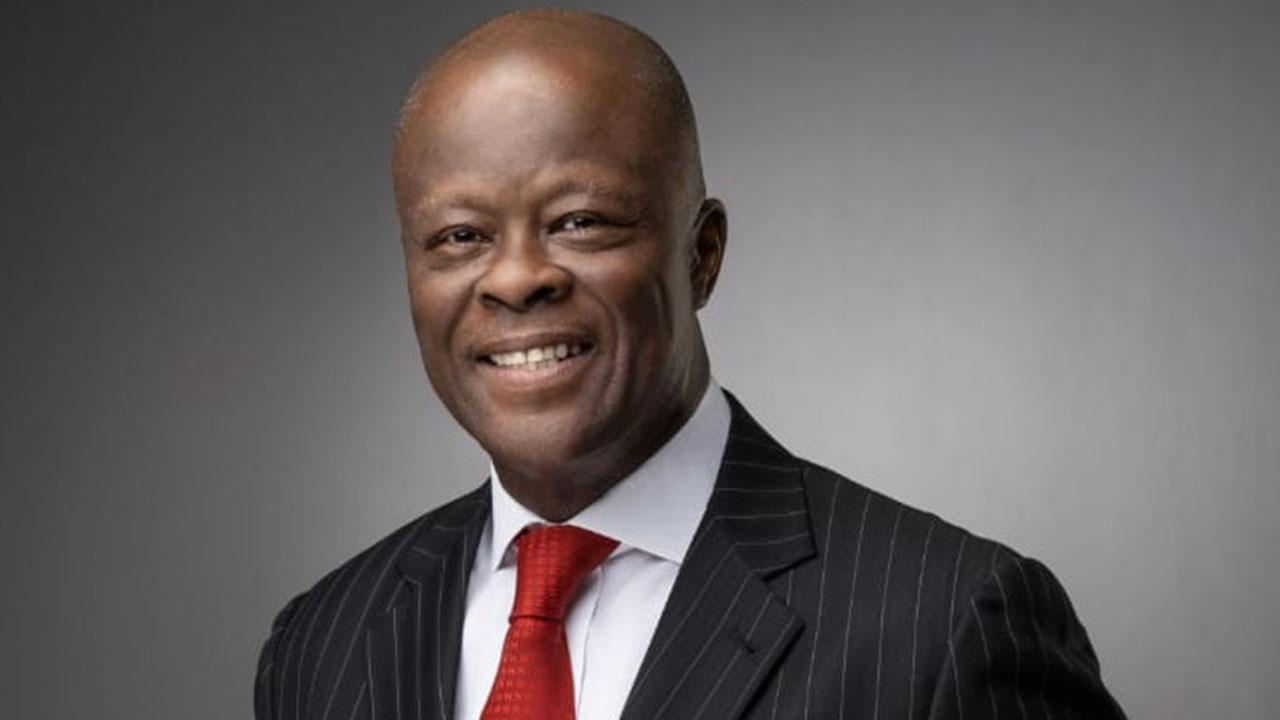
Speaking on the IMF report, Minister of Finance and Coordinating Minister of the Economy, Mr. Wale Edun, applauded the IMF’s acknowledgment of Nigeria’s reform efforts re-emphasizing that the government’s economic strategy over the past two years, has significantly improved Nigeria’s fiscal balance and external reserves, enhanced investor confidence and increased the economy’s ability to weather global shocks.
“The IMF’s assessment confirms that our reforms are not only working but have also placed Nigeria on a stronger economic footing,”. “We are seeing tangible benefits, especially in stabilizing key economic indicators and reviving critical sectors.” Edun stated.
Among the key highlights of the IMF’s findings was a commendation of Nigeria’s strides in the agricultural sector.
The Fund said increased food production has played a central role in easing inflationary pressures, with headline inflation falling to 22.9% in May 2025, down from higher rates earlier in the year while Food inflation has also moderated to 21.4%, reflecting improvements in domestic food supply chains.
The IMF also acknowledged the Nigerian government’s efforts to enhance policy coordination, address fiscal leakages, and improve transparency in public finance.
These reforms, according to the Fund, are vital to sustaining macroeconomic stability and ensuring long-term growth.
While the IMF projected a cautious optimism, it also flagged potential risks stemming from uncertainties in the global economic landscape, particularly volatile oil prices and international trade headwinds.
In response, Mr. Edun emphasized the government’s proactive approach.
“We are closely monitoring international developments, especially in the oil and trade sectors.
The 2025 Budget is being implemented with a strong focus on protecting the gains we’ve made and keeping the economy on a steady path,” he added.
The government reiterated its full commitment to sound economic governance, stressing that ongoing reforms are anchored on macroeconomic stability, inclusive growth, and improved living conditions for Nigerians.
The Article IV Consultation, a regular exercise by the IMF for all member countries, involves a comprehensive review of economic developments and policies.
The consultation provides both assessment and advice, helping countries like Nigeria align their domestic strategies with global best practices.
Victoria Ibanga