


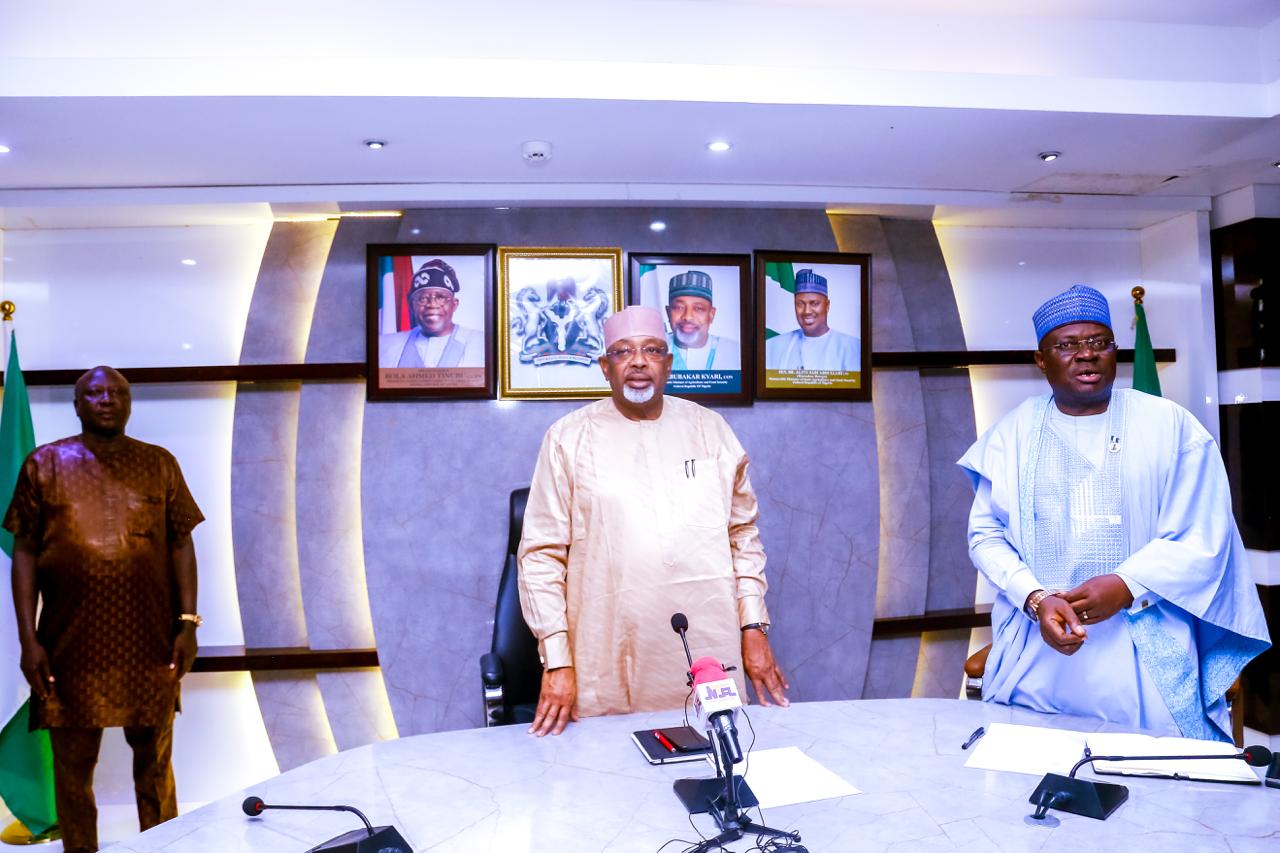
Nigeria’s Minister of Agriculture and Food Security, Senator Abubakar Kyari, says that the $500 million loan facility from the World Bank will accelerate development across the country’s agricultural ecosystem, in line with President Bola Ahmed Tinubu’s Renewed Hope Agenda for the sector.
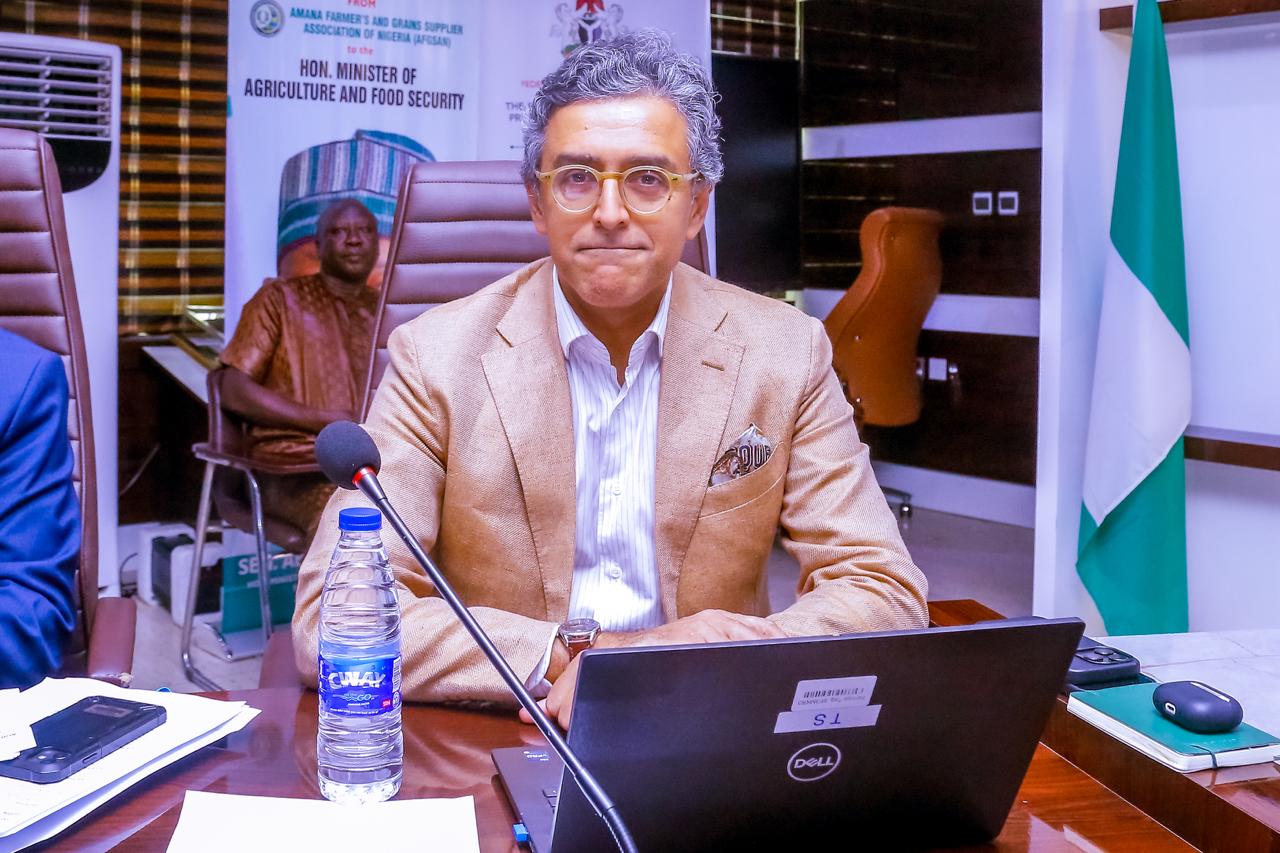
The minister disclosed this during a courtesy visit by a World Bank delegation led by the Head of Agriculture Value Chains for Growth (AGROW Project), Hardwick Ichale, held at the ministry’s conference room in Abuja.

Senator Kyari explained that the World Bank’s six-year Agri-Connect initiative, valued at $14 billion, is designed to address long-standing gaps in smallholder farming by improving linkages across the entire agricultural value chain.
He said the project would enhance connectivity between farmers, processors, markets, and financial systems, thereby strengthening value chains, expanding agro-processing capacity, and improving rural livelihoods.
According to him, the initiative will also support farmer aggregation, market access, and the integration of micro-, small and medium-scale enterprises (MSMEs) into major agricultural value chains.
The minister emphasised the importance of organised farmer participation, transparency, and effective oversight to ensure accountability and maximise the impact of the intervention.
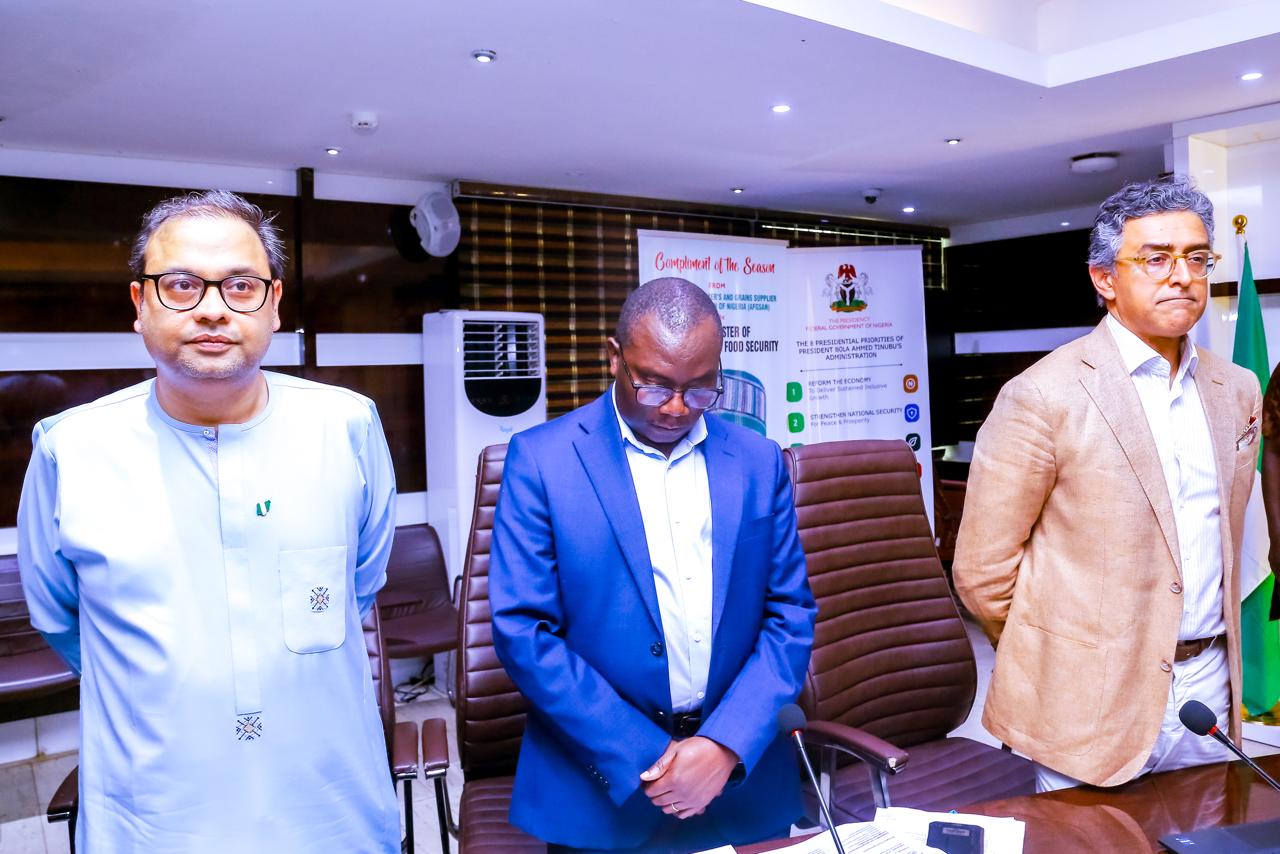
He reaffirmed that the programme aligns with President Tinubu’s strategic priorities — particularly the national drive for food security, rural industrialisation, and job creation.
Kyari added that Agri-Connect would complement ongoing Nigerian government programmes, including the Special Agro-Industrial Processing Zones (SAPZs), to catalyse rural agro-industrial growth and create more opportunities for youth and women in agribusiness.

In his remarks, the World Bank’s Head of Delegation, Hardwick Ichale, said that the Agriculture Value Chains for Growth (AGROW Project) would unlock Nigeria’s agribusiness potential by driving productivity, inclusivity, and job creation, especially for women and young people.
Ichale explained that the project will focus on key value chains such as rice, maize, soybean, and cassava, noting, “The key purpose is to enable farmers to see farming as a business.”