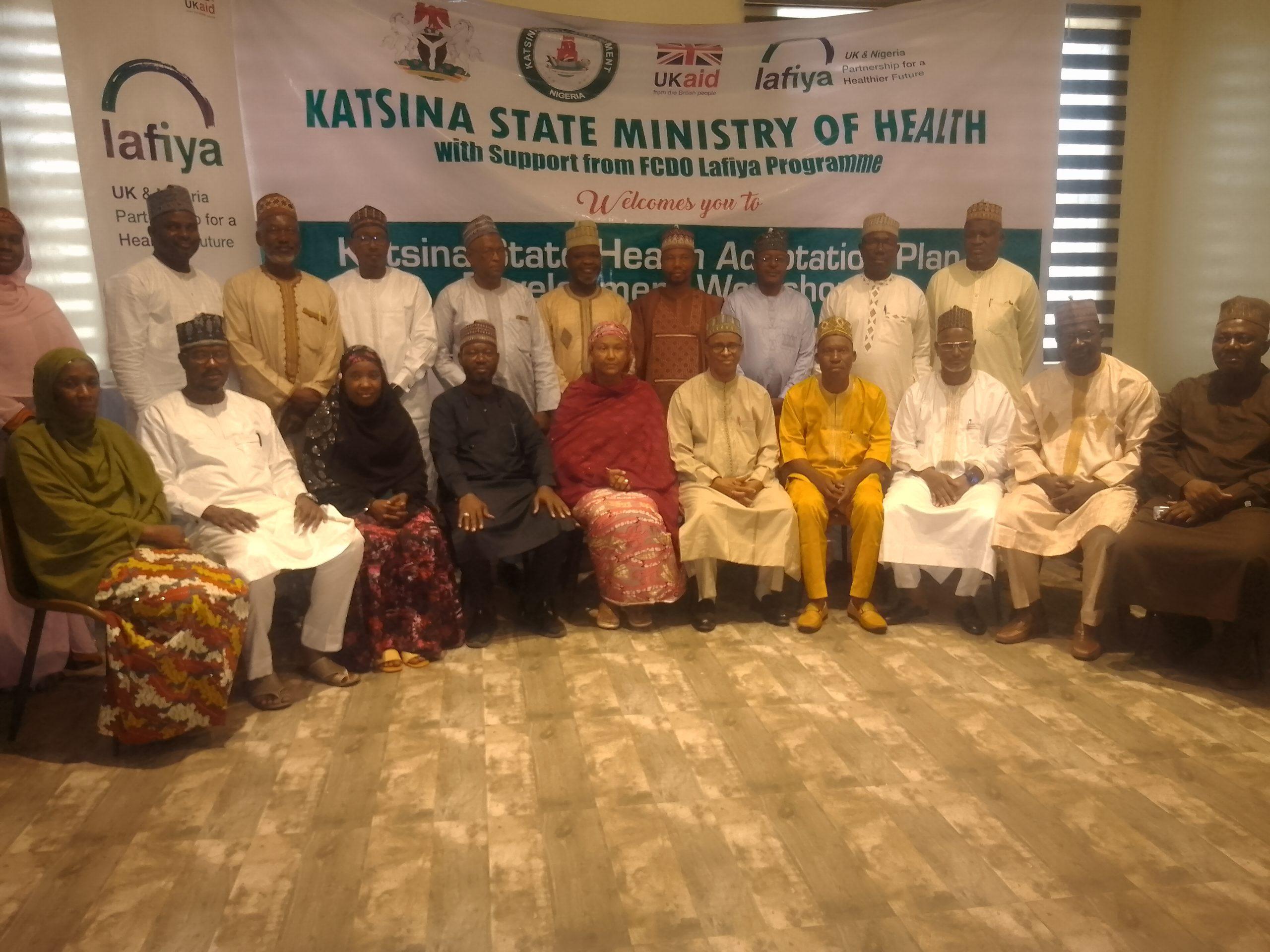
The Katsina State Government in North West Nigeria is making bold moves to strengthen its healthcare system against the growing threats posed by climate change, with a focus on building climate-resilient health infrastructure and integrating environmental considerations into public health planning.
At a stakeholder training session held in Kano, Alhaji Musa Funtua, the State Commissioner for Health (represented by Dr. Muawiyah Aliyu, Director of Public Health), stressed the urgent need for health adaptation planning in light of increased climate variability.
“Diseases that were once easily manageable have now become more complex due to rising climate impacts,” Dr. Aliyu noted.
Strategic Climate and Health Interventions
To confront the evolving challenges, the Katsina State Government has introduced several initiatives:
- Development of climate-resilient health infrastructure
- Community awareness campaigns on climate-related health risks
- WASH (Water, Sanitation, and Hygiene) projects in vulnerable communities
- Training of healthcare workers to incorporate climate insights into service delivery
- Installation of solar power systems in health facilities to reduce reliance on fossil fuels
“Planning is essential, but without adequate funding, implementation becomes a challenge,” said Commissioner Funtua.
Read Also: Maiduguri Hospital Achieves Major Kidney Surgery Milestone
“Once our costed adaptation plan is finalised, mobilising resources becomes our top priority.”
Governance and Coordination Mechanisms
To ensure effective implementation, the state has established a three-tier coordination structure:
- State Council on Climate Change – Chaired by the Governor
- State Climate Technical Committee – Chaired by the Commissioner for Environment
- State Forum on Climate Change – Led by the Permanent Secretary, Ministry of Environment
These bodies will oversee climate-health integration and provide policy direction.
Aligning with National Climate-Health Strategy
Hajiya Rukayya Muhammad, representing the National Council on Climate Change, said the initiative aligns with the Health National Adaptation Plan (HNAP) developed by the Federal Ministry of Health in collaboration with the Council.
“Our goal is to help states understand the climate-health nexus and align their adaptation efforts with national priorities,” she said.
“This will allow for better integration of climate resilience, particularly at the primary healthcare level.”
Human-Driven Climate Impact Requires Collective Action
Dr. Yusuf Gede, a climatologist from the Katsina State Ministry of Environment, highlighted that human activities like deforestation, soil degradation, and fossil fuel burning are major drivers of climate change.
He called for widespread afforestation and reforestation efforts and community involvement to reverse environmental degradation and reduce future health risks.
UK-Nigeria Partnership for Healthier Futures
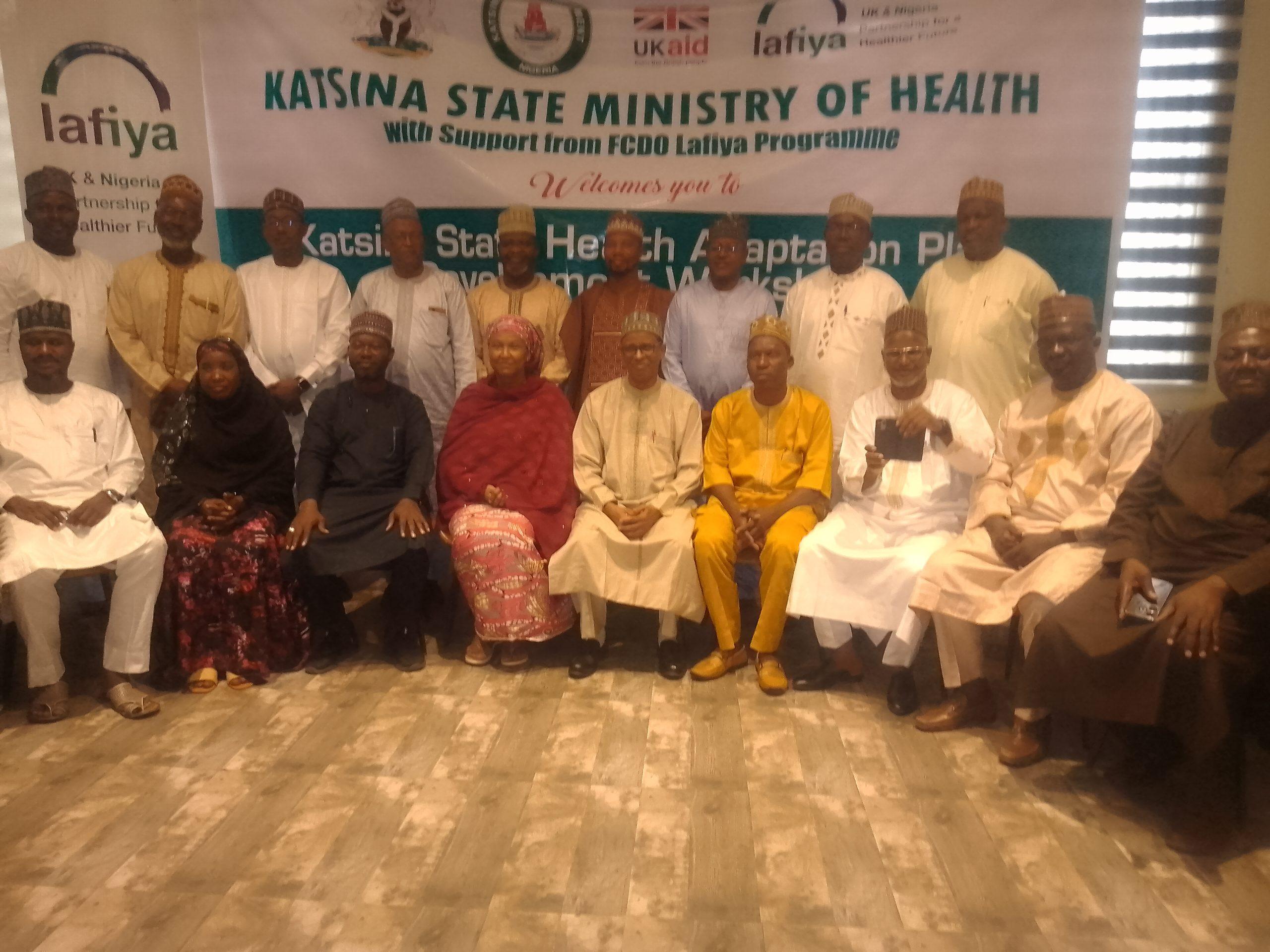
The capacity-building session was supported by the Lafiya Project, a UK-Nigeria initiative that promotes stronger, more resilient healthcare systems.
Katsina’s forward-looking approach reflects a growing recognition across Nigeria that climate change is not just an environmental issue, but a public healthemergency — and proactive, integrated responses are now more urgent than ever.