
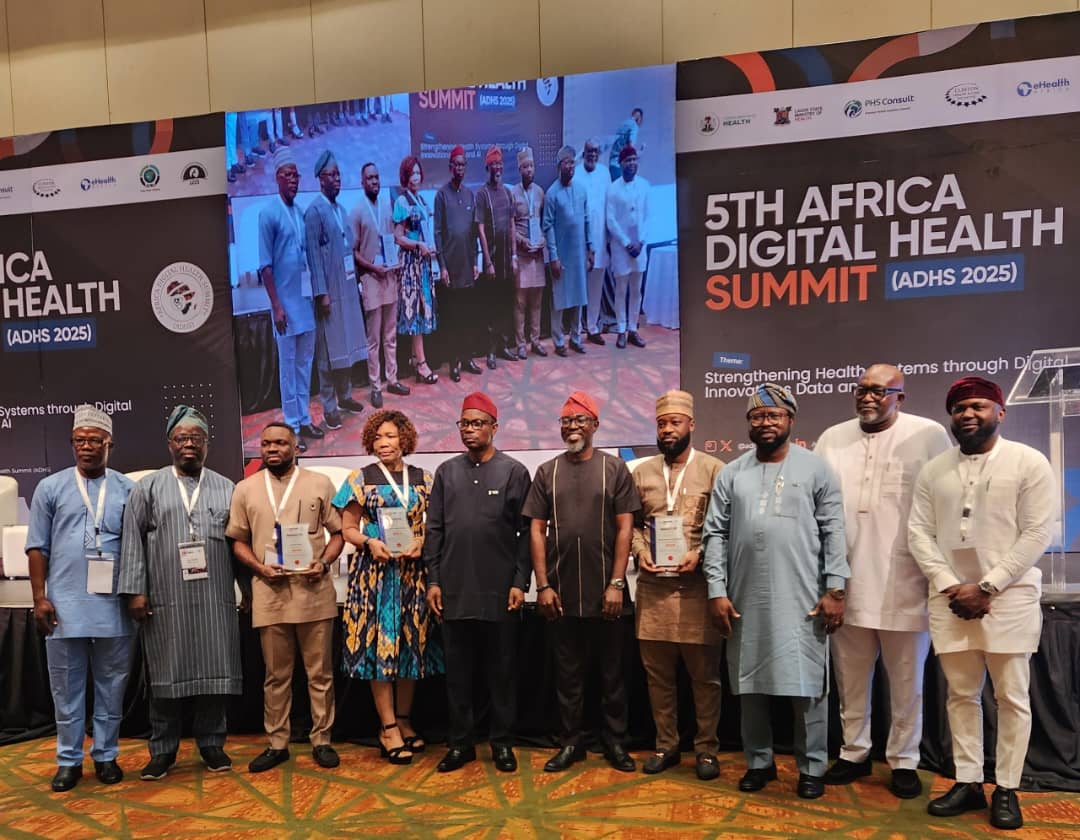
The Nigerian government has reiterated its commitment to strengthening healthcare delivery through the integration of digital innovation, data, and artificial intelligence (AI).
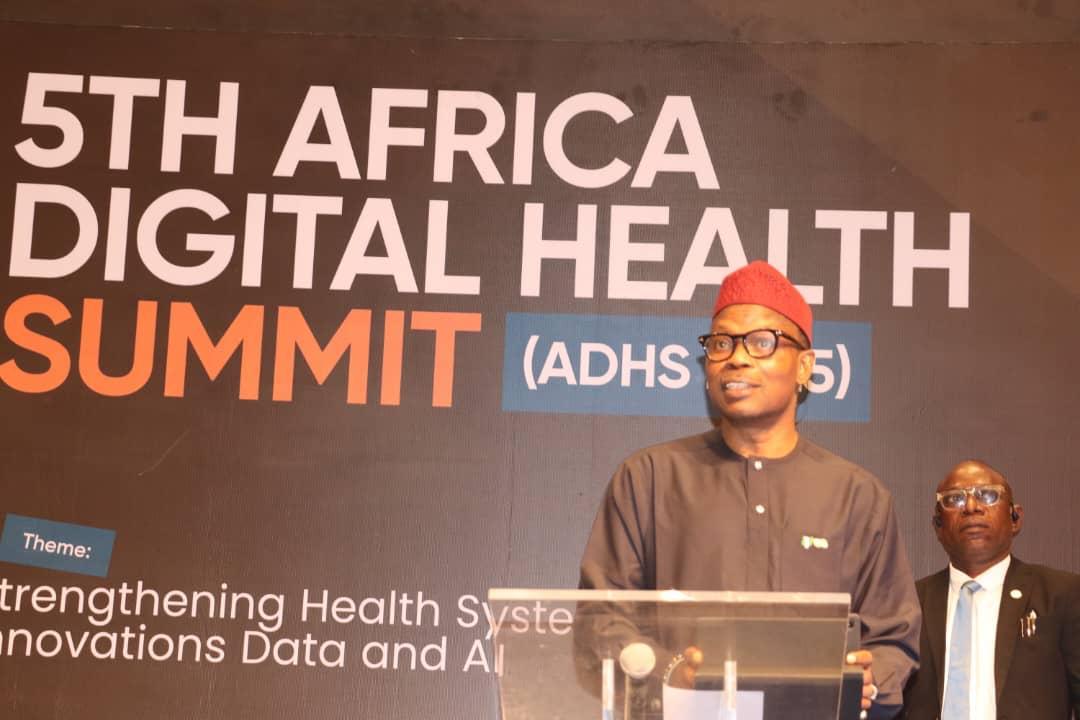
Speaking at the official opening of the 5th Africa Digital Health Summit (ADHS 2025) in Lagos on Wednesday, the Honourable Minister of State for Health and Social Welfare, Dr Iziaq Salako, described the summit’s theme, “Strengthening Health Systems Through Digital Innovation, Data, and AI”, as both timely and aligned with Africa’s health priorities.
He commended Premier Medical Systems, led by Dr Niyi Osamiluyi, for creating a platform that unites stakeholders across the continent to explore how digital solutions can accelerate progress towards Universal Health Coverage (UHC).
“Digital technology is revolutionising the way we do things by removing physical barriers, enhancing workflow, transforming feedback mechanisms, and improving productivity,” Dr Salako stated.
A busy Friday traversing between the Centre of Excellence and the Gateway State to push the frontiers of healthcare delivery in my beloved 🇳🇬
First, it was an appearance at the 5th Africa Digital Health Summit @adhsummit which held at the Eko Hotel and Suites. It was an… pic.twitter.com/5XnprOGJcs
— Dr Iziaq Adekunle Salako (@SalakoIziaq) June 27, 2025
Digital Health as a Pillar of Reform
Dr Salako highlighted the Nigeria Digital in Health Initiative (NDHI) as a flagship programme under President Bola Ahmed Tinubu’s Renewed Hope Agenda, aimed at ensuring that every Nigerian receives quality healthcare anywhere and anytime without financial hardship.
He noted that digitalisation is recognised as a cross-cutting enabler of the health sector reform agenda, with the potential to create millions of jobs and unlock the innovative potential of Nigerian youth.
The Minister also acknowledged the collaborative efforts of sub-national governments, state Commissioners of Health, digital health focal persons, development partners, and frontline professionals in aligning with the national digital health agenda.
AI, Data Security, and Power Supply Challenges
Dr Salako emphasised the government’s commitment to harnessing tools such as electronic medical records, telemedicine, mobile health apps, and AI-powered diagnostics to improve quality, efficiency, and accessibility of care.
Read Also: Nigeria, Brazil Deepen Ties for Health Advancement
However, he also addressed risks associated with digital health, calling for robust cybersecurity frameworks to protect against threats, cyber attacks, and data breaches.
He stressed the importance of safeguarding patient data and maintaining high ethical standards.
Recognising the challenge of uninterrupted power supply in digital health operations, the Minister announced plans to convene a National Stakeholders’ Dialogue on Power in Health later this year, aimed at addressing energy gaps in healthcare facilities to enable 24/7 digital healthcare delivery.

Partnerships for Inclusive Innovation
Expressing optimism about the summit’s agenda, Dr Salako said it offers opportunities to empower healthcare students, foster innovation through cross-institutional incubators, and develop digital health solutions tailored to Africa’s most vulnerable populations.
“The Federal Ministry of Health and Social Welfare remains committed to digital health as a vehicle for equity and excellence in healthcare delivery. Let us share our experiences and build partnerships that can bring scalable, sustainable, and inclusive solutions to life,” he concluded.

