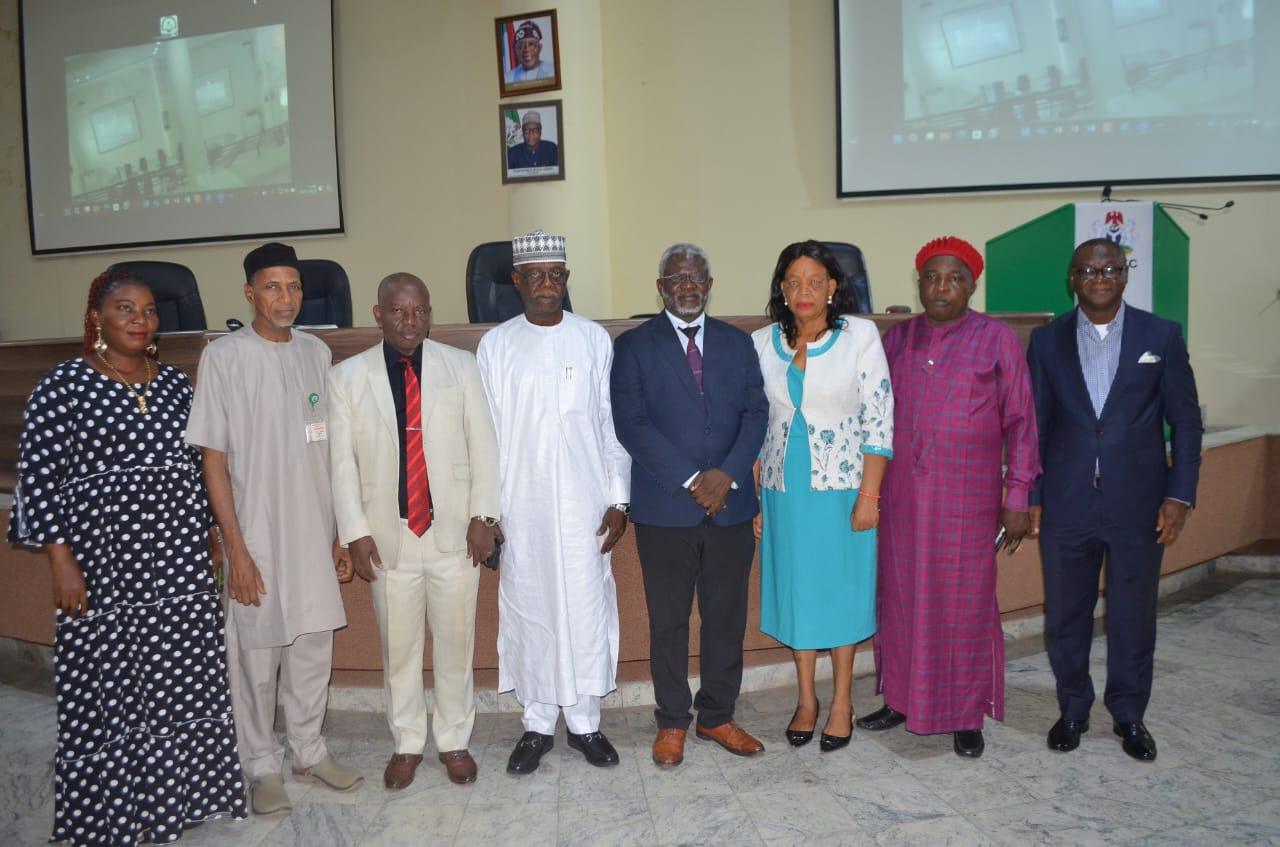
The Revenue Mobilisation, Allocation and Fiscal Commission (RMAFC) has spotlighted the critical importance of global energy funding for vulnerable African populations.
RMAFC Chairman, Dr. Mohammed Bello Shehu, while speaking at the First African Conference on Climate Justice—organized by the Commission in partnership with the Center for African-American Research Studies (CAARS) and held in Abuja—emphasized that securing and deploying international climate finance is essential for sustainable development and energy access across the continent.
At the conference themed “Strategic Access, Mobilisation, and Equitable Allocation of Global Climate Funds for Vulnerable Populations,” Dr. Shehu stated,
“The relevance of global energy funding cannot be overstated as it directly supports African nations in their transition to clean and reliable energy sources.”
He noted that recent constitutional reforms in Nigeria—specifically the move of electricity regulation from the exclusive to the concurrent legislative list—have empowered subnational governments to play a more active role in power generation and distribution.
This reform, Dr. Shehu explained, positions Nigeria to better access and utilize global climate funds at multiple levels of governance, enhancing the nation’s ability to meet both energy and climate targets.
In his keynote address, Prof. Nnamdi Nwaodu, Director General of CAARS and Chief Convener of the conference, stressed that Africa must move from the margins to the center of global climate finance discussions.
He urged participants to develop frameworks rooted in fairness, asserting that
“climate justice means ensuring that vulnerable communities do not continue to suffer the most while contributing the least to climate change.”
“We are not here to rehearse the known statistics of environmental harm—we are here to act. It’s time to claim our seat at the table and design climate finance frameworks that reflect our continent’s realities,” he added.
The conference featured rich academic and technical discussions, including presentations from renowned experts such as Prof. Ignatius Onimawo, former Vice Chancellor of Ambrose Alli University, who presented a paper on addressing climate adaptation, governance, and resilience in Africa; Arc. Steve Nwaiwu, Principal Consultant at Delish Nature & Wellness Africa, who spoke on the topic
“Nature, Wellness, and Green Infrastructure for Urban Africa.”
HRH Eze Dr. Okechukwu Izim, a traditional ruler and Head of the Department of Political Science at Alvan Ikoku Federal University of Education, presented two separate papers:
“Cultural Reflections on Environmental Justice” and “Climate Policy and African Political Economy.”
Dr. Nwarieji Felistas, Director of the Center for Circular Economy Technology Education, was also in attendance.
Participants engaged in robust discussions on climate adaptation, governance, green infrastructure, and policy, highlighting the multifaceted challenges and opportunities in leveraging global energy funds to build resilience and promote environmental justice.
The event underscores a growing consensus among African leaders and international partners that strategic access to global climate finance is vital for addressing both energy poverty and the impacts of climate change on the continent.
Victoria Ibanga