The Oyo State Government in Southwest Nigeria, has reaffirmed its commitment to tackling the challenge of out-of-school children through strategic reforms and partnerships.
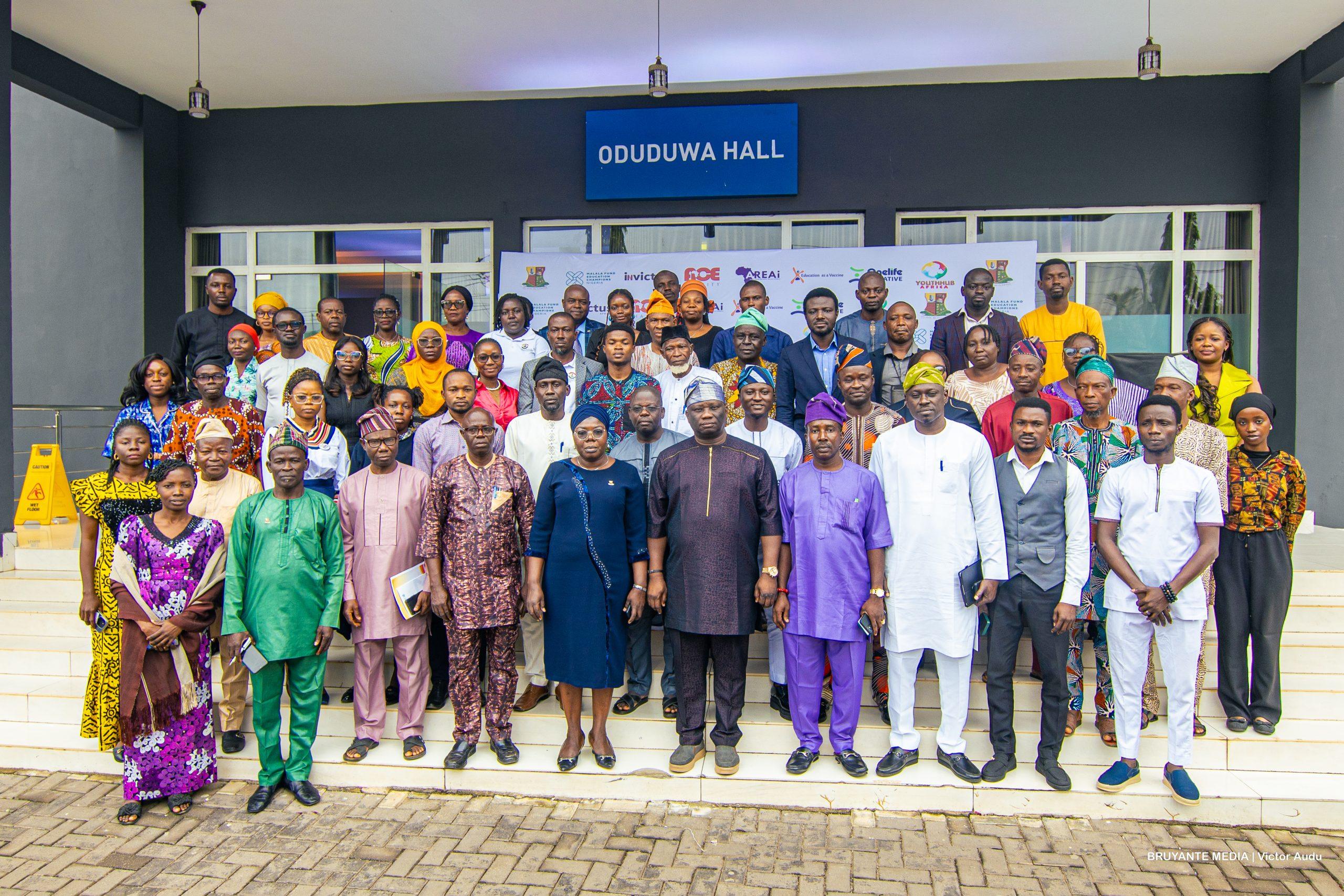
This pledge was underscored at a technical workshop held in Ibadan, the state capital, in collaboration with the Malala Fund and Education Champions Network, Nigeria, as part of the State Education Advancement Pre-Summit.
The one-day event featured keynote addresses, position papers, panel discussions, and breakout sessions designed to promote knowledge sharing, capacity building, and policy engagement for sustainable reforms in the education sector.
The Speaker, Oyo State House of Assembly, Adebo Ogundoyin, reaffirmed the full support of the legislative for every policy, initiative, and partnership that aims to eliminate educational exclusion.
He also pledged commitment to gender-inclusive budgeting, stronger legislative oversight of education programmes, and laws that safeguard every child’s right to learn and thrive.
Ogundoyin, represented by Oluwafowokanmi Oluwafemi, Chairman, House Committee on Education, stated: “Our House Committee on Basic and Secondary Education has been actively engaged on this issue, and I assure you of their continued collaboration with all stakeholders here present.
“We recognise that education is not the responsibility of government alone but it is a shared mission. From civil society actors, to development partners, to local communities and parents, we all have a role to play.”
The Partnership Manager Nigeria, Malala Fund, Maryam Danburam, noted that the participants were gathered due to a shared commitment to strengthen education in Oyo State, to secure a brighter future for the children, especially girls.
Similarly, the Executive Director of Onelife Initiative, Sola Fagorusi, explained that the workshop was put together because of the need for interagency, ministerial, and departmental collaborations, including the role of media and civil society organisations. Fagorusi called for best thoughts, ideas and initiatives from all stakeholders present.
The Senior Programme Officer, Advocacy and Policy Influencing Unit of Education as a Vaccine, an NGO, explained that “the project is focused on transparency and accountability, and a gender responsive education system in Oyo State, aimed at seeing to the enrolment and retention of girls in school.”
Goodwill messages from the representatives of the Oyo State Ministry of Education, State Universal Basic Education, Parent-Teacher Association, Nigeria Security and Civil Defence Corps, and National Orientation Agency, among others, were delivered at the workshop.
Enrolled and supported
The goodwill messages emphasised policy reforms, innovation, and partnerships by stakeholders to reduce illiteracy and poverty, the need to reintegrate out-of-school children, early childhood education, and inclusivity.
Parents were also urged to take greater responsibility in seeing that children are enrolled and supported through school, and ensuring safe, inclusive, and conducive learning environment.
The consultant for the workshop, Mr. Yemi Osanyin, said 20 position papers contributed relevant perspectives toward shaping the reform agenda.
He explained that the submissions highlighted factors driving out-of-school children, including family, social, policy, legislative, community, institutional, and systemic issues, while also suggesting solutions and identifying stakeholder roles.
Participants recommended strengthening legal enforcement of compulsory education, scaling up community engagement, enhancing Federal-State collaboration, and building parental and community capacity for greater responsibility in education.
Other recommendations include; establishing monitoring and feedback mechanisms, expanding school feeding programmes, promoting inclusive education policies, and encouraging multi-stakeholder collaboration to sustain reforms.
The workshop, held as a pre-summit engagement, aimed to lay the foundation for broader education reforms in Oyo State. It brought together government officials, policymakers, civil society, experts, and private sector stakeholders to design strategies that will reduce out-of-school children and improve access to quality education.
Lateefah Ibrahim