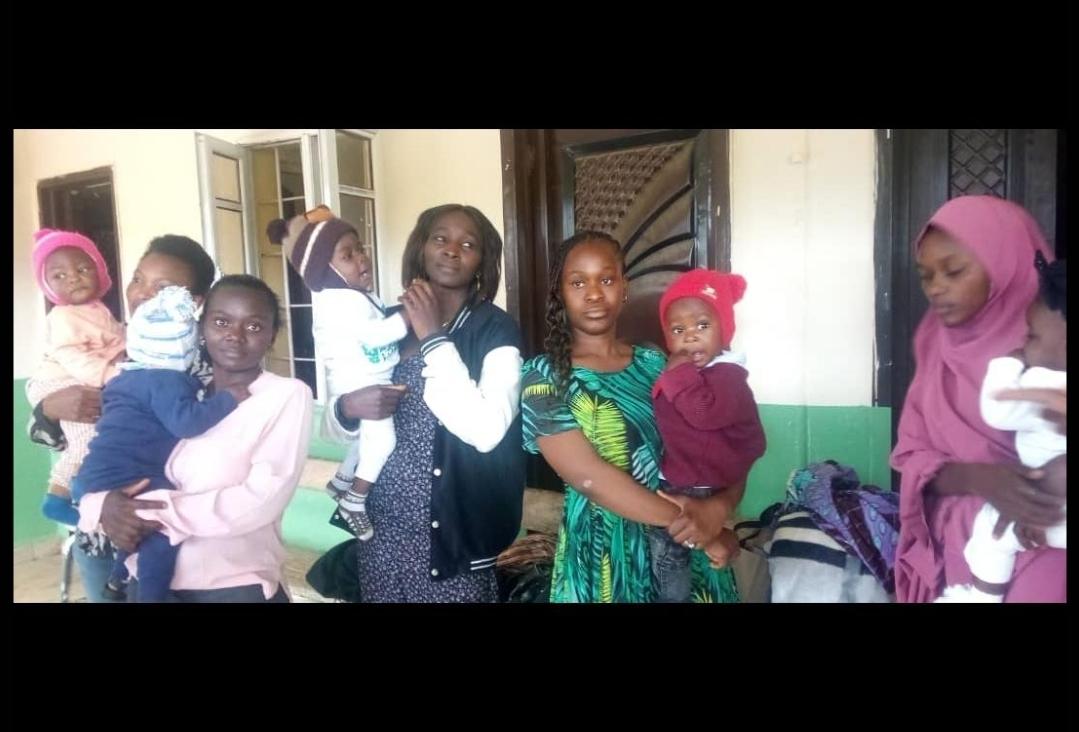
A growing grassroots movement in Plateau State, North Central Nigeria, is transforming the landscape of child nutrition, despite the economic downturn and limited resources.
Families and health workers across various communities are standing together to fight childhood malnutrition starting from birth.
At the heart of this movement is exclusive breastfeeding for the first six months of life, followed by the introduction of complementary foods made from locally available ingredients. This approach, supported by community health centres and organisations like UNICEF, is yielding promising results in child health and development.
Not long ago, child nutrition was considered the sole responsibility of mothers. Today, the narrative is changing. Fathers are now stepping into active roles, supporting their partners, and ensuring children receive optimal nutrition.
Read Also: Nigeria Reaffirms Commitment To Adolescent Health
At the Primary Healthcare Centre along the Bukuru expressway, Eric Jimwan, a first-time father, shared his experience. “My wife and I have been attending clinic sessions together since her pregnancy. I ensure we follow the nutritional advice and provide the recommended local foods for our baby’s feeding,” he said. Their child, exclusively breastfed for six months, has remained healthy apart from routine immunisations. “The outcome has been tremendous,” he added, urging more men to get involved.
Health professionals stress that such involvement is essential. Yerima Jacob, chief nursing officer at the same health facility, emphasised the importance of exclusive breastfeeding during antenatal sessions. “We always encourage both parents to engage. It’s not just about feeding; it’s about long-term child development. And many families are responding positively,” he said.
Jacob also discouraged reliance on imported baby food. “Local grains are not only more affordable but also nutritionally superior.”
Mothers across Jos and beyond are echoing similar successes. Elizabeth David, who practised exclusive breastfeeding, found that locally made complementary foods made night-time nursing easier. Her toddler now eats meals enriched with millet, guinea corn, crayfish, soybeans, and dates as natural sweeteners. However, she admitted that the rising cost of food poses a challenge.
In Jos North LGA, mothers at the Township Primary Health Centre shared how they’ve adapted. Dim Bridget fed her baby exclusively for six months before introducing pap enriched with vegetables and fish. “Even with limited resources, I ensure his meals are rich. He’s active and rarely falls sick,” she shared. Her husband also takes an active role in caring for their child.
For Tabitha Solomon, motherhood sparked entrepreneurship. She now makes and sells homemade complementary food. “It’s cheaper and safer than artificial options. I know exactly what my baby is eating,” she said proudly.
According to Paula Hata, Nutrition Focal Person for Jos South LGA, there has been a visible reduction in severe malnutrition cases. “We’re seeing real changes. More mothers now understand the value of local foods, and they’re making the most of what’s available,” she noted.
Beyond community-driven strategies, Plateau State is stepping up its commitment to modern nutrition interventions. Philomena Irene, nutrition specialist with UNICEF Nigeria’s Bauchi Field Office, stressed the importance of prevention. “No child should die of malnutrition. It costs ₦21,000 to prevent malnutrition in a child but up to ₦198,000 to treat one,” she explained.
A key part of the strategy is the use of Small Quantity Lipid-Based Nutrient Supplements (SQ-LNS), a groundnut-based paste enriched with milk, oils, vitamins, and minerals. Given to children aged 6 to 23 months, the supplement helps bridge essential nutrient gaps without replacing family meals.
“Research shows SQ-LNS reduces child mortality by 27%, severe wasting by 31%, stunting by 17%, and iron-deficiency anaemia by 64%,” Irene said. She emphasised the importance of the first 1,000 days of life, calling it “a critical window for lifelong development.”