

Speakers at the 2nd Scientific Conference and General Meeting of the Toxinological Society of Nigeria emphasised the need to strengthen local production of anti-venom, noting that such initiatives would significantly reduce costs and improve access to affordable, life-saving treatment for snakebite victims.
The Gombe State Government stressed that indigenous production would not only lower expenses but also create jobs and boost Nigeria’s foreign exchange earnings.
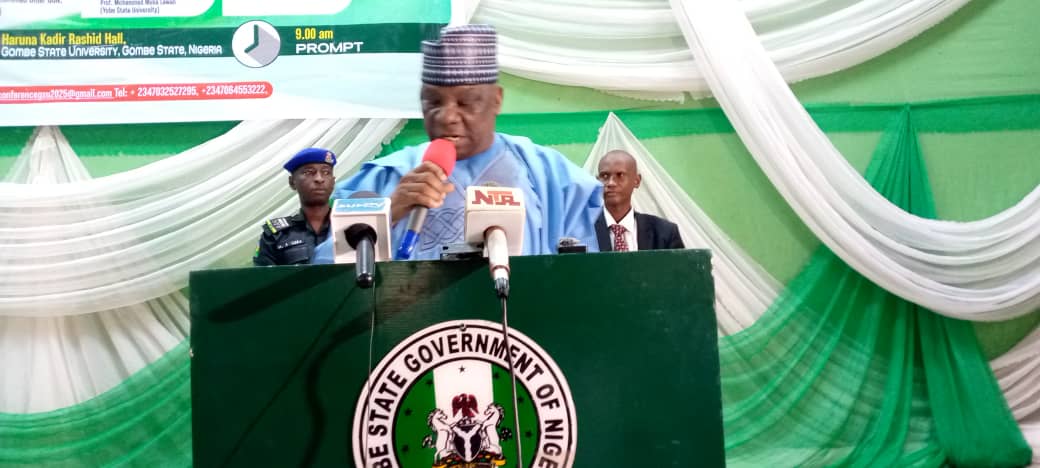
Governor Muhammadu Inuwa Yahaya, represented by his deputy, Dr Manassah Daniel Jatau, urged locally driven pharmaceutical research and the development of medicines and vaccines from native plants and animal sources.
He outlined the government’s vision to transform the Kaltungo Snakebite Hospital into a research institution, capable of producing and exporting snake venom and related products.
“The time has come for us to turn our challenges into opportunities,” Dr Jatau said.
He emphasised the significance of hosting the conference in Gombe, home to the Kaltungo Snakebite Hospital, which serves the entire Northeast and neighbouring countries.
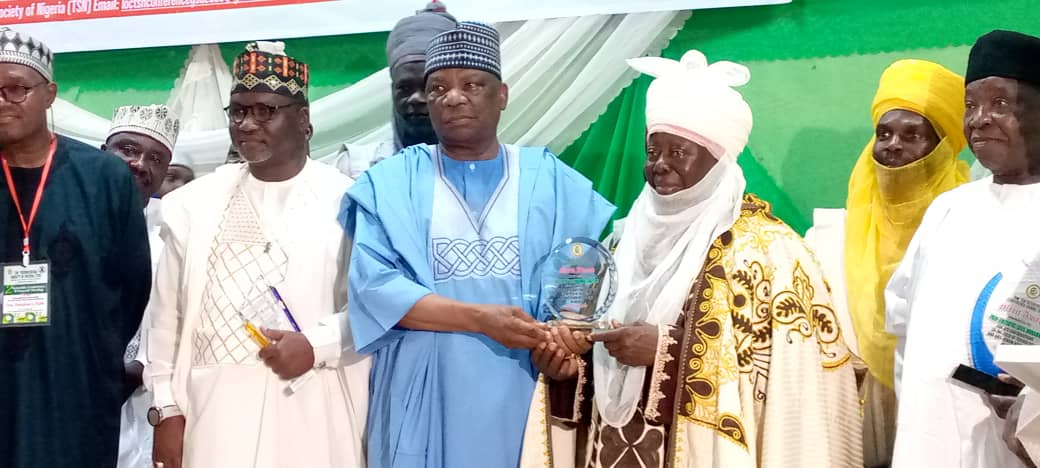
The Chairman of the conference, Dr Jalo Ibrahim Daudu, explained that the theme, “Exploring Indigenous Antivenom Development and Therapy in Nigeria: Policies, Challenges and Opportunities”, was chosen to advance research into snake venom and promote the development of safer, more effective treatments for Nigeria and Africa at large.
“The choice of Gombe as the host was deliberate, it is home to Nigeria’s first snakebite treatment centre and is poised to lead in local venom production,” Dr Daudu added.
Delivering the keynote address, Professor Abdulrazaq Garba Habib, a specialist in infectious and tropical diseases, highlighted the urgent need for Nigeria to establish its own anti-venom production facilities.
Read Also: NMA Applauds Kaduna Governor for Salary Reform
“Snakebite envenoming is a major public health problem in Nigeria, which carries the highest burden in Africa. The country currently spends between $10 million and $12 million annually on imported anti-venom, yet a one-off investment of about $12 million could establish a local production plant,” he said.
Professor Habib recommended a phased approach, starting with venom collection and the setting up of serpentariums, possibly through public–private partnerships.
The Mai Kaltungo, His Royal Highness Saleh Mohammed, also proposed practical steps to reduce snakebite incidents, including providing protective boots and gloves for rural dwellers, as well as constructing rural access roads.
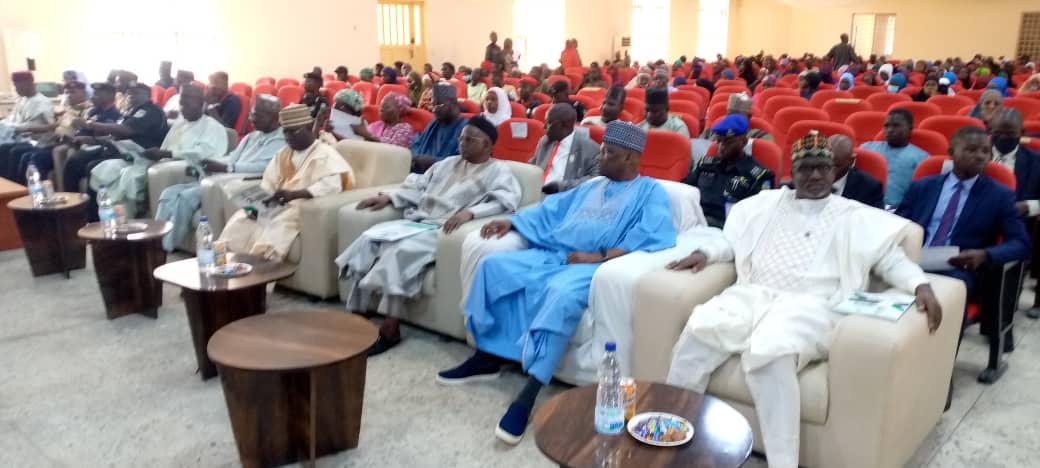
“Better roads will help people avoid snake-infested areas and ensure quicker access to healthcare,” he noted.
The Vice-Chancellor of Gombe State University, Professor Sani Ahmed Yauta, described snakebite as a serious public health concern in rural communities, especially in Kaltungo and other parts of Gombe State where venomous species are prevalent.
“Snakebite affects not only health but also the social and economic wellbeing of affected communities. This conference offers a platform for research, innovation and practical solutions while also placing GSU on the global map of scientific research,” he said.

