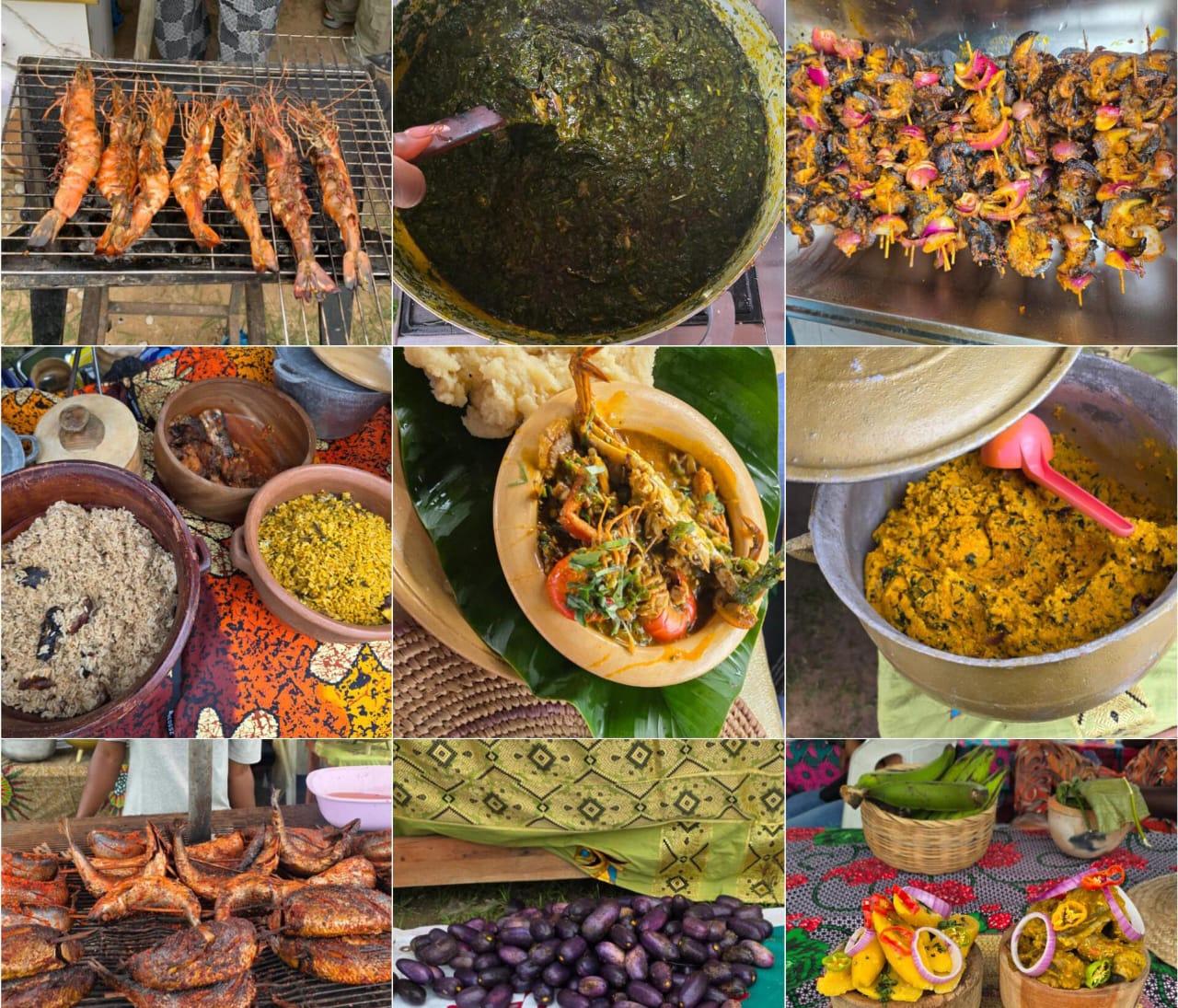
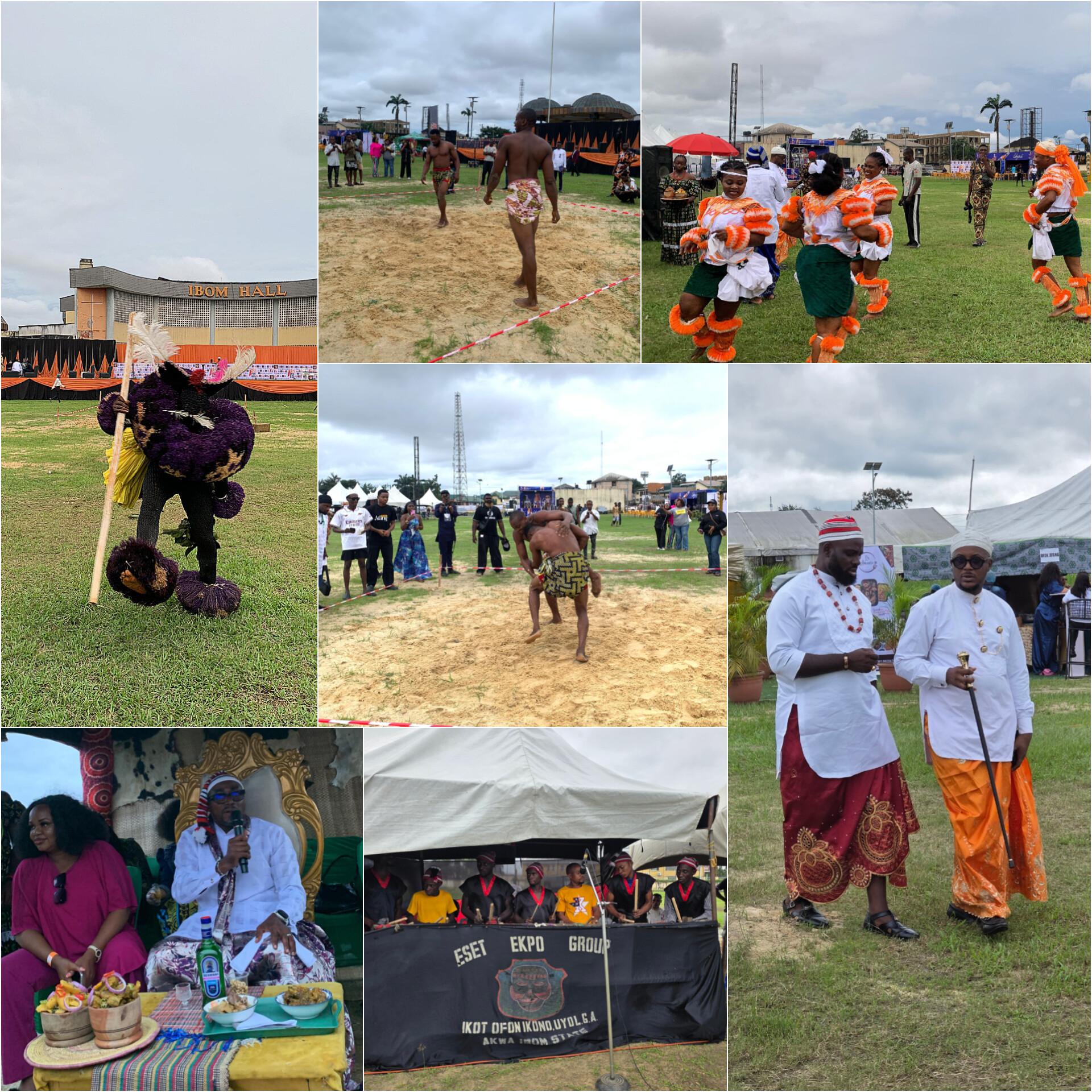
The 2025 edition of the “Uyai Food Festival,” celebrating the rich culinary heritage of Akwa Ibom State, has been held in Uyo, with cultural custodians, chefs, entrepreneurs, and creatives stressing the urgent need to preserve indigenous food traditions in a fast-globalising world.
Convened as a private sector-driven side event marking the 38th anniversary of Akwa Ibom State, the festival featured multiple “food houses” (Ufok) dedicated to signature dishes, soups, seafood, rice, and fresh fruit delicacies.
Preserving Heritage through Food
Festival convener, filmmaker and chef Mariatherese Adiakpan, said Uyai Food Festival was born from a deep concern about cultural erosion and the risk of losing ownership of Akwa Ibom delicacies that have already entered Nigeria’s national menu.
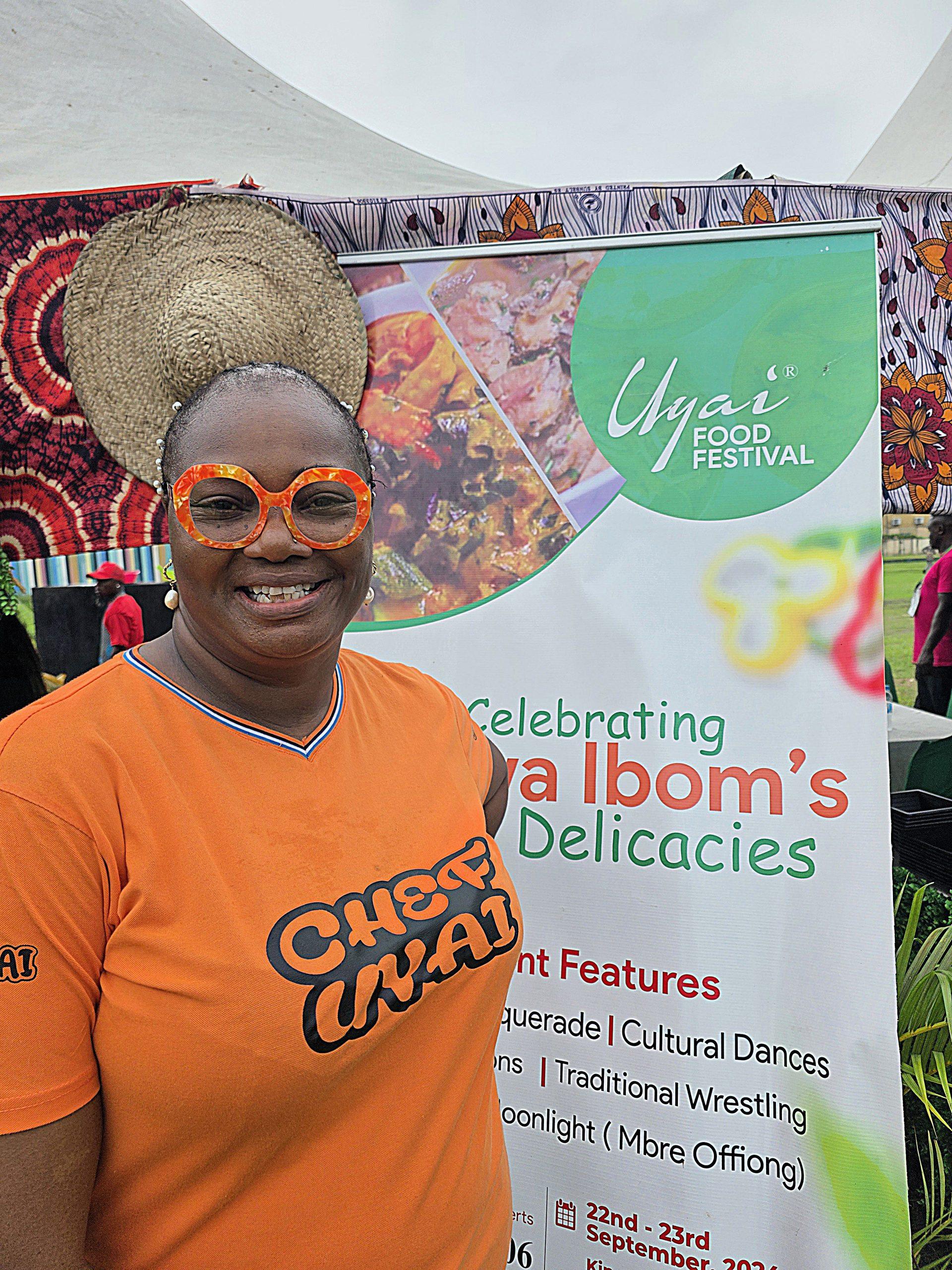
“Our food is already on the national table, everybody is eating Afang soup, coconut rice, what some call white soup. But Afia Efere is not white soup; it is ours. Coconut rice is not MTN rice; it is Iwuk Edesi. These are Akwa Ibom and Efik heritages. God forbid that one day our grandchildren wake up to find others laying claim to what belongs to us,” she declared.
She added that her motivation was not just culinary pride but generational responsibility.
“My children, my grandchildren, my great-grandchildren must never ask, ‘What did grandmother do about preserving our food?’ Uyai Food Festival was created to preserve, nurture, showcase, and hand down our recipes from generation to generation,” she explained.
According to her, the festival will henceforth hold annually during Akwa Ibom’s anniversary celebrations.
“Food is central to our identity. From naming ceremonies to marriages and funerals, Akwa Ibom people eat together. While government officials celebrate with commissioning projects and gala nights, Uyai Cuisine will celebrate with food—affordable food for everyone to come, eat and merry,” she said.
Seafood and the Health Economy
Creative Director of House of Borah, Ifiok Akan, who also led the “Ufok Udia Mben Mmong” (Seafood House), underscored the health and economic value of Akwa Ibom’s seafood culture.
“Living in Akwa Ibom should be a reason to be healthy. Our seafood is organic, it boosts cognitive ability, and it nourishes the body inside out. These foods can be exported, they can be preserved, and they can be standardised for the global market,” she noted.
READ ALSO:Akwa Ibom Celebrates 38 Years of Peace, Progress
Akan argued that seafood and other indigenous foods could anchor new industries if communities embraced their heritage with pride.
“Africa is the future. Africa has everything the world needs, and Akwa Ibom is Africa’s best-kept secret. Our foods are organic, healthy, and exportable. Once we embrace and standardise them, they can become a global brand and a source of pride, health, and prosperity,” she said.
Reviving Forgotten Recipes
For Nerissa Ikpa, owner of Liz Alimento Restaurant and lead chef at “Ufok Afang”, the festival provided an opportunity to revive recipes fading from collective memory.
“We only know Afang Mmong-Mmong Ikong but there are other varieties like Afang Atama, Afang Etighi and Afang Ikon that our grandparents cherished. People are beginning to forget what we were groomed with. We want to bring them back so that future generations know where they come from,” she explained.
Similarly, Inemesit Ikechukwu, CEO of Drink Island and team lead of “Ufok Mfri”, who displayed fruit mixes, dried chips, smoothies and coconut-based drinks, stressed the role of education.
“It is important so we don’t lose our culture. Our children must learn these foods so that we don’t imbibe other people’s cuisines and forget our own that are rich and nourishing,” she said.
Books as Custodians of Food
Enobong Etuk, founder of Boldozs Bookstore and curator of Boldoz’s Book and Art Festival, called for documentation as a way to preserve culinary heritage.
“One of the best ways to sustain our food culture is to curate and package recipes in books. When documented, the world can recreate them, understand their origin, and appreciate the communities behind the dishes. Supporting festivals like this also strengthens our image and preserves history,” she said.
Etuk further highlighted the connection between food and knowledge.
“You have to eat food to be able to read books. If you are hungry, you’ll be seeing two or three letters instead of one. Food powers the mind, and that is why festivals like this are so important,” she added.
Intentional Meals, Preserved Legacy
Actor Becky Asindi emphasised the deliberate nature of Akwa Ibom’s food culture.
“What is very unique about us is that we are very intentional about our meals and our dishes,” she stressed.
She noted that beyond consumption, the culture ensures continuity.
“What this is doing is that it is preserving and passing on what we have from generation to generation, because it’s one thing to eat food and it’s also another thing to know everything you need to prepare this food,” she explained.
Cultural promoter Thomas Thomas, THE “Obong Ufok Ukom, Ibaba ye Udip”, stressed that Akwa Ibom cuisine is as much about “how” food is served as “what” is eaten: “A unique element lies in the food presentation,” he declared.
“This is an exhibition of Akwa Ibom culture in its fullest. It is not just about the food, but the manner of presentation matters too. Because we believe in the Akwa Ibom culture-rich cuisines, we had to prepare foods in all its glory for the people who are coming to enjoy,” he explained.
Anchoring Culture in a Globalising World
The festival, themed around Ufok Udia (Food Houses), featured Akwa Ibom traditional dishes such as “Iwuk Edesi” (palm oil rice), coconut rice, seafood varieties, fruit blends, “Udia Ibikpot” (corn foods), “Utata Mkpo” (meat proteins), Afang soups and cultural displays.
“Our forebearers, who we once dismissed as not intelligent, created these recipes without artificial intelligence, without technology. They handed them down to us. It is my duty to hand them down to my children and grandchildren. If we don’t preserve them, we risk waking up one day to find our identity lost,” she warned.
Looking ahead, stakeholders expressed optimism that the event could grow into a national, regional and eventually global platform.
“Everywhere in Nigeria you find a so-called Calabar kitchen. Sometimes it’s not even Akwa Ibom people cooking the food, but people gather there because of the richness of our cuisine,” Adiakpan observed.
“That food you are eating has an origin. If your grandmother did not cook that food, it is not yours. Please appreciate Akwa Ibom whenever you eat Afang or Iwuk Edesi. Whenever you eat a Calabar or Akwa Ibom dish, please appreciate its origin and the people who created it. The world should wait for us because Akwa Ibom cuisine will soon take its place on the international table,” she said.
Government Perspective
Akwa Ibom State, Commissioner for Culture and Tourism, Anietie Udofia, told Voice of Nigeria that Akwa Ibom State is deliberately positioning itself as Nigeria’s next tourism hub.
“The policy drive of His Excellency Governor Umo Eno is embedded in the ARISE Agenda where tourism is a component, and His Excellency is pursuing it with all amount of seriousness,” Udofia explained.
He revealed that a comprehensive policy document would be launched at the State Tourism Summit in November, including a “tourism circuit” linking transport, health, shorelines, and the Oron maritime hub.
“We are incorporating the Oron Museum into an ecosystem… Akwa Ibom is ready, Akwa Ibom is prepared to be the next destination for leisure and pleasure seekers around the globe,” the Commissioner declared.
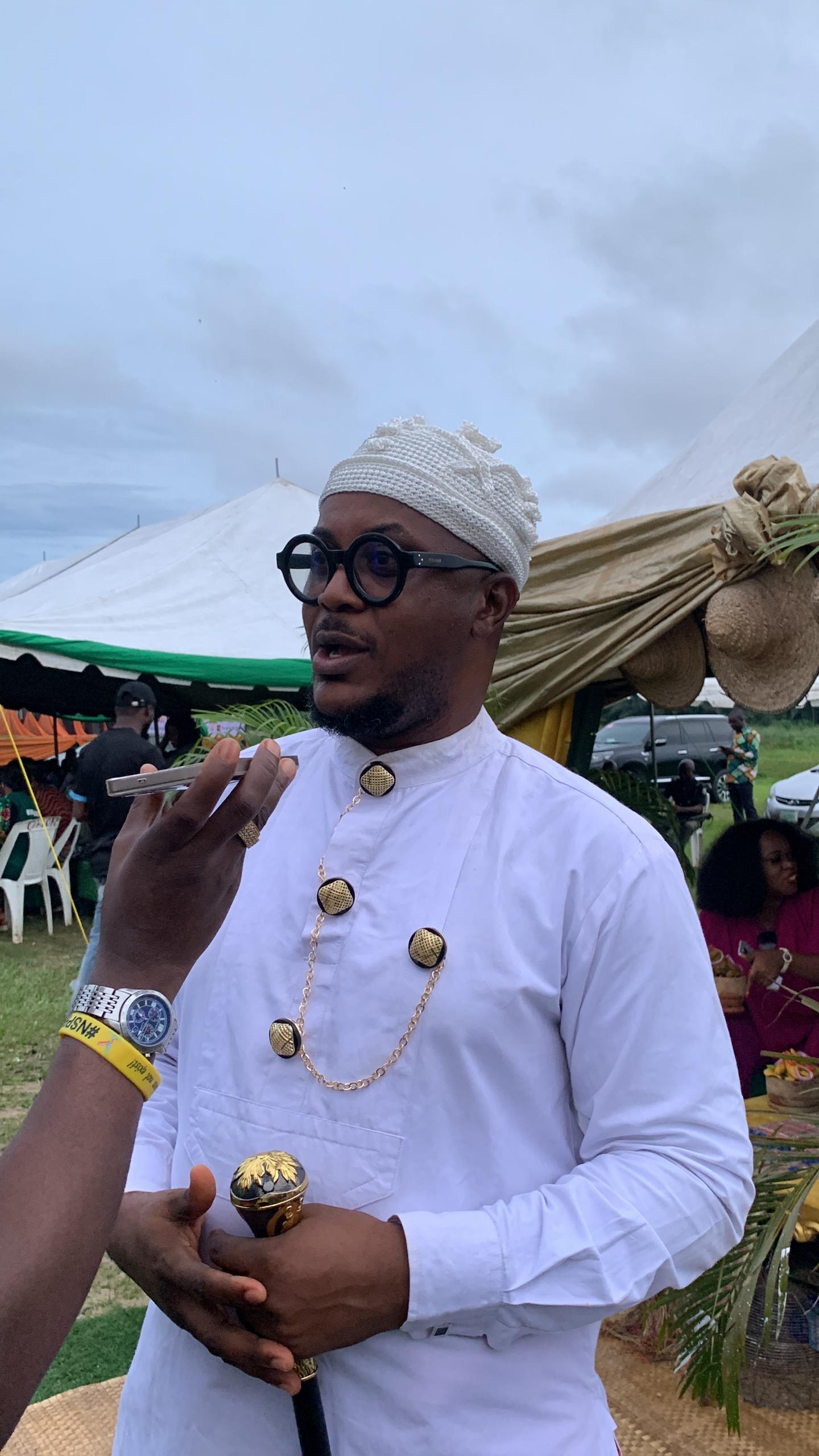
Udofia tied the Uyai Food Festival to the 38th anniversary celebrations, stressing the centrality of food to identity.
“Everybody wants to taste what Akwa Ibom has to offer in terms of culinary, the food… we are known for our food, we are known for culinary, we are known for delicacies. So Akwa Ibom is a food basket,” he said.
To sustain this heritage, he announced a partnership with UNDP to establish a School of Hospitality Management and Culinary Studies in the state.
“We are pushing the narrative that we are the food basket, that we are the best cooks, and that we have the best food in Nigeria,” Udofia added.
Stakeholders agreed that the Uyai Food Festival is not just a cultural showcase, but a strategic intervention to protect heritage, strengthen tourism, empower local entrepreneurs, and position Akwa Ibom on the global cultural map.