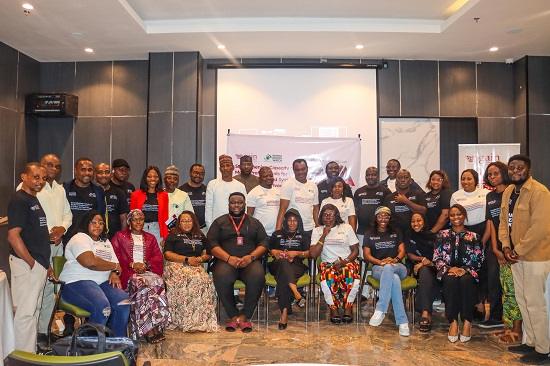
A two-day capacity-building workshop for journalists across Nigeria has ended in Abuja with a call on media professionals to enhance their storytelling skills in nutrition and food systems reporting.
The workshop, organised by the Global Alliance for Improved Nutrition (GAIN) in collaboration with Nigeria Health Watch, urged journalists to combat misinformation, fake news, and unsafe food practices through factual and engaging reporting.
The training, themed “Strengthening the Capacity of Media Professionals for Nutrition and Food Systems Reporting and Advocacy,” was designed to build media capacity to support Nigeria’s food systems transformation and promote citizens’ access to accurate nutrition information.
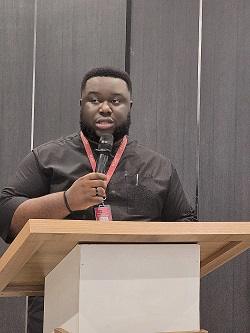
In his closing remarks, Mr Victor Ekeleme, Senior Associate, Communications at GAIN, commended participants’ commitment to truth and professionalism.
Ekeleme said; “The media remains one of the most powerful drivers of change in shaping public discourse and influencing action on nutrition. Our goal is that this training equips you with new perspectives and renewed motivation to approach nutrition differently.”
He urged journalists to infuse data into their storytelling, sustain engagement with policymakers, and approach nutrition reporting with a renewed sense of responsibility.
Facilitators Perspectives
Facilitators at the workshop emphasised that storytelling in nutrition journalism must go beyond statistical data to connect with real people and drive change.
Meanwhile, UNICEF Nutrition Manager, Mr Sumit Khan, reminded participants that figures alone cannot drive understanding or empathy.
He said; “When you just make a story that 40 per cent of children in this country are stunted, it may not give you the real picture. When you go deeper into it, that’s where your role as a journalist begins, going beyond the facts.”
He stressed that “technical terms must be distilled into languages that resonate with everyday Nigerians.
“We use words like ‘stunting,’ which we call height-for-age, but many people don’t know what that means. ‘Wasting’ is weight-for-height for us, but it doesn’t resonate with the layperson. So how do we improve storytelling and engage the audience?”
Khan encouraged reporters to ask not just the traditional questions, but to dig deeper into “why” their stories matter.
“When it comes to food and nutrition, it’s all about the storytelling, bringing more interesting stories that sensitise and advocate to the right people at the right time,” he said.
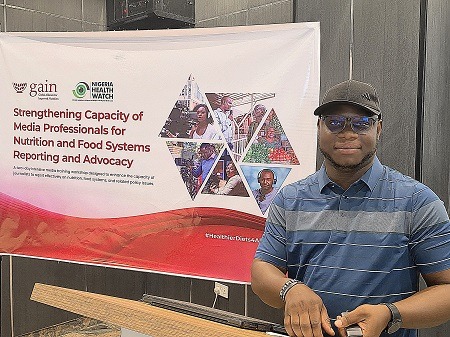
Mr Damilola Ojetunde, a data journalist with the BBC, said that facts, figures, and verifiable sources are central to responsible journalism, especially in the fight against misinformation.
He said; “Data journalism is very important because numbers don’t lie when properly used. It gives context to stories and helps track progress, trends, and policy impact. But you must ensure your data is reliable, verifiable, and accurate.”
He cited the transition from the Millennium Development Goals (MDGs) to the Sustainable Development Goals (SDGs) as a lesson on the need for measurable accountability.
Ojetunde urged reporters to be transparent with their data sources.
“Quote all your sources, even those you think are wrong and let your audience be the judge. You didn’t manufacture the data. Report what you have seen,” he said.
Additionally, Mr Chibuike Alagboso, Director of Media Programmes at Nigeria Health Watch, called for more solution-oriented journalism that reflects what works, not only what fails.
He also urged journalists to elevate the perspectives of everyday Nigerians.
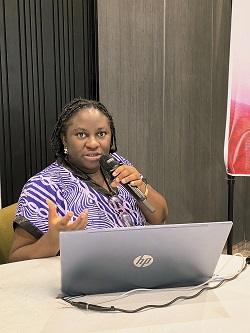
Mrs Habibatu Lawal, Programme Manager, Nigeria Health Watch, described misinformation and fake news as “silent killers” that endanger public health.
She said; “Misinformation has done a lot of harm. We’ve seen people practising behaviours that endanger their health, some fall sick or even die from unverified information circulating online.”
She urged journalists in today’s fast-moving information ecosystem to be more deliberate in verifying claims before publication to rebuild public trust through accuracy and diligence.
Another facilitator, Mr Jamal Yasir Bakare, identified artificial intelligence (AI) as a double-edged sword; a powerful ally but also a potential source of misinformation.
“AI tools are there to assist. Use AI as a tool and not let it take over their job. After the use of the AI, every journalist should try and fact fact-check every information provided by AI to correlate with world global guidelines such as the WHO, FAO and the like,” Bakare said.
He noted that while AI accelerates content production, it must be used responsibly to enhance, not compromise, journalistic credibility.
Journalists Reflect On New Gains
Participants described the workshop as transformative, expanding their understanding of nutrition and equipping them with tools for impactful reporting.
Daniel Eshiet of The Nation Newspaper said: “We now understand nutrition in a better way. I think we’re now equipped to enlighten the public on what it takes to feed their families, even with scarce resources.”
Bassey Ikpang of NTA said;“Training journalists on how best to report nutrition is the best thing that can happen to this country…People in rural areas need to know what balanced feeding means, even if they have little.”
Sifon Essien of TVC News said: “I’ve gained a lot, especially in understanding how to emphasise facts over fallacies,” while Josephine Okoji of Business Day stated: “…this programme offers insight into why we must treat nutrition as a matter of urgency.”
Hajara Abdullahi of Eagle Radio, Bauchi Stateshared: “Before now, I never had an interest in health reporting. But this training has inspired me. I already have a nutrition story in mind for Bauchi State.”
Salem Akindele Rock, Radio Nigeria added: “We’ve learned about new technologies, tools, and applications that will make our reporting faster and better. This will truly enhance coverage of nutrition issues.”
Aligning with National Efforts
The training, which featured field trips, aligns with Nigeria’s National Food Systems Transformation Pathway and the work of the National Food Safety Management Committee, which promotes food quality, nutrition education, and safe consumption practices.
Journalists who participated in the Abuja workshop are returning to their newsrooms with renewed commitment to go beyond the statistics, source and cite data responsibly, elevate local voices, and tell the truth that nourishes in their future reports.