
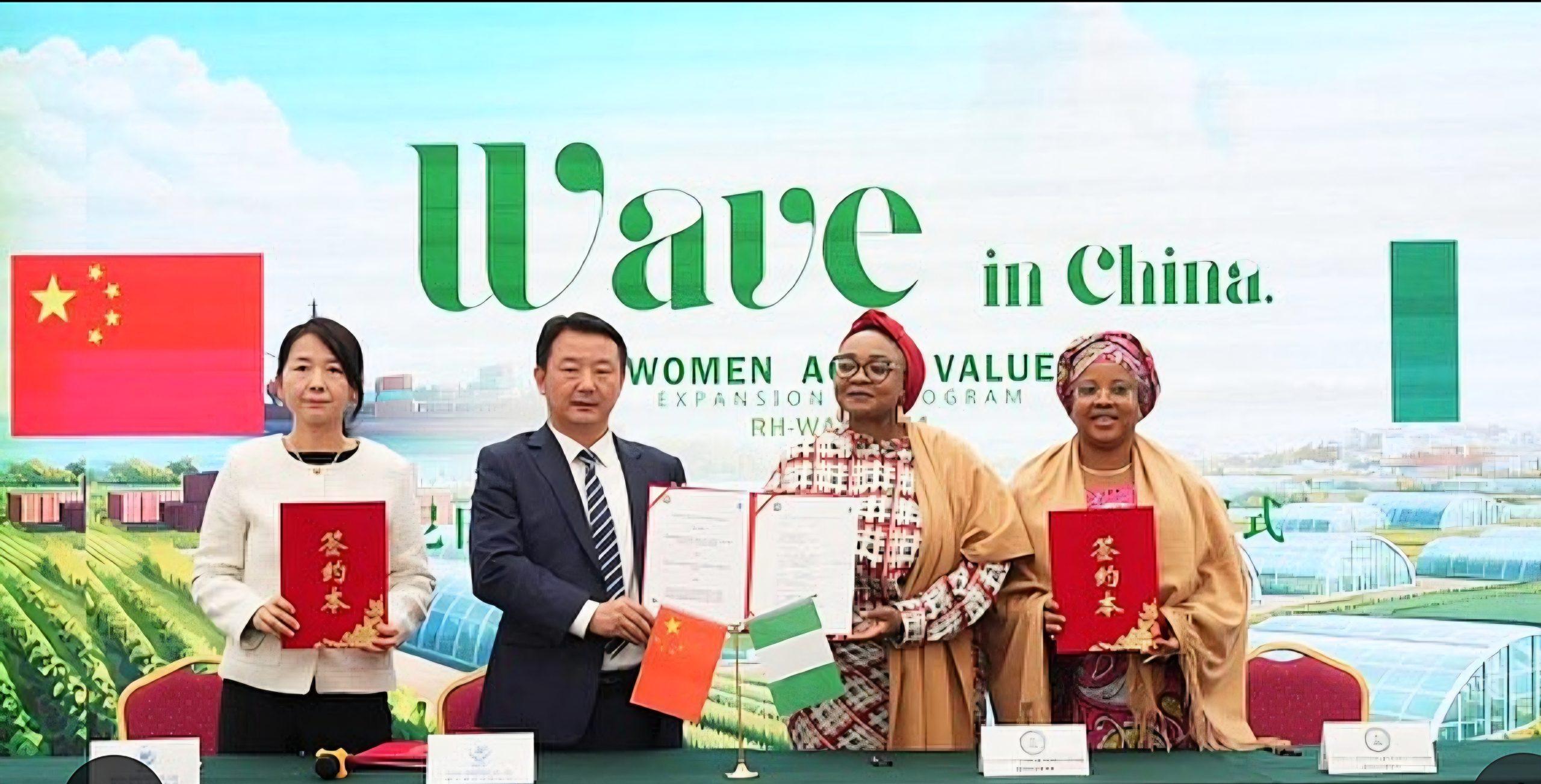
Nigeria’s Minister of Women Affairs and Social Development, Hajiya Imaan Sulaiman-Ibrahim, has initiated high-level strategic engagements aimed at strengthening Nigeria–China cooperation and advancing shared goals in women’s economic empowerment, agricultural innovation, and social protection.
The engagements took place on the sidelines of the Beijing+30 Global Women’s Summit, where the Minister reaffirmed Nigeria’s commitment to deepening bilateral ties with China through gender-focused development initiatives.
During a courtesy visit to the Deputy Governor of Jilin Province, Mrs. Yang Andi, Sulaiman-Ibrahim highlighted the economic potential of the partnership.
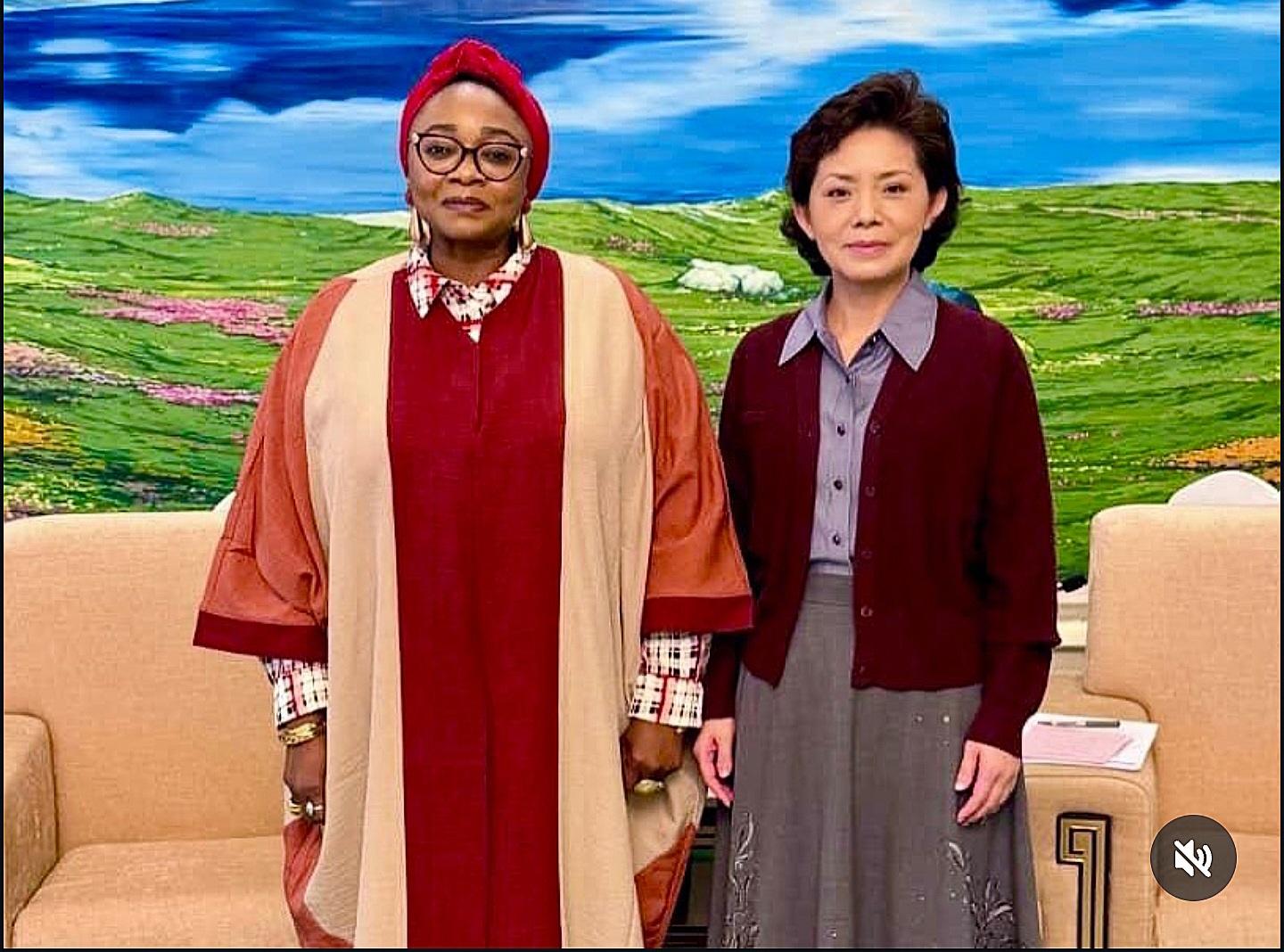
“Our discussion confirms an existing trade volume of 150 million USD between Jilin and Nigeria, a potent foundation we are ready to scale,” Sulaiman-Ibrahim said.
“The presence of a woman like Her Excellency Mrs. Yang Andi in a powerful provincial leadership position is a compelling testament to the vital role women play in high-level global governance,” she added.
The Minister described the engagement as “a monumental step for Nigerian women in agriculture and social development.”
He noted that under President Bola Ahmed Tinubu’s Renewed Hope Agenda, the collaboration will leverage Jilin’s expertise in agriculture, technology, and industry to power the Renewed Hope Social Impact Interventions (RH-SII).
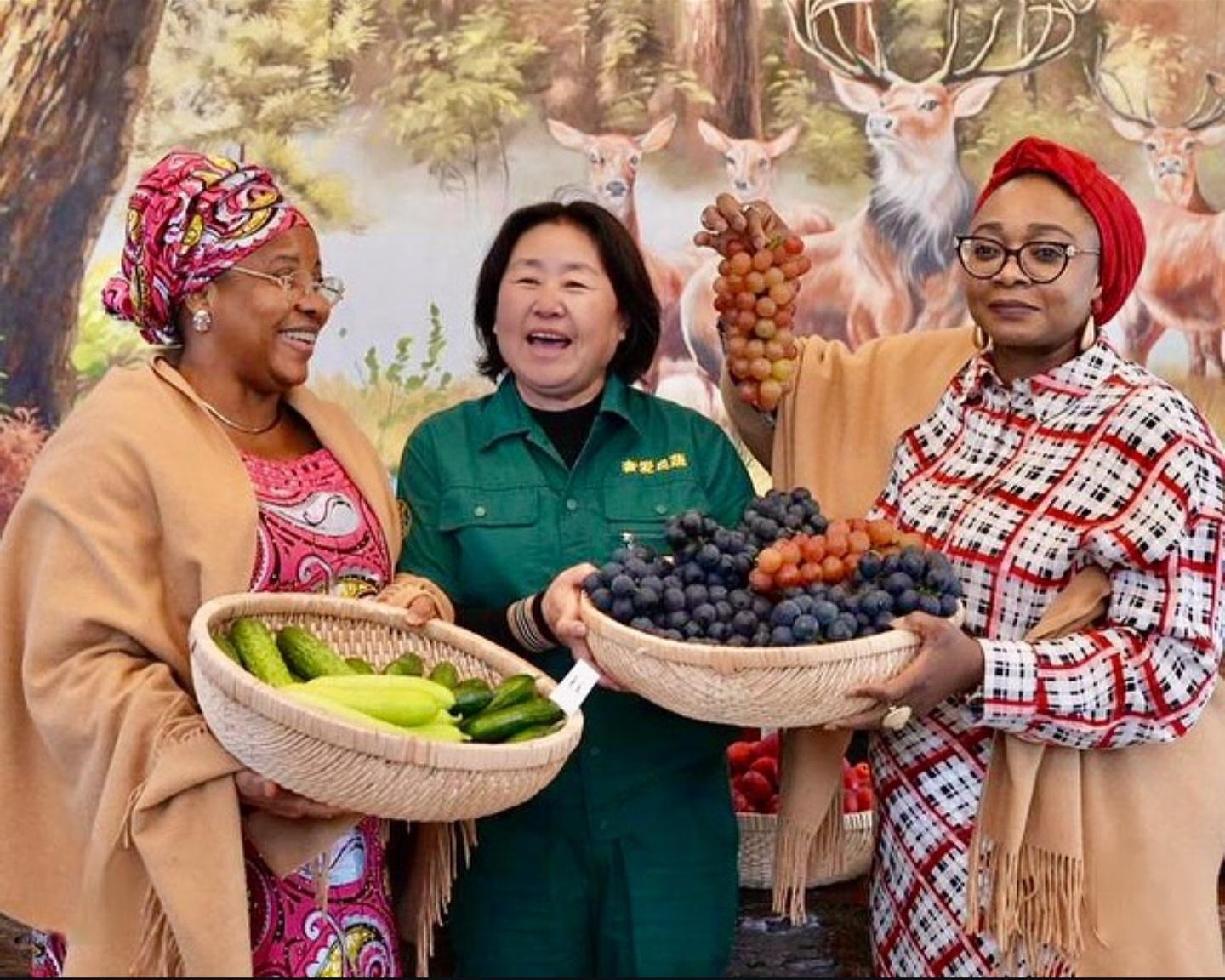
“This partnership is smart economics. By activating this partnership, we are set to empower 10 million Nigerian women as economic catalysts, dramatically boosting local impact and moving Nigeria closer to its $1 trillion economy goal by 2030,” she said.
At the core of this initiative is the WAVE Model (Women’s Advancement through Value creation and Empowerment.)
The Minister described as “our roadmap for women’s advancement through value creation and empowerment… helping women earn more, build wealth, and become successful agripreneurs who feed the nation.”
Recognizing that 70 percent of Nigeria’s smallholder farmers are women, the Minister stressed that most face challenges such as limited access to finance, modern tools, and training.
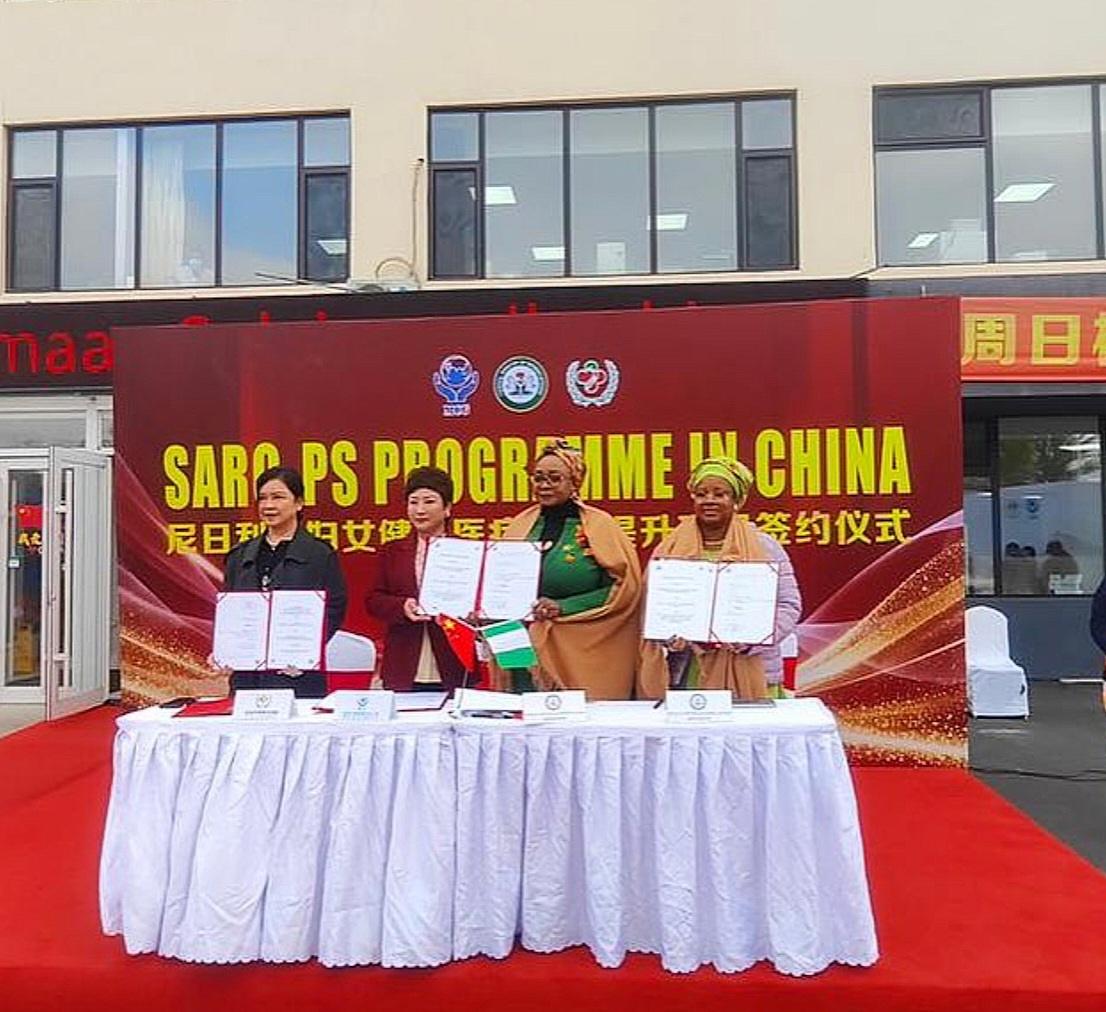
To tackle these issues, Nigeria signed a landmark Memorandum of Understanding (MoU) with the Mutual Commitment Group (MCG), a Chinese global business entity focused on inclusive and sustainable infrastructure development.
“This strategic alliance will deliver the vital equipment, training, and resources Nigerian women need to thrive in agriculture,” she stated.
Sulaiman-Ibrahim also commended the Chairman of the House of Representatives Committee on Women Affairs, Hon. Kafilat Ogbara, who witnessed the signing, for her “dedication to advancing Nigerian women.”
Dialogue
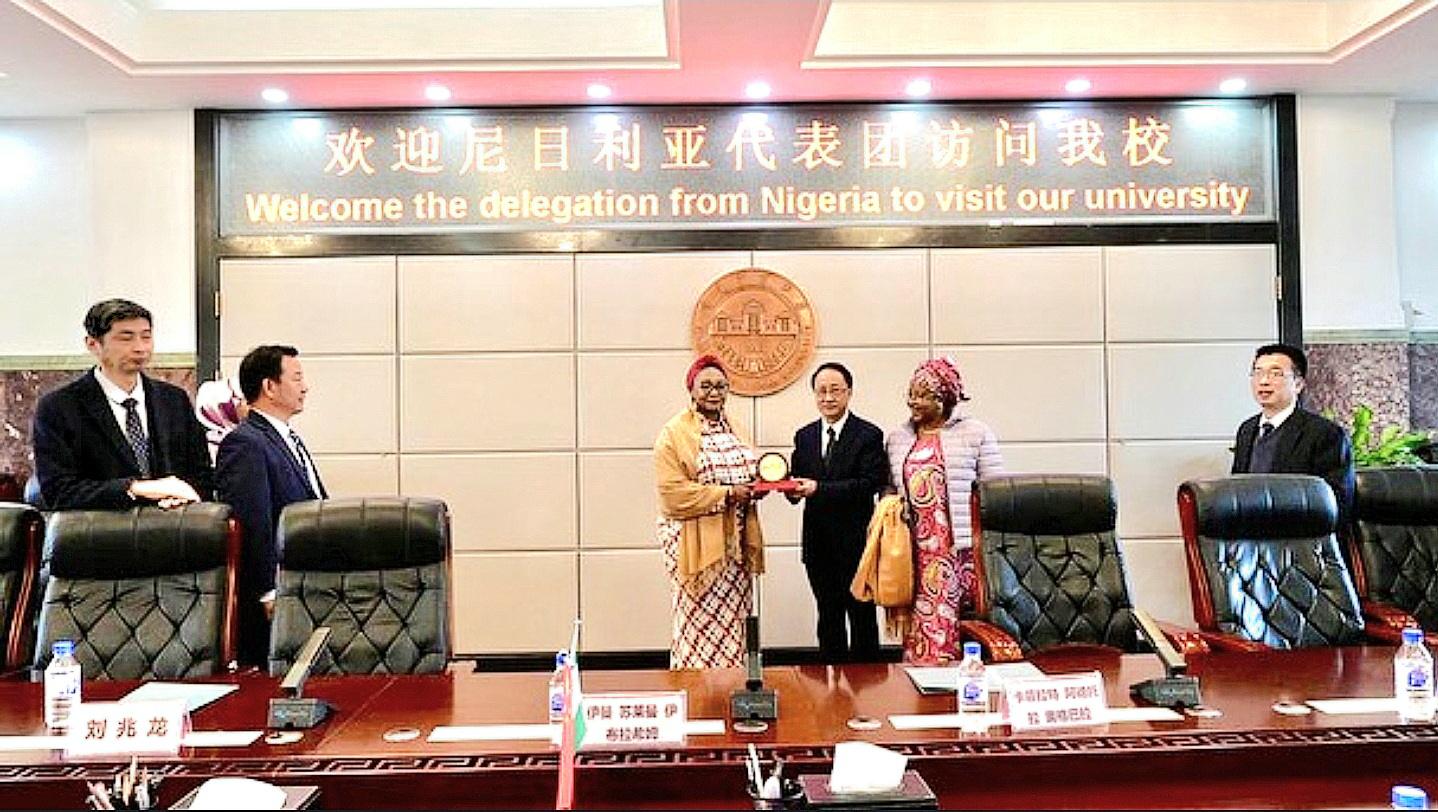
The Minister led “a rich and insightful dialogue on agricultural science and education cooperation” at Jilin Agricultural University, alongside representatives of the Mutual Commitment Group and the university’s leadership.
The trilateral meeting explored sustainable ways to strengthen Nigeria–China collaboration in human capacity development, technology transfer, and food security.
Jilin University shared success stories from its “Science and Technology Yard” model in Zambia — a system that integrates agricultural innovation with education.
“We explored sustainable ways to strengthen Nigeria–China agricultural collaboration, with a shared vision to build human capacity, transfer technology, and enhance food security,” the Minister said.
She announced the joint proposal for the Four-Floor Agenda for Women to support training, research, and industrial chain innovation in agriculture.
She said; “We jointly proposed adopting the Four-Floor Agenda for Women.
“It supports skill development, research collaboration, and industrial chain innovation in agriculture.”
In Changchun, Jilin, the Nigerian delegation visited the Dikeng Medical Centre, where they witnessed what the Minister described as the “power of their community-first approach and holistic care.”
“This confirmed our vision that community-centric care is the key to national wellbeing,” she said.
An additional MoU was formalised with the Mutual Commitment Company to establish a robust network of Safe Spaces and Referral Services across Nigeria’s 774 Local Government Areas, alongside Mega Modern SARC Centres in each of the six geopolitical zones.
“Safeguarding the health and wellbeing of women and children is our absolute priority,” the Minister said.
“This is a deep-rooted investment in the future health and security of our nation.”
She further stated: “We are providing technical support and resources for communities across all 774 Local Government Areas to establish vital local Safe Spaces and Referral Services. Access to help will be universal.”
Sulaiman-Ibrahim said that the Ministry will deploy state-of-the-art Mega Modern SARC Centres across the six geopolitical zones, describing it as “a deep-rooted investment in the future health and security of our nation. The work begins now.”
The Minister reiterated that all initiatives launched in Jilin align with President Bola Ahmed Tinubu’s Renewed Hope Agenda, which seeks to empower 10 million women across Nigeria’s agricultural and social value chains.
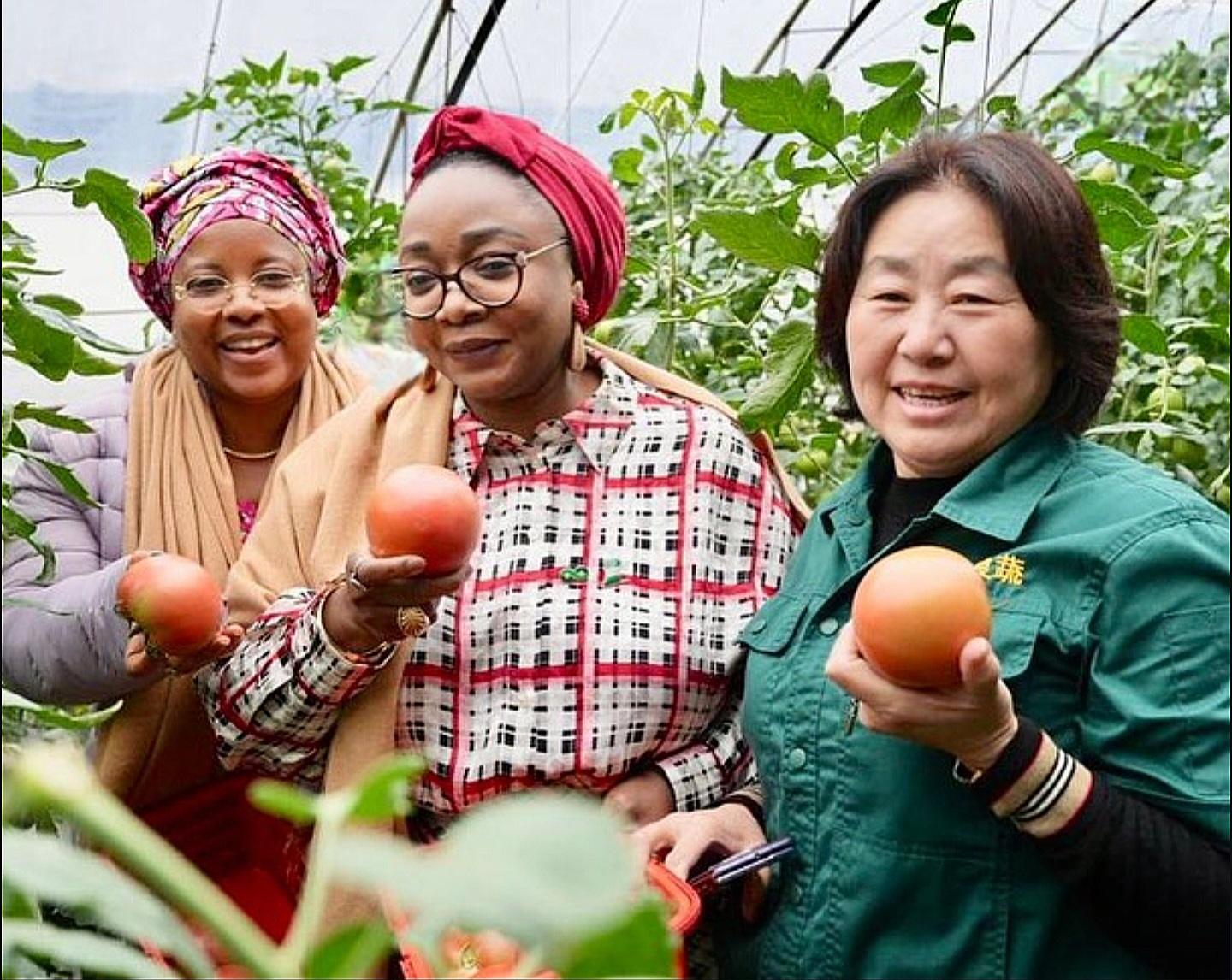
“Through partnerships like this, we are enabling women’s agency as drivers of economic transformation,” she said.
From technology exchange to safe spaces and agripreneurship, Sulaiman-Ibrahim emphasised that global partnerships and local impact remain central to achieving inclusive development.
“From experiencing healing in China to enabling national healing in Nigeria — the work begins now,” she said.
By forging cross-sectoral partnerships and leveraging global expertise, Nigeria is ensuring that women stand not at the margins of prosperity but at the centre of national progress.
Through these China collaborations, the Renewed Hope Agenda is being translated from policy into practice — empowering women to drive economic resilience, food security, and social stability in every local government area across Nigeria.
Victoria Ibanga

