
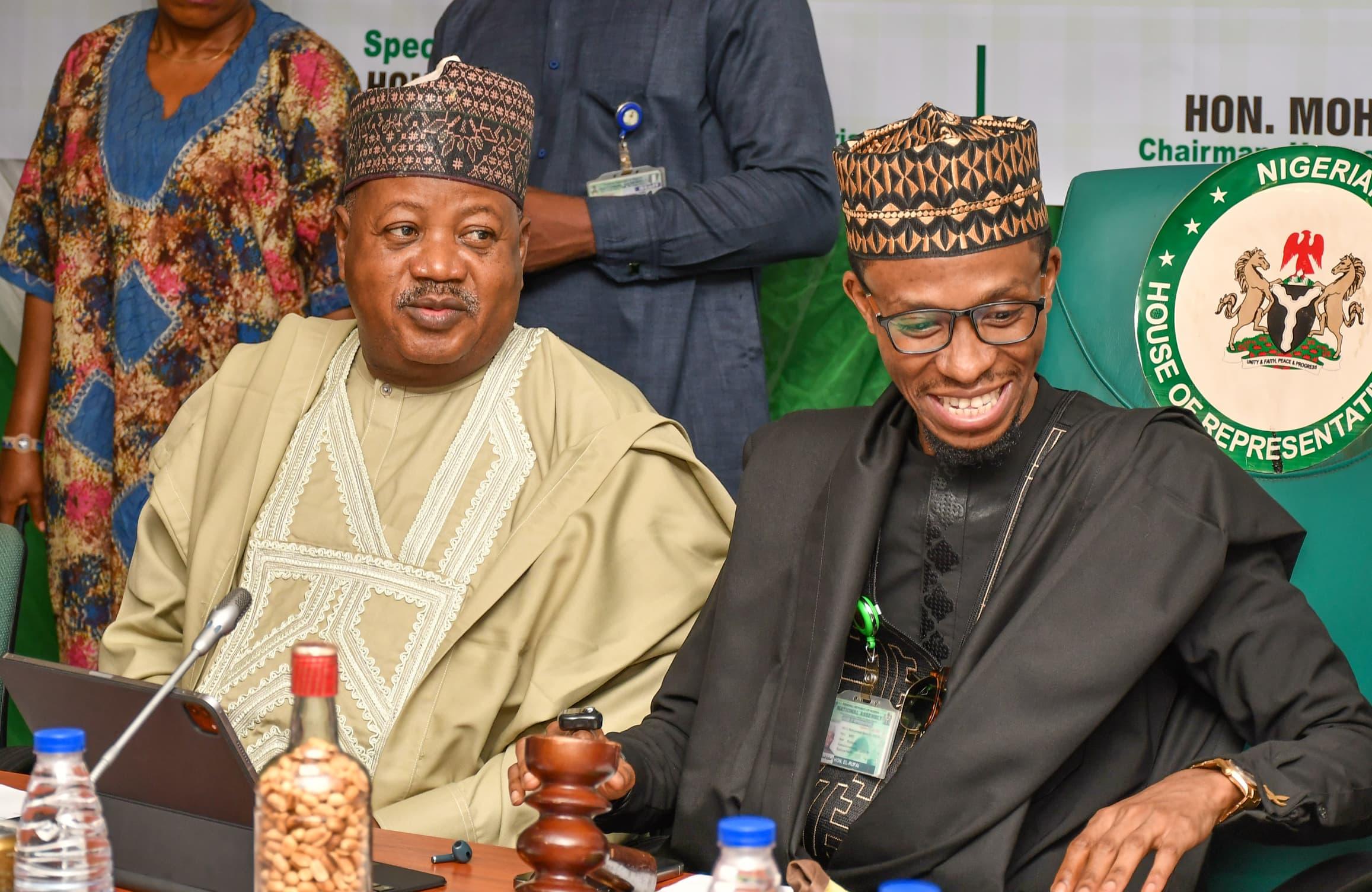
The House Committee on Banking Regulations has conducted a public hearing on two significant bills aimed at strengthening Nigeria’s financial system and protecting consumers.
The first is a bill to regulate factoring, purchase of receivables, and the establishment, operation, and control of factoring and receivables financing businesses (HB. 516), and
The second: a bill to amend the Banks and Other Financial Institutions Act (BOFIA) 2020, focusing on protecting victims of fraudulent withdrawals from accounts (HB. 1160).
The Chairman of the House Committee on Banking Regulations, Mr. Mohammed Bello El-Rufai, said the two important bills reflect the Committee’s continued commitment to strengthening Nigeria’s banking and financial system.
He said that the first bill, a Bill to regulate factoring, the purchase of receivables, and the establishment, operation, and control of factoring and receivables financing businesses (HB. 516), seeks to deepen access to finance for small and medium enterprises, promote liquidity, and align Nigeria’s legal framework with international best practices in trade finance.

He also stated that the second bill is a Bill to amend the Banks and Other Financial Institutions Act (BOFIA) 2020 (HB. 1168), sponsored by Mr. Moses Oluwatoyin Fayinka.
“It is a proposal that focuses on protecting victims of fraudulent withdrawals from their accounts and ensuring accountability within the financial system. Both Bills share a common goal: enhancing trust, transparency, and stability in our banking and financial ecosystem,” Mr. El-Rufai said.
He pointed out that he looked forward to constructive inputs from all stakeholders as the Committee works towards legislation that is effective, fair, and responsive to the realities of the economy.
“ Together, we can deliver reforms that strengthen confidence and protect every participant in Nigeria’s financial system,” he added.
In his remarks, the Governor of Kaduna State, His Excellency, Senator Uba Sani, said that he holds one of the Bills close to his heart.
“ During my time in the 9th Senate, as Chairman of the Senate Committee on Banking, Insurance and Other Financial Institutions, I sponsored the Factoring, Assignments and Receivables Financing Bill (SB.667) with the goal of establishing a clear legal and regulatory framework for factoring and receivables financing in Nigeria.
“Our intention then, and the purpose that continues today, was to empower businesses to convert their invoices and receivables into immediate liquidity,” Senator Sani said.

He noted that many Nigerian enterprises deliver goods and services on credit but are forced to wait months before being paid.
“ Factoring provides a practical solution by enabling them to raise cash against those receivables, sustain their operations, meet payroll, and expand production.
“Around the world, factoring has become a critical engine for trade finance and SME growth. In emerging markets, it accounts for billions of dollars annually in financing, improving cash flow, reducing defaults, and supporting export competitiveness.
“With the right legal backing, Nigeria can unlock similar benefits, attract investors into the factoring space, and strengthen our financial infrastructure.
“However, this must be done with balance, ensuring transparency, protecting SMEs from predatory practices, and aligning the law with existing frameworks such as the Secured Transactions in Movable Assets Act, the Companies and Allied Matters Act, and CBN regulations,” he said.
The Governor commended the Speaker of the House of Representatives, Mr. Tajudeen Abbas, for his visionary leadership and steadfast commitment to economic reforms.
“ Under his watch, the House has demonstrated consistency in promoting legislations that directly impact the productivity and competitiveness of our economy,” he said.
He added that “ This hearing is a crucial step toward bridging the financing gap for Nigerian businesses and strengthening our economy from the ground up. I am confident that the insights shared here today will guide us toward a law that truly delivers results.”
Stakeholders from the banking sector and other financial institutions made contributions to the bills.

