
By Salihu Ali, Kano
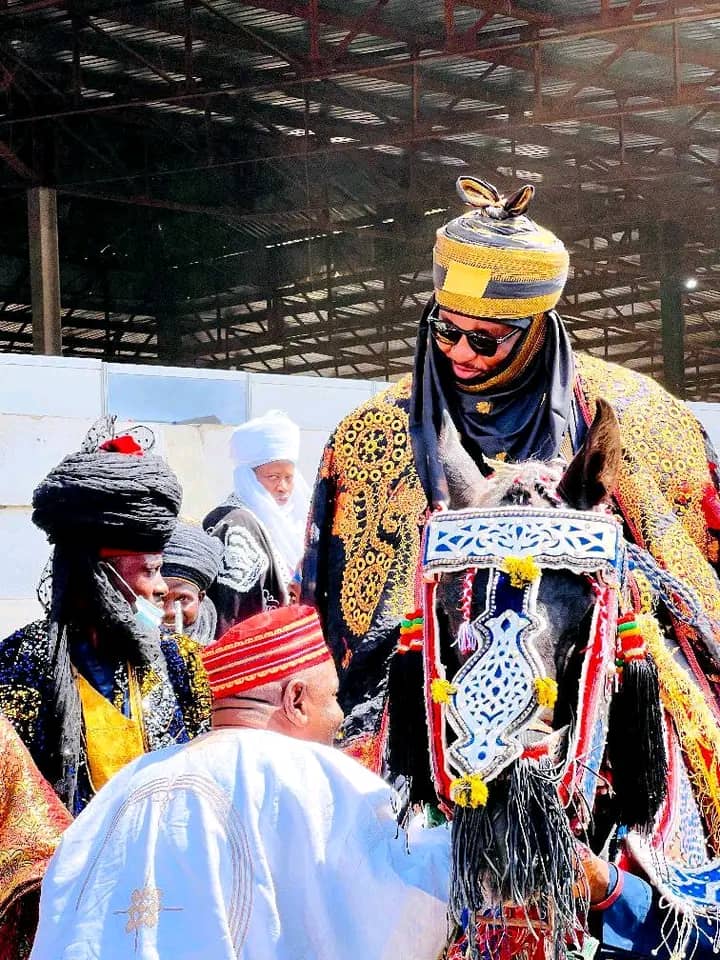
The Revived edition of Kano Festival of Arts and Culture KANFEST, a grand festival of arts and culture has kicked off in Kano City North West Nigeria.
Kano state Governor Abba Kabir Yusuf while flagging off the three day event, reiterated his administration’s commitment to reviving and repositioning the state’s culture and tourism sector not merely as a matter of prestige, but as a means of restoring the dignity of the people, strengthening identity, and creating economic opportunities through cultural enterprise.
Highlighting Kano’s global cultural significance, the governor expressed pride in UNESCO’s recognition of the famous Kano Durbar (Hawan Daba) as part of the world’s intangible cultural heritage.
To celebrate this milestone, the Governor signed an executive order mandating all four Kano emirates Kano, Rano, Gaya, and Karaye to hold annual Durbar festivals.
Governor Yusuf reaffirmed that the state government, alongside all 44 local councils, will continue to support cultural initiatives that promote peace, unity, youth empowerment, and economic diversification.
“As we launch the first edition of KanFest, let it remind us that arts, culture, and tourism are not only our heritage but vital tools for social cohesion and development,” the governor said. “Together, by the grace of Allah, we shall make Kano once again the cultural heartbeat of Nigeria and the pride of the African race.”
He noted that, his administration has embarked on several key projects aimed at restoring Kano’s lost glory and preserving its enduring heritage.
He announced the near completion of the long-abandoned Ministry of Culture and Tourism complex, symbolizing his administration’s respect for continuity, accountability, and institutional growth.
Read Also: Kano Cultural Festival Takes Centre Stage
Governor Yusuf also disclosed that the History and Culture Bureau is undergoing comprehensive remodeling to become a world-class center for research, documentation, and cultural preservation.
According to him, several historical monuments are being restored, including the Gidan Dan Hausa the first Western school in Northern Nigeria as well as the Gidan Makama Museum and other colonial-era structures.
These projects, he said, will not only attract researchers and tourists from across the world but also serve as a reminder of Kano’s remarkable past.
The governor further revealed ongoing efforts to modernize Majema, the colonial-era tannery that has long been the foundation of Kano’s leather industry.
The initiative, he said, will empower local artisans and enhance the global competitiveness of Kano’s leather products.
Restoring Badala Kano’s historic city walls
In addition, Governor Yusuf announced plans to reclaim and restore the ancient Badala Kano’s historic city walls and gates which date back over 700 years.
He described the project as a symbol of unity, resilience, and civilization, emphasizing the need to blend traditional craftsmanship with modern innovation.
The Emir of Kano Muhammadu Sanusi Lamido lauded Governor Abba Kabir Yusuf for the revival of the cultural festival showcasing the rich heritage of the people
Rwandan Ambassador to Nigeria Mr. Christophe Bazivamo who spoke on behalf of his colleagues highlighted that, Africa’s culture and traditions are a very strong and very important foundation of whatever “we can achieve if we want to sustain.’
“Africa has had a very strong history. Africa has played a big role in our history, but slowly Africa has lost its scars. But coming back on our tradition, coming back on our belief that culture, tradition are a very, very important foundation of unity, foundation of dignity, foundation of resilience, we really are building something strong for our future generation.”

