The Nigerian government has announced plans to develop a comprehensive framework to offset the ₦4 trillion owed to Generation Companies (GenCos) and to prevent future debt accumulation within the electricity value chain.
This move underscores the administration’s determination to enhance the financial viability and operational efficiency of Nigeria’s power industry — a sector that has long grappled with liquidity and infrastructural challenges.
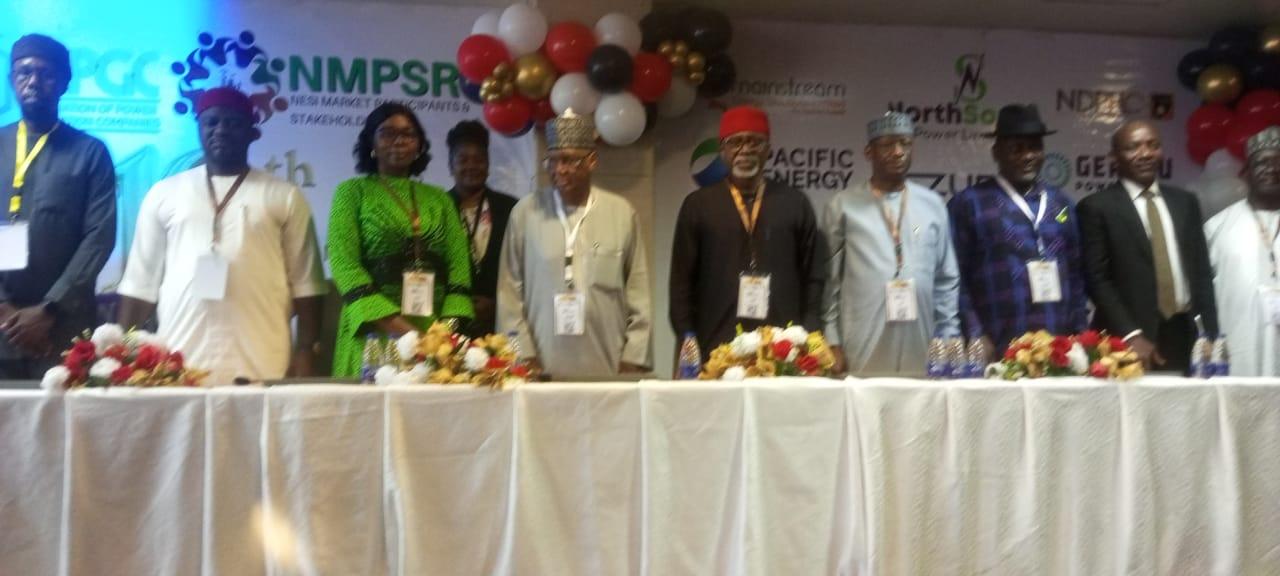
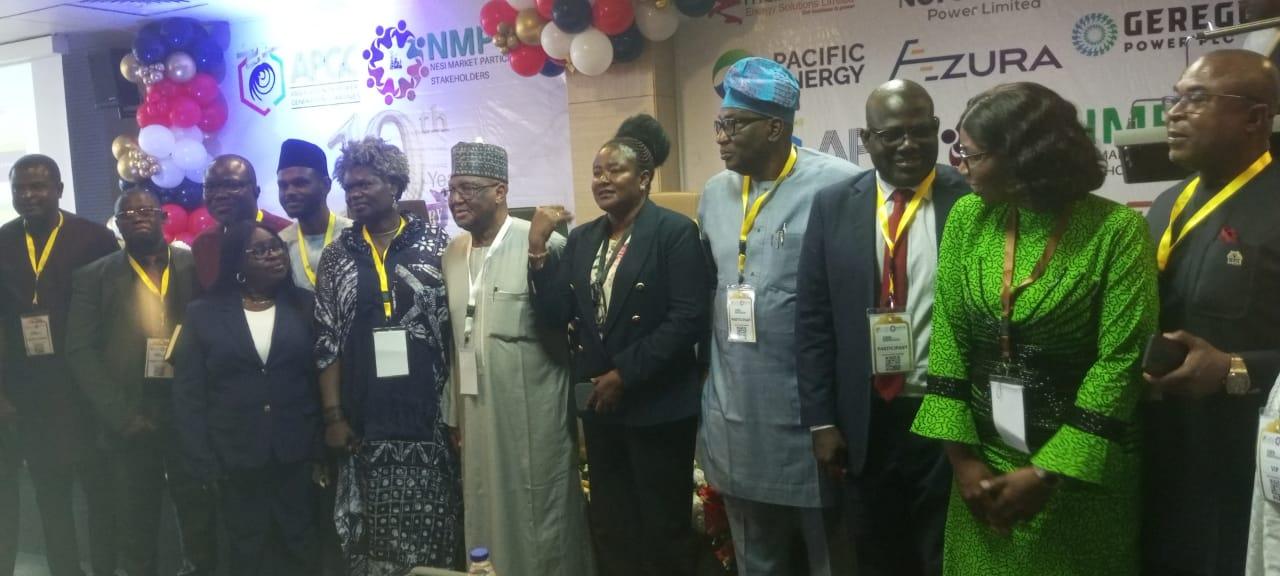
Speaking at the opening ceremony of the 10th Anniversary Celebration of the Association of Power Generation Companies (APGC) in Abuja, the Permanent Secretary, Ministry of Power, Mahmuda Mamman, said that President Tinubu had approved the constitution of a high-level committee specifically mandated to address the payment of outstanding obligations to Power Generation Companies, also known as GenCos.
Represented by Evangeline Babalola, the Director of Planning, Research, and Statistics at the Ministry, Mamman said the committee would develop a structured framework for clearing the debts and establishing sustainable payment mechanisms to prevent recurrence.
“His Excellency, President Bola Ahmed Tinubu, in his characteristic responsive leadership style, is fully aware of the debt burden on Generation Companies and is taking decisive steps to resolve it,” he said.
According to him, the framework being developed will institutionalise accountability, transparency, and financial discipline across the power sector.
He added that the committee will engage all relevant stakeholders — including the Nigerian Electricity Regulatory Commission (NERC), Nigerian Bulk Electricity Trading Company (NBET), Transmission Company of Nigeria (TCN), and Distribution Companies (DisCos) — to ensure holistic and lasting solutions to the sector’s liquidity challenges.
GenCos’ Role in National Growth
Mr Mamman commended the APGC for a decade of dedication and innovation, describing the milestone as “not just a celebration of institutional existence, but a decade of transformative impact and patriotic service.”
He noted that despite challenges such as gas supply constraints, infrastructure deficits, and liquidity issues, the GenCos had remained steadfast in powering Nigeria’s development.
The Permanent Secretary further highlighted the socio-economic contributions of GenCos — including job creation, technical capacity development, and local economic stimulation — affirming the government’s appreciation of their resilience and partnership.
“The transformation of Nigeria’s energy sector cannot be achieved without healthy and sustainable GenCos. Government counts on your partnership and innovation to drive this transformation,” he added.
APGC’s Industry Leadership
In his goodwill message, Senator Enyinnaya Abaribe, Chairman of the Senate Committee on Power, congratulated the APGC for a decade of steadfast advocacy and leadership within the industry.
“The Association of Power Generation Companies has distinguished itself as the unified and authoritative voice of Generation Companies in Nigeria,” he said.
The senator emphasised that as Nigeria pursues its goals of energy access, economic diversification, and industrial growth, the contribution of Generation Companies and their representative body will remain vital.
He called for continued innovation, investment, and stakeholder collaboration to achieve reliable, affordable, and sustainable electricity supply nationwide.
Read Also: Nigeria Leads Regional Progress with FATF Grey List Exit
Patience and Strategic Investment
Delivering the keynote address, the Managing Director of the Nigerian Independent System Operator (NISO), Abdullahi Mohammed, said: “The creation of APGC in 2014 provided the newly privatised generation companies with a unified and credible institutional framework to engage constructively with sector stakeholders and contribute technical insights to policy and market development,” Mohammed stated.
He reaffirmed NISO’s readiness to collaborate with other key stakeholders to enhance grid reliability and operational efficiency.
Meanwhile, a former Chairman of the Nigerian Electricity Regulatory Commission (NERC), Dr Sam Amadi, in his paper titled “Policy Patience and Strategic Investment in Power Generation to Solve Nigeria’s Energy Crisis,” called for renewed focus on strengthening Nigeria’s generation capacity and urged policymakers to maintain consistency in ongoing reforms.
Amadi reflected on the nation’s power privatisation journey, acknowledging that while progress has been made since the 2013 reforms, the sector remains encumbered by liquidity constraints, inadequate infrastructure, and weak coordination among key actors.
“We still don’t have reliable and adequate electricity, but that doesn’t mean there has been no progress,” he said. “It only means the progress has not been overwhelming enough to overcome all the difficulties.”
He stressed that the power sector’s liquidity crisis remains its most critical challenge, arguing that without decisive intervention, the electricity market will remain financially unsustainable.
Amadi proposed a properly structured temporary government bailout to stabilise the sector, enabling operators to reinvest in capacity expansion and drive long-term sustainability.
He also urged policymakers to avoid the constant reinvention of reforms, advocating instead for policy continuity.
APGC Reflects on a Decade of Impact
The APGC’s 10th Anniversary was themed A Decade of Powering Progress: Driving Nigeria’s Energy Transformation.
In her welcome address, Dr Joy Ogaji, Managing Director of the APGC, reflected on the association’s formation in 2014 amid uncertainties following Nigeria’s power sector privatisation.
“APGC was established not only as a voice but as a bridge and conscience for Nigeria’s power generation industry,” she said.
“From those humble beginnings, we have grown into a respected, results-driven association that advocates, educates, and unites Generation Companies under a common purpose — to power Nigeria’s future sustainably and responsibly.”
Dr Ogaji outlined APGC’s contributions to improving market liquidity, strengthening regulatory dialogue, enhancing collaboration with gas suppliers and market operators, and promoting investor protection and best practices across the Nigerian Electricity Supply Industry (NESI).
Since its establishment in 2015, the APGC — the umbrella body representing Nigeria’s privately owned and government-linked power generation companies — has been instrumental in advocating policy reforms, driving industry collaboration, and supporting Nigeria’s transition toward a more sustainable and reliable energy future.