Salamatu Ejembi, Lagos
For Nigeria to achieve sustained prosperity and economic stability, it must prioritise affordable, reliable, and accessible energy.
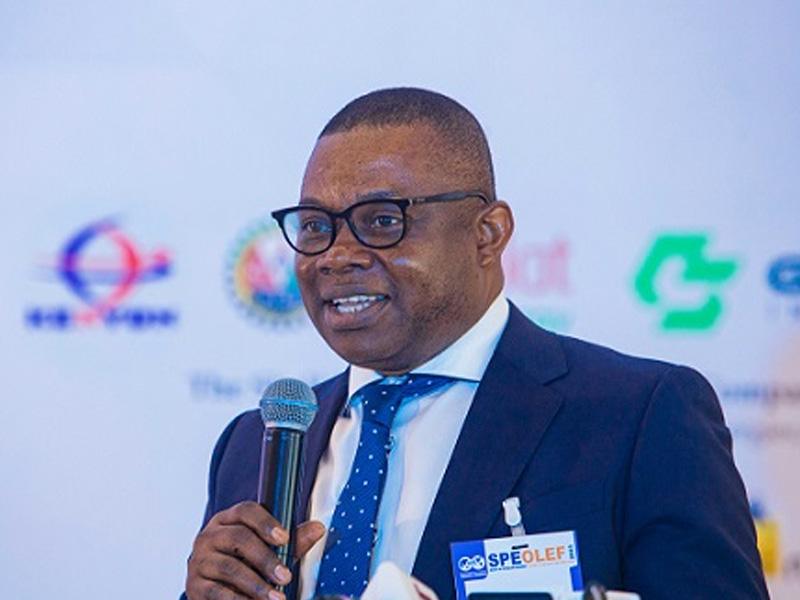
This was the central message delivered by Seplat Energy’s Chief Operating Officer, Samson Ezugworie, at the 43rd Annual International Conference and Exhibition of the Nigerian Association of Petroleum Explorationists (NAPE) in Lagos, where he underscored the critical importance of energy sufficiency as a cornerstone of national development.
“The imperative before us is clear. We must build a prosperous Nigeria, and we can only do that with affordable and reliable energy that is accessible to all,” he stated.
Ezugworie noted that insufficient energy supply would severely hinder efforts to create the 100 million new jobs and mass-scale industrialisation needed to sustain a rapidly growing population.
“Currently, over 70 million Nigerians lack access to electricity, and more than 170 million rely on polluting biomass for cooking. With the population expected to reach 237 million by 2030 and 400 million by 2050, this situation is unsustainable,” he warned.
To overcome these challenges, he said Nigeria must ramp up oil production, not only to increase national revenues and meet budgetary needs, but also to drive GDP growth and reinforce the country’s position as Africa’s leading economy.
He added, “We must also harness our huge reserves of gas and scale up gas and NGL production to expand domestic energy access, displace polluting imported generators, provide clean cooking for our people, and power our basic industries to support national growth.”
Read Also: Seplat Energy Receives CIPS Procurement Excellence Standard Certificate
According to Ezugworie, the global energy landscape is evolving, and Nigeria is also undergoing a transformation in the ownership and operation of its vast natural resources, as assets shift from well-funded international oil companies (IOCs) to local Nigerian operators.
“It’s a shift that creates new capital dynamics in our need to raise international finance, while at the same time increasing our focus on managing risks and safeguarding our natural environment,” he explained.
He emphasised that while this transition presents challenges, it also offers significant opportunities to deepen local expertise, strengthen partnerships, and build an industry that truly serves national interests.
“With these challenges come opportunities—opportunities to harness and enhance local knowledge, build resilient partnerships with our industry partners and host communities, and, most importantly, build an industry that is owned and managed by Nigerians, for Nigerians,” Ezugworie concluded.