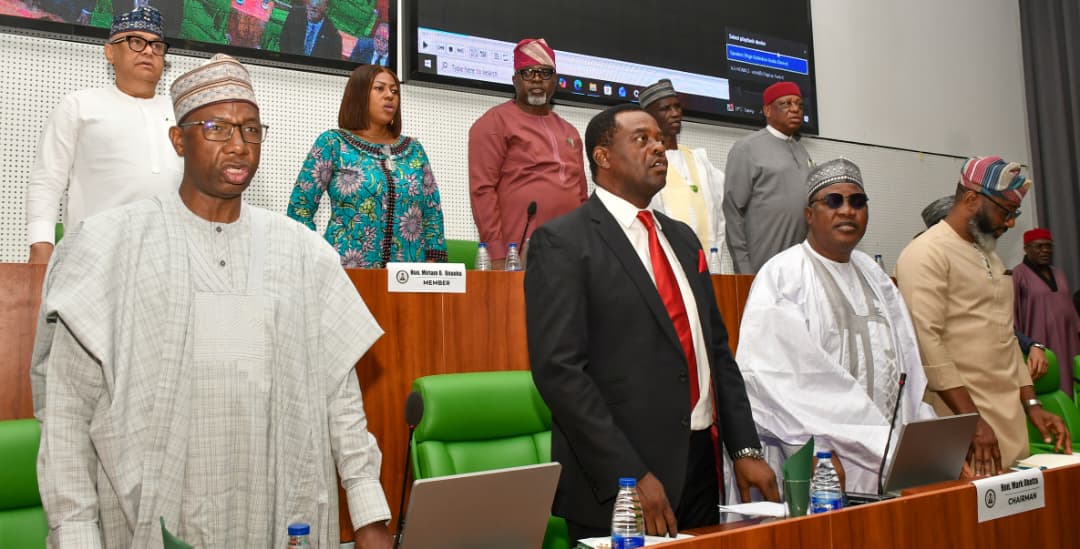
The Speaker of the House of Representatives, Mr. Tajudeen Abbas has said that the National Assembly is considering far-reaching reforms in Nigeria’s healthcare sector.
According to Speaker Abbas, the reforms aim to protect young Nigerians from the dangers of selling their organs for meager sums, often without understanding the severe health consequences.
He made the disclosure at a Public Hearing, organised by the House Committee on Healthcare Services on seven health-related bills at the National Assembly Complex, Abuja.
Represented by the Deputy Chief Whip, Mr. Ibrahim Isiaka, he said; “the proposed laws would address gaps in the medical system, strengthen ethical standards, and ensure uniform regulation across healthcare practices in the country.”
“There is no doubt that the passage of these bills will directly impact the healthcare sector of our economy and save the lives of innocent young people who in desperation sell their organs for pittance, without the benefit of medical advice on the future implications of their actions on their health,” Abbas said.
The Speaker commended the Chairman of the Committee, Amos Gwamna Magaji, and members for their diligence.
He said; “the bills were part of efforts to build a more accountable and ethically compliant healthcare system in line with the 10th House’s Legislative Agenda.”
The bills under consideration include one seeking to establish a regulatory body for organ harvesting, transplantation, and donations; another to create the Nigeria Surrogacy Regulatory Commission for the monitoring and supervision of surrogacy arrangements; and a bill to amend the National Health Act of 2014 to provide for a National Quality Accreditation Commission and a Federal Tertiary Health Institutions Commission.
Others are a bill to establish the Chartered Institute of Medical Dialysis Studies; a bill to amend the National Primary Healthcare Development Agency Act to improve efficiency; a bill to provide for the retirement age of health workers; and another to amend the National Health Act to prohibit and penalise organ trafficking.
Speaker Abbas described the proposed laws as critical to improving professionalism, curbing unethical medical practices, and standardising procedures across Nigeria’s health institutions.

“In sum, we are here today to formalise those unregulated or loosely governed areas of medical practice in Nigeria that continue to mitigate against our wellbeing,” he said.
The Speaker said; “the House was determined to close gaps in medical regulation, especially in sensitive areas like organ transplantation and surrogacy, which have so far operated with limited oversight.”
“It is important to establish ethical frameworks for organ donation and transplantation.
“It is important to provide legal clarity for surrogacy arrangements, especially as it pertains to the commercial aspect of this sensitive venture,” he said.
Speaker Abbas also noted that the proposed laws would build capacity in dialysis services, enhance primary healthcare delivery, and address the country’s health workforce crisis, worsened by the emigration of professionals abroad.
He said; “the new laws would help Nigeria reduce its dependence on foreign medical care and plug the estimated $2 billion spent annually on medical tourism.”
“Money that could easily be saved or ploughed into the economy if we can develop a more resilient, more responsive health sector,” the Speaker said.
Speaker Abbas explained that standardising healthcare practices and tightening regulations would not only reduce illegal activities such as organ trafficking but also save lives and boost productivity.
“By filling existing weaknesses in the sector, from lax regulations to poor standardisation and eroding professionalism, these bills have the potential to reduce crime, save lives, and improve productivity while also strengthening the economy,” the Speaker said.
He emphasised that the public hearing demonstrated the House’s commitment to participatory democracy and inclusive lawmaking, urging stakeholders to contribute meaningfully to the process.
“It is my expectation that you will give these discussions your best attention by deliberating freely and patriotically to enable us create the necessary framework that will promote best practices in healthcare delivery systems of our dear country,” he said.
Speaker Abbas maintained that the reforms would ensure better oversight, protect public health, and align the country’s healthcare system with global standards.
He said; “Collectively, these bills signal a major push for a more structured, more accountable and ethically compliant healthcare system in Nigeria.
“They will effectively close the existing gaps in the administration of healthcare, and combat illegal practices that have been enabled by weak regulatory frameworks.”
Speaker Abbas added that strengthening the sector would not only save lives but also contribute to economic growth, noting that “a healthy nation is a wealthy nation.”
The Chairman of the House of Representatives Committee on Healthcare Services, Mr. Amos Gwamna Magaji reaffirmed the committee’s commitment to transparent, inclusive, and people-centred law-making aimed at strengthening Nigeria’s healthcare system and ensuring equitable access to quality services.
Magaji described the hearing as a vital democratic process through which citizens and stakeholders can actively shape legislation that affects the nation’s wellbeing.
He said; “Public hearings such as this are not mere formalities; they are the lifeblood of democratic engagement.
“They allow us to listen, learn, and legislate with clarity and compassion.”
The lawmaker said that the committee is determined to ensure that every citizen has access to quality, affordable, and equitable health services.
Magaji noted that the committee’s work goes beyond law-making, it is about building trust, fostering participation, and producing policies that reflect the realities and aspirations of Nigerians.
“This event marks a significant step toward our collective effort of strengthening the healthcare system and ensuring that every citizen has access to quality, affordable, and equitable health services,” he said.
The Committee Chairman urged participants at the hearing, including health professionals, civil society groups, community leaders, and other stakeholders, to share their insights freely and challenge lawmakers to improve the proposed legislation.
“I urge all participants, health professionals, civil society representatives, community leaders, and concerned citizens, to speak freely, share your insights, and challenge us to do better.
“Your contributions today will help us craft legislations that are not only technically sound but also socially responsive,” Magaji further said.
He emphasised that collaboration and open dialogue are essential to creating effective, sustainable healthcare laws that address the sector’s challenges and support Nigeria’s march toward universal health coverage.
Expressing appreciation to all participants, Magaji said the committee would continue to uphold openness and accountability in its work.
He said; “On behalf of the committee, I thank you for your presence, your passion, and your partnership.
“Together, let us build a healthcare system that reflects the dignity, resilience, and aspirations of our people and ultimately achieve the goal of universal health coverage.”
He reaffirmed that the outcome of the hearing would guide the committee in refining the bills to meet both national and global standards in healthcare governance.
“This committee remains committed to transparency and inclusive policymaking.
“Your voices are indispensable as we review all seven proposed bills today,” he said.
Magaji pledged that the House would continue to champion reforms that make Nigeria’s healthcare system more efficient, ethical, and accessible to all citizens.