
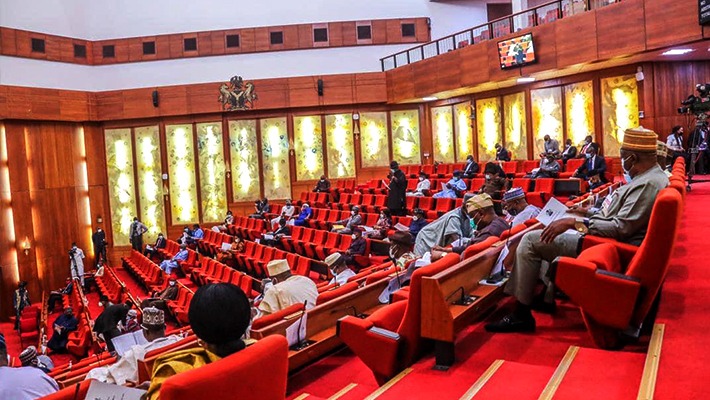
The Abuja Chamber of Commerce and Industry (ACCI) has urged the Nigerian Senate to halt a proposed tax amendment that it says could endanger more than a million jobs linked to the country’s non-alcoholic beverage industry.
Lawmakers are considering changes to Section 21(3) of the Customs, Excise Tariffs (Consolidation) Act, which would replace the current ₦10-per-litre excise duty on sugar-sweetened drinks with a new percentage-based levy calculated on retail prices.
In a statement by the chamber, the ACCI President, Dr Emeka Obegolu, warned at a public hearing that the plan, though well-intentioned, could impose severe economic pressure on Nigeria’s micro, small and medium-scale enterprises (MSMEs).
Dr Obegolu, who also leads the organised private sector in the Federal Capital Territory and neighbouring states, stressed that the beverage sector extends far beyond major bottling companies. It includes thousands of informal and small-business operators—from street vendors and kiosk owners to petty traders, delivery workers, transporters and last-mile distributors.
Citing a PwC-backed MAN–NADB sectoral report, he noted that over 1.5 million Nigerians earn livelihoods directly or indirectly from this ecosystem.
“Before introducing new fiscal burdens, we must protect the MSMEs who hold Nigeria’s economy together. We respectfully urge the Senate to suspend the proposed amendment and harmonise it with the Executive’s broader fiscal reform agenda,” he said.
While supporting Nigeria’s broader public-health objectives, the Chamber warned that sudden tax hikes could shrink small-business margins, accelerate job losses and push more economic activity into the informal sector.
Obegolu emphasised the need for policies that improve the ease of doing business rather than inadvertently driving people deeper into poverty.
The ACCI reiterated its commitment to working with the National Assembly, the Executive and private-sector stakeholders to shape balanced fiscal reforms.
Through its specialised centres—the BEST Centre, the Nigerian Chamber of Commerce Dispute Resolution Centre, the Abuja Trade Centre and the National Policy Advocacy Centre—the Chamber said it will continue to provide research-driven recommendations aimed at supporting national economic growth.
The Chamber concluded by reaffirming that public-health priorities and economic sustainability must advance together, not at the expense of Nigeria’s most vulnerable business operators.

