The National Coordinator of the Nigeria for Women Programme Scale-Up Project, Dr. Hadiza Maina, says the initiative is placing protection at the centre of women’s economic empowerment while strengthening national efforts to curb gender-based violence (GBV).
Speaking to Voice of Nigeria on the sidelines of the National Dialogue on Ending Gender-Based Violence, organised by the Federal Ministry of Women Affairs and Social Development in collaboration with the World Bank, she highlighted the impact of the programme.
“Nigeria has taken the right direction by implementing this project, and we also have to give thanks to the President, President Bola Ahmed Tinubu, who has made women at the Centre of Economic Development,” she stated.
Dr. Maina extended appreciation to the Minister of Women Affairs and Social Development, Hajiya Imaan Sulaiman-Ibrahim, noting:
“She is the right peg in the right hole, implementing this programme on Nigeria for Women Project… she’s driving the force as it is expected, to put women in the long run at the Centre of Development.”
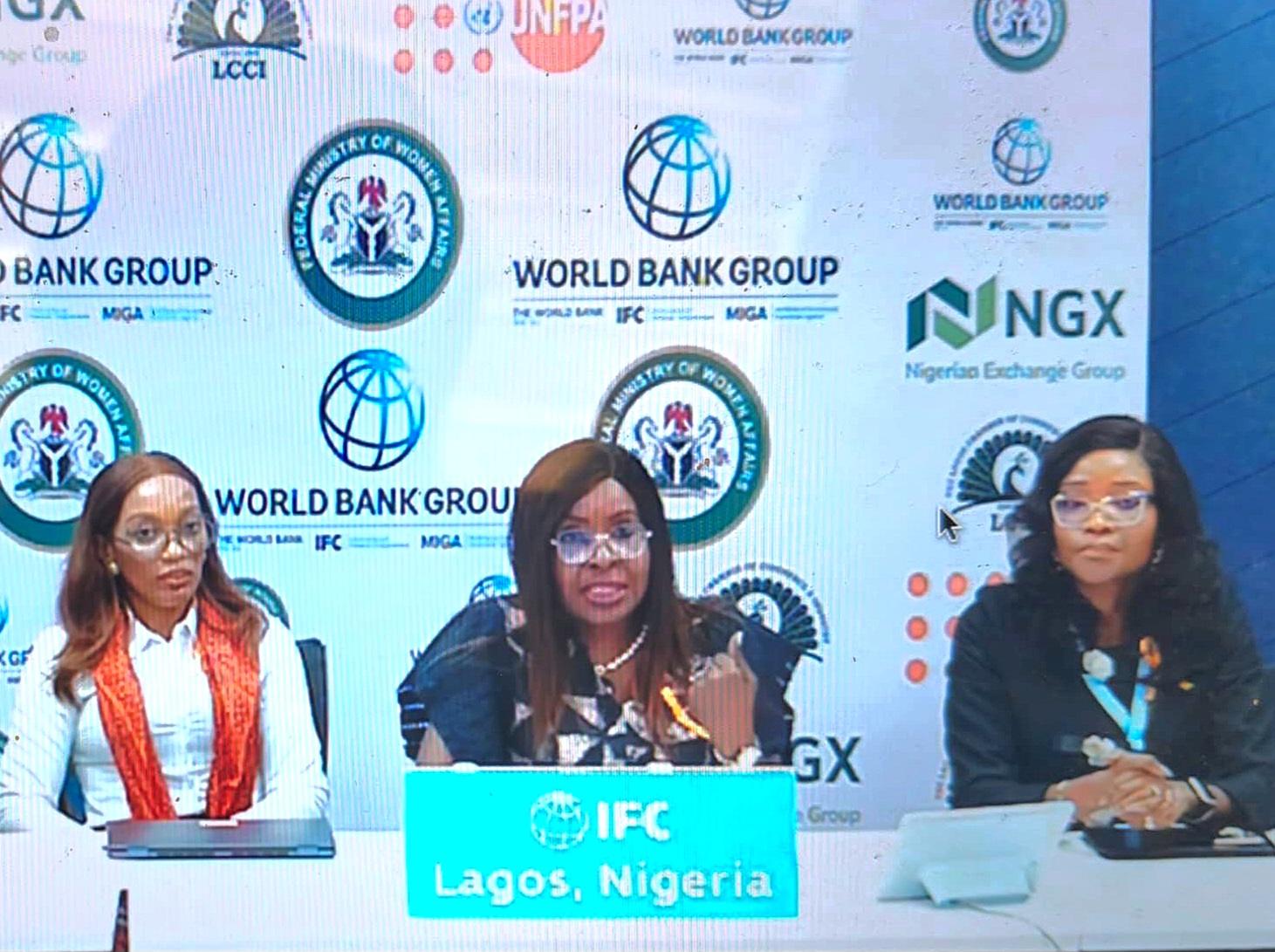
She explained that the World Bank-funded Nigeria for Women Project, implemented by the Federal Ministry of Women Affairs and Social Development, is improving the livelihoods of underserved rural and peri-urban women.
According to her, the programme’s empowerment approach is anchored on protection because “Empowerment without protection is a fragile foundation.”
To ensure all-round protection, Dr. Maina said “the programme conducted comprehensive GBV mapping across implementing states, trained personnel across health, justice, police, and social welfare sectors, and produced a widely distributed referral directory linking communities to essential services.”
She added: “We also have the grievance redress mechanism put in place for these projects… as soon as it’s reported, we have a real-time reporting framework, which is within 24 hours.”
According to her, 32 states are currently covered, with 23 currently implementing, and the mechanism proved effective during the pilot scheme for 450 women.
“So the GBV was built, protection was built right in the middle of this project. It’s one of the main units that the project focusses on 24-7.”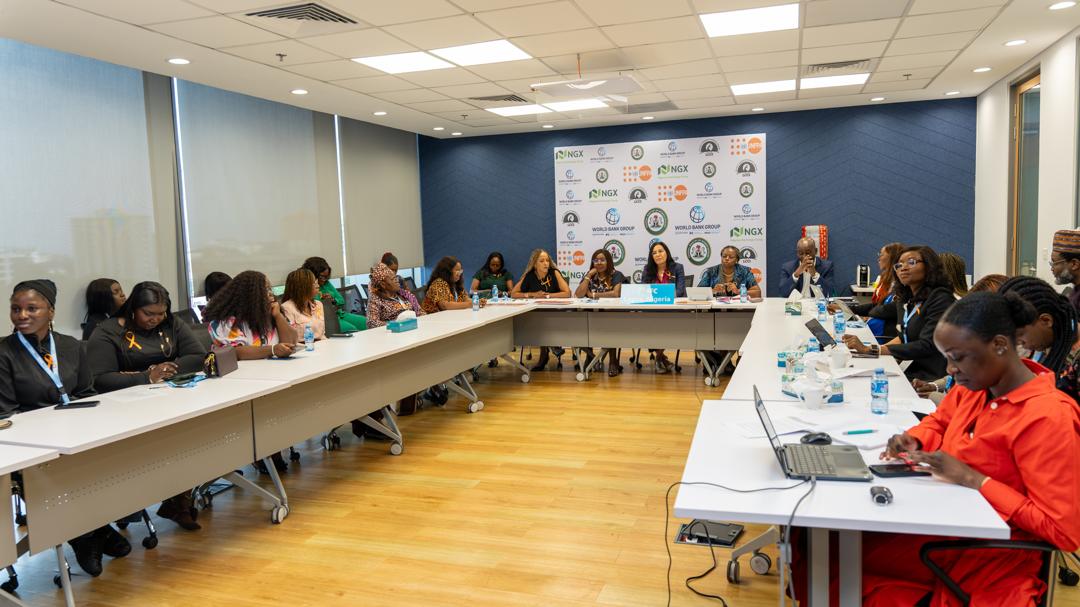
In a related interview, UNFPA Deputy Representative, Koesan Kwawu, stressed the need for unified national action to end GBV. “We need to come together at all levels… to have a consensus and a strong commitment for ending gender-based violence.”
He further highlighted the need for full survivor support systems, sustainable funding, and accountability. “Unless we have perpetrators that are held to account, we might not see the reduction of this,” he added.
The Head of Legal, Nigeria Stock Exchange Group PLC, Bisola Ogujieofor, charged institutions to embed protection into workplace culture.
“When women are safe, they succeed. When women succeed, economies grow. When public institutions, development partners and private institutions stand together, meaningful and sustainable change becomes possible,” she said.
She urged intentional leadership, noting: “We cannot end gender-based violence by awareness alone. We end it through action that is deliberate, that is measurable and that is sustainable. Empowered women build stronger businesses. Protected women build stronger societies.”
Similarly, the Director-General of the Lagos Chamber of Commerce and Industry, Dr. Chinyere Almona, said the time for mere advocacy has passed. Describing GBV as a global and economic concern, she said: “It is an economic issue… if we all want to improve and enhance the economy of our nation, we have to deal with it. For us, it’s time to end the violence against women.”
Warning against silence, she added: “One thing that enhances GBV in our society today is silence. We want a society where our women can give their best. We must support each other to make the change that we want to see.”