The United Nations (UN) office in Nigeria has called for a holistic approach to investing in human-rights awareness to drive meaningful growth and development across the country.
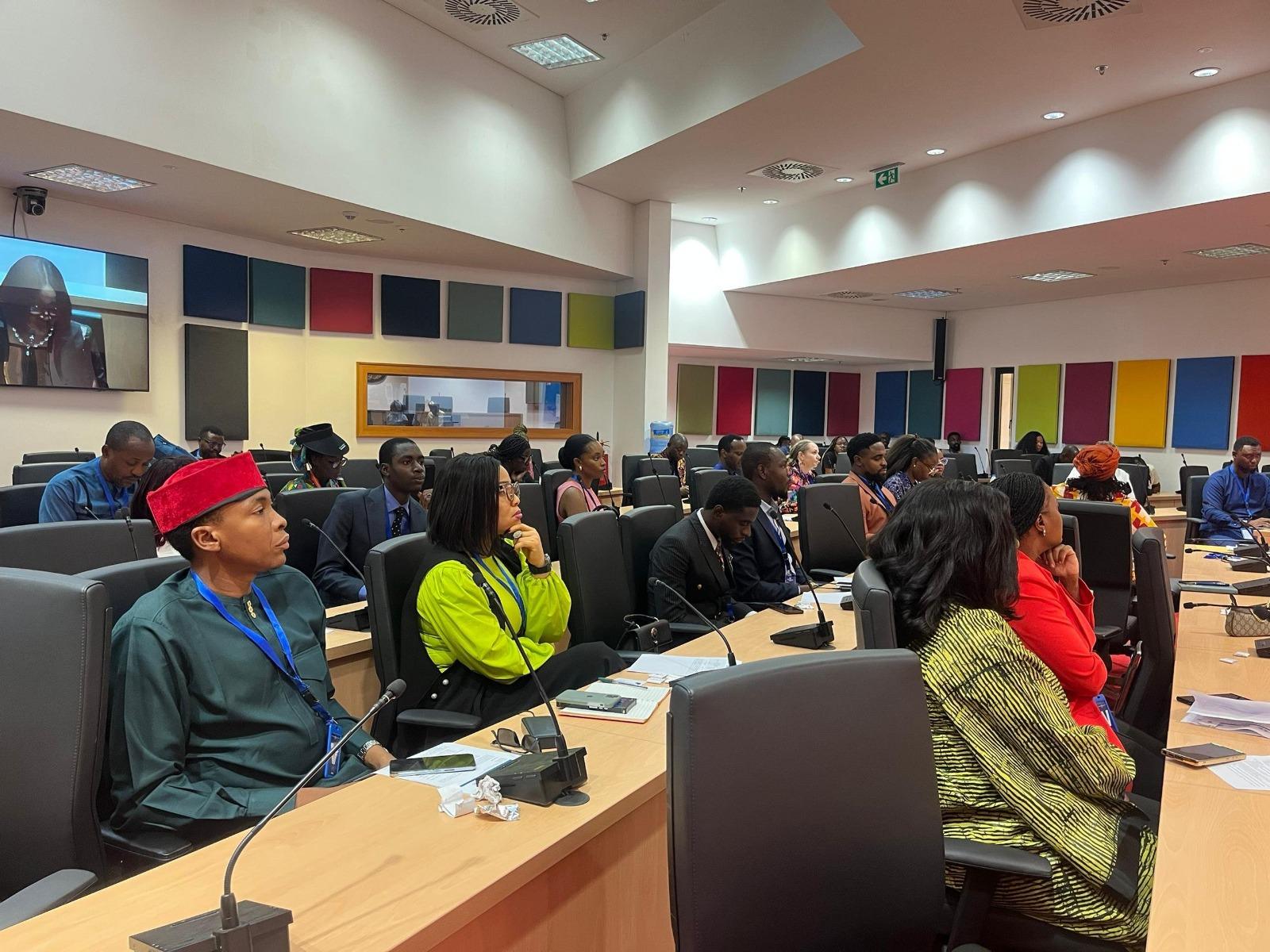
The UN Resident and Humanitarian Coordinator in Nigeria, Mr Mohamed Fall, made the call in Abuja during an event to commemorate the 2025 International Human Rights Day in Nigeria, themed “Human Rights: Our Everyday Essentials – Who Is Telling the Story?”
Mr Fall, who was represented by the UNDP Resident Representative in Nigeria, Ms Elsie Attafuah, spoke at the ceremony organised by the Office of the UN High Commissioner for Human Rights (OHCHR).
He stressed that before any nation could get it right in creating awareness on human rights, it must put the necessary financial and structural efforts in place.
“You are the ones who preserve our folklore, you are the ones who tell stories through morals that millions walk past every day, and we see some in Lagos and many other places. To every photographer capturing protests, everyone on Instagram, TikTok, X, LinkedIn explaining the Child Rights Act in Pidgin, every spoken word, Courts calling out gender-based violence, we must keep the message about human rights to boost the awareness. Every graphic designer turning data on maternal mortality into infographics that go viral, you are the translators of human rights, your everyday essentials,” he said.
The Executive Secretary of the National Human Rights Commission (NHRC) stated that awareness creation remained a key instrument in the protection of human rights.
Adequate investment
He noted that the first step to defending one’s rights was knowing those rights existed. He therefore called for adequate investment in awareness creation to meet national targets.
“Many of our people don’t even know they have fundamental human rights. After a very long period of military rule and bad governance, some of them have resigned to fate. They think that some of these things are normal, you know. So, the first challenge is to create awareness and let them know how they can access assistance if their rights are violated,” he said.
The Ambassador of Belgium to Nigeria, Pieter Leenknegt, described the event as timely in promoting awareness about human rights.
“This can actually bring about realisation of human rights in the country as in other ones, especially given the striking presence of so many different creative arts branches in Nigeria, and how they also internationally are breaking through. Also, as embassy we can create conversations around rights induced by displays of art. There is no way that you can perfectly realise the right to education or the right to food in just one go or even hold somebody accountable, so it is a gradual process,” he said.
Other highlights of the event included a short film spotlight and creative showcase featuring micro-films and music produced by young Nigerian storytellers illustrating rights in daily life, safety, identity, digital freedom, education, and justice.
There was also a high-level conversation on how creatives humanised rights issues, diplomatic perspectives on narrative power, safeguarding creative freedom, and cultural storytelling as civic engagement.
The event, which used film, music, and storytelling to affirm dignity, equality, justice, and freedom as shared values and fundamental rights, was organised for diplomatic partners, civil society leaders, and creative storytellers to explore how narrative, voice, and cultural expression shaped public understanding of human rights.
PIAK