
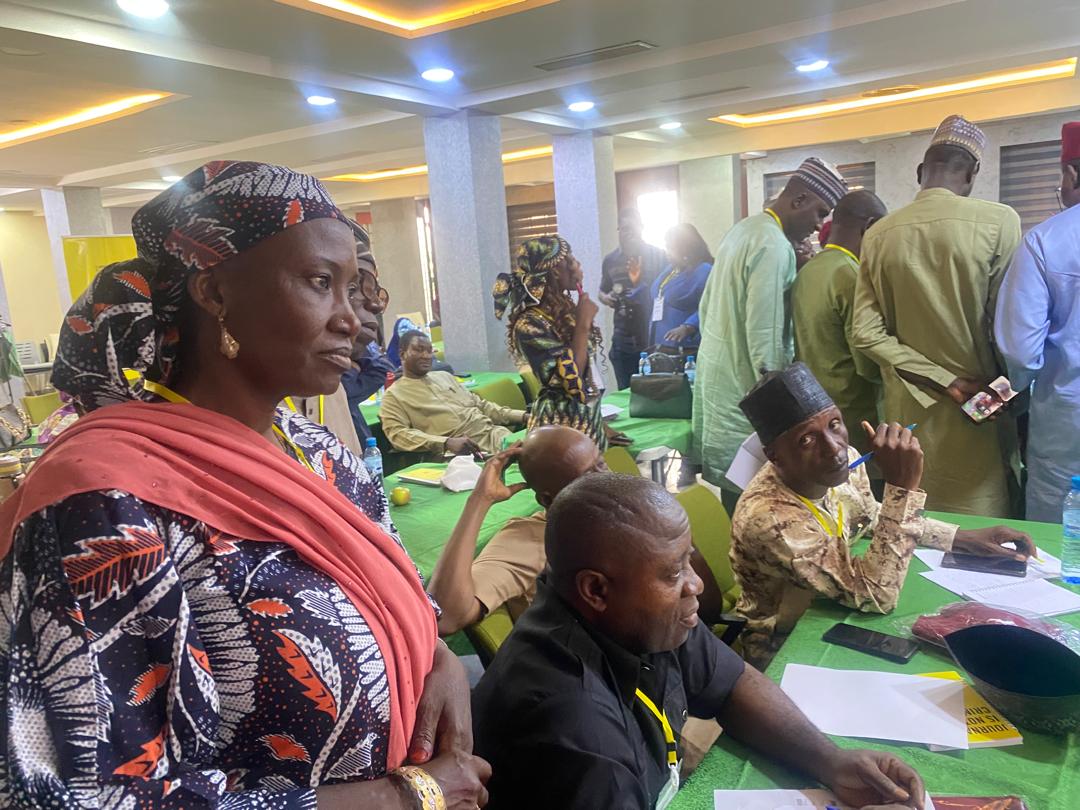
Amnesty International has urged journalists in North Eastern Nigeria to play a more active role in amplifying human rights narratives and exposing violations describing the media as powerful agents of change in the pursuit of justice, equality and dignity for all.
The call was made during a two-day capacity-building workshop for more than 70 journalists drawn from the six states of the North East.
The training, held in Jimeta-Yola, Adamawa State, brought together seasoned resource persons who shared practical insights on reporting human rights issues effectively.
Speakers noted that in a rapidly evolving media landscape, journalists, photographers and digital content creators play a critical role in shaping public opinion, influencing policy and holding authorities accountable.
Participants were taken through the fundamentals of human rights, including the rights to life, dignity, personal liberty, fair hearing, privacy, freedom of thought and religion, peaceful assembly, association and movement.
The training featured sessions on journalism theory and practice from a human rights perspective, media ethics, safety strategies for journalists working under threat, gender-sensitive reporting, press freedom and navigating legal risks in journalism.
Human rights lawyer, Dr. Abdul Mahmud led sessions on the legal implications of reporting, offering practical guidance on engagement with security agencies and the judiciary.
He also shared insights on the challenges of journalism in what he described as the post-authenticity and post-reality eras.
Also speaking, Dr. Kabiru Danladi, a distinguished academic and lecturer in Mass Communication at the Ahmadu Bello University, Zaria, emphasised the importance of a deep understanding of human rights concepts and context to improve the quality of reportage.
Sessions on safety and security were conducted by John Omalibu, an expert in journalist protection engaged participants on practical measures to remain safe while covering sensitive human rights issues.
Overall, facilitators stressed that “human rights violations remain widespread in Nigeria and that the media, as society’s watchdog, must be proactive in promoting and defending these rights.”
They noted that journalists had the power to set the agenda, shape public discourse and advance social change, while maintaining independence and adhering to ethical standards.
At the close of the workshop, Amnesty International said; “the training had equipped journalists with the skills and knowledge required to perform their watchdog role more effectively. Participants were encouraged to see themselves as advocates rather than activists, in order to promote justice and national development.”
The organisation expressed hope that the training would foster stronger professional networks among journalists and urged them to continue their vital work in strengthening Nigerian society through ethical and impactful human rights reporting.

