
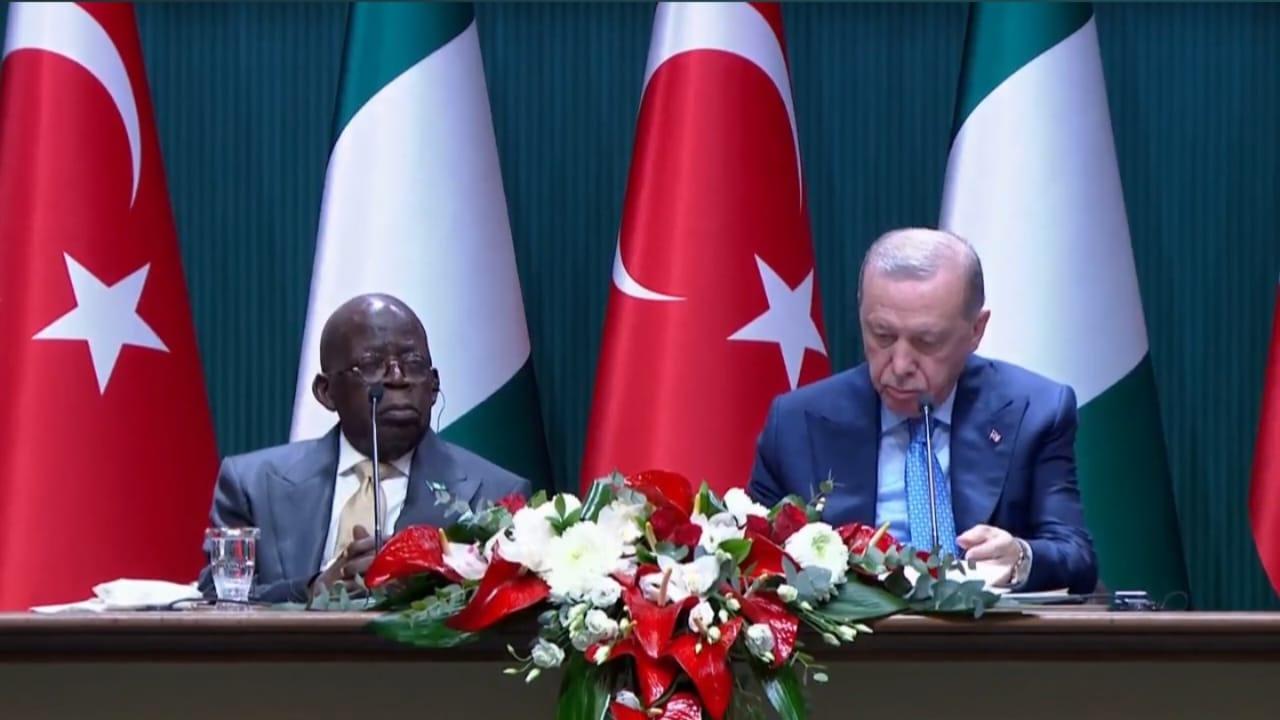
Nigeria has signed a Memorandum of Understanding (MoU), on family cohesion and social welfare, marking an important step in formalising and expanding the nation’s care sector.
The MoU, the ninth bilateral agreement signed in Ankara, Türkiye, during the official State visit of President Bola Ahmed Tinubu positions the Care Economy as a central pillar for strengthening family structures as a pillar of national development under the Renewed Hope Agenda.
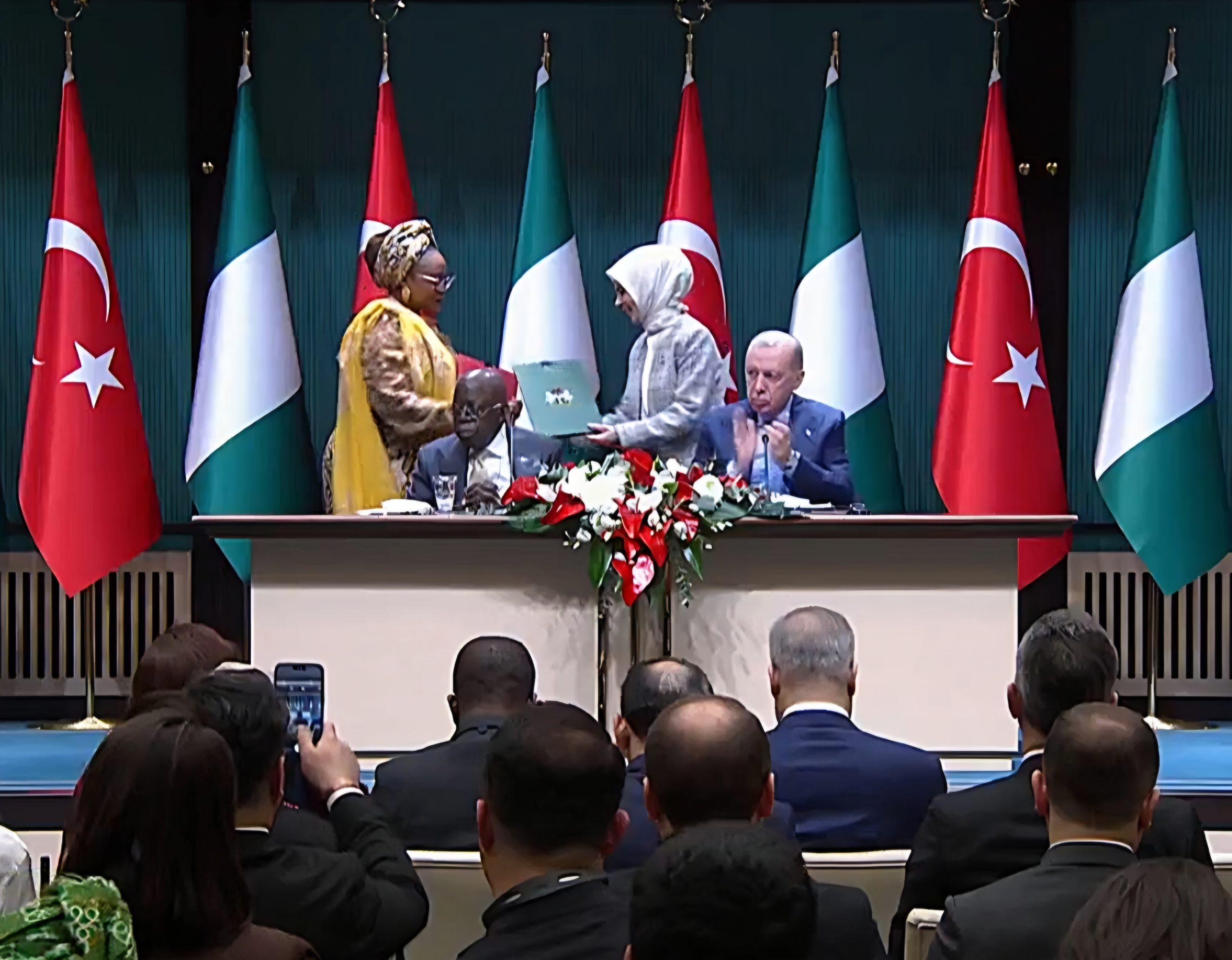
Nigeria’s Minister of Women Affairs and Social Development, Hajiya Iman Suleiman-Ibrahim, signed on behalf of Nigeria, while the Turkish side was represented by the Minister of Family and Social Services, Mahinur Özdemir Göktaş.
The agreement follows a year-long engagement between both countries and is designed to enhance social development through structured collaboration.
The MoU prioritises the facilitation of Nigeria’s first National Action Plan on Families by year-end 2026, with the Care Economy positioned as a critical pillar.
The plan explicitly integrates the Care Economy to provide structured support for unpaid caregiving roles traditionally shouldered by women and families.
By valuing and formalising care work, the MoU aims to reduce family strain linked to child neglect, elder care, and disabilities, while strengthening household resilience.
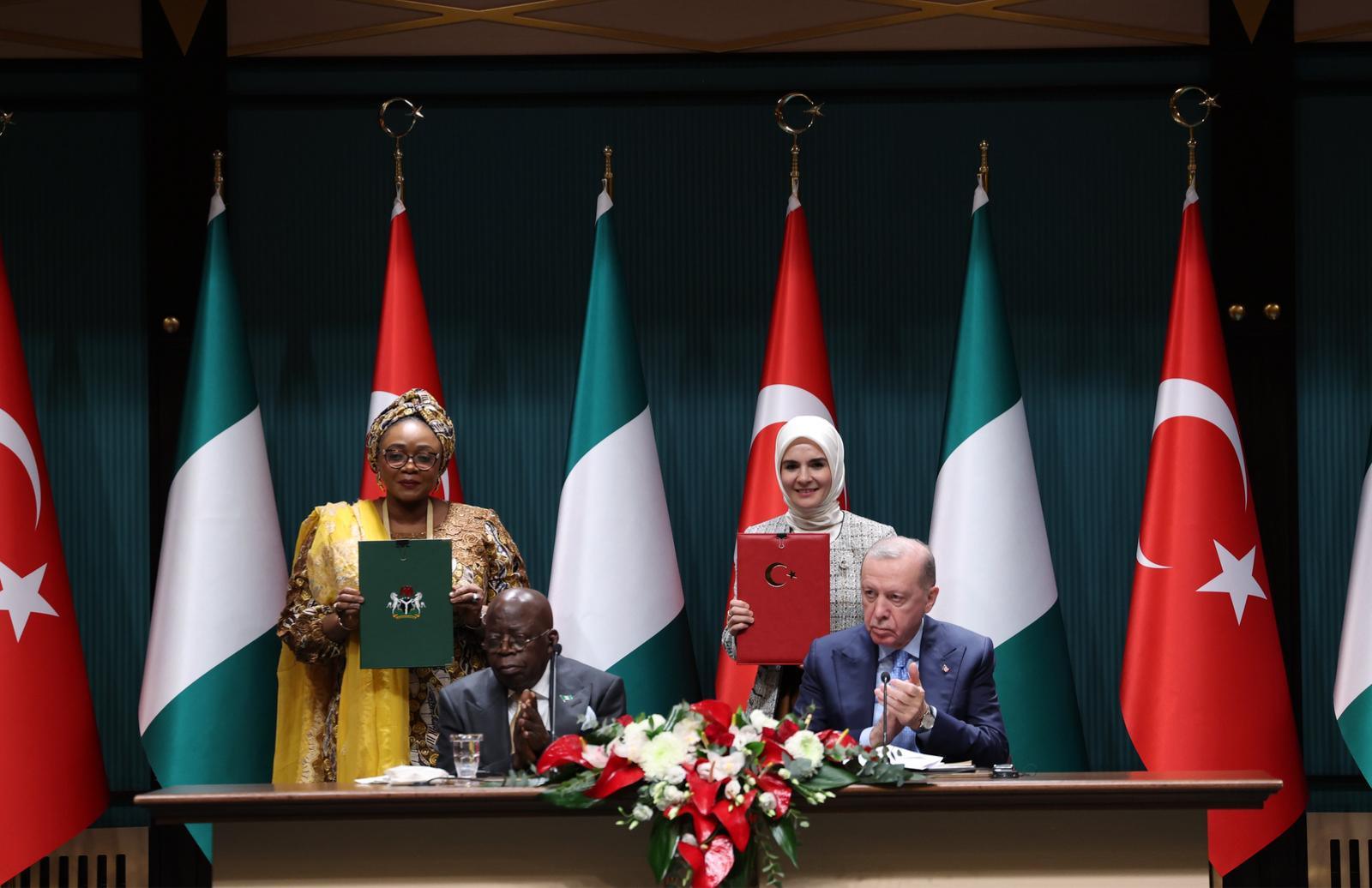
The agreement aims to ease pressure on families facing challenges related to child care, elder care, disabilities, and social vulnerability by embedding the Care Economy into national planning.
Speaking on the objectives of the partnership, Minister Suleiman-Ibrahim reaffirmed the Ministry’s commitment to accelerated delivery, noting the need to work “faster and smarter” to achieve meaningful outcomes.
She emphasised that the Ministry is targeting the positive impact of social welfare initiatives on 50 million citizens by 2030 under the Renewed Hope Agenda.
Read Also: President Tinubu Deepens Nigeria–Türkiye Ties Through Bilateral Talks
President Tinubu’s Türkiye Visit Strategic, Not Routine — Aide
Renewed Hope Agenda: Building Sustainable Safe Future for Nigerian Children
Key benefits of the MoU include the promotion of women’s entrepreneurship, enhanced socio-economic empowerment, and the establishment of mentoring mechanisms to foster solidarity among women caregivers.
By professionalising care work, the agreement supports job creation in mentoring, caregiving services, and women-led enterprises, while strengthening family resilience across communities.
Child Protection
Child protection is another major focus of the agreement, with the MoU promoting the development of holistic child protection systems and early intervention mechanisms to prevent neglect and abuse.
Through expert exchanges and shared best practices from Türkiye, Nigeria would strengthen its prevention frameworks and improve coordination within existing welfare programs.
The agreement also advances inclusion for persons with disabilities and promotes “active aging” initiatives for senior citizens. These provisions aim to ensure social participation, community engagement, and equitable access to support services for vulnerable groups nationwide.
Implementation of the MoU will be led by Nigeria’s Ministry of Women Affairs and Social Development, with responsibilities covering family cohesion, women’s empowerment, child protection, and inclusion policies.
Expert exchanges between Nigeria and Türkiye will commence immediately, focusing on capacity-building, policy alignment, and practical implementation rather than direct financial commitments.
Highlighting the broader significance of the partnership, Minister Suleiman-Ibrahim described the agreement as a values-driven commitment, stating that , “This MoU is a sacred pact to prioritize the family as the engine of national prosperity.”
The collaboration is expected to strengthen existing social welfare frameworks while fostering sustainable improvements in family support and social equity across Nigeria.
Timely Intervention
Observers and stakeholders have described the Nigeria–Türkiye MoU as a timely strategic bilateral intervention, expressing confidence that its focus on the Care Economy, expert exchanges, and family-centred policies will deliver measurable social gains.
They expressed belief that the collaboration has the potential to strengthen institutional capacity, improve the efficiency of existing welfare programmes, and reposition caregiving from an informal household obligation to a recognised pillar of social stability.
Many stakeholders also anticipate that consistent and effective implementation of the agreement will ease pressures on families, enhance protection for care workers, children and other vulnerable groups, and reinforce the Renewed Hope Agenda’s vusion of inclusive, people-centred development across Nigeria.

