The National Environmental Standards and Regulations Enforcement Agency (NESREA) has launched the inception phase of the Global Environment Facility (GEF) Child Project 11193, titled “Circular Solutions to Plastic Pollution in Nigeria,” aimed at addressing the growing challenge of plastic waste.
The GEF Child Project 11193 adopts a circular economy approach, shifting focus from conventional waste disposal to prevention, innovation, reuse, and systemic change.
The project is designed to align with Nigeria’s national environmental priorities and NESREA’s mandate to safeguard the environment for present and future generations.
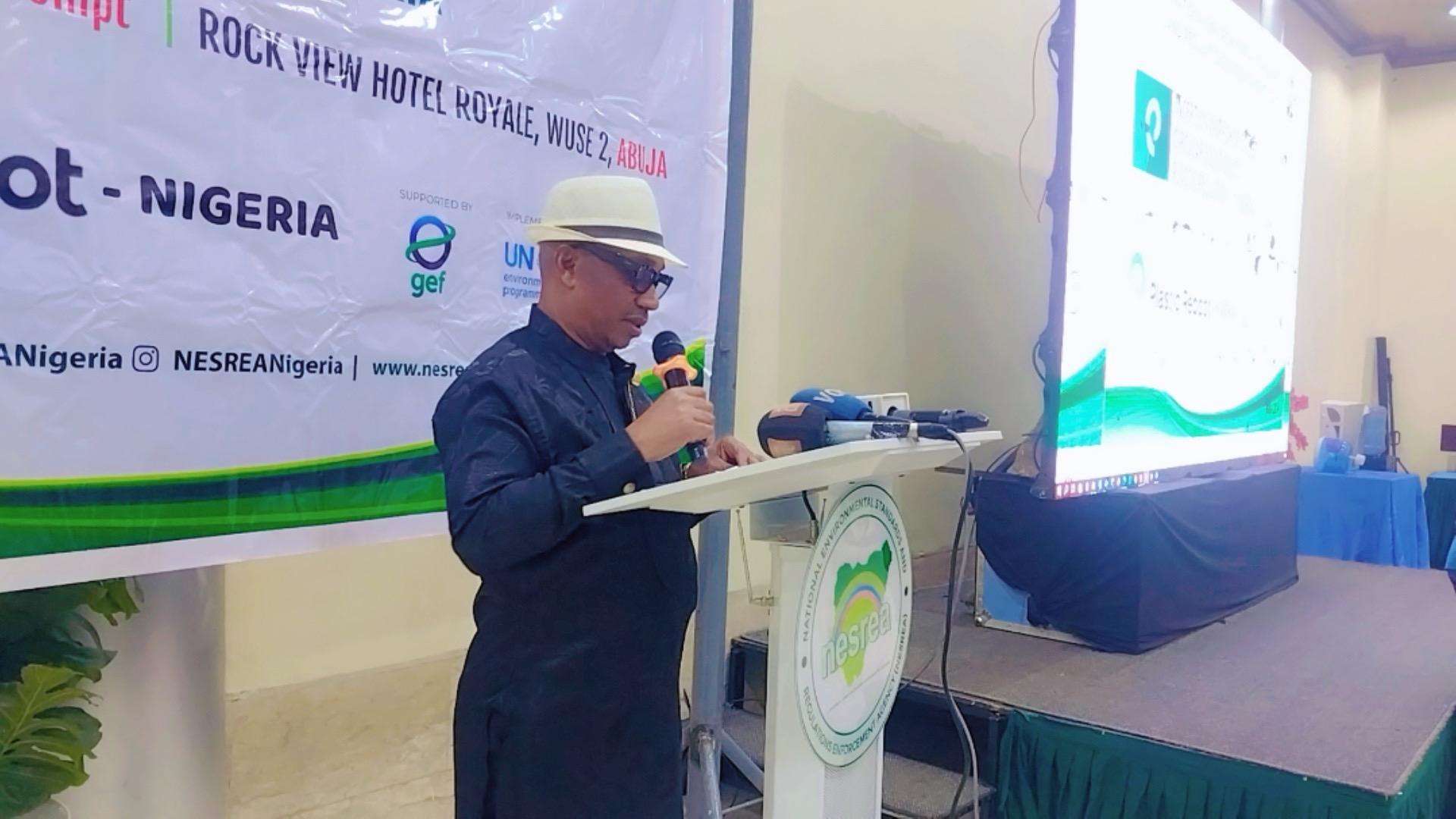
Speaking at the event in Abuja, the Director-General of NESREA, Professor Innocent Barikor, said Nigeria consumes over 2.5 billion litres of sachet water annually, produced by more than 32,000 manufacturers, “a situation that has contributed significantly to plastic pollution, blocked drainage systems, flooding, and environmental degradation.”
He described the project as a strategic and transformative intervention aligned with Nigeria’s environmental priorities and NESREA’s mandate.
“The project adopts a circular economy approach, focusing on policy reform, innovation, waste prevention, public-private partnerships, and public awareness,” he said.
According to NESREA, the five-year project is expected to help Nigeria avoid more than 350,000 metric tonnes of plastic waste, reduce toxic emissions, and mitigate nearly 1.9 million tonnes of CO₂ equivalent.
“NESREA will serve as the national executing entity in collaboration with UNEP and other partners, ensuring transparent governance and measurable impact.” he said.
Key Components
The Director-General explained that the project will be implemented through five key components, which include: “Strengthening regulatory and policy frameworks for sustainable water packaging, Promoting public-private partnerships and mobilizing investment for circular solutions, Piloting innovative reuse and refill models for community water systems, Enhancing public awareness and stakeholder engagement; and ensuring effective national and global coordination, knowledge sharing, and monitoring,” he stated.
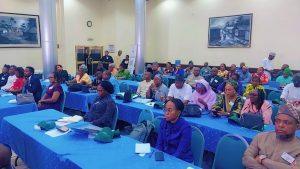
The Director-General urged stakeholders to collaborate actively to ensure the success of the project and promote environmental sustainability.
“This dual challenge of water access and plastic pollution makes this project not just timely, but absolutely necessary,” the NESREA boss stated.
In her remarks, Senior Environmental Specialist and Plastic Reboot Coordinator, GEF Secretariat, Evelyn Swain, represented by Anna Blanpain, said the project represents years of planning and collective commitment to a cleaner and more sustainable future for Nigeria.
“The Global Environment Facility (GEF) is proud to support the launch of the Nigeria Plastic Regrouping Project, an important milestone in Nigeria’s efforts to address plastic pollution through innovative and systemic solutions.
“We commend the National Environmental Standards and Regulations Enforcement Agency (NESREA) for its leadership as the executing agency, and we appreciate the strong collaboration with UNEP and other partners across government, civil society, the private sector, academia, development partners, and the media,” she said.
According to her, “Nigeria’s participation in this competitive and strategic programme positions the country as both a beneficiary and a leader in the global fight against plastic pollution.
“The lessons and innovations generated through this project will inform policy reform, replication, and future investments within Nigeria and across the GEF partnership worldwide.”
Significant Milestone
UNEP Representative, Isabella Vanderbeck, explained that the launch of the project marks a significant milestone within the Plastic Reboot Integrated Programme, where seven of the fifteen child projects are being implemented under coordinated international collaboration.
“A future without plastic is both achievable and necessary. By eliminating single-use plastics and replacing them with sustainable solutions, this project aims to chart new ground not only for Nigeria but for the entire program.
“The initiative demonstrates that life without plastic is truly possible, and that with commitment, collaboration, and innovation, meaningful change can happen now,” she explained.
She added that the initiative reflects strong partnerships among national actors, global platforms, and UN agencies, positioning Nigeria as a key agent of change in the global fight against plastic pollution.
“Plastic pollution has reached every part of our environment from the air we breathe to the food we eat, our cities, waterways, and oceans. Each year, up to 12 million metric tons of plastic enter the ocean, with millions more accumulating on the seafloor.
“Microplastics from everyday activities, such as laundry, further worsen the crisis, underscoring the urgent need for systemic solutions,” she said.
The representative of the National President, Association of Table Water Producers of Nigeria (ATWAP), Mr Christopher Erefinyo, described the project as a landmark initiative tackling plastic pollution in Nigeria.
Partnership
He said the association is committed to partnering with NESREA to support the project, adding that the goal is to reduce plastic pollution, promote cleaner environments, and build a sustainable future for Nigeria.
“ATWAP congratulates NESREA on the inception workshop of the GEF project on circular solutions to plastic pollution.” He added.
The Manager, Nigeria National Plastic Action Partnership, Mrs Esther Fagbo, noted that the challenges of plastic pollution are global, but the solutions must be local, inclusive, and evidence-based.
“As we ”reboot’ our relationship with plastic, we must remain rooted in our domestic realities. Nigeria is a developing nation with unique challenges. For millions of our citizens, sachet water is not just a convenience; it is the primary source of clean, affordable drinking water,” she added.
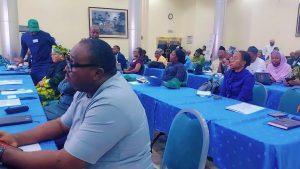
The event brought together representatives of the Global Environment Facility (GEF), the United Nations Environment Programme (UNEP), the United Nations Development Programme (UNDP), government officials, private sector partners, civil society organisations, and environmental experts.