
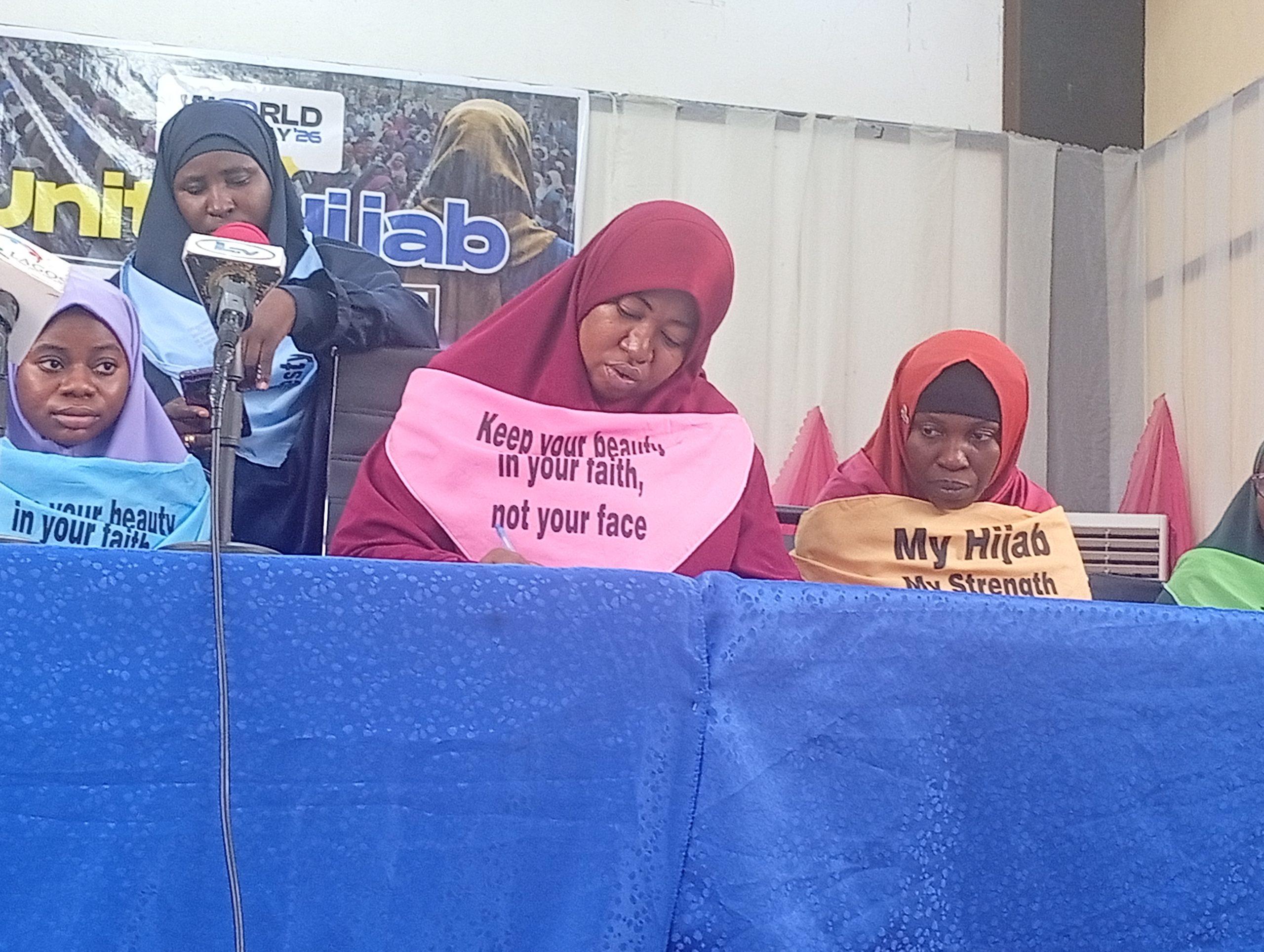
Civil society groups have urged governments and public institutions across Nigeria to apply constitutional provisions on freedom of religion consistently, citing concerns over uneven enforcement despite clear judicial precedents.
The call was made during a media briefing in Lagos, held to coincide with the global observance of World Hijab Day 2026 which is marked on the 1st of February.
The organisers described the event as an opportunity to draw attention to broader issues of inclusion, legal compliance and institutional accountability.
According to the coalition, although Nigeria’s Constitution guarantees freedom of thought, conscience and religion, gaps remain between legal provisions and everyday practice in schools, workplaces and public facilities.
Speaking at the briefing, the Executive Director of the Hijab Rights Advocacy Initiative (HRAI), Hajia Mutiat Orolu-Balogun, said the focus of the engagement was to enhance respect for constitutional order within a plural society.
She explained that World Hijab Day, which started in 2013 by Bangladeshi-American activist Nazma Khan, was conceived as a platform for promoting tolerance and understanding across diverse communities.
She noted that the issues raised affect women across ethnic, social and professional backgrounds.
Despite existing legal safeguards, Orolu-Balogun said complaints continue to emerge from educational institutions, employment settings and public offices, suggesting inconsistent interpretation of established rights.
She called for clearer operational guidelines and better institutional awareness of court decisions as other speakers at the event highlighted specific areas of concern.

They drew attention to reported difficulties faced by women in parts of the South-East, particularly those belonging to minority ethnic groups, and appealed to community leaders and security agencies to address threats and hate speech capable of undermining social cohesion.
Challenges Encountered
Issues of accessibility were also raised by the Lagos representative of Al-Muminaat, Hussainat Akintola, who spoke on challenges encountered by women with disabilities.
She called for improved access to public spaces and policies that ensure full participation for persons with disabilities.
On education, the female leader of the Muslim Students’ Society of Nigeria (MSSN), Lagos Area Unit, Rofiat Tijani, urged school authorities to align institutional policies with Supreme Court judgments affirming students’ rights, warning that selective compliance encourages uncertainty and conflict.
Concerns were also raised about practices at ports of entry and biometric enrolment centres.
Speaking specifically on the education sector, the female leader of the Muslim Students’ Society of Nigeria (MSSN), Lagos Area Unit, Rofiat Tijani said repeated disputes over dress codes in public schools point to a broader problem of weak policy coordination.
Inconsistent Interpretation
She noted that the Supreme Court has issued clear rulings affirming students’ constitutional rights, but inconsistent interpretation at the institutional level continues to generate avoidable tension.
According to her, uniform application of court judgments would reduce conflict, protect students from arbitrary sanctions and help school authorities focus on their core mandate of learning and welfare.
Procedures Applied
Representatives of Akhwaat and NASFAT cited cases where procedures applied to some women were described as inconsistent with existing administrative guidelines for passport and driver’s licence processing.
Presenting the coalition’s resolutions, speakers called on federal and state authorities, regulatory agencies and institutional heads to issue clear guidelines, train personnel, establish complaint mechanisms and sanction violations where necessary.
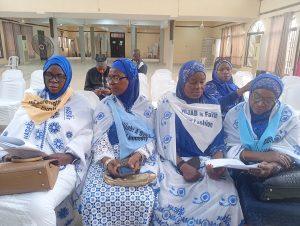
Enforcement is uneven
In her closing remarks, Dr. Halimah Ogunbekun of An-Nujabau said social harmony depends on equal protection under the law, noting that constitutional rights lose meaning when enforcement is uneven.

The coalition appealed to governments, lawmakers and citizens to uphold the rule of law and promote mutual respect, stressing that national cohesion is strengthened when rights are applied uniformly, regardless of identity.

