
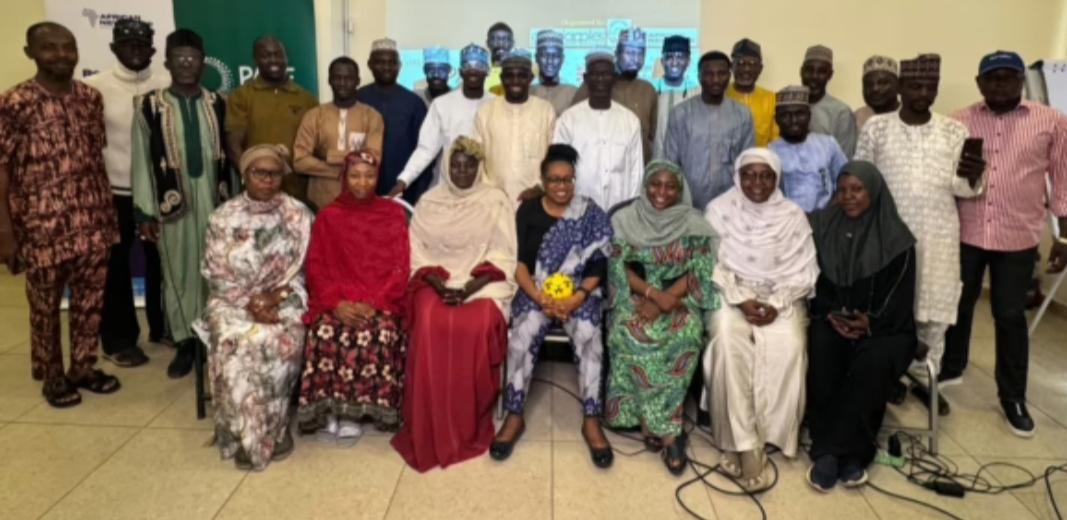
Journalists and content creators from Kano, Kaduna, and Jigawa states have been equipped with new skills to strengthen ethical, accountability-focused, and solutions-oriented climate reporting.
The two-day workshop, held at Nasarawa GRA, Kano, was organised by Goldapples Media Associates, the Climate Africa Media Initiative and Centre (CAMIC), and African Newspage, under the UK-FCDO-funded Partnership for Agile Governance and Climate Engagement (PACE) Programme.
The training aimed to enhance the capacity of media professionals in the Northwest region to report on climate issues in ways that promote improved governance, citizen engagement, and inclusive development at the subnational level.
According to the organisers, the workshop was designed to provide journalists with the knowledge and tools to report climate-related issues within their communities while educating the general public on climate change and its local impacts, encouraging actionable solutions.
Technical Lead of the programme and Executive Director of CAMIC, Aliu Akoshile described the training as “impactful and highly interactive,” noting that participants demonstrated strong preparedness and contributed meaningfully throughout the sessions.
“Participation has been really fascinating. The journalists came prepared and were able to make informed contributions. The sessions focused on different aspects of climate, environment, and development, which are essential for producing compelling storytelling and solution journalism,” Akoshile said.
Also Read: UNESCO Seeks Collaborative Efforts To Combat Climate Change Misinformation
He emphasised that the workshop aimed to “level the playing field” by breaking down technical climate concepts into simple terms, making them accessible to the average citizen.
Akoshile stated that the organisers identified a critical gap in climate reporting and are committed to monitoring media narratives around climate responses.
“After this event, we will continue to monitor how journalists report climate challenges factually, without bias, and in line with professional standards,” he stated.
Project Manager for the training partners, Helen Osijo urged participants to apply the knowledge gained in their future work.
Many participants said the workshop reshaped their understanding of climate reporting.
They noted that they previously viewed climate change as solely a government responsibility but now appreciate the roles of both government and citizens in addressing climate issues.
They emphasised the importance of including vulnerable groups in climate stories, such as children and persons with disabilities, particularly in incidents like flooding.
Participants also highlighted that the training improved their skills in following up on climate stories to achieve positive outcomes.
They added that it broadened their perspective beyond environmental sanitation, showing that climate impacts touch health, education, and even political activities.
The reporters acknowledged limitations faced by government-owned media but noted that collaboration with colleagues could ensure climate realities at the grassroots are adequately reported.
Another facilitator, Adam Alkali encouraged journalists to apply the knowledge gained, stating that it would go a long way in helping to overcome climate-related challenges in the near future.
The workshop underscored the growing need for localised, inclusive, and actionable climate reporting as Nigeria continues to confront the effects of climate change.

