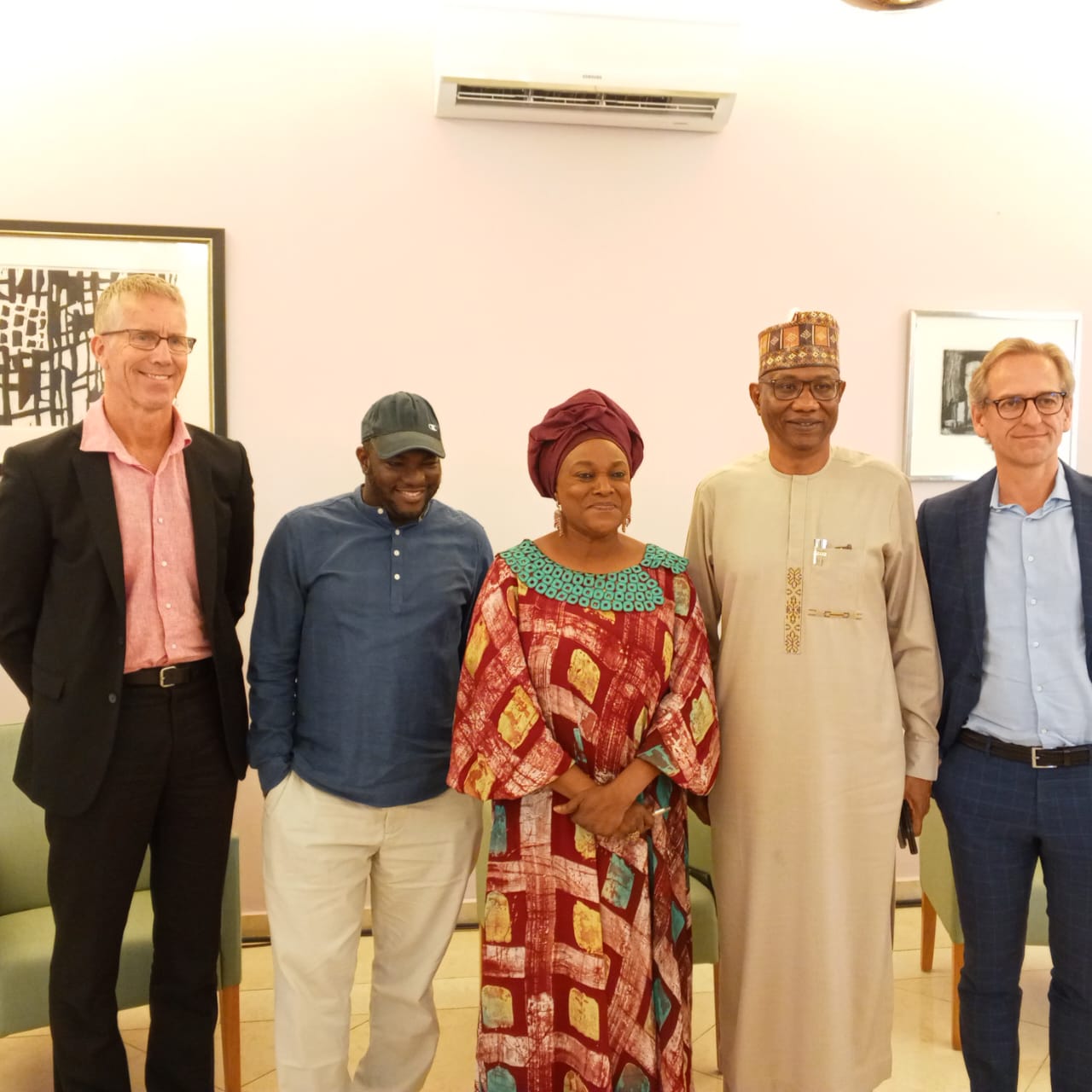
Stakeholders at the Nordic-Nigeria Dialogue in Abuja have renewed calls for stronger democratic accountability, information resilience and media integrity amid growing global concerns over misinformation, disinformation and digital polarisation.
The dialogue, organised to commemorate World Press Freedom Day 2026, themed “Mis/Disinformation, Media Integrity, and the Role of Journalists in Shaping a Future”
was hosted by the Norwegian Ambassador to Nigeria, Svein Bæra.
Heads of Nordic missions in Nigeria, comprising Norway, Denmark, Finland and Sweden, in their various remarks delivered policy-driven interventions linking the preservation of truthful journalism directly to democratic survival, peaceful societies and accountable governance.
Setting the tone for a fireside chat, Ambassador of Denmark to Nigeria, Jens Ole Barkhanssen, underscored the dangers posed by manipulated information ecosystems and AI-generated content.
“This is a time when misinformation, disinformation and AI-generated content are increasingly shaping public discourse, and protecting access to credible information has never been more important.”
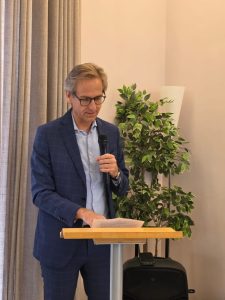
He said a free and independent press remains essential to democracy here and in the Nordic countries, public trust, and peaceful societies.
“Without that access to credible information, societies become more vulnerable to division, something that we have already discussed this morning, also manipulation and conflicts.”
Drawing from a well-known Swedish expression associated with the fictional character Pippi Longstocking, the envoy urged influential actors to exercise responsibility in public engagement.
“When you’re very strong, you also have to be very kind. It’s almost the same meaning, so it’s just for the powerful politicians, journalists and all of those who have something to say; remember to be kind and be responsible when you act.”
The opening session, Drivers, on “Dynamics and Damages of Misinformation and Disinformation Amid Democratic Strain”, examined systemic responsibility, literacy dynamics and political accountability within evolving governance structures.
Panellists maintained that although institutional and structural burdens exist, society remains the ultimate defensive line against misinformation and disinformation.
Speakers argued that technology platforms cannot be relied upon as inherently good actors, especially within a society like Nigeria historically rooted in communal responsibility and collective vigilance.
Participants therefore urged citizens to take greater ownership of literacy advancement, cultural understanding and social cohesion as safeguards against manipulated narratives and democratic instability.
The session also highlighted concerns over what contributors described as an elitist tilt within mainstream media structures, where private media organisations largely reflect elite interests while government-owned outlets remain predominantly pro-government.
Stakeholders called on major media institutions to broaden public participation by creating greater access for ordinary citizens to express their views through formal media channels.
Panellists warned that continued exclusion from mainstream discourse is increasingly pushing citizens towards unregulated digital platforms such as WhatsApp, TikTok and Instagram for information exchange and civic expression.
Submissions during the session further noted that Nigeria’s political framework does not sufficiently reward legislative diligence, institutional oversight or policy-driven representation during electoral processes.
Participants also identified literacy deficits within governance structures as part of broader institutional weaknesses affecting democratic development and public trust.
The second fireside session, themed “Safeguarding Press Freedom and Media Integrity in a Polarised Age”, moderated by veteran broadcaster Eugenia Abu, focused on state media ownership, regulatory frameworks and emerging technology-driven threats to information integrity.
Director-General of the Federal Radio Corporation of Nigeria, Dr Mohamed Bulama, representing the Honourable Minister for Information and National Orientation, Alhaji Mohamed Idris, emphasised the historic and indispensable role of the Nigerian press in national development, noting that the media in Nigeria remains largely free but must continue to exercise responsibility.
He stressed that Artificial Intelligence and rapidly evolving digital ecosystems require sustained investment in training, capacity building and specialised institutions capable of addressing fluid information threats and technological vulnerabilities.
Lead Strategist of Gatefield, Mr Adewunmi Emoruwa, interrogated state-centred definitions of media integrity, positing that government cannot serve as the ultimate arbiter of truth.
He submitted that since the state controls a significant portion of mainstream media reach, independent journalism must continue to rigorously verify official statistics and public narratives.
Emoruwa highlighted ongoing contributions by non-state actors toward developing Nigeria’s child online protection bill and internet code of practice and cautioned against the weaponisation of the Cybercrime Act against civic expression and democratic participation.
The session further spotlighted gender disparities and psychosocial safety concerns within Nigeria’s media ecosystem.
Panellists referenced institutional data indicating that women account for only 16 percent of media voices and 25 percent of media leadership positions nationwide.
Participants decried the growing prevalence of hostile, identity-targeted online abuse against female journalists, emphasising that coordinated political and digital attacks often result in psychological strain and withdrawal from public engagement spaces by female journalists.
In her closing remarks, Ambassador of Sweden to Nigeria, Anna Westerholm, emphasised the collective global responsibility required to defend press freedom and sustain civic trust.
“Whether you are a diplomat or a media representative or a government representative or a journalist or civil society or academic or just a citizen who is concerned, this is our shared responsibility to make sure that we do our utmost to continue to work for press freedom and for the right for journalists to speak the truth to power and for the responsibility held by us in government.”
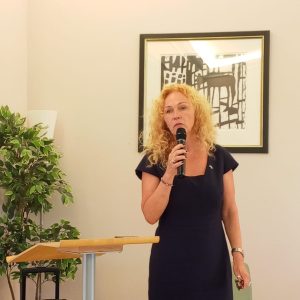
She noted that “whether we are diplomats or politicians, we provide to the best of our ability the information and the facts that the people need and deserve to have.”
Ambassador Westerholm further reaffirmed long-term Nordic solidarity toward strengthening resilient democratic institutions anchored on transparency, accountability and truth.
“Together, we can build on resilience. We can help build resilient societies grounded in truth, transparency, and accountability, because democracy cannot thrive when press freedom is weakened, but it can flourish when it’s protected.”
Submissions at the event which brought together diplomats, policymakers, media practitioners and civil society actors holistically centred on strengthening democratic resilience, safeguarding public trust and reinforcing the role of credible journalism in promoting peaceful and accountable societies.