

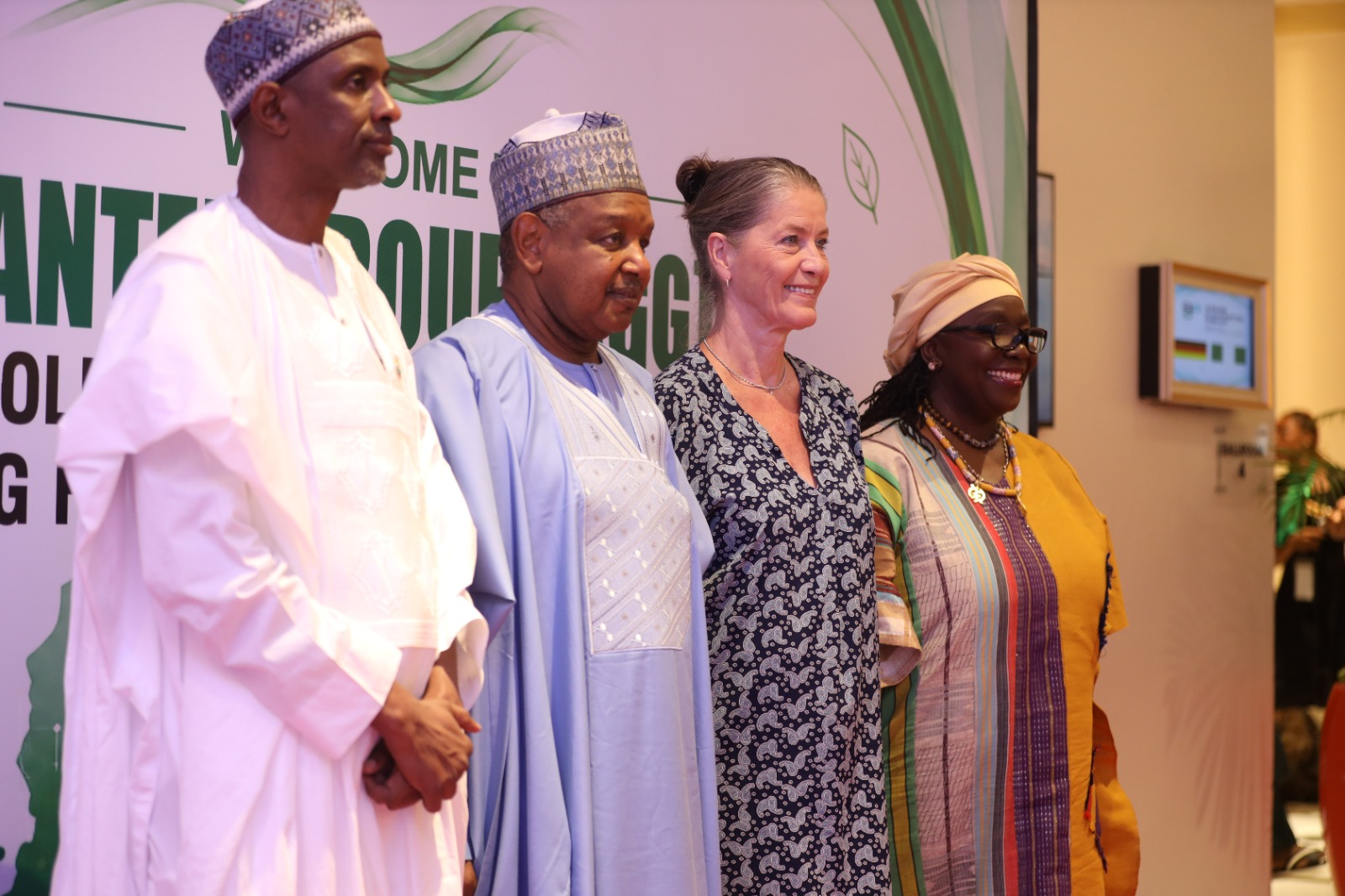
Nigeria and Germany have stepped up efforts to unlock climate finance and attract large-scale private investment, with stakeholders identifying financial guarantees as a key mechanism for driving green industrialisation, developing critical minerals, and fostering sustainable economic growth.
Speaking at a high-level stakeholders’ roundtable on mainstreaming financial guarantees in Abuja, the Minister of Solid Minerals Development, Dele Alake, said Nigeria is strategically positioned to become a major player in the global critical minerals economy.
He attributed this potential to the country’s vast deposits of lithium, tin, tantalum, columbite, and rare earth elements.
“As global demand for these minerals continues to rise, Nigeria is uniquely positioned to become a major contributor to the emerging critical minerals economy,” Alake said.
The Minister said the government’s vision extends beyond exporting raw minerals.
“We are deliberately pursuing policies that encourage value addition, local processing, beneficiation, and greater participation in higher-value segments of global supply chains,” he stated.
Biggest challenge
Alake noted that financing remains one of the biggest challenges facing the mining sector, citing investor concerns over project risks, long investment horizons and market uncertainties.
“Guarantee instruments and innovative risk-sharing mechanisms provide confidence to investors, reduce barriers to entry, and help unlock the commercial and blended finance needed to bring transformational projects to life,” he said.
Stronger collaboration
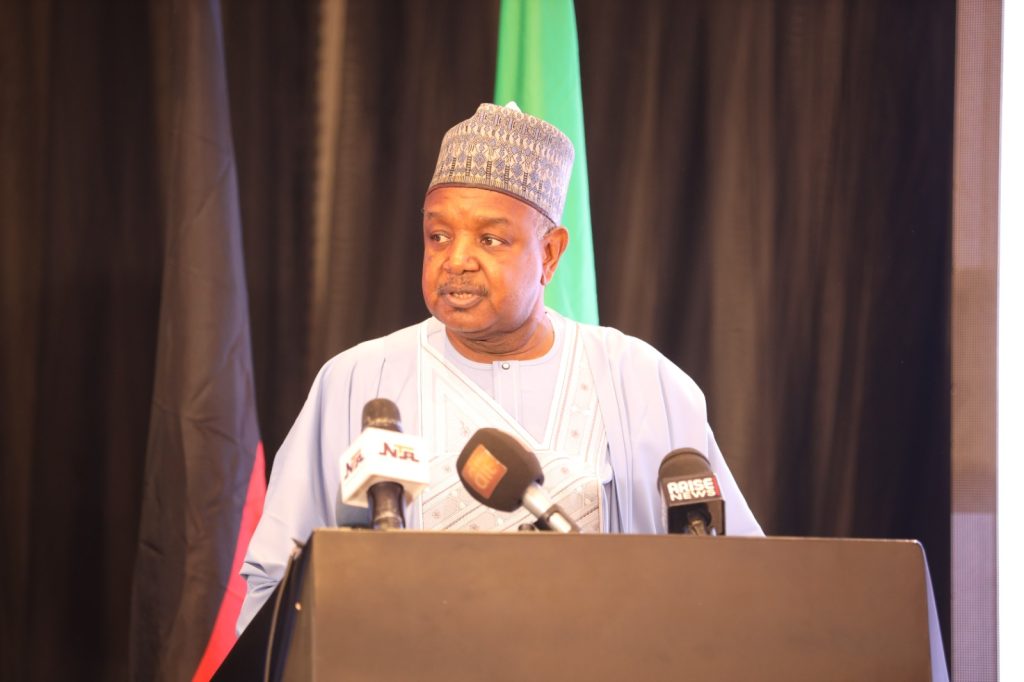
Also speaking, the Minister of Budget and Economic Planning, Abubakar Atiku Bagudu, called for stronger collaboration between governments, development partners and investors to mobilise resources for poverty reduction and sustainable development.
Bagudu urged development partners, including the United Nations system, to explore large-scale guarantee mechanisms that can reduce investment risks and attract private-sector participation.
“Guarantees have the market knowledge, they know companies, they know data and they know supply chains. They can help unlock resources for greater investment,” he said.
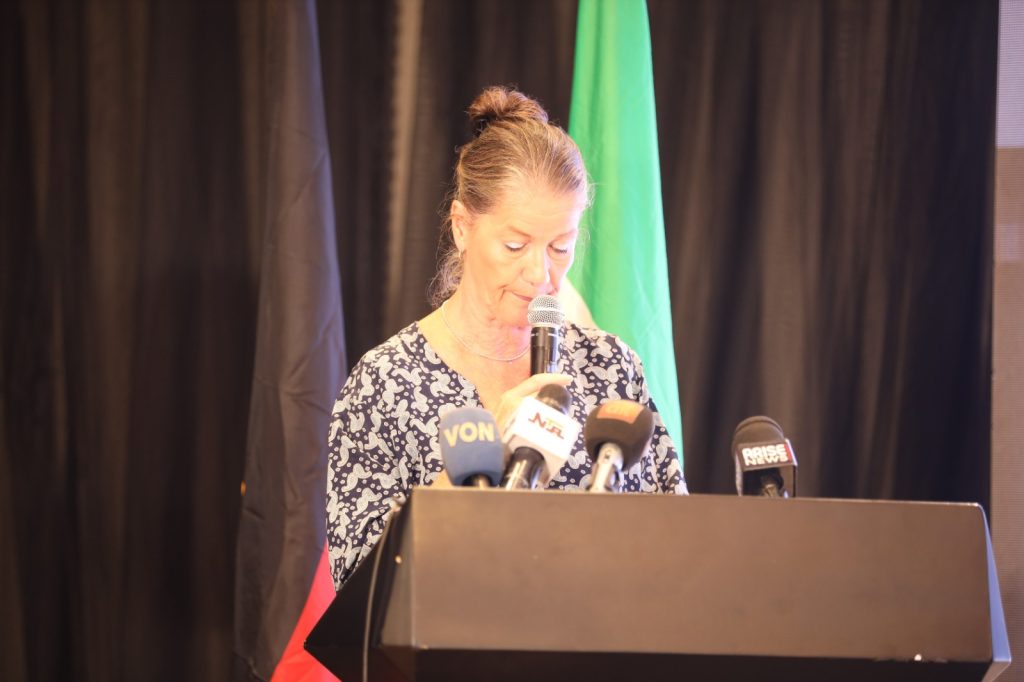
German Ambassador to Nigeria, Annett Günther, reaffirmed Germany’s commitment to strengthening Climate finance cooperation with Nigeria, stressing the importance of guarantees in attracting private capital.
“Guarantees have proven effective in reducing investment risks and can mobilise up to six times more private financing than traditional development instruments,” Günther said.
She added that Germany is working with Nigerian institutions and relevant ministries to strengthen the country’s climate financing architecture and improve investment mobilisation.
The Chairman of the Green Guarantee Group (GGG), Lars-Hendrik Röller, said discussions on climate finance must move beyond policy debates and focus on practical implementation.
Röller said; “Guarantees have emerged globally as important instruments for reducing pricing risks, improving investor confidence, and unlocking private capital for climate and development projects.”
He described Nigeria as strategically placed to lead efforts aimed at developing financing solutions that can accelerate green industrialisation across Africa.
Meanwhile, United Nations Development Programme (UNDP) Resident Representative in Nigeria, Elsie Attafuah has urged stakeholders to view guarantees as more than risk-management tools.
“Climate-aligned financing should go beyond environmental concerns to include economic growth, infrastructure development, job creation and resilience building,” she said.
Attafuah added that guarantees can accelerate investments in renewable energy, agriculture, critical minerals and infrastructure while supporting livelihoods and Nigeria’s broader economic ambitions.

