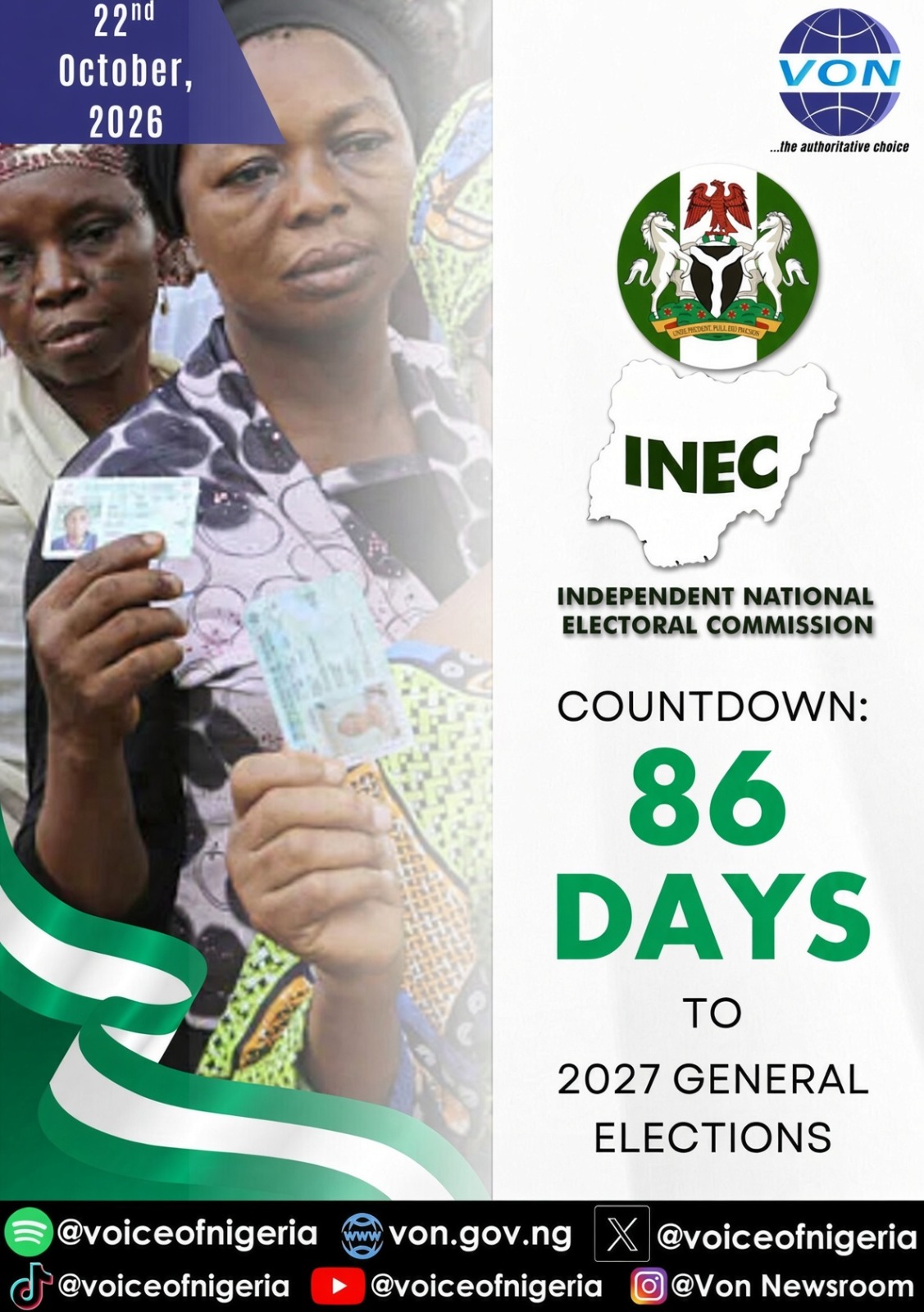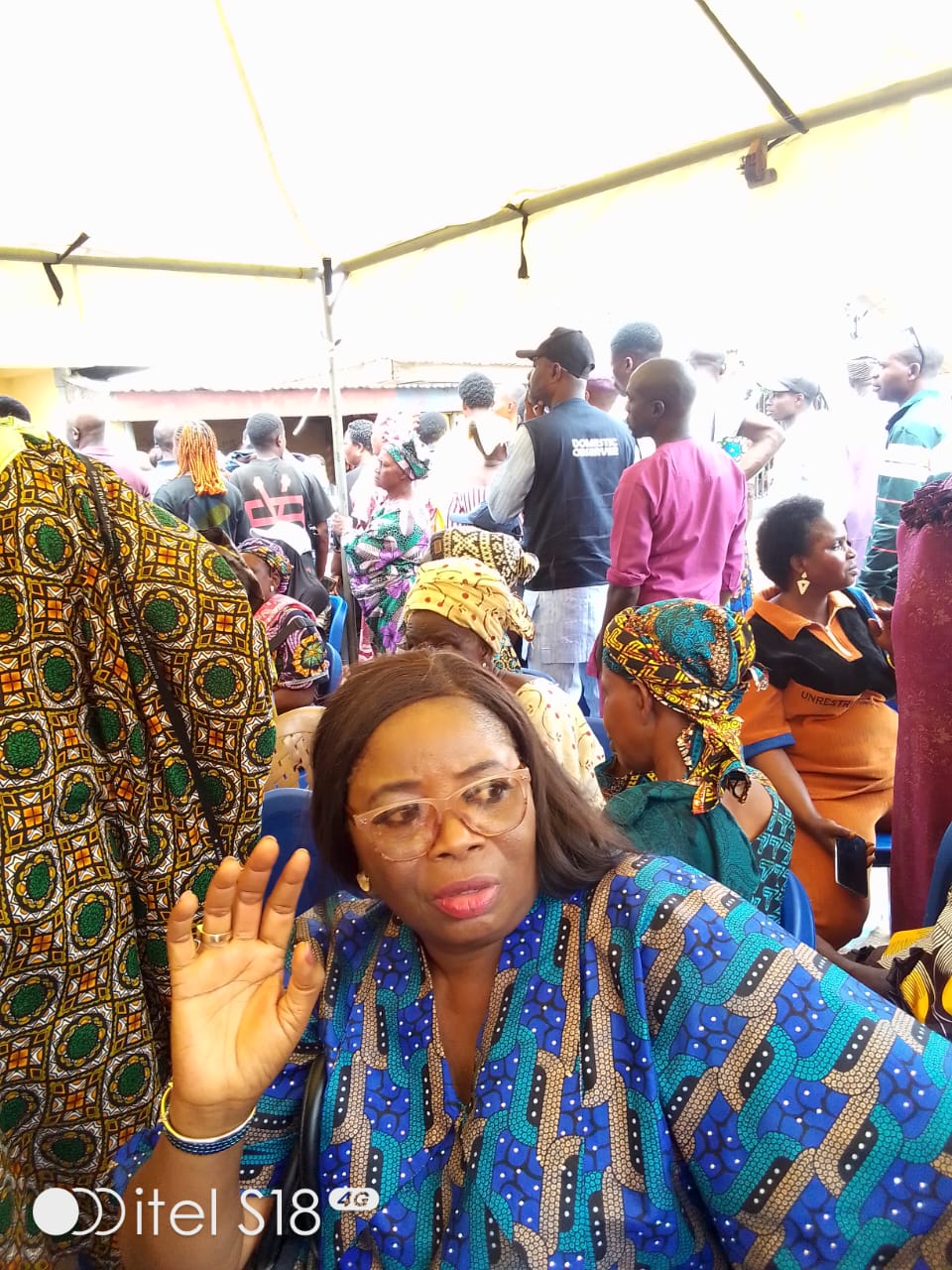
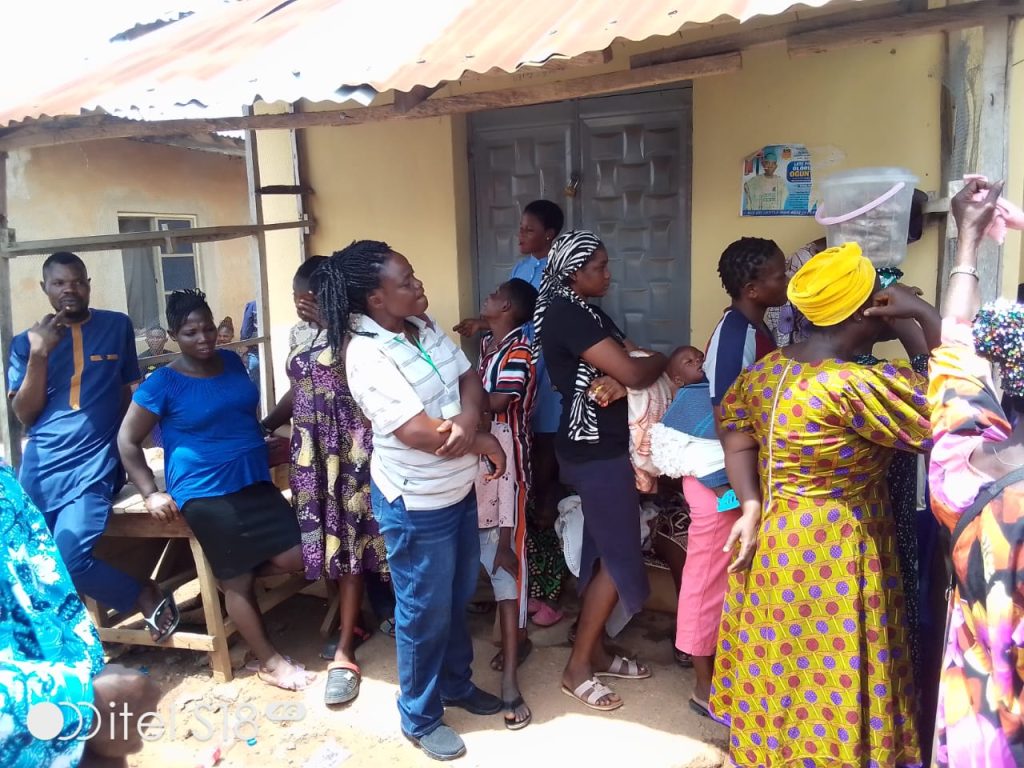
Women have once again demonstrated their growing influence in Nigeria’s electoral process, emerging as a decisive voting bloc in the ongoing governorship election in Ekiti State, southwest Nigeria.
Election observers and stakeholders note that the strong turnout of women across polling units highlights their growing influence in shaping political outcomes in the state.
Speaking during the election, Programme Officer of Gender and Election Watch, Malliya Manu, described women’s participation as impressive, noting that female voters constituted a significant proportion of those who cast their ballots.
She said it was not surprising that election officials gave special consideration to women, particularly nursing mothers and women in purdah, during the voting process. According to her, such measures help promote inclusiveness and encourage greater participation in democratic governance.
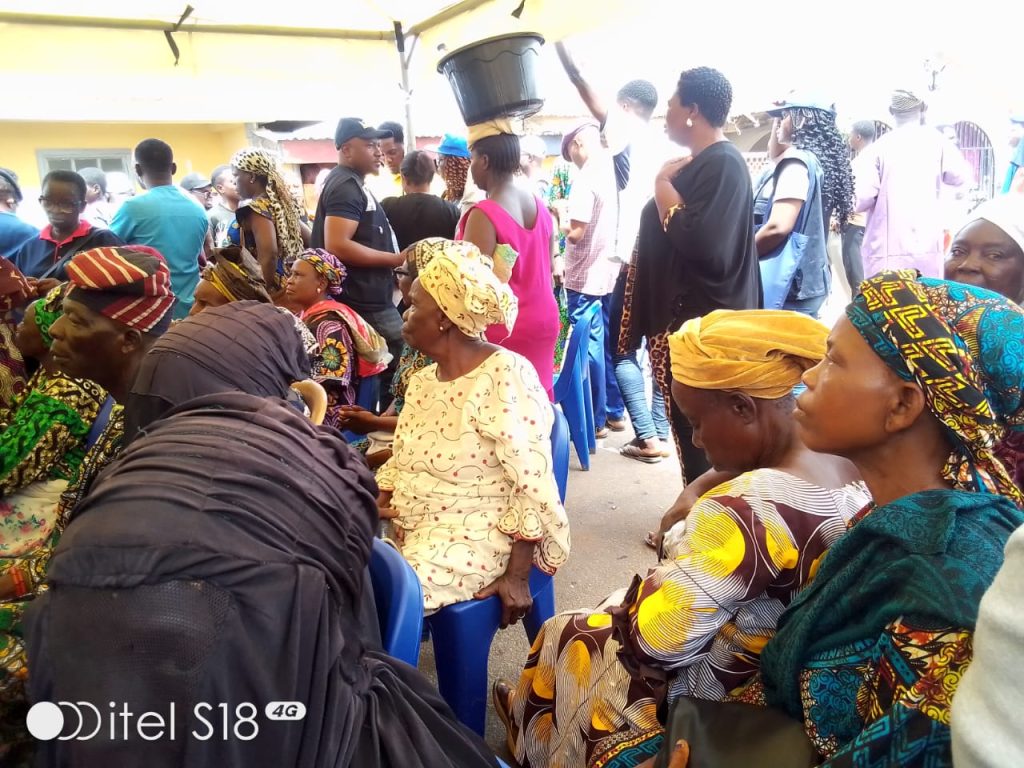
Manu also expressed hope that the growing political engagement of women would translate into increased opportunities for them to occupy key leadership and decision-making positions.
Political analysts note that women in Ekiti State play multiple roles in the electoral process, serving not only as voters but also as campaign mobilisers, party supporters, election observers and influential voices within their communities.
Across the state’s 16 local government areas, women’s groups, market associations and civil society organisations have actively supported voter education initiatives and encouraged peaceful participation in the election.
The governorship election, being conducted across 2,445 polling units, witnessed significant participation from women who turned out to exercise their civic rights.
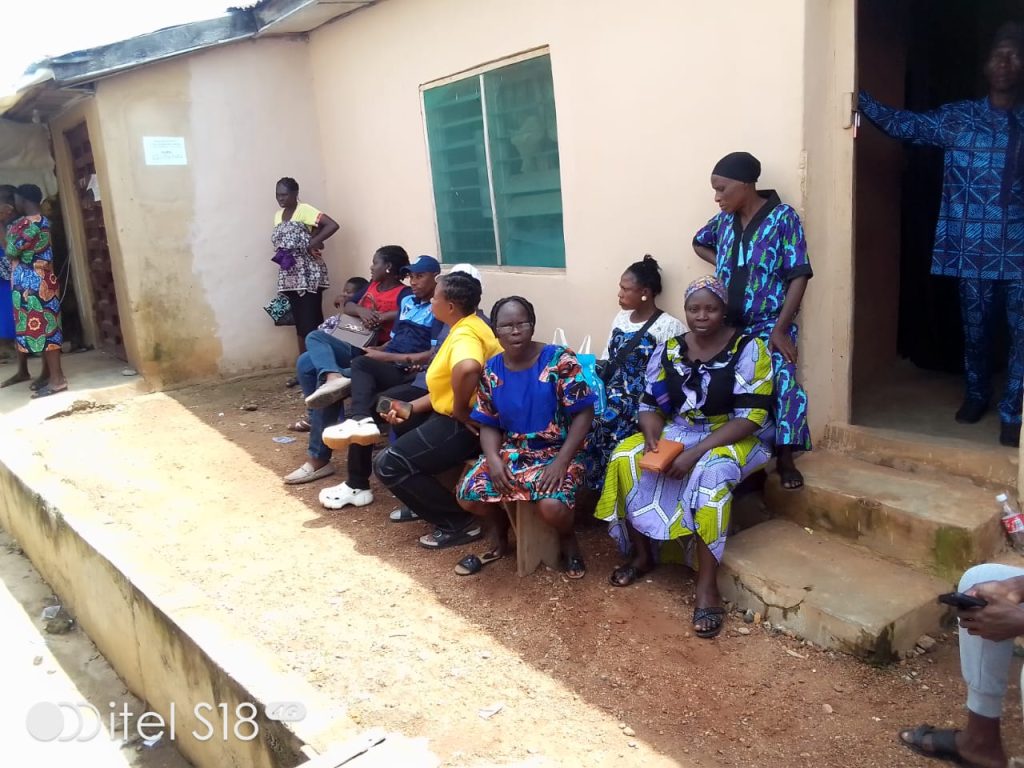
At Polling Unit 01, St. Michael’s Secondary School in Ado-Ekiti, a nursing mother, Bolanle Fayede, commended the voting arrangements, describing the process as orderly, well-coordinated and accessible.
Despite their numerical strength and active involvement in elections, women remain underrepresented in elective and appointive offices in Nigeria.
Studies on political participation in Ekiti State indicate that factors such as financial constraints, entrenched patriarchal norms, political violence and male-dominated party structures continue to limit women’s access to political leadership positions.
As voters elect a new governor, advocates are calling for greater inclusion of women in governance. They argue that with women constituting a substantial share of the electorate, expanding their representation among candidates and decision-makers would strengthen democratic institutions and ensure broader representation of citizens’ interests.
The election is being closely watched as another test of Nigeria’s commitment to inclusive democracy and gender-responsive political participation.