

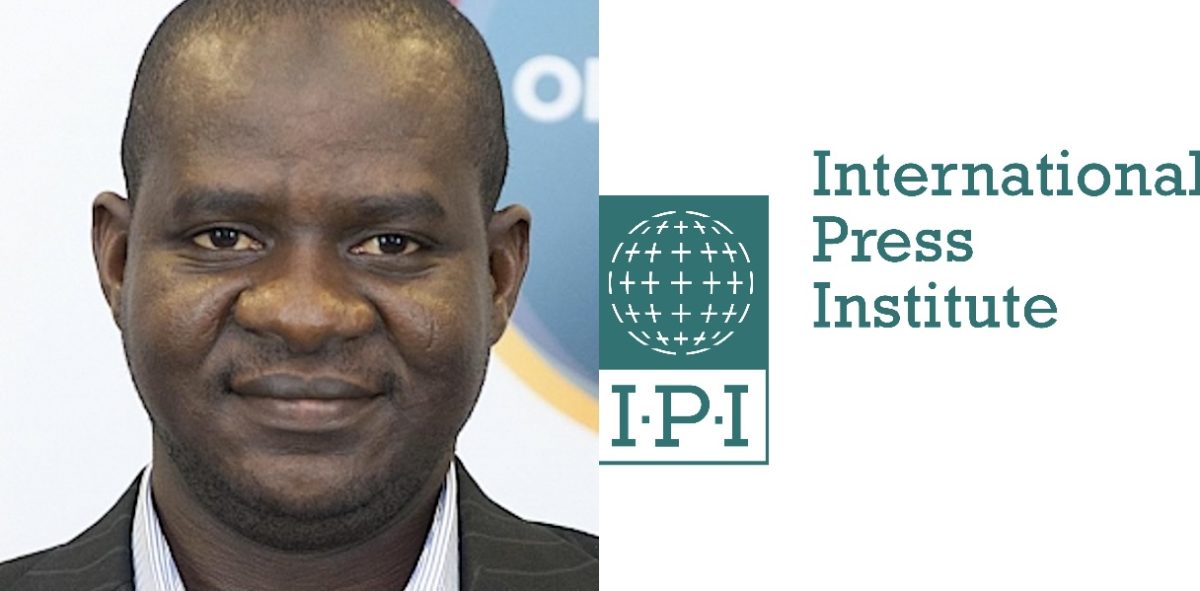
The President of the International Press Institute (IPI), Mr Musiliu Mojeed has called for a balanced relationship between the media and security institutions, saying national security and press freedom should not be viewed as competing interests in a democratic society.
Mojeed made the submission while presenting a paper titled “Nigeria Security Challenges from Journalists’ Lens: The Way Forward” during the second day of the Nigeria Union of Journalists (NUJ) National Security Summit in Abuja.
He noted that security agencies and journalists operate from different mandates, with the former responsible for protecting lives, preserving public order and safeguarding national interests, while the media has a constitutional duty to inform citizens and hold institutions accountable.
The IPI President explained that “tensions between journalists and security agencies often emerge because both institutions approach information from different operational perspectives.”
While security organisations may view certain information through the lens of threat prevention, journalists may consider access to such information necessary for public accountability and democratic participation.
According to him, “such disagreements are expected in functioning democracies and should be addressed through dialogue, professional engagement and respect for established procedures.”
He stressed that conflict between both sides should not become institutional rivalry, especially at a time when security challenges require broader cooperation across society.
Mojeed said that credible journalism plays a significant role in national security by identifying emerging threats, exposing governance weaknesses and highlighting social tensions before they develop into larger crises.
Beyond reporting events after they occur, he said the media can contribute to prevention by providing platforms that reveal public concerns and security gaps.
In an increasingly complex security environment, he noted that information, public trust and responsible communication have become critical elements of national stability.
The IPI President identified access to sensitive information as one of the major areas where friction often occurs between security agencies and journalists.
He explained that “information regarded by security institutions as operationally sensitive may sometimes be viewed by journalists as a matter of legitimate public interest.”
Managing this tension, he maintained, requires mutual understanding, professional standards and communication channels that protect both national security interests and citizens’ right to information.
The discussion at the summit highlighted the changing nature of security, where public confidence and information management increasingly influence operational outcomes.
The relationship between journalists and security agencies, therefore, must evolve from suspicion toward structured engagement that recognises the responsibilities of both institutions.
As Nigeria continues to confront terrorism, banditry, misinformation and other complex threats, the role of credible journalism remains central to strengthening public trust and supporting national resilience.

, Mr Musiliu Mojeed, has called for a balanced relationship between the media and..)