
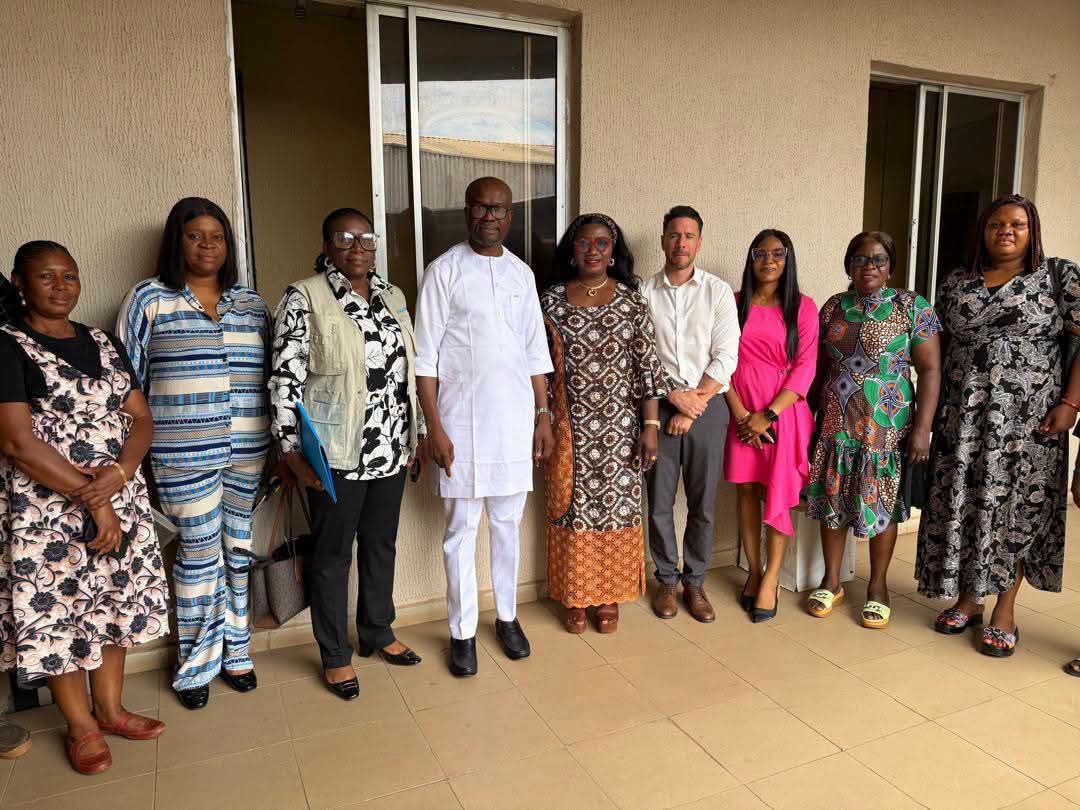
The Anambra State Government has intensified efforts to reduce maternal mortality through strengthened collaboration with the United Nations Children’s Fund (UNICEF) and other development partners to improve maternal and child healthcare across the state.
The commitment was reaffirmed during a stakeholders’ engagement on maternal health performance, where the Commissioner for Health, Dr Afam Obidike, said the government was determined to eliminate preventable maternal deaths and improve access to quality healthcare for women and children.
Obidike disclosed that the state is considering a comprehensive household mapping exercise to generate accurate population data for evidence-based planning, efficient resource allocation and improved healthcare delivery.
The stakeholders’ meeting reviewed the state’s June 2026 maternal and child health performance. Presentations were delivered by the Maternal and Perinatal Death Surveillance and Response (MPDSR) Desk Officer, Ijeoma Ikeanyionwu; the State Immunisation Officer, Mrs Edith Onwuka; and the State Epidemiologist, Dr Emembolu Chuma.
According to the report, Anambra recorded maternal health indicators significantly above Nigeria’s national averages, with fourth-visit antenatal care coverage at 84.9 per cent, facility-based deliveries at 83.2 per cent, and skilled birth attendance at 91.8 per cent.
Postnatal care coverage also remained high, reaching 73.2 per cent for mothers and 71.2 per cent for newborns.
The UNICEF delegation, led by Health Manager Martin Dohlshen and Health Specialist Dr Ifeyinwa Anyanyo, participated in discussions on strengthening maternal and child health systems, improving data quality and enhancing healthcare service delivery.
UNICEF Health Systems Specialist Dr Emmanuel Emedo commended Anambra’s progress but called for improvements in health information management. He described the continued use of the “Black Book” reporting system as a major challenge and stressed the need for accurate birth registration and stronger disease surveillance.
Despite the encouraging performance, the report identified concerns over neonatal and child mortality, as well as discrepancies in death reporting between the District Health Information System (DHIS2) and the Maternal and Perinatal Death Surveillance and Response (MPDSR) platforms, indicating that maternal and neonatal deaths remain under-reported.
The report also highlighted challenges affecting immunisation in some local government areas, including cold-chain failures, digital reporting gaps and an increasing number of zero-dose children. It noted that surveillance teams continue to monitor priority diseases such as measles, yellow fever, acute flaccid paralysis (AFP), Lassa fever and Mpox across the state.
To address the identified gaps, the state government announced plans to strengthen emergency obstetric care, improve referral systems, expand disease surveillance infrastructure and enhance primary healthcare services.
In her closing remarks, the Permanent Secretary, Ministry of Health, Dr Obiageli Uchebo, commended development partners, stakeholders and frontline health workers for their continued commitment to improving maternal and child health outcomes.
She called for sustained collaboration to consolidate existing gains, strengthen the state’s healthcare system and accelerate progress towards reducing maternal and child mortality across Anambra State.

