

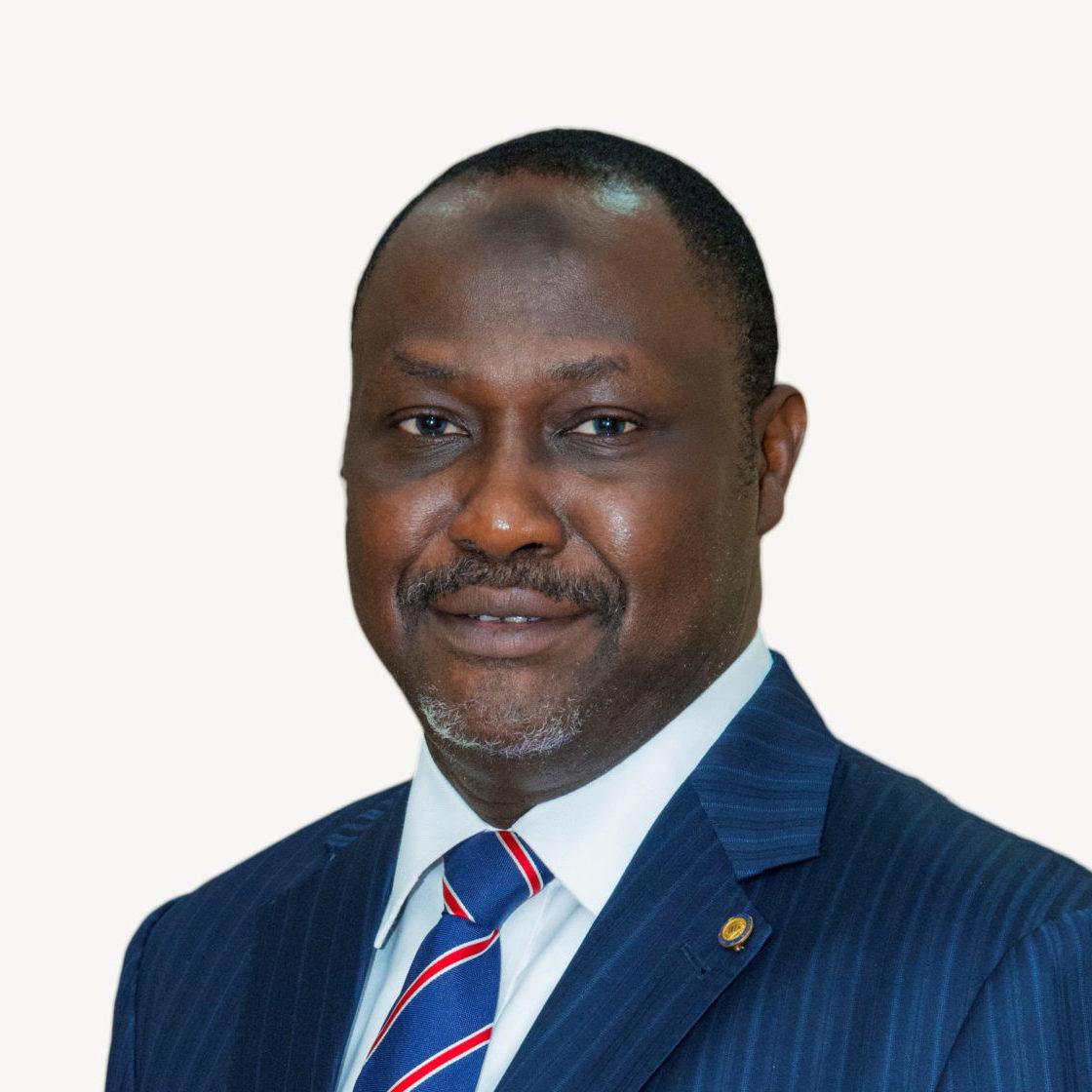
The President and Managing Director of the Africa Finance Corporation (AFC), Samaila Zubairu, has cautioned that Africa’s continued reliance on foreign investment will only delay the continent’s economic transformation.
He emphasised that African nations must first focus on developing their own financial capacity to attract global investors.
Speaking at the Afreximbank Annual Meetings in Abuja, Zubairu highlighted the continent’s untapped potential, revealing that Africa holds an estimated $4 trillion in domestic capital resources. He explained that, with the right regulatory frameworks and strategic investment structures, this capital can be harnessed to fast-track infrastructure development and sustainable growth.
“We don’t need more capital from abroad—we need the ability to invest the capital we already have in sectors that can drive growth, create jobs, and build resilience,” Zubairu stated.
He further revealed that an additional $1.1 trillion exists within Africa’s non-bank financial sector. These resources, he said, could be mobilised through targeted reforms and more effective financial intermediation.
Despite the presence of growing institutional wealth and a maturing financial ecosystem, Zubairu lamented that much of Africa’s capital remains either idle or invested offshore due to weak regulatory environments, policy inconsistencies, and low investor confidence. As a result, private sector investment is not reaching the scale required to spark inclusive economic development.
“This must change,” he asserted. “We don’t have a capital shortage; we have a deployment problem.”
Zubairu stressed the urgent need for African countries to create clear pathways for channelling domestic funds into private equity, venture capital, and long-term infrastructure projects. He cited the InfraCredit model as proof that local capital can be scaled when supported by innovative financial frameworks.
He called on governments to work closely with the private sector to introduce risk-sharing mechanisms, strengthen governance, and design regulatory incentives that boost investor confidence and drive capital into critical sectors such as roads, ports, power, healthcare, and industry.
According to Zubairu, Africa is uniquely positioned to shape a homegrown development agenda—one that is less vulnerable to global market shocks and more aligned with local needs.
“Foreign capital follows local capital. Foreign aid alone cannot build the Africa we want. We must catalyse our own resources, pension funds, sovereign wealth, insurance capital and redirect them into real economic transformation,” he said.
With courage, clarity, and collaboration, Zubairu concluded, Africa can unlock its financial power and build the future it deserves.