

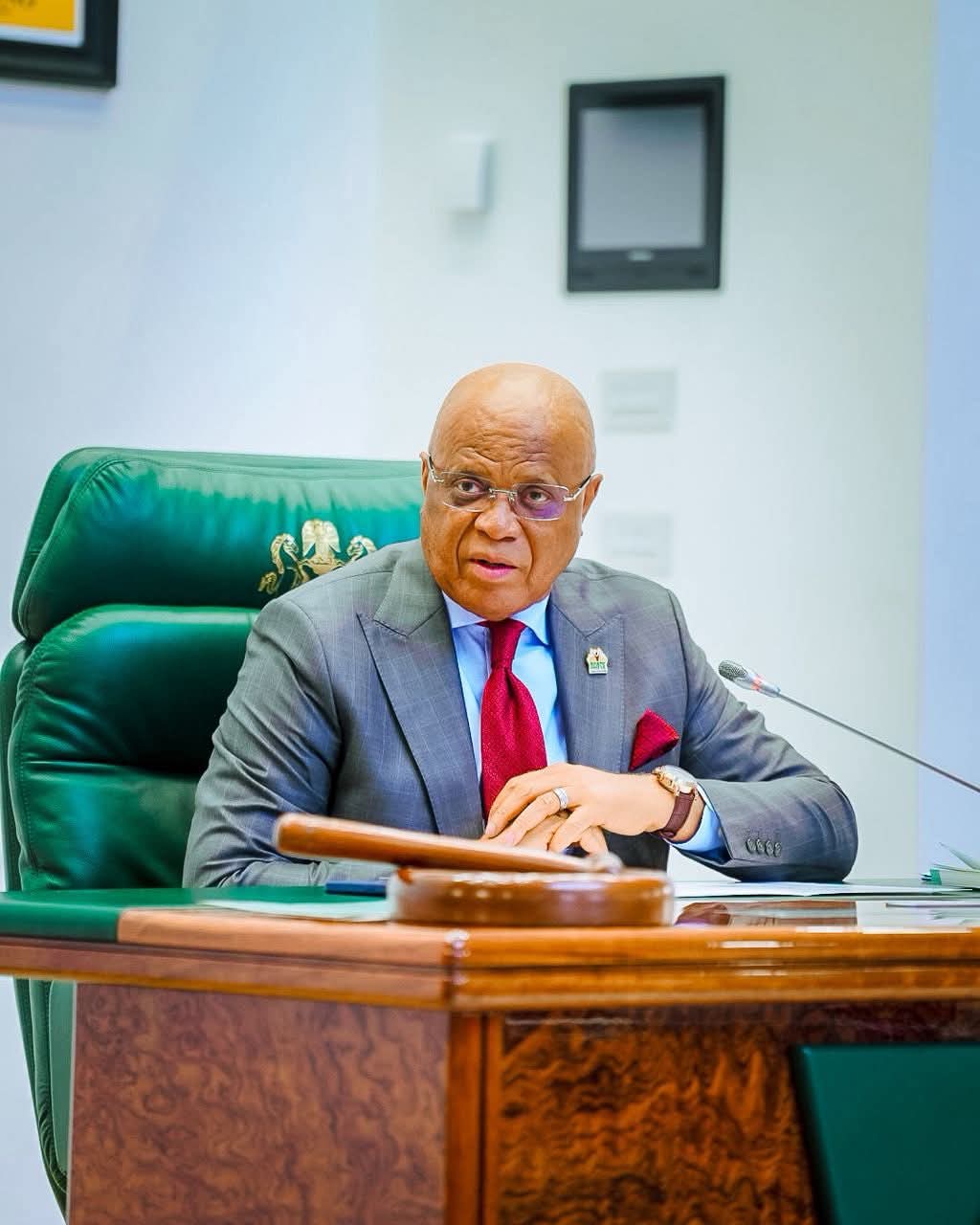
The Akwa Ibom State Executive Council has approved a series of landmark policy actions aimed at deepening governance reforms, enhancing access to justice, revitalising the health sector, and strengthening teacher education in the state.
In his opening remarks, Governor Eno emphasised the need for commitment to service delivery, teamwork, and adherence to set timelines for the full realisation of the ARISE Agenda, charging EXCO Members to remain steadfast and loyal to the ideals of the administration.
“Let us stay focused on the goals we have set under the ARISE Agenda. We must remain united in our pursuit of effective service delivery and ensure that every ministry, department, and agency contributes meaningfully to the overall development of our state,” the governor said.
To improve efficiency in governance and eliminate overlaps in functions, the governor approved the constitution of a special committee to realign and update ministerial responsibilities.
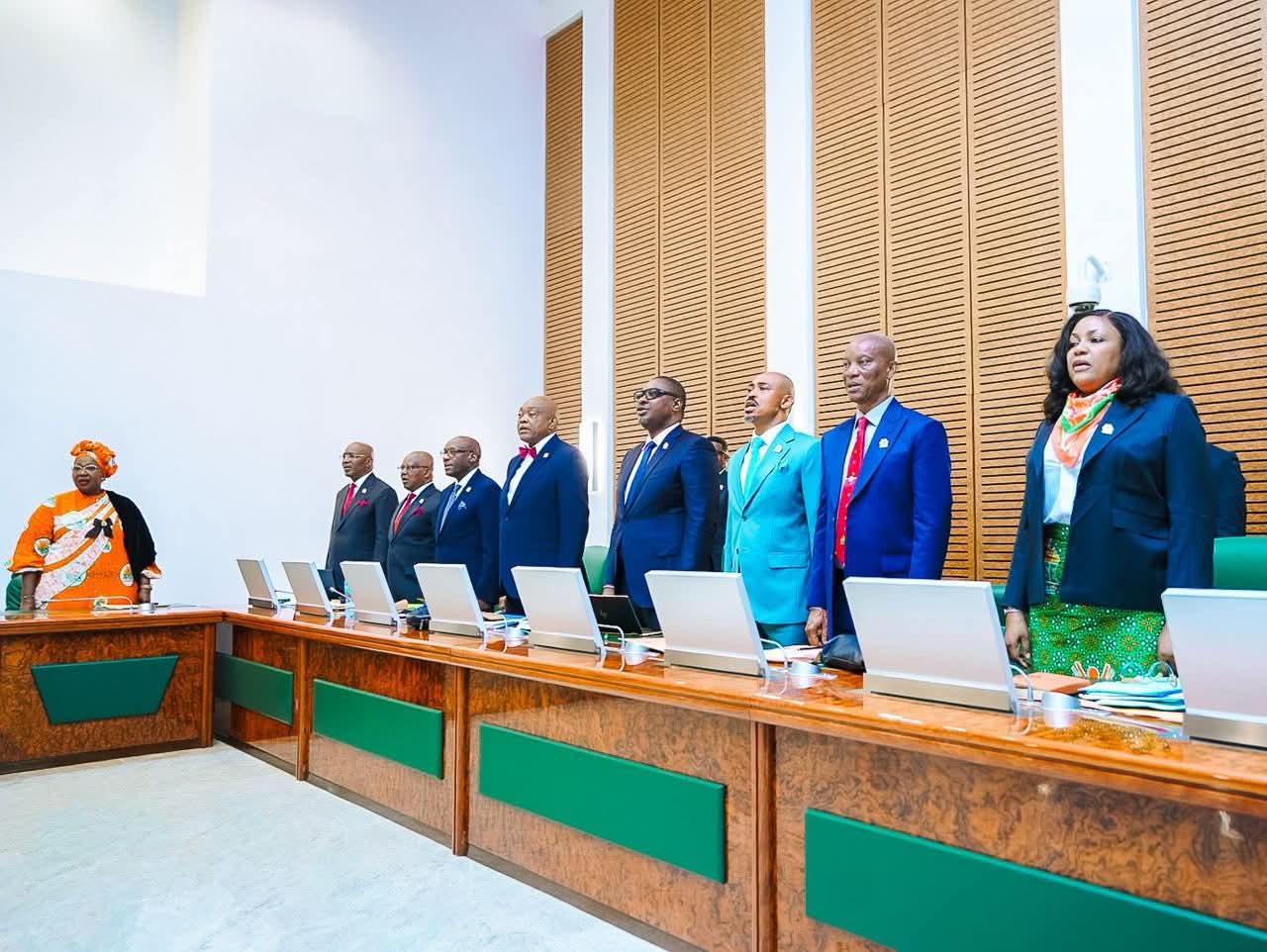
The committee, chaired by the Secretary to the State Government, includes the Head of the Civil Service, Executive Assistant, Attorney-General, Solicitor-General, and Managing Director of a designated State agency. The committee has been given six weeks to submit its report.
Establishment of the Office of the Public Defender
In a major move toward promoting justice, social welfare, and human rights, the Council approved the establishment of the Office of the Public Defender under the Ministry of Justice.
The new office will provide free legal representation to indigent residents, reduce the number of suspects detained without trial, protect the rights of the vulnerable, and educate citizens on their legal rights and responsibilities, aligning with the administration’s justice and governance priorities under the ARISE Agenda.
Health Sector Reform and Emergency Response
Following a review of the inter-ministerial committee report on the implementation of the State of Emergency in the Health Sector, Council approved a comprehensive rollout of key interventions with specific timelines.
These include the recruitment of doctors and medical professionals, increased allowances for health personnel, and the adoption of the “Skipping Policy” for the health sector.
Other resolutions include the completion of Bills of Quantities (BOQs) for Phase I of hospital rehabilitation projects within two weeks to enable the commencement of health infrastructure interventions by November 1, 2025.
A Health Sector Stakeholders Dialogue has been scheduled for November 8–9, 2025, while the commissioning of the General Hospital, Ukanafun, is slated for November 10, 2025.
Council also approved a “Medical Residency Training Fund”, subject to necessary agreements, to boost the capacity and welfare of medical professionals in the state.
Education College Upgrade Approved
In furtherance of the State’s Human Capital Development goals under the ARISE Agenda, the Council approved the upgrading of the College of Education, Afaha Nsit, to the Akwa Ibom State University of Education.
The decision aims to raise the standard of teacher education, improve professional development, and strengthen the quality of instructional delivery across the state.
Projects and FGPC Memos
The Council also considered and ratified several Federal Government Project Coordination (FGPC) memos on ongoing infrastructure and development projects across the State, reaffirming the administration’s commitment to accountability and project continuity.
Security Collaboration Strengthened
Earlier, Governor Eno received in audience the Assistant Inspector-General of Police in charge of Zone 6, Auwal Mohammed Musa, who commended the Governor for his consistent logistical and welfare support to the Police and other security agencies in the State.
The AIG described the partnership as exemplary and noted that it has significantly improved policing and public safety in Akwa Ibom.
Governor Eno reiterated his administration’s readiness to sustain collaboration with security agencies, stressing that peace and safety remain the foundation of development.
The officials described the meeting as “a productive session that advanced the ARISE vision for a more just, healthy, and educated Akwa Ibom.”
The Executive Council resolutions reflect Akwa Ibom State’s deliberate alignment with President Bola Ahmed Tinubu’s Renewed Hope Agenda, which emphasises justice, inclusivity, economic diversification, and human capital development.
From justice sector reforms that guarantee equal access to legal representation to revitalising the health and education sectors, the State is mirroring the national drive toward social renewal and sustainable growth.
Governor Umo Eno’s administration, through the ARISE Agenda, continues to complement federal efforts to deliver people-centred governance—anchored on fairness, productivity, and opportunity for all.