

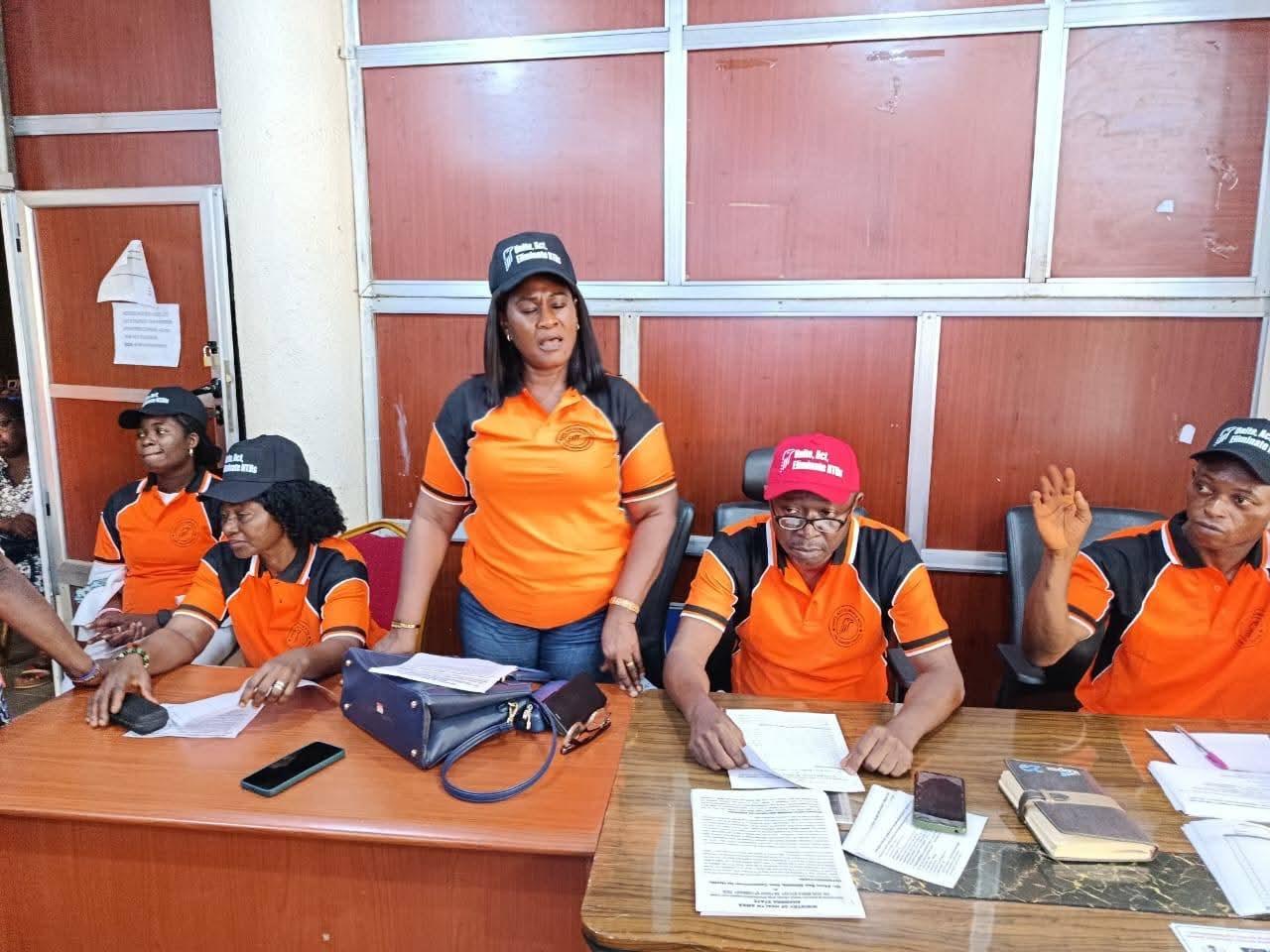
The Anambra State Commissioner for Health, Dr Afam Obidike, has announced the commencement of post-treatment surveillance for river blindness (onchocerciasis) and lymphatic filariasis, also known as elephantiasis, in no fewer than 259 villages across 23 endemic communities in the state. The surveillance covers four cross-border local government areas: Ayamelum, Awka North, Orumba North and Anambra East.
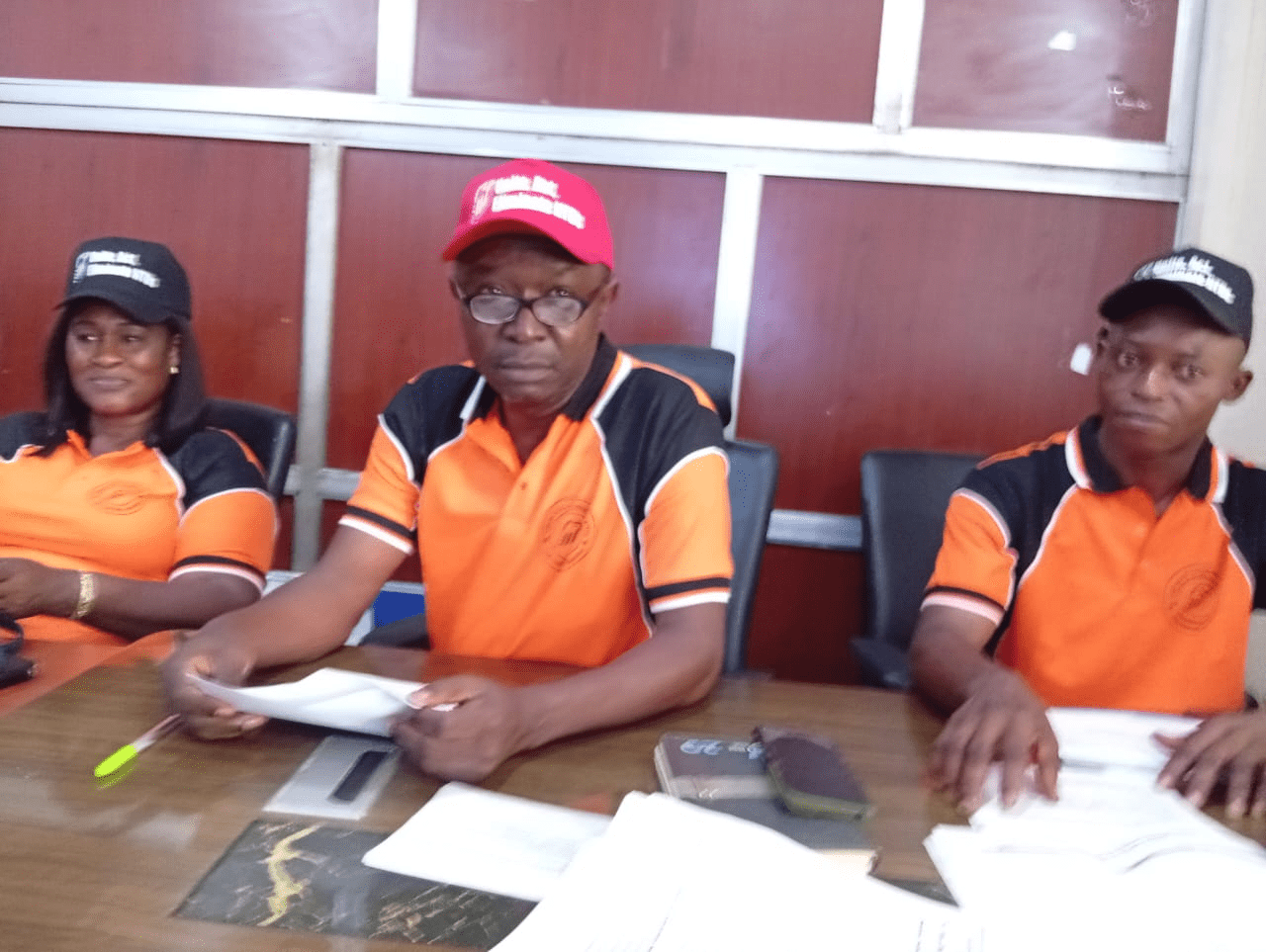
Dr Obidike disclosed this during a press briefing in Awka to mark the Anambra State edition of World Neglected Tropical Diseases (NTDs) Day, organised by the State Ministry of Health in collaboration with international partners, including the Carter Centre, Sightsavers, and the Federal Ministry of Health. He was represented at the event by the Director of Public Health and Disease Control, Dr Afam Anaeme.
The commissioner described NTDs as a group of preventable and treatable infectious diseases that disproportionately affect the world’s poorest and most marginalised populations, with an estimated 1.5 billion people impacted globally. He noted that although NTDs comprise 21 diseases, they receive far less attention and funding compared with HIV, tuberculosis and malaria.
According to the World Health Organisation (WHO), lymphatic filariasis alone is responsible for about 25 million cases of hydrocele in men and more than 15 million cases of lymphoedema, commonly known as elephantiasis, worldwide. In Anambra State, four NTDs are endemic: onchocerciasis (river blindness), schistosomiasis (bloody urine and stool), soil-transmitted helminthiasis (intestinal worms), and lymphatic filariasis, which causes elephantiasis and hydrocele.
Dr Obidike said Anambra has recorded significant progress in tackling these diseases through sustained partnerships and community-based interventions. He revealed that, in collaboration with the Carter Centre and other partners, the state recently conducted free hydrocele surgeries, with 176 men benefiting from the programme as part of efforts to eliminate NTDs.
“Neglected Tropical Diseases are not just a health issue; they are a development and global security concern,” the commissioner said. “Protecting at-risk populations from these debilitating diseases safeguards communities and restores hope and productivity to millions of people.”
He added that recent studies indicate Anambra State is approaching the elimination threshold for several NTDs, stressing that elephantiasis is curable when detected early. He urged residents to promptly report cases of elephantiasis, hydrocele, dog bites, snakebites, onchocerciasis nodules, yaws, Buruli ulcer, leprosy, Guinea worm disease and bloody urine to the nearest health facility. He also encouraged the consistent use of long-lasting insecticide-treated mosquito nets to prevent mosquito-borne transmission of lymphatic filariasis and malaria.
Cross-border Transmission
Speaking on cross-border transmission, the State NTD Coordinator, Dr Emmanuel Obikwelu, said the ministry has intensified interventions in border communities, distributing Mectizan and Albendazole to populations living near neighbouring states such as Kogi and Enugu. He disclosed that Anambra has 14 treatment centres where elephantiasis patients receive free care, including psychosocial support, with support from the Carter Centre.
The Carter Centre’s Programme Officer in Anambra, Mrs Attamah Egeonu, commended the state government for its strong political will and collaboration, noting that the progress recorded is the result of collective effort across ministries, agencies and communities. She called on residents to become NTD ambassadors and help sustain the gains already achieved.
As part of activities to mark World NTD Day, themed “Unite, Act, Eliminate NTDs,” students of Christ the King Seminary, Nnobi, led an awareness road walk and staged a drama highlighting the causes and prevention of schistosomiasis. Goodwill messages were also delivered by representatives of education agencies, academic institutions, professional bodies and development partners.
The event served as a renewed call to action for advocacy, sensitisation, research and integrated strategies aimed at the total elimination of neglected tropical diseases in Anambra State and beyond.