

The Nigerian Army is recalibrating its operational approach in the North-East, as the Chief of Army Staff signals tactical adjustments to sustain pressure on insurgent groups.
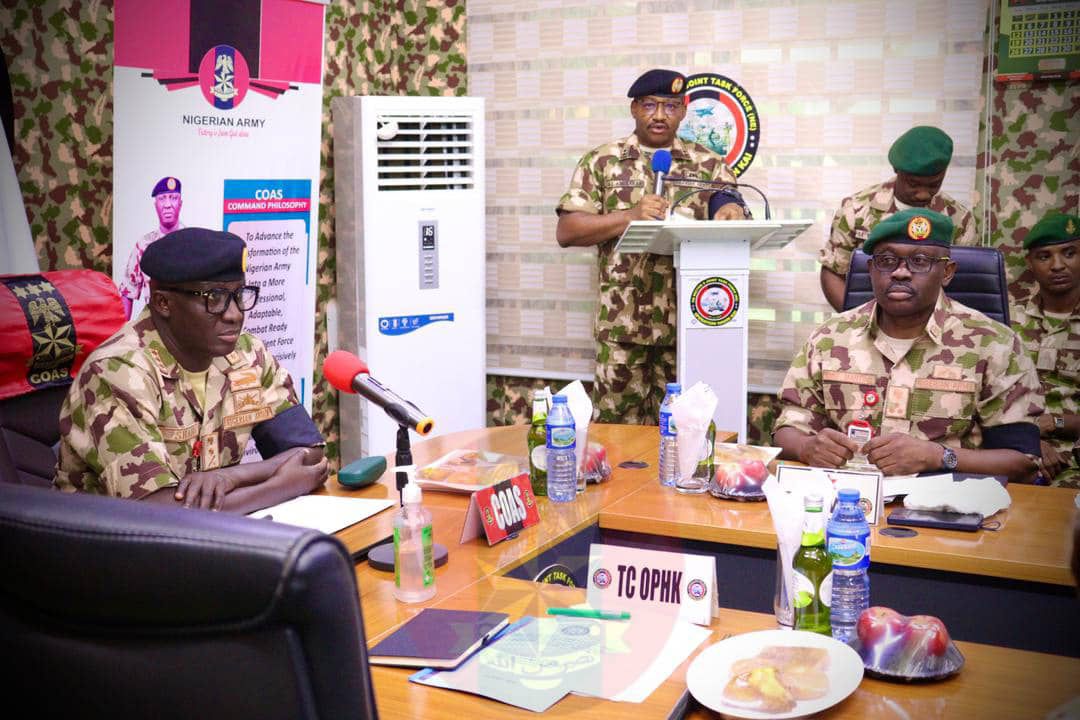
This position was outlined during an operational visit to Yobe State, where the Chief of Army Staff, Lieutenant General Waidi Shaibu, conducted a frontline assessment and troop engagement at Sector 2 of Joint Task Force North East, Operation HADIN KAI in Damaturu.
During the visit, the Army Chief acknowledged recent attacks on troop positions but maintained that the force remains operationally resilient and committed to defeating all threats.
“Despite recent challenges, the Nigerian Army remains steadfast and undeterred in carrying out its constitutional mandate.”
He indicated that evolving threat patterns are driving changes in operational strategy, with adjustments already underway to improve response effectiveness and sustain gains across the theatre.
“We are constantly adapting our approaches to match the changing dynamics of the security environment” he said.
The visit also reinforced civil-military coordinationas Yobe State Governor, Mai Mala Buni, received the Army Chief, while Borno State Governor, Babagana Zulum, alongside Senator Ali Ndume, paid a condolence visit over recent troop casualties.
READ ALSO: Army Chief Deploys Additional Troops to Plateau State
Army, Police Align on Joint Security Operations
Governor Zulum pledged additional support and strategic alignment with security agencies, noting the need to evolve responses in line with the shifting threat landscape.
Addressing troops, Lieutenant General Shaibu charged them to sustain offensive momentum and remain relentless in ongoing operations.
“Remain aggressive and resolute in dealing with terrorists, in honour of our fallen comrades.”
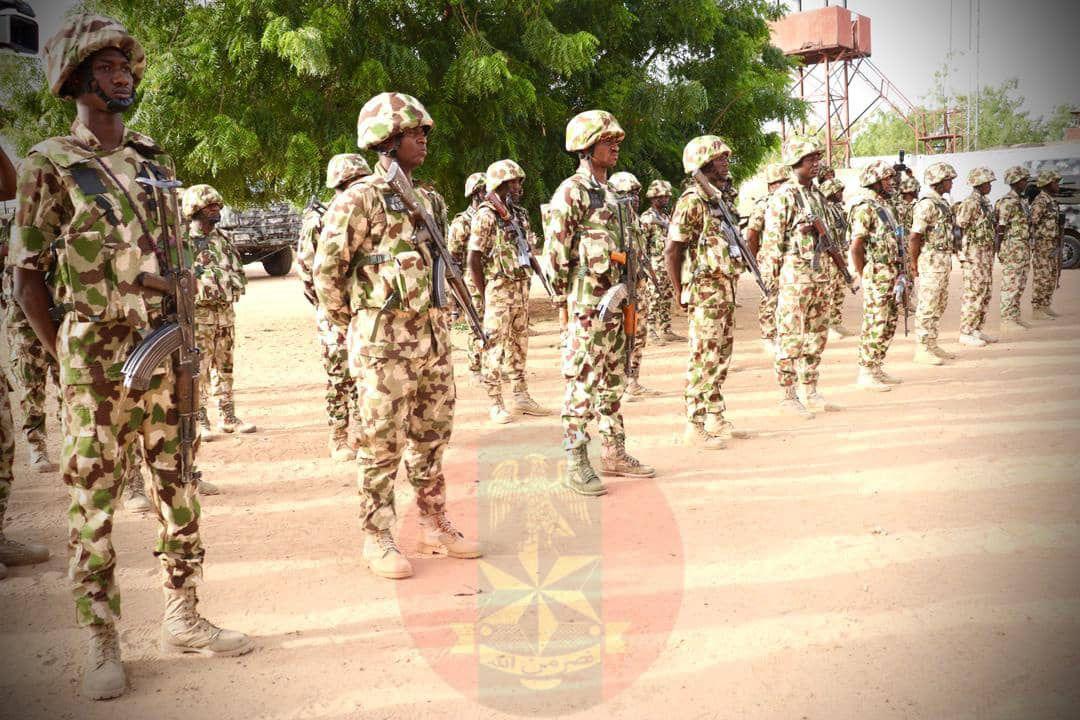
He also urged subnational authorities to deepen support for frontline operations, stressing that operational success is closely tied to sustained collaboration between the military and state actors.
The emphasis on tactical adjustments indicates a transition phase in operations, where lessons from recent engagements are being integrated into new battlefield approaches.
The convergence of military reassessment and increased state-level engagement suggests a broader recalibration, linking operational strategy with political and local support structures to sustain long-term counterinsurgency effectiveness.