

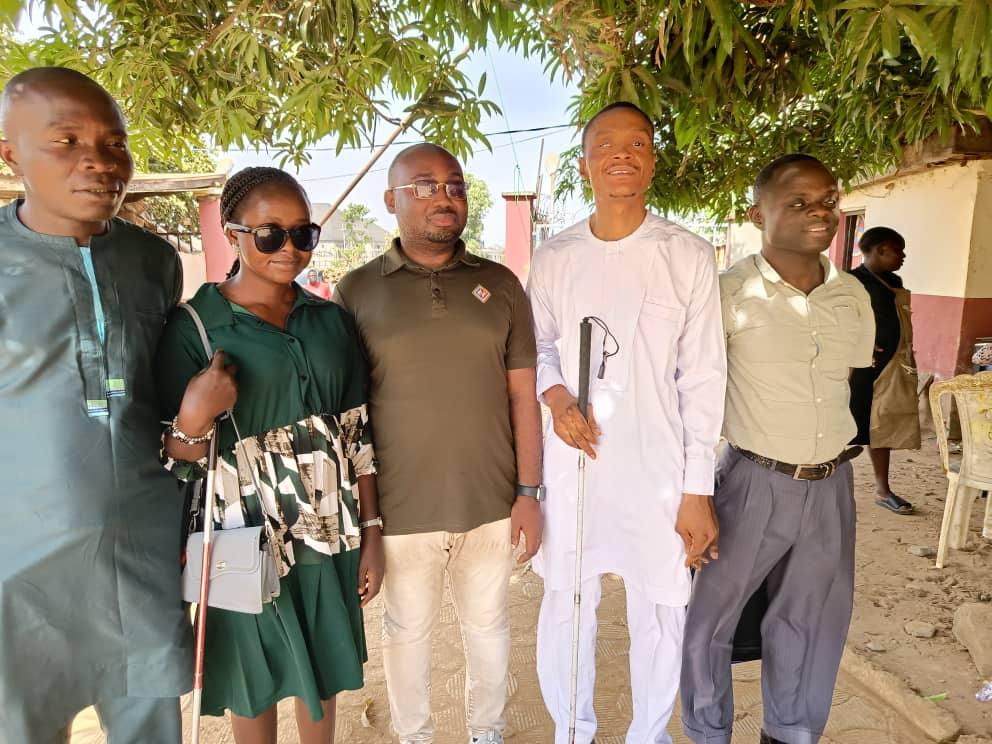
A newly formed advocacy group representing Alumni of the FCT School for the Blind Children in Jabi, Abuja has launched a public appeal, calling on the Federal Capital Territory Administration (FCTA) to strengthen its support for special needs education and fully uphold disability rights legislation.
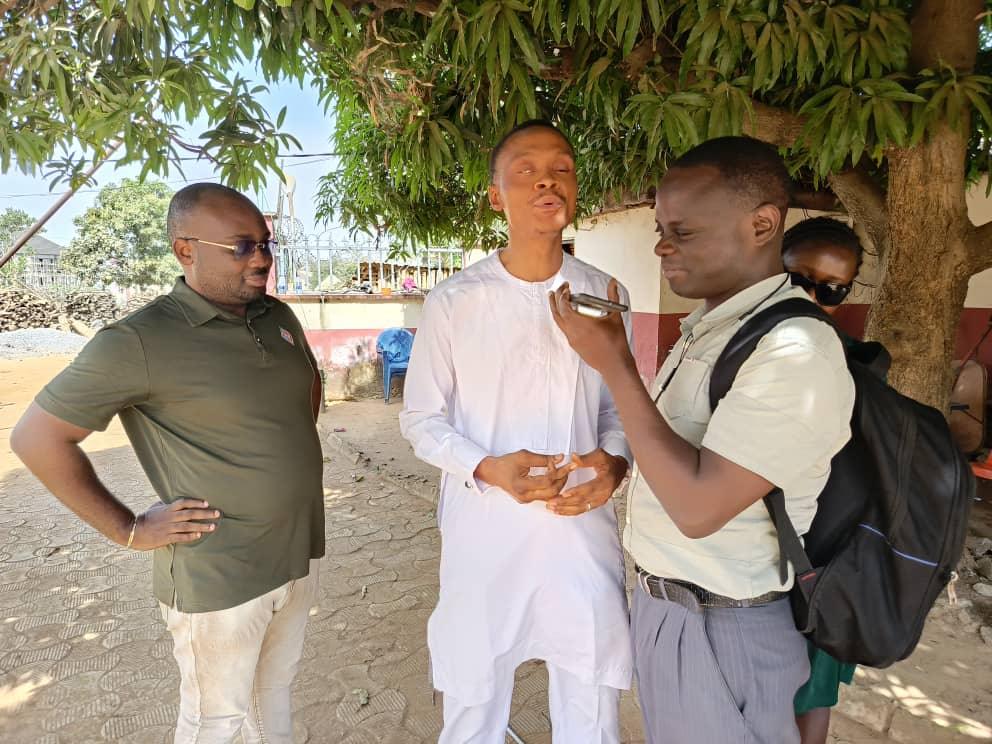
The group, the Jabi Old Visually Impaired Students Association (JOVISA), raised the concerns during its inaugural Annual General Meeting (AGM) held in Abuja on Monday, where members decried the erosion of free education at the FCT’s only school for the blind, alongside the near absence of post-primary education and employment opportunities for visually impaired persons.
The Chairperson of the Association, Ms Jumai Monday said JOVISA was formed to confront long-standing social and economic barriers, including rising school dropouts, exclusion, and discrimination faced by persons living with visual impairment.
She said; “There are some of our members who dropped out of school maybe because they don’t have someone to sponsor them and some because of discrimination or they don’t have someone to speak out for them…So our being here is to speak for those who cannot speak for themselves with one voice as an association.”
Mrs Monday urged the government to provide free education, scholarships, and job opportunities for their members.
Free Education Compromised
The FCT School for the Blind Children in Jabi has remained the only government primary institution dedicated to visually impaired students in Nigeria’s capital since its establishment in Zuba in 1991, highlighting a critical inadequacy in the FCT’s educational infrastructure more than three decades later.
Alumni raised concerns that the school’s long-standing status of offering tuition-free education has been eroded, placing a financial burden on poor families.
A lawyer and one of the oldest alumni, Mr. Theophilus Odaudu, stated that the decline in government interest is disturbing.
“We are witnessing a sort of decline in the interest that the government is having in the school such that we hear now that the tuition which used to be free for students is no more so,” he said.
Mr. Odaudu clarified that students are now being asked to contribute financially which he described as a major setback, especially since the school, being under Universal Basic Education, should be entirely free.
A Gap in Continuing Care
The Association also pointed to a significant gap in the FCT’s inclusive education system. After completing primary education at Jabi, visually impaired students face limited options.
“When people graduate they need secondary schools that are inclusive, schools where they are able to learn with relevant facilities available for them to continue their education. At the moment, we don’t have a lot of them in the FCT,” Mr. Odaudu explained.
He noted that the FCT Administration currently provides insufficient inclusive secondary schools, with the Government Secondary School (GSS) Kwali being the only known facility accommodating blind students.
Furthermore, the FCT School for the Blind’s strict admissions policy leaves newly blind adults without essential rehabilitation and training support.
“Older persons with disabilities above the age of 16 are no longer accepted in the school,” Mr. Odaudu said, stressing that “There is no alternative for adult persons with blindness in the FCT as it stands and we feel that that needs to be fixed.”
Demand for Disability Act Enforcement
JOVISA’s key demand is for the FCT and Federal Governments to fully implement the Discrimination Against Persons with Disabilities (Prohibition) Act, especially regarding job placement. The alumni argue that systemic bias prevents qualified visually impaired graduates from securing employment.
“When people are done with studies, the next thing is to seek employment and we feel that the government is also not doing so much in terms of employing persons with blindness in the society,” Mr. Odaudu insisted.
He said; “More persons with disabilities, especially those with blindness, should be given employment opportunities where they are qualified to function.”
The Chairman of the Contact and Mobilisation Committee, Mr. Gabriel Emualosi, affirmed the association’s determination to drive this change by acting as a permanent advocate for all members.
“We are going to be an advocate for all the students who are there in this school now and also help our members in the society, especially when it comes to being recognised for employment and other critical issues,” Mr. Emualosi added..