Home Blog Page 2

Nigeria Records 59% Score in Leadership Equality Index

0

The 2025–2026 Reykjavík Index for Leadership report, measuring perceptions of equality for men and women in leadership in Nigeria, shows that Nigeria’s Index for Leadership rose to 59% in 2025 from 57% in 2024.

The Advocacy Lead at Gatefield, Shirley Ewang, presenting the report in Abuja, Nigeria’s capital, stated that the index was largely driven by changing perceptions among men, reflecting that nine in ten Nigerians now believe women can lead.

“Women’s scores remained at 61, while men’s scores increased from 53 to 56, narrowing the perception gap from eight points to five. The most notable gains came among older men (45–65), historically the most conservative demographic.”

According to the 2025–2026 Reykjavík Index for Leadership, the survey found that 89% of Nigerians are comfortable with women as CEOs of major companies, while 77% are comfortable with women as Heads of Government.

“Nigerians overwhelmingly believe women are capable leaders, but institutional barriers continue to hinder their rise. This highlights a stark disparity between comfort levels and actual representation.

“While most Nigerians are comfortable with a woman leading, women occupy only 12% of CEO roles and 4% of National Assembly seats,” Ewang said.

According to the report, despite rising acceptance of women in leadership, only 55% of Nigerians believe workplace equality exists, down from 62% in 2024, as men were more likely than women to report inequality, highlighting a disconnect between public comfort with female leaders and daily workplace realities.

Sectoral analysis revealed structural bias. Banking & Finance (73), Education (72), and Pharmaceutical/Medical Research (70) scored highest, while Childcare (33), Fashion & Beauty (46), and Engineering (46) lagged.

“We expect women to carry the burden of care, but hesitate to see them as leaders shaping care systems,” said Blessing Adesiyan, CEO of Caring Africa.

Other experts called for systemic reforms. Ekemini Akpakpan from Women in Successful Careers (WISCAR) said, “Public support exists, but institutional barriers prevent women from claiming leadership. Our institutions must step up to ensure perception mirrors reality.”

From the Nigeria Governors Forum Secretariat, Rachel Pindar added: “Society is ready, but the system must follow. The real barrier is no longer public opinion, but the policies and structures that determine who gets into positions of power.”

Omowunmi Akingbohungbe, of Women in Management, Business, and Public Service, urged proper support for women-led sectors, saying it “can unlock jobs, strengthen the creative economy, and add billions to national economic output.”

Itunu Hunga, representing Women in Leadership Advancement Network, stressed: “Government and political leaders must enforce merit, set targets, and hold each other accountable because without women in leadership, our democracy cannot reach its full potential.”

The Reykjavík Index notes that whereas Nigerians are ready for women leaders, institutions must catch up to translate societal acceptance into economic power, authority, and leadership opportunities.

Commission Adopts Technology-Driven Compliance

The Federal Character Commission states that it has implemented technology-driven compliance measures to enhance the implementation of the federal character principle and ensure equitable representation nationwide.

Commissioner Peter Eze, representing Enugu State, stated this during an interactive session with journalists in Abuja.

He explained that under the leadership of the Executive Chairman, Hulayat Motunrayo Omidran, the commission is focused on reforms aimed at promoting fairness, addressing complaints of marginalisation, and ensuring all regions benefit from federal opportunities.

READ ALSO: Nigeria Government Disburses ₦32.9bn to Boost Primary Healthcare

Eze also appealed for public support, noting that the commission remains committed to meeting Nigerians’ expectations and promoting national development.

“The primary focus is for us to make sure that we support the country and do anything possible that will lead to the growth of the nation, we want to reposition the place, we want to implement the reforms and make sure that Nigerians know that there’s a change, there’s a new sheriff in town, that there’s a new federal character commission”, he positioned.

Speaking of what he intends to bring to his state, he said, “As a representative of Enugu State in the Commission, first of all, I’m happy that Enugu State found me worthy to represent them, that is a very big assignment and a big task and that task is what I don’t take for granted.

If I tell you that I’m going to represent Enugu State, well, it’s an understatement because I plan to represent Enugu State in such a way that when next you hear about Enugu Representative, you remember Peter Eze,” he emphasised.

The Commissioner stated that people need to be actively involved in various activities and initiatives that enable them to be part of the system. He emphasised the importance of creating proper awareness so that citizens become more informed and sensitive to government activities and programmes aimed at improving their lives.

“I’m not just going to limit my job to the Federal Character Commission or just limit it to making sure that people get jobs, no. Anything that will develop our place, I will continue to work for it and bring it home.

When our place is developed, it’s for the benefit of our people and the benefit of any visitor that comes to our place, I will make sure that we are well represented and there will be nothing like being shortchanged, Instead, we’ll get more”.he said.

He remarked that the Federal Character Commission is always there to ensure that every citizen is given a sense of belonging in the scheme of things saying that the current leadership of the Commission is more determined to ensure that the rules of the Federal Character principles are followed completely.


National Convention: APC Security Chief Calls for Coordinated Framework

0

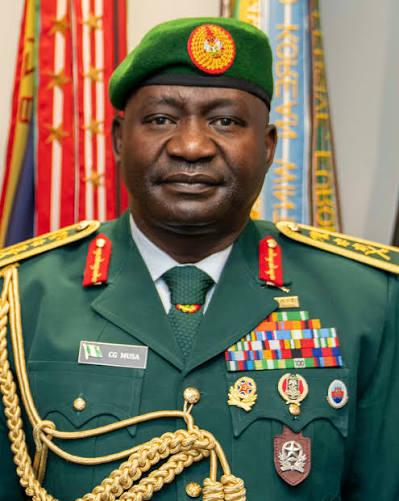
The Chairman of the 2026 National Convention Security Committee of the All Progressives Congress, APC, General Chistopher Musa has stressed the need for a robust and coordinated security framework ahead of the party’s forthcoming National Convention.

Speaking at the inaugural meeting of the committee in Abuja the nation’s capital, General Musa welcomed members, representatives of security and intelligence agencies, party leaders as well as other stakeholders, describing the assignment as both significant and strategic.

He said; “The National Convention is one of the most critical events in the life of any political party. It is the platform through which the party renews its leadership structures, consolidates internal democracy and reinforces its vision for national development.”

General Musa noted that the APC convention would attract thousands of delegates, party leaders, government officials, and observers from across the country and beyond, making it imperative to put in place a comprehensive security arrangement.

“For a party of the stature and national reach of the APC, our National Convention will attract thousands of delegates, party leaders, government officials, and observers. Such a gathering presents complex security considerations that must be carefully anticipated and professionally managed,” he stated.

Read Also: APC Announces Composition of 2026 National Convention Sub-committee 

According to him, “the committee has been tasked with developing a coordinated security framework to guarantee the safety of delegates, party leaders, invited dignitaries, media representatives, and all participants throughout the duration of the convention.”

“Our task is to develop and coordinate a comprehensive security framework that will guarantee the safety of delegates, party leaders, invited dignitaries, media representatives, and all other participants during the Convention,” he said.

General Musa emphasised the importance of collaboration among security and intelligence agencies.

“The success of our assignment will depend largely on our ability to work closely with the various security, intelligence, and law enforcement agencies responsible for maintaining law and order during the Convention,” he said.

General Musa urged members of the committee to approach the assignment with seriousness and professionalism, stressing that the security of participants and the integrity of the convention depend on the quality of the work undertaken by the committee.

“We must be proactive, meticulous, and collaborative in our planning and execution,” he said.

Minister Presents Strategy to Strengthen Women’s Rights, Empowerment

0

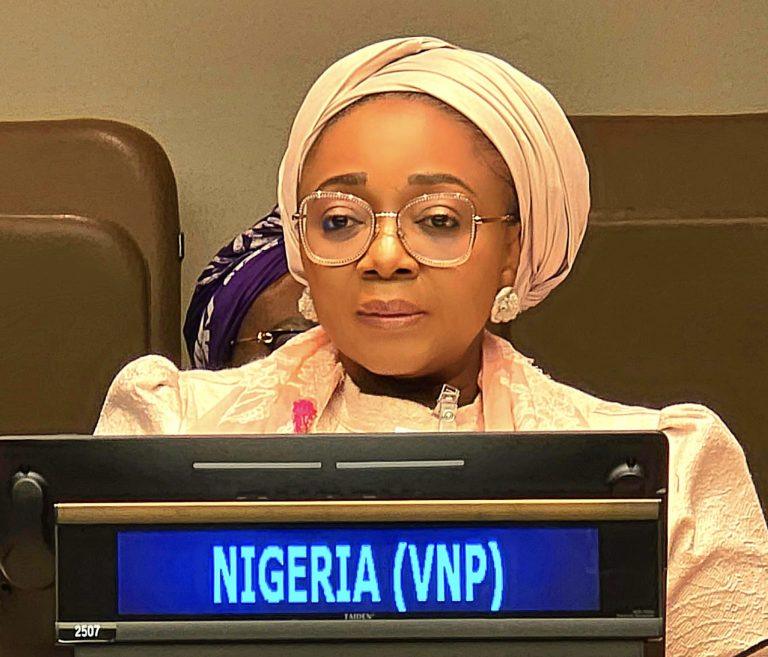
Minister of Women Affairs and Social Development, Hajiya Imaan Sulaiman-Ibrahim has presented a comprehensive policy roadmap detailing the Nigerian Government’s strategies to enhance women’s access to justice, promote economic empowerment, and strengthen social development initiatives across the country.

Delivering Nigeria’s Voluntary Country Statement on behalf of the African Group at the 70th Session of the Commission on the Status of Women at the United Nations Headquarters in New York, the Minister described justice for women as a cornerstone of equitable national development.

The Minister noted that the session’s review theme; women’s participation in public life and the elimination of violence against women and girls, is a mutually reinforcing priority requiring coordinated policy responses.

“The priority theme of CSW 70, ensuring strengthening access to justice for all women and girls, is a right, it’s not a privilege, and a foundation for equitable national development,”Sulaiman-Ibrahim said.

Reflecting on lessons from the COVID-19 period, the Minister said the crisis exposed structural inequalities and weaknesses in protection systems worldwide.

“For Nigeria, it reinforced the urgency for us to build a more resilient, a more inclusive, and a gender responsive social system, and to strengthen our social workforce,” she said.

With Nigeria’s population exceeding 240 million people and women and girls representing more than half, Sulaiman-Ibrahim said justice outcomes are closely tied to economic empowerment, political representation, civic identity, and institutional inclusion.

“Inclusive justice systems are not just optional, they are foundational for any national stability and security,” she stated.

Leadership Gains and Representation Gaps

Sulaiman-Ibrahim highlighted gains in women’s leadership across Nigeria’s executive, judiciary, and civil service institutions, noting that women now serve across multiple portfolios in the Federal Executive Council, while women also hold key positions in the civil service and judiciary.

However, she acknowledged that women remain significantly under-represented in elective offices.

“In Nigeria, we have less than five per cent representation. In the National Assembly, we have four senators out of 109. In the House of Representatives we have 17 women out of 360 seats,” Sulaiman-Ibrahim said.

She explained that though 13 state assemblies currently have no female lawmakers, Nigeria is advancing reforms, including the Special Reserve Seat Bill and mentorship programmes aimed at increasing women’s participation in elective politics.

Economic Empowerment and Institutional Reforms

The Minister identified economic empowerment as a key justice mechanism.

Through the Nigeria for Women Programme, over 560,000 women organised into community affinity groups collectively saved about ₦4.9 billion during the pilot phase.

Nigeria is now scaling the initiative through a $540 million partnership targeting 10 million women across all states and the 774 local government areas.

The country is also strengthening institutional responses to gender-based violence through a National GBV Dashboard, the expansion of Sexual Assault Referral Centres, and broader community partnerships.

International Dialogue

Delegates from Serbia and The Gambia commended Nigeria’s presentation and sought further clarification on the sustainability of empowerment initiatives and the link between economic inclusion and justice outcomes.

Responding, the Minister, Sulaiman-Ibrahim emphasised the importance of local ownership in sustaining reforms.

“My one-minute response to this question is that most of these interventions are localised and when you give local ownership, then there could be sustainability and scalability,” she said.

Through the presentation, Nigeria reaffirmed its commitment to global partnerships aimed at strengthening justice systems, advancing gender equality, and ensuring inclusive development outcomes for women and girls.

Nigeria Unveils Nationwide Framework to Transform Women’s Lives

0

Nigeria’s Minister of Women Affairs and Social Development, Hajiya Imaan Sulaiman‑Ibrahim has presented a national framework aimed at transforming the lives of women and girls across the country.

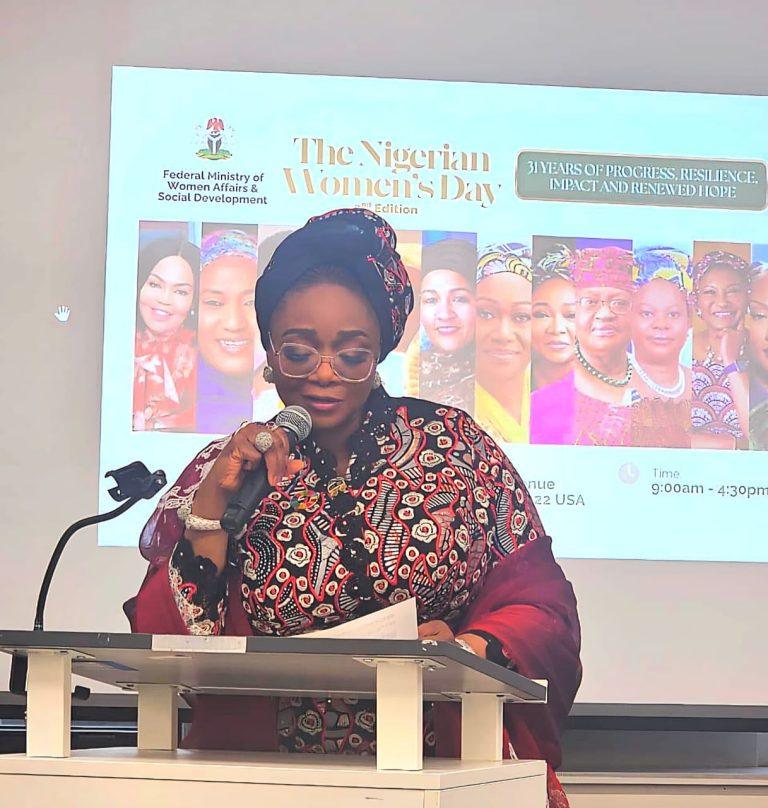
Speaking at the Nigerian Women’s Day side event during the 70th Session of the Commission on the Status of Women, Sulaiman‑Ibrahim said the moment demands implementation beyond commitments.

“How do we move from decades of global commitments on women’s rights to measurable transformation in the daily lives of women and girls? Thirty-one years after Beijing the aspiration is clear, the evidence is overwhelming, and the urgency is undeniable.

“The world no longer needs more declarations; it needs accelerated implementation, bold investment, and systems that place women at the centre of national development,” She said.

Sulaiman‑Ibrahim highlighted the Renewed Hope Social Impact Interventions 774, designed to reach women in all 774 local government areas through nine pillars covering energy, agriculture, digital inclusion, health protection, innovation, leadership, education, child development, and family support.

According to the Minister, the programmes include; clean energy expansion through WINGS and PowerHer774 to combat “energy poverty barriers to women’s productivity,” agricultural support for women farmers under the Women Agro-Value Expansion programme, and digital empowerment through the Digital Harmony initiative.”

Also, Health Safeguard addresses gender-based violence, maternal health, and social protection, while Women’s Resource and Innovation Centres promote technology and creative enterprise among women.

Other pillars include; the SheLeads initiative to strengthen women’s leadership, mentorship, and political participation; expanded education, empowerment, and enterprise support for women and girls; the Child Advancement and Achievement Programme for child protection and educational opportunities; and the Families First Initiative, which recognises the care economy.

Sulaiman‑Ibrahim noted that “unpaid care work, long ignored in economic planning is finally being recognised as a critical component of national productivity and social stability.”

Urging stronger collaboration, the Minister stated that “women’s empowerment is not a social programme; it is an economic strategy, a security strategy, and a development imperative.”

She called for increased investment, She-for-She solidarity, coordinated programmes, action against gender-based violence, and expanded education for girls.

“We must build a stronger ‘She-for-She’ movement, where women advocate for one another, support one another, and celebrate one another’s success,”Sulaiman‑Ibrahim said.

While thanking President Bola Ahmed Tinubu for his strategic declaration of 2026 as the Year of Families and Social Development in Nigeria, she said: “It affirms a national understanding that the strength of any nation is rooted in the stability of its families, and that women, children, and households must be placed firmly at the centre of economic policy, social investment, and national development planning.”

Sulaiman-Ibrahim outlined six actions to accelerate progress. These are; increased investments in women’s empowerment and gender-responsive social protection; strengthening a “She-for-She” solidarity movement among women; improved coordination among governments, development partners, and civil society; intensified grassroots action against gender-based violence; expanded education and skills opportunities for girls; and sustained implementation with urgency.


Adamawa State to Host 2026 PSN Colloquium

0

Adamawa State is set to host the 2026 Colloquium of the Pharmaceutical Society of Nigeria (PSN), a landmark gathering expected to attract leading stakeholders in Nigeria’s pharmaceutical and healthcare sectors.

The event, scheduled to hold from March 29 to April 1, 2026, at the Banquet Hall of the Government House in Yola, will bring together top professionals, policymakers, and industry leaders to deliberate on the future of pharmacy practice and pharmaceutical development in Nigeria.

The colloquium is also expected to serve as a grand prelude to the centenary anniversary of the pharmaceutical industry in Nigeria, marking 100 years of organised pharmaceutical practice from 1927 to 2027.

The President of the Pharmaceutical Society of Nigeria, Ayuba Tanko Ibrahim who is also the host of the colloquium, confirmed that “all arrangements for the event have been concluded.”

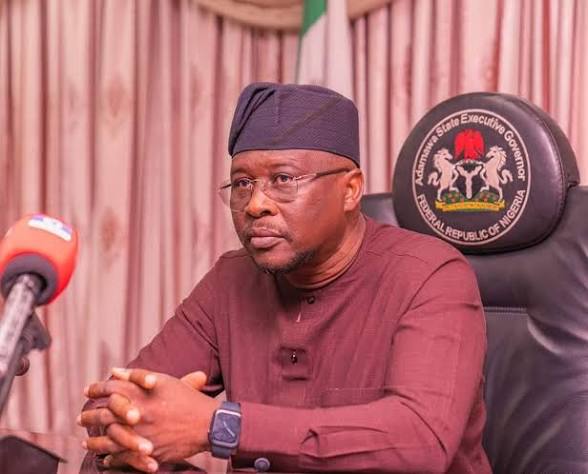
Speaking ahead of the gathering, he attributed the smooth preparations to the strong support and commitment of the Governor of Adamawa State, Ahmadu Umaru Fintiri.

According to Ibrahim, “the forthcoming colloquium represents a strategic opportunity for the pharmaceutical profession to reflect on its historic achievements while charting a progressive path for the future of healthcare delivery in the country.”

He said; “the upcoming centenary celebration provides an important moment for the profession to recognise the remarkable contributions of its founding fathers and past leaders whose efforts have helped improve health outcomes across the nation over the decades.”

Ibrahim explained that the choice of Adamawa State as the host location for the event was not accidental but a recognition of Governor Fintiri’s commitment to strengthening healthcare delivery within the state.

He commended the Governor for investing in the construction and equipping of modern cottage hospitals as well as improving primary healthcare infrastructure.

Ibrahim also noted that the Governor has demonstrated notable support for the pharmaceutical profession by appointing pharmacists to key leadership positions within the public service, including roles such as Head of Service and Permanent Secretaries, thereby creating an enabling environment for healthcare professionals to thrive.

The Chairman of the PSN Centenary Planning Committee and former President of the Society, Olumide Akintayo, said that one of the highlights of the 2026 colloquium would be the historic launch of the PSN Centenary Trust Fund.

According to him, “the fund is designed to support the long-term development and sustainability of the pharmaceutical profession in Nigeria while also promoting innovation, research, and professional advancement.”

Akintayo explained that ‘the society intends to use the colloquium as a strategic platform to advocate a transformation of Nigeria’s healthcare system beyond the colonial-era dispensary model toward a modern, technology-driven and globally competitive pharmaceutical industry.”

The colloquium will centre on the theme “Launching of Centenary Endowment Funds,” which will be explored through a keynote address by renowned pharmaceutical scholar, Cyril Odianose Usifoh.

Discussions are expected to focus on advancing the vision of positioning Nigeria as the “Pharmacy of Africa,” particularly in line with the national goal of achieving 70 percent local drug production by 2030.

The PSN President also used the opportunity to encourage young pharmacists to see themselves as the architects of the profession’s second century.

Akintayo stressed that the colloquium and the upcoming centenary celebrations go beyond ceremonial gatherings and will serve as vibrant platforms for mentorship, professional networking, knowledge exchange, and career development.

He said; “We urge young professionals to take advantage of the opportunities the event will provide as the future of pharmacy practice increasingly revolves around innovation, technology, and local pharmaceutical manufacturing.”

As Chief Host, Governor Ahmadu Umaru Fintiri has expressed the readiness of Adamawa State to provide a conducive and world-class environment for delegates expected from across the country and beyond.

Stakeholders said the 2026 PSN Colloquium will mark a defining moment for the pharmaceutical profession in Nigeria as it sets the stage for the industry’s centenary celebration while reinforcing a collective commitment to building a resilient, accessible, and globally competitive healthcare system.


CSW70: Panelists Urge Men To Champion Gender Equity

0

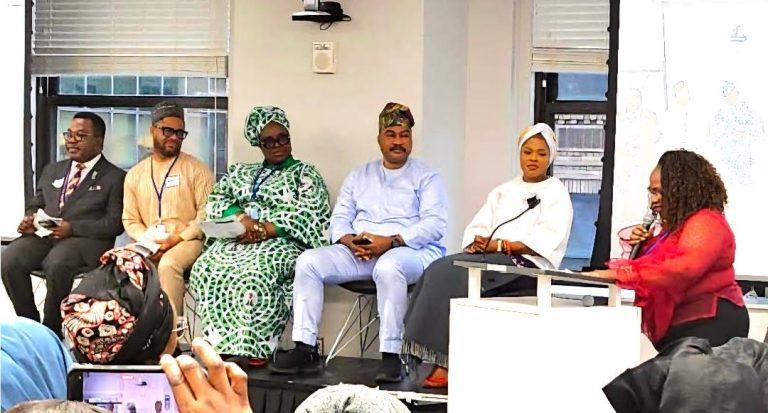
Participants at the third panel session of the Nigerian Women’s Day event have called on men to move beyond passive support and take active leadership roles in promoting gender justice.

The discussion formed part of activities marking Nigerian Women’s Day held on the sidelines of the 70th Session of the Commission on the Status of Women in New York, with the session focusing on “Positive masculinity: men as partners in justice and gender equity.”

Moderating the session, diaspora advocate Adi Enitan Okuyelu emphasised that meaningful progress in gender equality requires deliberate engagement from men.

She noted that “men have an important role in advancing opportunities for women and girls, urging them to use their positions and influence to create enabling spaces where women can thrive.”

Okuyelu said that “achieving lasting gender equity would require moving beyond discussions to practical actions that support inclusive leadership and shared responsibility in society.”

Country Director of ActionAid Nigeria, Andrew Mamedu said that genuine change requires institutional reform and measurable commitments.

He said; “At ActionAid, you can’t have a male board chair and a male vice-chair. Our system ensures inclusiveness.

“Positive masculinity starts with deliberate frameworks that give women equal room to lead. Participation is a right, not a privilege.”

Mamedu also urged policymakers to prioritise justice over political convenience.

“If we truly believe in HeForShe, we must be willing to lose elections or power to do what is right for women,” Mamedu stated.

The Executive Secretary of the National Human Rights Commission, Tony Ojukwu emphasised that women’s rights are fundamental human rights.

He said; “What women are asking for is their right, not a privilege.

“Men have captured these rights for centuries, it’s time to let go. Real justice cannot exist without inclusion.”

Closing the session, Minister of Women Affairs Dr Imaan Sulaiman-Ibrahim emphasised that sustainable equality depends on partnership.

The event was organised by Nigeria’s Federal Ministry of Women Affairs, under the theme ‘31 years of progress, resilience, impact and renewed hope.’

 It brought together leaders from diplomacy, civil society, traditional institutions, and human rights advocacy.

Nigeria Begins Development of Ikom Multipurpose Dam Project

0

The Nigerian Government has commenced the structured development of the Ikom Multipurpose Dam and Hydropower Project under a Public-Private Partnership (PPP) framework.

The development follows the inauguration of the Presidential Project Development Committee (PDC).

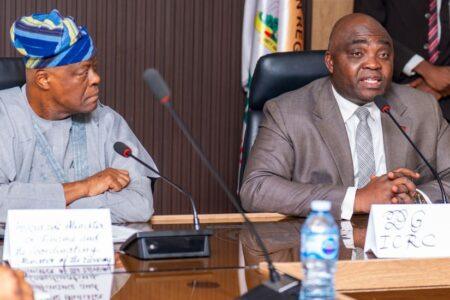
The Infrastructure Concession Regulatory Commission (ICRC) convened the inaugural meeting of the committee in Abuja, Nigeria’s capital, marking the formal start of the project’s development process.

The committee was established following resolutions reached at a high-level stakeholder meeting at the Presidential Villa, where the Ikom Multipurpose Dam was designated a strategic national intervention.

At the meeting, a Project Steering Committee (PSC) and a Project Development Committee (PDC) were constituted, with the Presidency nominating the ICRC to chair the PDC.

The meeting was attended by the Minister of Finance and Coordinating Minister of the Economy, representatives of the Federal Ministry of Water Resources, the Managing Director of the Nigeria Sovereign Investment Authority (NSIA), representatives of the Nigerian National Petroleum Company (NNPC), officials of the Cross River State Government, and Ikom Power Limited.

Speaking at the meeting, Director-General and Chief Executive Officer of the ICRC, Dr. Jobson Oseodion Ewalefoh described the project as a strategic national asset with far-reaching socio-economic benefits.

Dr. Ewalefoh said; “the dam project was not only a hydropower initiative but a multipurpose infrastructure intervention aimed at addressing flooding, providing renewable energy, improving water resource availability, and driving regional economic development.”

He explained that the committee had been tasked with guiding the project from concept to bankability in a way that protects public interest while attracting credible private sector participation.

According to him, “immediate steps include the review and validation of existing feasibility and hydrological studies, clarification of project scope and optimisation considerations, determination of the appropriate PPP structure and risk allocation framework, and the appointment of a Transaction Adviser.’

He said that the committee would also develop a clear project preparation roadmap to ensure efficient delivery.

The Minister of Finance and Coordinating Minister of the Economy stressed that the project must be structured as a sustainable, viable, and commercially significant transaction capable of attracting credible investors and operating efficiently over the long term.

Dr. Ewalefoh said that “Nigeria, under the leadership of President Bola Ahmed Tinubu, is implementing reforms aimed at strengthening economic stability and positioning the country as a leading economy in Africa.”

Members of the Project Development Committee were drawn from the Federal Ministries of Finance, Water Resources and Power, Cross River State Government, ICRC, NNPC, NSIA, and Ikom Power Limited.

The Ikom Multipurpose Dam is expected to deliver about 250 megawatts of renewable baseload hydropower, while also improving flood control, enhancing water resource management, and stimulating economic growth in Cross River State and neighbouring regions.

The Nigerian Government said the project would be developed within a structured governance framework to ensure transparency, accountability, and compliance with national PPP standards.

Police Service Commission Upholds Merit in Promotions

0

The Police Service Commission, PSC, has reaffirmed its commitment to merit, transparency and professionalism in the career progression of officers in the Nigeria Police Force.

This comes as the Commission approved the promotion of 13 Commissioners of Police to the rank of Assistant Inspectors-General of Police and 17 Deputy Commissioners of Police to Commissioners of Police.

The Head of Protocol and Public Affairs of the commission, Mr Torty Kalu made this statement in Abuja, Nigeria’s capital.

He said “the promotions followed successful performance in recent written examinations and oral interviews conducted by the PSC.”

He further said that “19 Assistant Commissioners of Police (ACPs) were also elevated to the rank of DCPs, while 35 Chief Superintendents of Police (CSPs) were promoted to ACPs.’

The Chairman of the PSC, Mr Hashimu Argungu, has congratulated the newly promoted officers and described the elevations as ‘a recognition of merit, dedication, and excellence in service.’

Argungu urged the officers to redouble their efforts and justify their new ranks through unwavering commitment to effective policing and national security.

The promotion is not an end but an opportunity to contribute more to the noble task of safeguarding lives and property.

“PSC will remain committed to transparency, merit, and adherence to global best practices in all promotion processes,” he said.

President Tinubu Approves Presidential Petroleum Reform Taskforce

0

President Bola Ahmed Tinubu has approved the establishment of a Presidential Petroleum Reform and Value Optimisation Taskforce tasked with designing and sequencing the next phase of structural reforms in Nigeria’s petroleum sector.

The initiative reflects the President’s commitment to transforming Nigeria’s petroleum industry into a more competitive, transparent, and value-maximising sector capable of driving long-term economic growth, macroeconomic resilience, and industrial development.

The newly set-up committee will operate as a technical reform body rather than a representative committee, engaging industry operators, regulators, investors, and civil society as consultees while focusing on actionable policy design and implementation strategies.

The Taskforce will report directly to the President and provide monthly progress memoranda. An interim report will be submitted after three months, while the final outputs are expected within six months of inauguration.

A statement issued on Friday by the Special Adviser to the President on Information and Strategy, Mr Bayo Onanuga, named the co-founder of Guaranty Trust Bank and founder and chairman of the Fate Foundation, Fola Adeola, as the Taskforce’s chairman.

As chairman, Mr Adeola will coordinate the group’s work and ensure the timely delivery of its mandate.

Other members of the Taskforce are: Ademola Adeyemi-Bero, Osagie Okunbor, Abubakar Suleiman, Adaeze Aguele, Farouk Gumel, Phillipa Osakwe-Okoye, and Seyi Bella.

Mofoluwasho Fadayomi will serve as secretary.

As constituted, the Taskforce is a time-bound, high-level executive working group tasked with producing execution-ready reform blueprints that will consolidate ongoing reforms, unlock capital within the petroleum sector, and strengthen Nigeria’s position as a leading global energy investment destination.

President Tinubu expects the Taskforce to deliver three major reform blueprints.

Deliverables

One of the deliverables is the Implementation Toolkit for Immediate Structural Fixes, including draft legislative amendments, executive instruments, and institutional restructuring proposals.

The second deliverable is the Capital & Liquidity Acceleration Blueprint, aimed at unlocking $5–10 billion in sectoral liquidity while safeguarding Nigeria’s sovereign interests.

The third blueprint will focus on the National Energy Transformation Strategy – a ten-year roadmap with measurable targets for production, foreign exchange earnings, GDP contribution, and cost competitiveness.

President Tinubu then directed all Ministries, Departments, Agencies, regulators, and relevant institutions to provide full technical support to the Taskforce and to submit inventories of ongoing initiatives to ensure alignment with the emerging reform framework.

In furtherance of this directive, President Tinubu has also directed all existing committees, teams, and working groups established under various reform initiatives within the sector to align their activities, reporting structures, and work programmes with the new Taskforce.

The streamlining will ensure coordination, avoid duplication of mandates, and provide institutional clarity, thereby ensuring coherence in the petroleum sector reform architecture.

The President has also directed that all relevant documentation, institutional knowledge, and ongoing workstreams should be made available to the Taskforce to support the development and implementation of its comprehensive reform framework.

The Taskforce will automatically dissolve upon submission and acceptance of its final report.