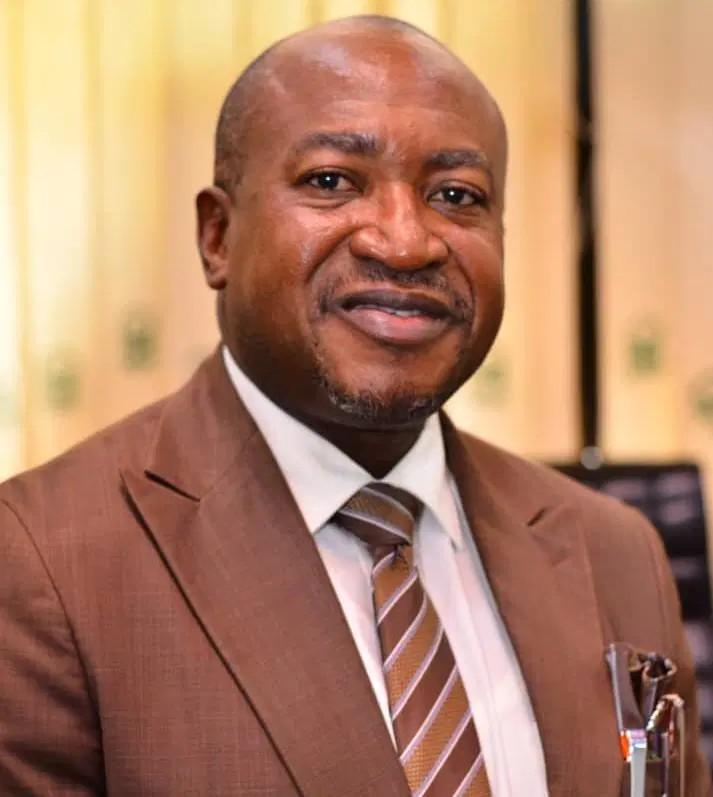
The Managing Director and Chief Executive Officer of the Nigerian Independent System Operator (NISO), Abdu Bello Mohammed has emphasised the urgent need for Nigeria’s power sector to adopt cost-reflective tariffs.
Mohammed said this is to ensure market sustainability while protecting citizens from the growing threat of energy poverty.
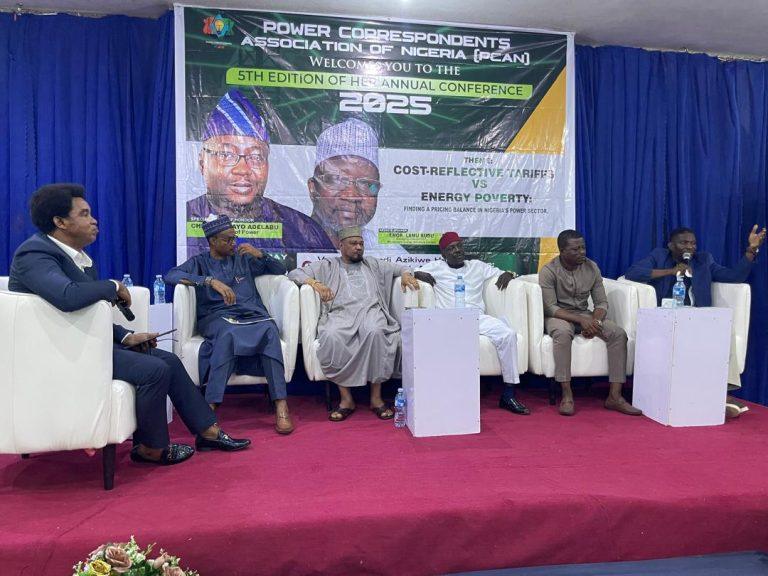
He made the call during his keynote address at the 5th Annual Power Correspondents Association of Nigeria (PCAN) Conference in Abuja, themed “Cost-Reflective Tariff vs. Energy Poverty: Finding a Pricing Balance in the Nigerian Power Sector.”
Speaking to an audience of policymakers, regulators, operators, and media representatives, Mohammed described tariff design as “the heartbeat of a sustainable electricity market.”
He noted that the Multi-Year Tariff Order already provides a transparent framework based on exchange rates, inflation, and gas prices.
He, however, lamented that political and social pressures have kept tariffs below cost-recovery levels, resulting in liquidity shortfalls and discouraging much-needed investment in the sector.
He said; “Energy poverty remains a critical national challenge.
“Millions of Nigerians are unable to afford reliable electricity, and this affects education, small businesses and industrial growth. Cost-reflective tariffs and affordability are not mutually exclusive if reforms are accompanied by targeted subsidies, efficiency improvements, and transparent governance.”
Mohammed outlined key reform measures, including:
-
Lifeline tariffs and welfare-linked rebates for vulnerable households;
-
Elimination of technical and commercial losses through improved metering and data accuracy;
-
Implementation of the new Electricity Act to empower state-level electricity markets and promote decentralised solutions such as mini- and micro-grids;
-
Regulatory predictability and service-based tariffs tied to performance metrics;
-
Enhanced stakeholder communication to rebuild public trust in the power system.
From NISO’s perspective, Mohammed reaffirmed the organisation’s commitment to market transparency, dispatch efficiency, and grid reliability through ongoing investments in digital infrastructure, SCADA upgrades, and advanced energy-management systems.

He also called for alignment of gas-pricing reforms, stronger data governance, and increased energy-efficiency investments to close the sector’s revenue gap and sustain fair, socially sensitive tariffs.
The National President of the Association for Public Policy Analysis and Executive Director of the Electricity Consumer Protection Advocacy Center, Mr. Princewill Okorie urged the Nigerian government and power sector regulators to uphold Constitutional principles and human rights commitments in determining cost-reflective electricity tariffs.
Delivering a goodwill message, Mr. Okorie commended PCAN for fostering dialogue on policy solutions to Nigeria’s energy challenges.
He said any tariff review must respect the economic and social rights of citizens as guaranteed by the 1999 Constitution (as amended) and guided by the Electricity Act 2023, which mandates the Nigerian Electricity Regulatory Commission (NERC) to ensure fair, balanced, and transparent regulation for consumers and investors alike.
“Electricity costs are ultimately borne by the people,” he said. “Therefore, the consumer’s interest, ability to pay, and dignity must be central to any tariff determination.”
Also Read: Dangote-PENGASSAN Dispute May Impact Electricity Supply – NISO
He reminded stakeholders that Nigeria is a signatory to the United Nations Covenant on Economic, Social, and Cultural Rights, which obliges member states to protect citizens from policies that degrade living standards or deny access to essential services.
Highlighting key consumer concerns, Okorie called for recognition of community investments in power infrastructure such as transformers and meters, transparency in the use of operational and capital expenditure (OPEX and CAPEX) funds by distribution companies (DISCOs), and stricter enforcement of NERC’s third-party investment policy.
He also demanded a transparent audit of government and donor-funded programmes such as the National Mass Metering Programme (NMMP) and condemned continued estimated billing and field-level corruption in the power sector.
In his welcome remarks, PCAN Chairman, Mr. Obas Esiedesa, commended the theme as both timely and critical, describing it as “a central dilemma confronting Nigeria’s power industry.”
“More than a decade after privatisation, the sector is still burdened by over ₦6 trillion in government debts to generation companies, a massive liquidity gap, gas supply constraints, ageing transmission infrastructure, and rising foreign exchange costs,” Esiedesa noted.
He said; “While operators seek cost-reflective tariffs for viability, millions of Nigerians continue to live in darkness or rely on costly self-generation. The challenge is achieving a fair, transparent, and socially responsible pricing framework that balances economic sustainability with public welfare.”
Citing World Bank data, Esiedesa reminded attendees that approximately 85 million Nigerians, about 43 per cent of the population, still lack access to grid electricity, making Nigeria the country with the largest electricity access deficit in the world.
The conference, attended by key stakeholders, regulators, operators, and the media, provided a platform to discuss policy solutions for a financially viable and inclusive power system that ensures affordable, reliable energy for all Nigerians.