Home Blog Page 245

Nigerian Govt Unveils Innovative Cancer Medicine Study

0

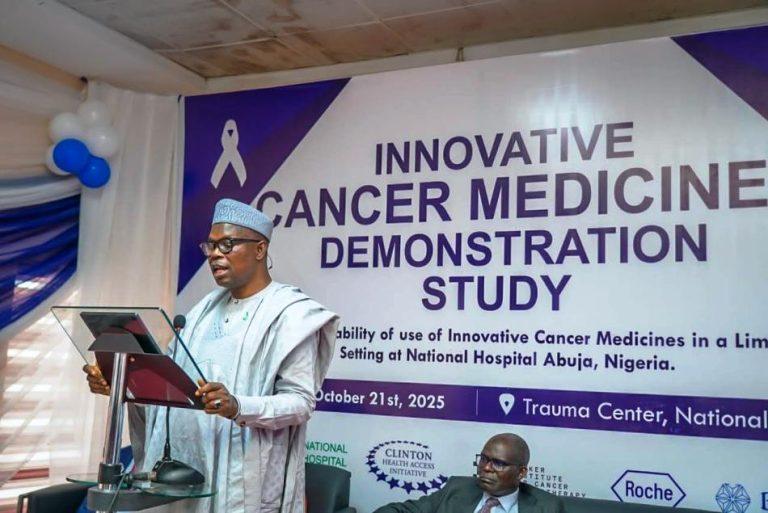
The Federal Government has unveiled the Innovative Cancer Medicine (ICM) Demonstration Study to improve access to advanced cancer immunotherapy for patients in Nigeria.

The ICM launched at the National Hospital, on Tuesday in Abuja, is the first in Sub-Saharan Africa and would provide free life-saving cancer treatment to eligible patients battling metastatic colorectal cancer.

The programme was in collaboration between the Federal Ministry of Health and Social Welfare, the Clinton Health Access Initiative (CHAI), the Parker Institute for Cancer Immunotherapy (PICI), Bristol Myers Squibb (BMS), and Roche.

Over the next 18 months, 30 Nigerian patients will receive world-class immunotherapy treatment at no cost, including free diagnostics, follow-up care, and patient support.

Speaking at the launch, the Minister of State for Health and Social Welfare, Dr Iziaq Salako said, “The initiative demonstrates President Bola Tinubu’s commitment to transforming cancer care in Nigeria and reducing the burden of medical tourism.

“Today’s milestones, the enrolment of the first Nigerian patient, represent hope.

“Hope that patients in low- and middle-income countries, no longer wait decades to benefit from life-saving innovations available elsewhere,” Salako said.

He noted that colorectal cancer has emerged as one of the most aggressive and rapidly increasing cancers in Nigeria, claiming over 5,900 lives annually due to late presentation and lack of access to modern treatment.

“Nigeria records over 124,000 new cancer cases annually, according to the Global Cancer Observatory (GLOBOCAN).

“Cancer treatment remains one of the biggest drivers of medical tourism, with thousands of Nigerians travelling to India, the UK, Germany, and the UAE for expensive care,” he said.

To address this challenge, he said the government announced plans to establish six Regional Cancer Centres, three of which have already been commissioned, while the 2025 federal budget includes the highest-ever allocation to cancer infrastructure.

“Eligibility for the ICM programme is currently open to adult Nigerians diagnosed with metastatic colorectal cancer.

“All assessments and enrolment will take place at the National Hospital, Abuja, and the programme is open to patients nationwide,” he said.

Salako said access to cancer treatment should not depend on one’s financial status.

“Cancer treatment should not be a privilege. Every Nigerian deserves access to innovation and survival.”

Turning point in Africa 

Prof. Bello Abubakar, the Principal Investigator for the study, hailed the project as a turning point in Africa’s fight against cancer.

“This is the first time this kind of study is being conducted anywhere in Sub-Saharan Africa. For the first time, Nigerian patients can access a modern cancer cure without travelling abroad,” he said.

Abubakar explained that the intervention, valued at about seven billion naira is fully funded by international partners committed to expanding cancer care access in developing countries.

He clarified that the ICM study is not a clinical trial but a demonstration of feasibility, as the drug is already in approved clinical use globally.

“Global health partners at the event commended Nigeria for taking a bold step toward equitable cancer care,” he said.

Read Also: FCT Minister Seeks Stronger Partnerships to Tackle Cancer

Medicaid Cancer Walk Galvanises Nigerians Against Cancer

Dr Funke Fasawe, CHAI Country Director, said the launch shows that ground-breaking medical innovations are now possible within Nigeria’s health system.

“This collaboration proves that advanced cancer treatment can be delivered locally. Every element, from drugs to diagnostics to transportation support, is free for patients. This is not charity; this is justice in global healthcare,” Fasawe said.

The Co-Founder of the Society for Translational Oncology and a partner in the initiative, Dr Martin Murphy, described the launch as the dawn of a new era in cancer care on the continent.

Murphy said, Africa has long been excluded from access to modern treatment due to high costs and limited infrastructure, but Nigeria is now charting a new path.

Closing the gap in treatment

Principal Investigator of the study, Prof. Bello Abubakar said the landmark cancer immunotherapy project aims to close critical gaps in rectal cancer treatment, particularly in understanding patient outcomes and adverse reactions.

He said the study, which would run for one year with a six-month recruitment period, will monitor patients receiving a ₦9.5 million immunotherapy regimen, documenting real-time treatment responses and side effects across sub-Saharan Africa and China.

Abubakar explained that the research seeks to identify why some patients discontinue therapy due to disease progression or adverse events, while also assessing treatment acceptability among patients and healthcare providers.

He noted that the National Hospital, Abuja, can now perform microsatellite instability (MSI) testing using the Roche Ventana platform, describing it as a major step forward for cancer diagnostics in Nigeria.

He emphasised the need to simplify Nigeria’s clinical trial approval processes and ensure sustainable access to immunotherapy medicines, commending the National Hospital, Abuja, and project partners for their support.

Meanwhile, Prof. Abidemi Omonisi, President of the Nigerian Cancer Society (NCS), has expressed concern over the rising incidence of colorectal cancer among young Nigerians, describing the trend as a major public health threat.

He noted that the NCS now operates in all 36 states and 14 countries globally, working with partners to promote research, education, and early diagnosis.


NAN
Kano Pillars Appoint Muhammad Babaganaru Acting Technical Adviser

0

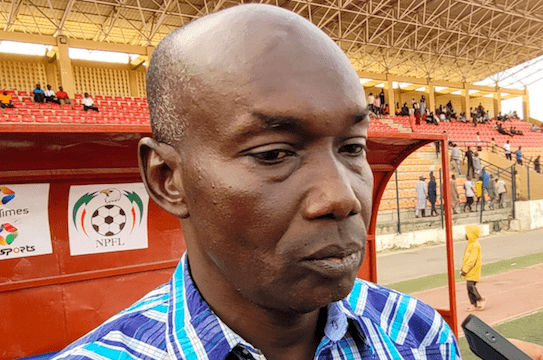
The management of Kano Pillars Football Club has announced the appointment of Muhammad Babaganaru as the acting Technical Adviser of the club.

The Technical Adviser, Evans Ogenyi and Chief Coach, Ahmed Garba, have been suspended following the team’s poor performance in the ongoing Nigeria Premier Football League (NPFL) season.

A statement issued on Tuesday by the club’s Media and Communications Directorate in Kano said Babaganaru’s appointment takes immediate effect.

The management expressed confidence in the new coach’s ability to steer the team to greater heights in the ongoing season.

Kano Pillars FC.

“We wish coach Babaganaru success in his new role as he leads the team in the upcoming fixtures,” the club said in a statement.

Coach Babaganaru, who previously managed the club, is credited with leading the club to two Premier Football League titles.

His return, according to sources within the club, is expected to stabilise the team’s technical setup and boost morale among players and fans.

The appointment also comes as Kano Pillars intensify preparations for their 10 league matches in Katsina, following their suspension by the NPFL over crowd trouble during their game against Shooting Stars.


Kano Pillars/NAN.

Kano Governor Seeks Regulation of Digital Broadcasting

0

Governor Abba Kabir Yusuf of Kano State has urged the National Broadcasting Commission (NBC) to extend its regulatory framework to cover online radio and television platforms, citing the growing spread of unverified and inflammatory content in the digital media space.

The governor made the call while addressing participants at the Africast 2025 Conference organised by the NBC in Lagos, where media professionals, policymakers, and stakeholders converged to discuss emerging trends and challenges in the global broadcast industry.

In a statement by his Chief Press Secretary, Mustapha Muhammad, Governor Yusuf, represented by the Director-General of Media and Publicity, Sunusi Bature, expressed deep concern over the unchecked use of online broadcasting platforms, especially those used to promote divisive and misleading narratives on sensitive national issues such as religion and politics.

“The unregulated online broadcasting environment has become a breeding ground for misinformation and hate speech. It is time for the NBC to take proactive measures to ensure accountability and ethical standards within the digital media ecosystem,” the governor said.

Governor Yusuf emphasised that while digital media has democratised access to information, it must not become a tool for fuelling social discord or threatening national security.

Responding to the governor’s remarks, the Chairman of the Senate Committee on Information commended the advocacy and disclosed that the National Assembly is already considering an amendment to the NBC Act.

The amendment, which has passed second reading in the Senate, seeks to empower the Commission to regulate webcasts and online broadcasting platforms, ensuring that digital broadcasters adhere to the same ethical and professional standards as conventional media.

Governor Yusuf’s position aligns with broader national conversations on responsible digital communication, media accountability, and the urgent need to safeguard public discourse as Nigeria transitions into a technology-driven information era.


Africa Road Running Conference Holds in Nigeria

0

The National Sports Commission (NSC) has launched the World Athletics Africa Road Running Conference in Abuja, with the aim of harnessing the potential of Nigeria’s domestic sports industry.

The NSC Chairman, Shehu Dikko, in his opening remarks, welcomed guests to the conference, held at the Media Centre of the Moshood Abiola National Stadium in Abuja.

Dikko stated that hosting international sporting events like this aligns with the commission’s vision to make sports a key driver of the economy. He emphasised the importance of road running, citing Nigeria’s natural talent in the area. He also called for private sector support in sponsoring road races and other sports.

NSC Chairman, Shehu Dikko (R) with NSC Director General, Bukola Olopade (L).

“The conference aims to create more passion, followership, and opportunities for road running in Nigeria, while also showcasing the country’s culture and economy,” Dikko said.

He expressed optimism that the event would validate the progress being made in Nigerian sports and foster collaboration among stakeholders.

The Director General of NSC, Bukola Olopade, expressed his delight while  welcoming everyone. He particularly highlighted the collaboration between the NSC, World Athletics and the Athletics Federation of Nigeria.

He noted that his role was simple – to welcome everyone to an event that promises to be a significant contribution to the sports economy under President Bola Ahmed Tinubu’s administration.

“Hosting this event is a testament to the President’s sports economy agenda bearing fruit,” Olopade added. “By leveraging sports as an economic tool, we are shifting from consumption to production.”

“The fact that World Athletics chose Nigeria, in spite of other countries with established events like South Africa and Kenya, speaks volumes about the confidence in our nation.”

“This aligns with the President’s broader reforms in housing, healthcare and education. Road running, in particular, showcases the symbiotic relationship between sports, health and education, which is what this conference and our agenda are all about – growing Nigeria’s sports economy,” he said.

The President of the Athletics Federation of Nigeria (AFN), Tonobok Okowa, expressed excitement about the conference, emphasising Lagos as a hub for sports activities.

The LOC Chairman of AFN, Solomon Ogba, noted that the event is a prelude to the Lagos City Marathon and highlighted the importance of road running, where Nigeria has a comparative advantage.

He added that promoting running will contribute to a healthier nation, ultimately leading to a more prosperous society.

A representative from the World Athletics Federation, Alessio Corsi, expressed his delight in hosting the Africa Running Conference in Lagos, Nigeria. He highlighted the growth of road running globally, citing a third running boom driven by increased interest in health and wellness.

“This conference aims to provide a platform for networking, education, and technical workshops, focusing on standardising road races and promoting development across Africa,” he said.

He praised the synergy between the stakeholders, including the NSC, African Athletics Confederation and the private sector. Corsi expressed optimism about the long-term impact of the conference.

He thanked the Nigerian government and sports leaders for their trust and support.


NSC/NAN.

Nigeria Pledges to Revive ALSCON Operations

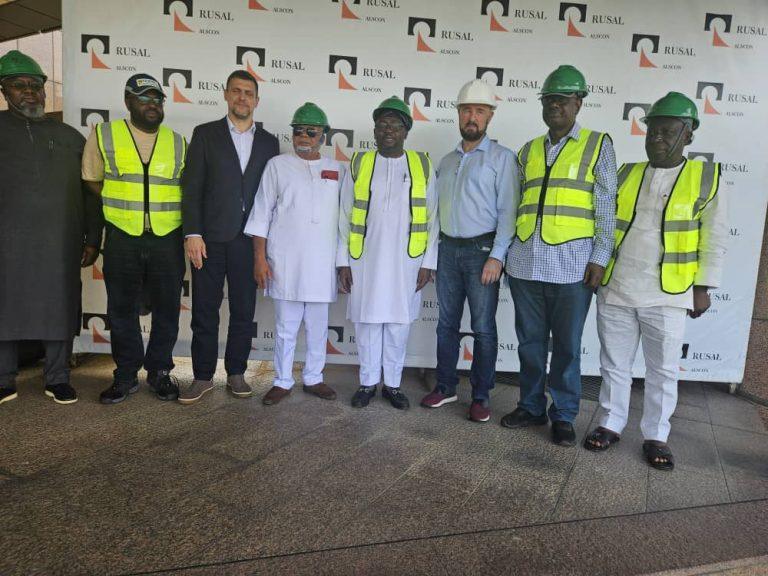
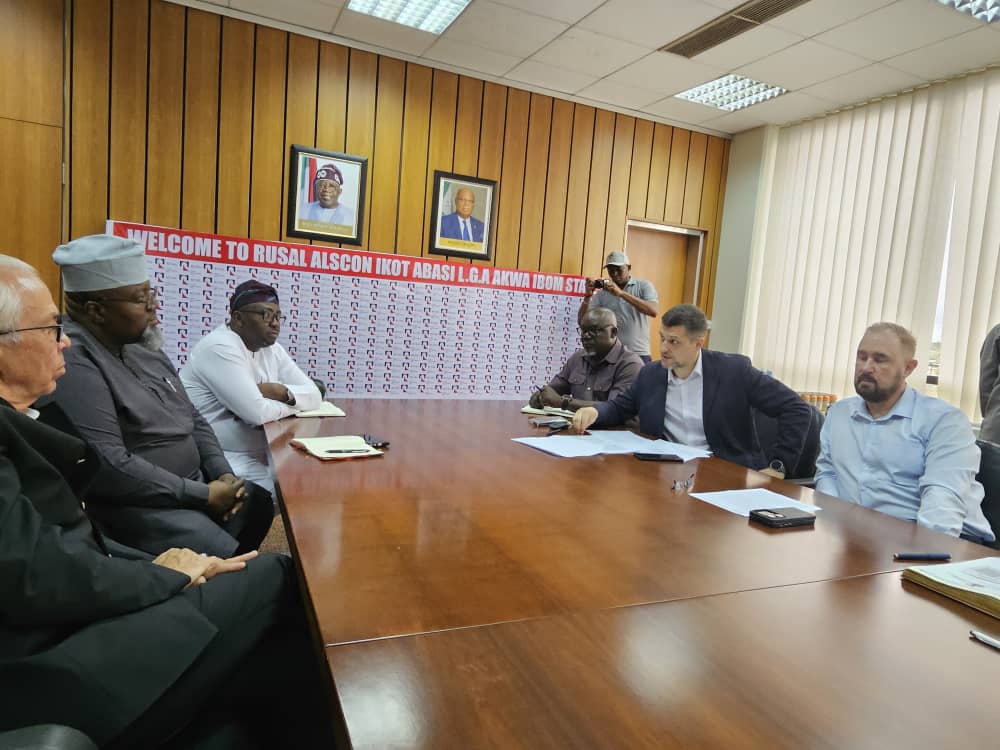
The Nigerian government has reaffirmed its commitment to reviving the long-dormant Aluminium Smelter Company of Nigeria (ALSCON) in Ikot Abasi, Akwa Ibom State, with a pledge to complete the 330 KVA substation and reconnect the plant to the national power grid.

The initiative, led by the Minister of Power, Mr Adebayo Adelabu, is regarded as a crucial step towards restoring ALSCON’s operations, unlocking its vast industrial potential, and contributing significantly to Nigeria’s power generation capacity.

When fully operational, the ALSCON power plant is expected to inject 540 megawatts of electricity into the national grid and create more than 15,000 direct and indirect jobs for Nigerian professionals and young people.

During a recent working visit to the facility, Mr Adelabu expressed concern that, despite being established over three decades ago, ALSCON had remained largely non-functional due to the absence of a reliable electricity supply.

He described the situation as a missed opportunity for Nigeria’s industrial and energy sectors.

“For 27 years, ALSCON has suffered from a lack of grid connection, despite being a massive national investment with immense potential across the aluminium value chain,” he said.

“This plant can supply raw materials to downstream aluminium producers, save Nigeria millions in foreign exchange, and drive large-scale employment.”

Temporary and Long-Term Power Solutions

Mr Adelabu revealed that in the short term, the Federal Government was working to connect ALSCON temporarily to the national grid while fast-tracking the completion of the long-delayed 330KVA substation, which was initially developed by the Niger Delta Power Holding Company (NDPHC).

He disclosed that the substation was already 90 per cent complete.

“The immediate plan is to get ALSCON powered through a short-term grid connection. But we are also working with NDPHC and contractors to complete the 330/132KV substation and transmission lines within the shortest possible time,” he assured.

He added that once completed, the infrastructure would enable the evacuation of ALSCON’s full 540MW generation capacity to the grid, with the potential for expansion to 660MW through future upgrades.

Unlocking Economic Potential and Grid Stability

The Minister stressed that reviving ALSCON was not only key to Nigeria’s industrial growth but also critical to the stability of the national electricity grid.

“This plant’s operation will impact Nigeria’s Gross Domestic Product (GDP) positively and reduce the country’s dependence on imported aluminium materials.

“We’re committed to supervising the implementation of the action plans. In the next 90 days, Nigerians will begin to feel the impact,” Mr Adelabu said.

Gas Supply and Commercial Viability

Addressing concerns about gas supply for the plant’s turbines, Mr Adelabu explained that the solution lay in achieving commercially viable agreements with gas producers.

“The infrastructure is there. The gas pipeline is less than 500 metres away and functional. It’s a matter of agreeing on a fair price with gas companies, and the turbines can be fired immediately,” he noted.

Earlier, the Development Adviser to ALSCON, Mr Viacheslav Krylov, outlined the challenges that have hindered operations, including the lack of a stable and high-capacity power supply, despite a presidential directive in July 2024 to restart the plant.

He explained that full operations would involve reaching a production capacity of 200,000 metric tonnes annually within six years and could employ over 15,000 Nigerians.

“Smelting is a power-intensive process that requires uninterrupted, high-volume electricity. The current energy options are insufficient to restart the plant without a reliable backup,” Mr Krylov said.

He urged the government to enhance grid reliability and consider Power Purchase Agreements (PPAs) that would allow ALSCON to contribute surplus power to the national grid — a move he said would improve grid stability and provide the company with additional revenue.

“Wheeling excess power to the grid will not only boost national electricity capacity but also sustain the company financially,” he added.

The Nigerian government’s renewed commitment to reviving ALSCON marks a significant step towards industrial rejuvenation and energy diversification.

With decisive execution and effective collaboration among key stakeholders, the long-awaited revival of ALSCON — and its transformation into a contributor to both economic growth and energy security — may soon become a reality.

NYSC Lauds CLTC’s Role in Youth Empowerment

0

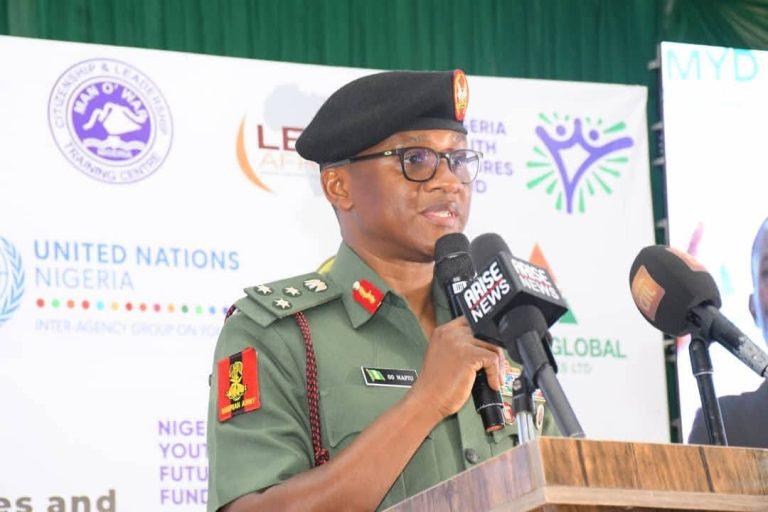
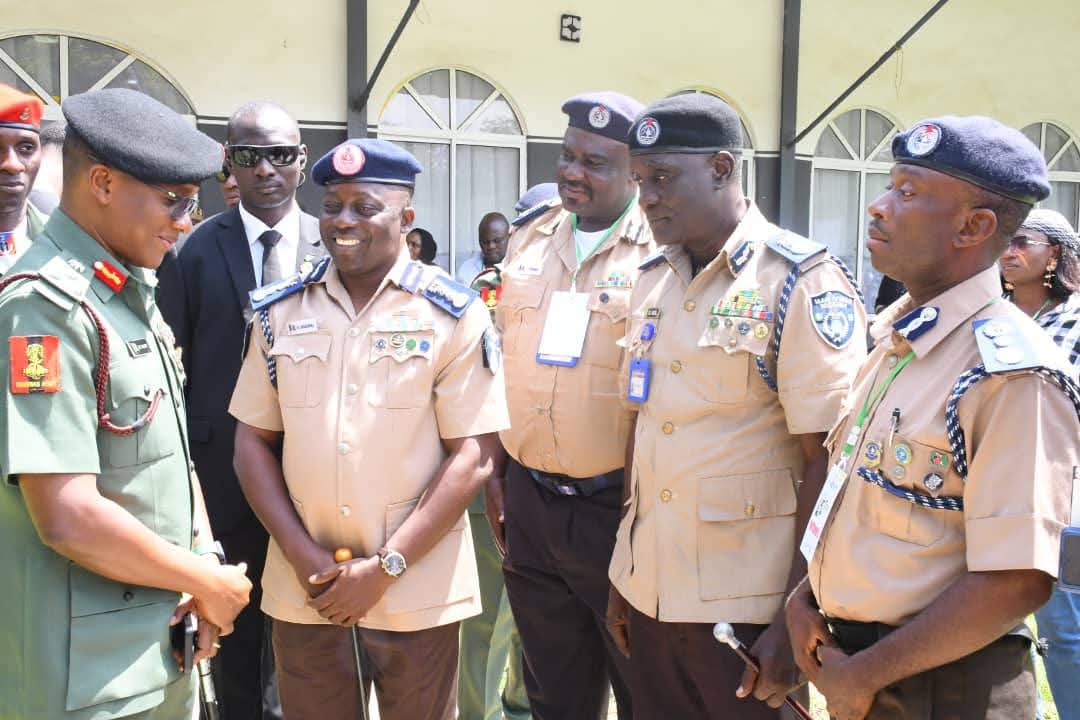
The Director General of the National Youth Service Corps (NYSC), Brigadier General Olakunle Nafiu, has applauded the Citizenship and Leadership Training Centre (CLTC) for its role in preparing Nigerian youths to become effective leaders.

He gave the commendation while delivering a goodwill message at a youth conference organised by the CLTC in commemoration of Nigeria’s 65th Independence Anniversary, held in Abuja.

General Nafiu disclosed that the CLTC has been a longstanding partner of the NYSC in grooming young graduates by instilling in them values such as unity, patriotism, selflessness, and commitment to duty.

While acknowledging the CLTC, alongside other institutions like the Nigerian Army, National Drug Law Enforcement Agency, and Independent National Electoral Commission, among others, as key stakeholders in the gains recorded by the NYSC over the last 52 years, he appealed for the sustenance of the bilateral relationship to mould more purposeful youths that would take the nation to greater heights.

The NYSC boss said that the theme of the conference, “Reviving Values and Volunteerism among the Youth”, aligns with what the NYSC has been doing for over five decades. He re-echoed this assertion by saying that the Scheme has been able to inculcate the spirit of volunteerism in Corps Members through its Community Development Service (CDS) initiative, as a result of which they have contributed significantly to uplifting the living conditions of numerous people in their host communities across the country.

The Chief Executive Officer of Future Africa, Mr Iyinoluwa Aboyeji, who delivered the keynote address at the event, told participants that they needed to have four traits that could make any of them stand out and be recognised to be bestowed with the trust of leadership. He listed the four characteristics as being resolute, resourceful, relentless, and taking responsibility.

Earlier, in her welcome remarks, the Director General of the CLTC, Ms Rinsola Abiola, said that the essence of the conference was to awaken Nigerian youths to embrace national values and inspire them to see volunteerism as a way of life so that they could make a meaningful impact in society.

She added that the expected outcome of the conference would be a blueprint of steps that policy formulators could take to revive the values on which the nation was built.


Nigeria Customs Launches Digital Platform to Curb Smuggling

The Nigeria Customs Service (NCS) has launched a new digital platform, the Customs Verification Management System (CVMS), aimed at tackling vehicle smuggling and enhancing transparency in import verification processes.

Speaking at the launch in Abuja, the Comptroller-General of Customs, Bashir Adewale Adeniyi, described the initiative as a key milestone in the Service’s modernisation and reform agenda.

He explained that the CVMS was developed in collaboration with the Trade Modernisation Project (TMP) and indigenous technical experts to create a simpler, more secure process for verifying duty payments.

According to him, previous verification methods were fragmented and outdated, creating loopholes for fraud, misinformation, and revenue losses.

“The launch of this system is another score on the board for our bold transformation agenda,” Adeniyi said. “It redefines how vehicle verification is conducted across the Customs ecosystem and the country at large.”

The CVMS allows vehicle records to be traced, verified, and confirmed within minutes, thereby promoting transparency and accountability.

Adeniyi noted that the platform empowers members of the public to make informed decisions when purchasing vehicles while curbing the circulation of smuggled or improperly cleared automobiles.

Read Also: Customs Raises Alarm Over Threat of Expired Drugs

He added that it would also improve the efficiency of enforcement units and other operational arms of the Service.

“In essence, this system brings openness to an area that was previously shrouded in uncertainty and manipulation,” he said.

“Across all our operations, we are deploying innovative, technology-driven solutions to simplify processes, enhance transparency, and boost revenue.”

Adeniyi further stated that the CVMS underscores the NCS’s commitment to building a more efficient and trusted institution, ensuring that Customs operations become smarter, faster, and more transparent.

The launch marks a significant step in the Service’s ongoing efforts to modernise its operations, strengthen institutional integrity, and safeguard Nigeria’s revenue base.

Nigeria Promotes Global Collaboration for Agrifood Growth

Nigeria has reiterated its strong commitment to South–South and Triangular Cooperation (SSTC) as a key driver for agrifood transformation and sustainable development through the exchange of knowledge, expertise, and resources among developing nations.

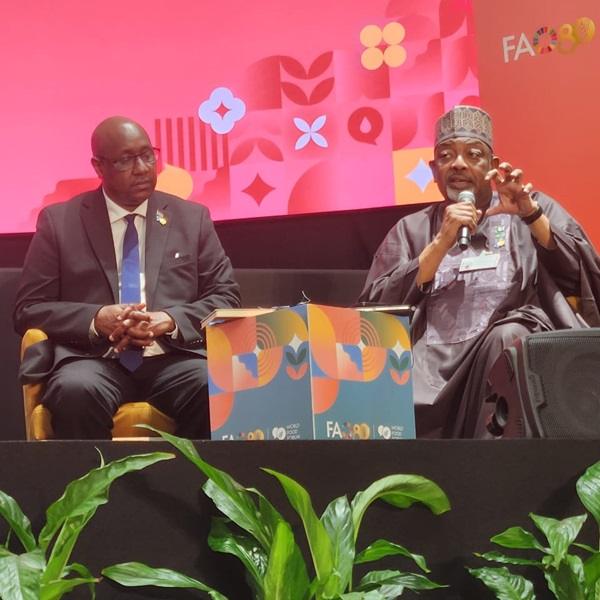
Speaking during the Ministerial Dialogue on SSTC at the 2025 World Food Forum (WFF)—an event marking the 80th anniversary of the Food and Agriculture Organization (FAO) in Rome, Italy—the Minister of Agriculture and Food Security, Senator Abubakar Kyari, said the initiative aims to strengthen the collective bargaining power of developing countries and promote a more equitable global economic system.

Kyari noted that South–South Cooperation has become a central pillar of Nigeria’s agricultural development strategy, fostering knowledge exchange, innovation, and inclusive growth.

He emphasised that effective cooperation must be founded on mutual respect, national ownership, and measurable outcomes, describing SSTC as one of the most practical and cost-effective approaches to achieving food security and shared prosperity.

The Minister highlighted that Nigeria’s partnership with FAO and China under the SSTC framework has delivered tangible results, including progress in technology transfer, farmer training, aquaculture development, and the establishment of Regional Multi-Service Extension Centres across the country.

Read Also: Renewed Hope Initiative Promotes Sustainable Agriculture In Rivers

According to him, “The lessons we continue to draw from our partnerships with China, Brazil, and other developing nations reaffirm that the Global South has the capacity, knowledge, and innovation needed to solve its own challenges if we work together in solidarity.”

Kyari also outlined Nigeria’s current priorities to deepen the impact of SSTC, which include:

  • Institutional Strengthening: Integrating SSTC programmes into national agricultural strategies to align with Nigeria’s National Agrifood Systems Transformation Agenda.
  • Sustainable Financing: Establishing flexible funding mechanisms and encouraging blended finance models to scale up South–South partnerships and projects.
  • Technology and Knowledge Exchange: Promoting collaboration on climate-smart agriculture, irrigation, mechanisation, and digital solutions to boost productivity and resilience.
  • Regional Integration: Strengthening Nigeria’s leadership within ECOWAS to foster sub-regional agricultural trade, research partnerships, and policy harmonisation.

In his remarks, FAO Director-General, Dr Qu Dongyu, commended Nigeria and other member states for their continued commitment to building inclusive and sustainable agrifood systems.

He added that the next phase of South–South Cooperation must be underpinned by stronger institutional frameworks and targeted investments to sustain progress and deliver greater impact across the Global South.

Niger Governor Mourns Victims of Katcha Tanker Explosion

0

Niger State Governor, north-central Nigeria, Mohammed Umaru Bago, has expressed deep sorrow over the tragic tanker explosion that claimed many lives and left several others injured in Essa community, Katcha Local Government Area of the state.

In a condolence message issued by his Chief Press Secretary, Bologi Ibrahim, the governor described the incident as painful, unfortunate, and worrisome. He prayed for the repose of the souls of those who lost their lives and wished the injured a speedy recovery.

Governor Bago lamented that despite repeated warnings and public sensitisation, some people still risk their lives by scooping fuel from fallen tankers. He urged residents to always prioritise safety and value their lives, no matter the situation.

The governor also commended the Niger State Emergency Management Agency (NSEMA) for its quick response to the tragedy and assured that the state government will continue to support the victims through relevant agencies.

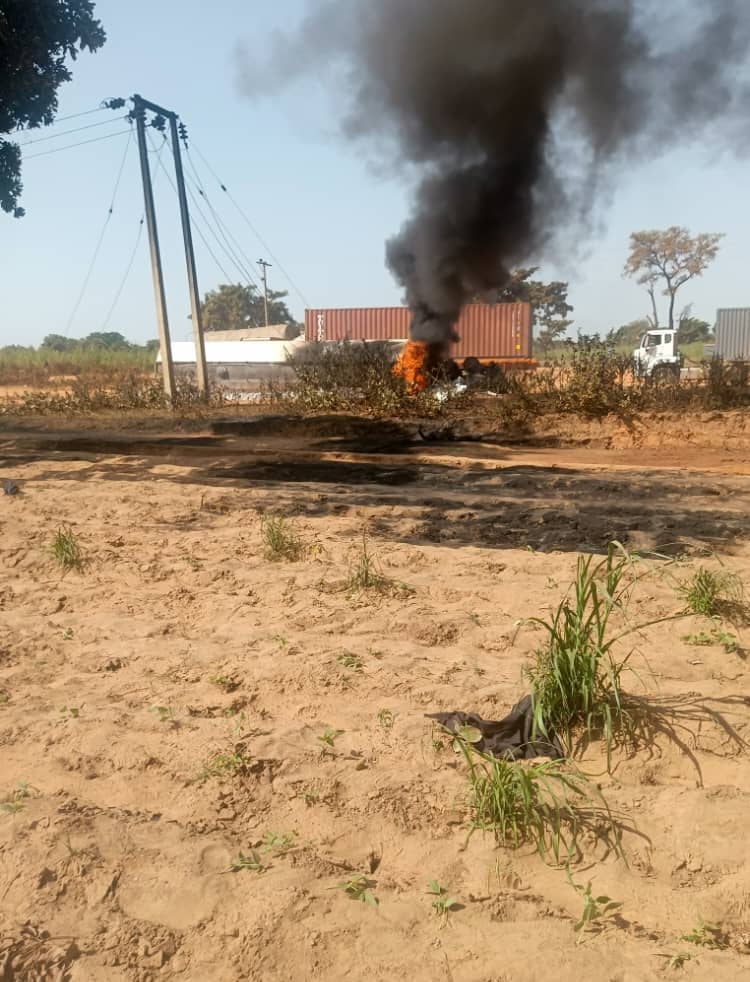
Reports indicate that the explosion occurred while residents were scooping fuel from a fallen tanker.

At least 35 people were reported dead, and more than 40 others were injured following the tanker explosion in the Essa community.

The tragic incident occurred on Tuesday morning when residents were scooping fuel from a fallen tanker.

Eyewitnesses said the explosion happened around 11 a.m. between Essa and Badeggi communities along the Bida–Agaie road.

The victims were reportedly collecting petrol from the tanker when it exploded, burning many beyond recognition. The injured were rushed to nearby hospitals for treatment.

The Niger State Chairman of the Tanker Drivers Association and National Ex-Officio of the Nigeria Union of Petroleum and Natural Gas Workers (NUPENG), Comrade Farouk Mohammed Kawo, confirmed the incident in Minna.

He explained that the tanker was transporting petroleum products from Lagos to northern Nigeria when it crashed.

Road Rehabilitation

Comrade Kawo expressed concern that over 30 tanker accidents had occurred in the same area within the month due to the poor condition of the road.

He also revealed that residents frequently risk their lives scooping products from accident scenes, noting that a similar incident involving a tanker carrying groundnut oil occurred just days earlier.

He appealed to the Niger State Government, under Governor Mohammed Umar Bago, to urgently rehabilitate the damaged section of the road to prevent further loss of lives and property.

The Sector Commander of the Federal Road Safety Corps (FRSC), Aisha Sa’adu, also confirmed the incident. She said the remains of the deceased had been taken to the hospital in Bida while the injured victims were receiving treatment.


Nigerian Military Reaffirms Commitment to National Security

0

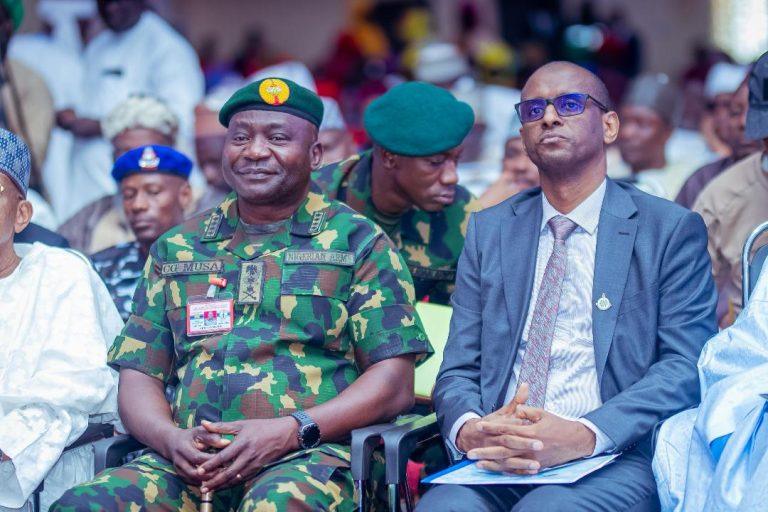
The Chief of Defence Staff, General Christopher Gwabin Musa, has reaffirmed the Nigerian military’s unwavering commitment to boosting security across the country.

He made this statement in his goodwill message at the Northern Traditional Rulers’ Council General Assembly held in Birnin Kebbi, Kebbi State.

General Musa extended warm felicitations to His Eminence, the Sultan of Sokoto and Chairman of the Council, as well as to all esteemed traditional rulers across the Northern region, commending their tireless efforts towards peace, unity, and the well-being of the people.

The theme of this year’s assembly, “Strengthening Community Collaboration for Lasting Peace and Security in Northern Nigeria,” was described by the general as both timely and deeply significant.

He emphasised the vital role of traditional institutions as custodians of culture, morality, and communal harmony—roles he said are essential to securing and stabilising the North, and by extension, the entire country.

General Musa assured Nigerians that the Armed Forces of Nigeria remains steadfast in their constitutional duty to defend the nation’s territorial integrity and protect its citizens.

He emphasised that the success of military operations depends largely on the trust and cooperation of local communities represented and nurtured by traditional rulers.

The Chief of Defence Staff concluded by commending the Northern Traditional Rulers’ Council for its visionary leadership and dedication to peace and development, expressing hope that the Assembly would yield new insights, stronger partnerships, and renewed hope for lasting peace in Northern Nigeria and beyond.