Home Blog Page 249

Kwara, UNICEF Promote Nigerian Adolescents Healthcare

0

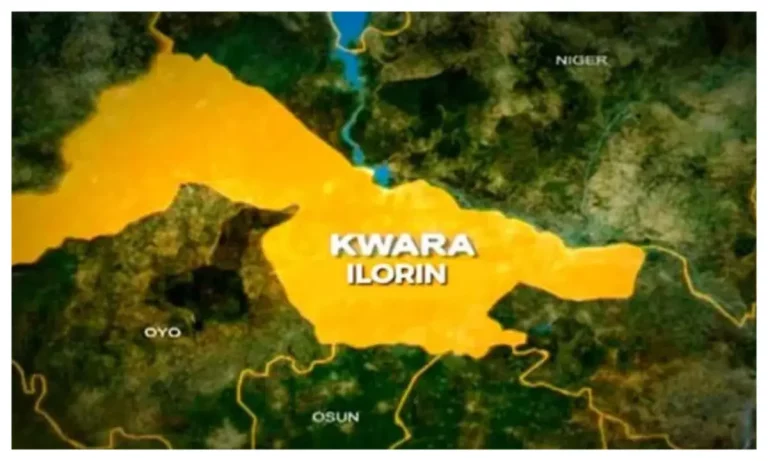
The Kwara State Government, with the support of United Nations Children Fund (UNICEF), and other development partners has organised a sensitisation walk in solidarity with adolescents’ health and development advocacy groups.

Speaking on the sidelines of the walk, the Director, Public Health of the Kwara Ministry of Health, Dr Oluwatosin Fakayode stated that the week was to sensitise the communities to the importance of caring for the adolescents.

He appealed to parents to listen and give necessary support to the adolescents and avoid being “prescriptive” in their response towards their children.

Fakayode said, “Most parents don’t listen to their adolescent children. Gone are the days that you will be prescriptive to them. Children have learnt to ask questions on everything.

”You must learn to listen to them and also guide them, but most importantly you need to understand the reality of what they are, provide and guide them to be productive members of the society.”

Fakayode described the adolescents as the leaders of tomorrow who must be guided and cherished.

“We don’t want them to be victims of societal vices, we need to know that their physical and mental health is very important.

“We have programmes for the adolescent at the ministry, to help them develop and reach their potential.

“We help safeguard them from social vices, drug abuse sexual assault and social assault,” he said.

The sensitisation walk was part of the activities organised to commemorate the 2025 International Adolescents’ Week.

The director pointed out that the government had ensured that they have access to healthcare which are adolescent-friendly.

According to him, the government has put in place facilities for the adolescents that were meant to cater for their needs without discrimination.

Also speaking, the UNICEF Health Specialist, Dr Hadiza Aliyu, described the adolescents as the change makers and leaders of tomorrow.

She emphasised the importance of the week, while enjoining parents to be committed to listening to young voices, their challenges and give support in removing barriers to their development.

Aliyu reiterated the support of UNICEF towards adolescents’ health, and pledged the commitment of the organisation in creating safe spaces for the adolescents to speak out and seek help.

In his remark, the Adolescents’ Desk Officer, Kwara Ministry of Health, Mr Buhari Oladimeji, reiterated the commitment of the state government towards adolescents’ health and development.

He observed that the adolescents have several challenges including menstrual hygiene problem, reproductive health, emotional problem and issues of mental health among others.

Oladimeji said, “It is not a problem for them alone, but can become problem for the communities and society at large.

“The government is trying a lot by ensuring a safe place, such as adolescent friendly centres, where they can go and access care without fear of being judged.”

He said that the Kwara and other development partners have programmes to care for adolescent in area of drug abuse, mental stability and physical health among others.

Oladimeji explained further that the State government had commenced the distribution of re-usable menstrual pads to girls in secondary schools across the state.

He stated that with the present economic condition, re-usable menstrual pads were convenient, comfortable, hygienic and cost saving.


NAN
Edo Governor Praises Air Force’s Development Efforts

0
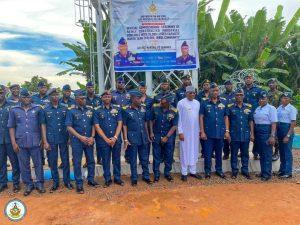
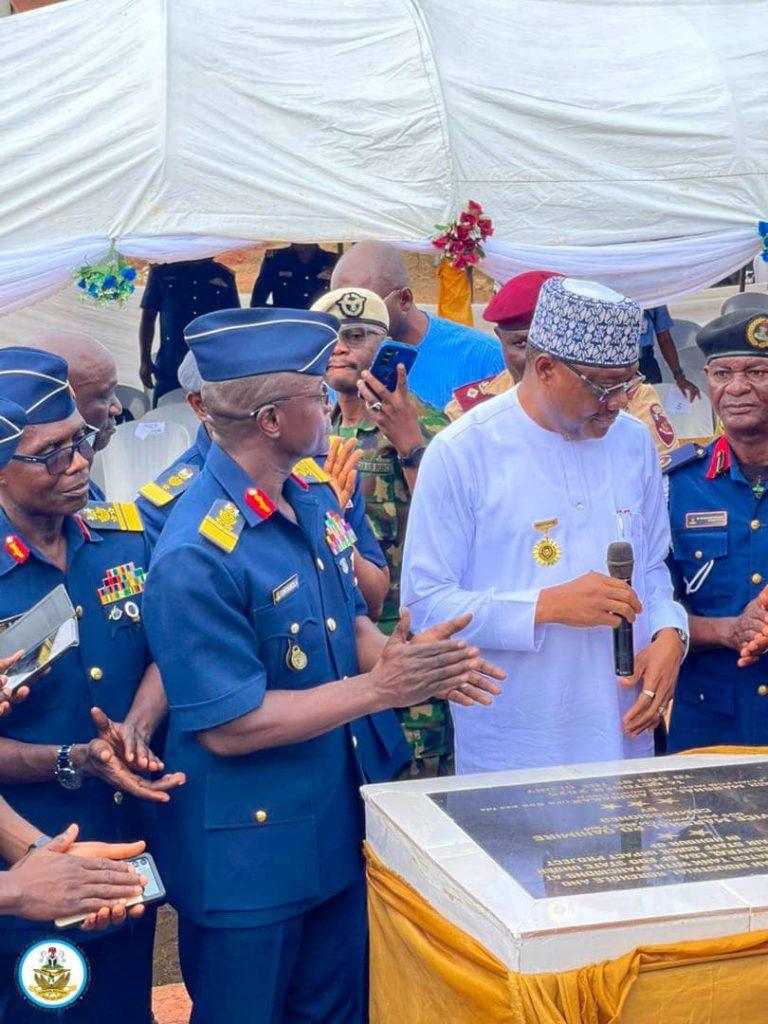
The Governor of Edo State, Senator Monday Okpebholo, has commended the Nigerian Air Force (NAF) for its commitment to community development and its impactful social initiatives.
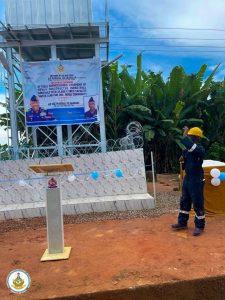
This acknowledgement follows the recent commissioning of a Special Intervention/Quick Impact Project (QIP) in the Ohe Community located in Irrua, within the Esan Central Local Government Area.
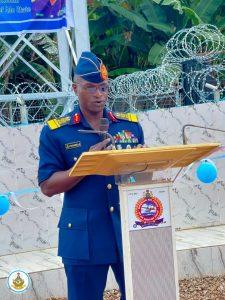
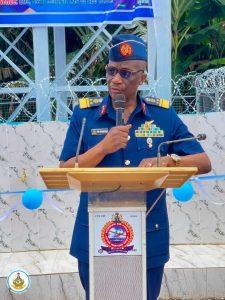
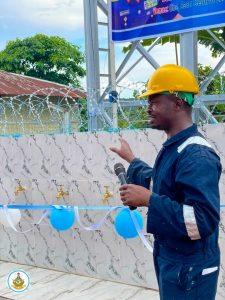
The project, inaugurated by the Chief of the Air Staff (CAS), Air Marshal Hasan Bala Abubakar, provides an industrial borehole with a 35,000-litre overhead water tank to enhance access to clean water for residents.
Governor Okpebholo, who served as Special Guest of Honour, represented by Gani Audu, Chief of Staff to the Governor of Edo state, lauded the NAF for extending its developmental initiatives beyond its operational responsibilities, describing the project as a true reflection of the service’s commitment to the welfare of Nigerians.
He noted that the initiative aligns with his administration’s grassroots development agenda, aimed at promoting sustainable growth and improving the quality of life across Edo State.
The governor also praised Air Marshal Abubakar for his leadership vision in strengthening civil-military relations through impactful humanitarian programmes.
Speaking at the event, the CAS, represented by the Chief of Civil-Military Relations, Air Vice Marshal Ibikunle Daramola, reaffirmed the NAF’s resolve to deepen its connection with communities through development-orientated projects.
He explained that the initiative forms part of the Chief of the Air Staff’s Special Intervention and QIPs, designed to foster trust, cooperation, and mutual understanding between the military and the civilian populace.
According to Air Marshal Abubakar, “civil-military relations remain critical to national stability, as they promote collaboration between the armed forces and local communities while discouraging activities that threaten peace and unity.” 
He further noted that the “upgrade of the Directorate of Civil-Military Relations to a full Branch in May 2024 demonstrates the NAF’s evolving role in humanitarian affairs, gender advocacy, and grievance redress for both personnel and civilians.”
The CAS commended Air Vice Marshal Pius Oguega Oahimire, an indigene of Ohe Community, for identifying a project that directly addresses the people’s needs.
He urged residents to take ownership of the facility and maintain it for long-term use while assuring them of the NAF’s continued partnership in promoting peace and security across the state.
In his remarks, AVM Oahimire, the Project Coordinator and Honouree, expressed profound gratitude to the Chief of the Air Staff for the honour of executing a project in his community under the NAF’s QIP.
He stated that access to clean water is essential to life and development, adding that the gesture reflects the NAF’s understanding that national security and community welfare are inseparable. He encouraged the people of Ohe to protect and sustain the project as a legacy for future generations.
The event attracted community leaders, traditional rulers, NAF senior officers, and residents, who all expressed appreciation to the Nigerian Air Force for its continued efforts in improving lives through people-centred initiatives.

Osun Climbs To 6th In Climate Governance Ranking

0

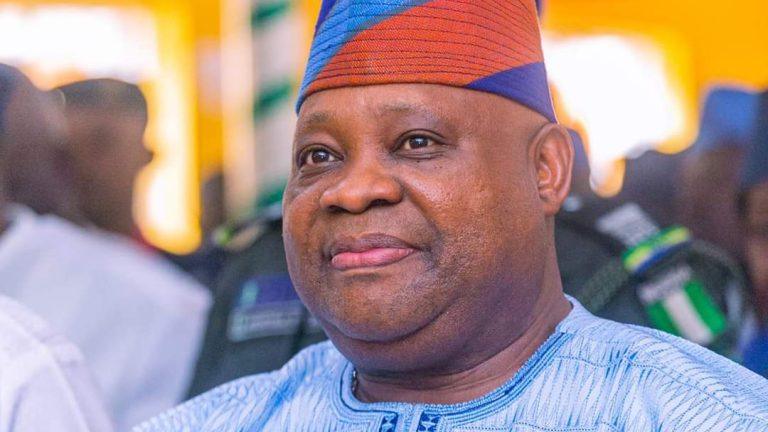
Osun State has emerged 6th among Nigeria’s 36 states in the 2nd Edition of the Sub-national Climate Governance Performance Ranking Report, marking a remarkable rise from its previous 30th position.

The Climate Governance Performance Ranking is a federal government initiative supported by the Society for Planet and Prosperity (SPP).

The report provides a comprehensive evaluation of how Nigerian states are implementing climate policies, strengthening institutional frameworks, and promoting local climate action.

According to a press release signed by Governor Ademola Adeleke’s spokesperson, Olawale Rasheed, the ranking serves as an important tool for accountability, innovation, and collaboration toward achieving a sustainable and resilient future for all Nigerians.

“In this 2025 edition, Osun State achieved a total score of 265, marking an exceptional leap from 30th position in 2024 to 6th position; thereby emerging as the second-best performing state in the South-West region after Lagos State,” Rasheed stated.

According to Rasheed, the state has implemented several transformative initiatives, including:

•Increased budgetary allocation for climate change projects and programmes;

•Establishment of a Department of Climate Change and Renewable Energy within the Ministry of Environment and Sanitation;

•Implementation and monitoring of climate-related projects across local governments;

•Integration of climate education and environmental awareness into school curricula;

•Regular capacity building for state and local climate officers; and

•Enhanced coordination and collaboration with the Federal Ministry of Environment and other national and international partners.

Special commendation was also given to Professor Chinwe Obuaku-Igwe, Director-General and Special Envoy to the Governor on Climate Change and Renewable Energy, whose leadership, resilience, and strategic coordination have been instrumental in positioning Osun State as a national leader in sub-national climate governance.

The event was attended by key stakeholders, including the Minister of Environment, the Director-General of the National Council on Climate Change (NCCC), and other experts in climate change, circular economy, renewable energy, and environmental sustainability.

Rivers State Pledges Support for Judiciary’s Independence

0

The Government of Rivers State, in South-South Nigeria, has reaffirmed its unwavering commitment to ensuring that the state’s judiciary remains independent, efficient, and a steadfast pillar of democracy.

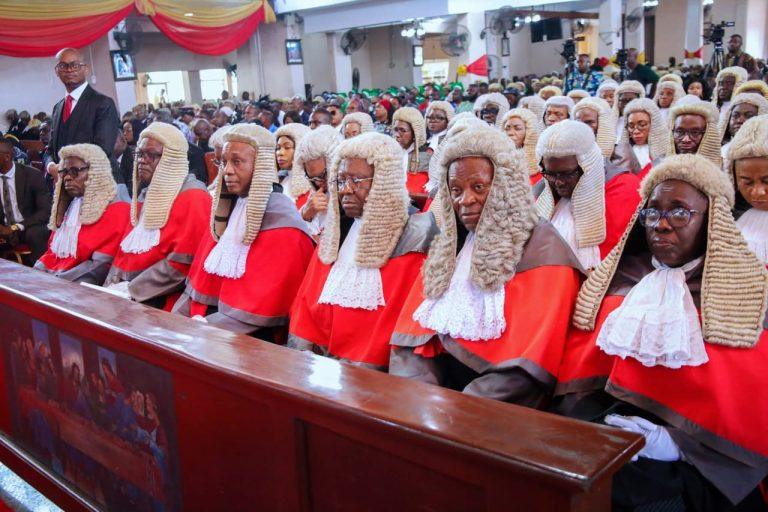
Speaking during the formal opening of the 2025/2026 legal year at a special court session held at the State High Court Complex, Rivers State Governor Siminalayi Fubara declared that his government would provide every necessary support to empower the judiciary as a truly autonomous and effective arm of government.
In his address, Governor Fubara praised the Rivers State Judiciary, describing it as one of the most reputable in Nigeria.
He lauded the courage, brilliance, and dedication of its judicial officers, noting that their consistent application of the law with integrity had strengthened the public’s trust in the justice system.
“Every judge is under a judicial oath to provide equal justice to all persons according to law without fear, favour, or affection, emphasising the moral responsibility of judges to uphold impartial justice in all cases,” he said.
The governor called on all courts, whether superior or subordinate, to carry out their duties with boldness and fairness, ensuring their rulings promote substantial justice, democracy, and respect for fundamental human rights.
He reminded legal practitioners of their role as ministers in the temple of justice, stressing that honesty and fidelity to the law must guide their practice.
In a reassuring note, Governor Fubara announced that the recent political crisis in the state had been fully resolved, with all stakeholders reconciled and the administration now focused on delivering people-oriented governance.
 “We have resumed full implementation of our developmental agenda with renewed energy and greater determination, pledging cooperation with the Legislature, Judiciary, and relevant institutions to fast-track progress,” he added.
The Governor also acknowledged the exemplary leadership of the Chief Judge of Rivers State, Justice Simeon Amadi, whose efforts, he said, have kept the judiciary functional and credible even in difficult times.

Cordelia Eke, Chair of the NBA Port Harcourt, has asserted that political challenges and the lack of an Attorney General have significantly hindered the delivery of justice.

She emphasised the necessity of enhancing legal frameworks to protect institutions during periods of crisis.

On behalf of the Body of Senior Advocates of Nigeria (BOSAN), Onueze Okocha decried the erosion of public trust in the courts, blaming it on inconsistent judgments and slow justice. He urged judges to uphold integrity and resist personal or political influence.
The event concluded with presentations of gifts to key state officials and intercessory prayers for the Judiciary, Government, Rivers State, and the nation at large.

U.S Presidential Advisor Dismisses Religious Persecution Claims in Nigeria

Temitope Mustapha, Abuja

Senior Adviser to the United States President Donald Trump, on Arab and African Affairs, Massad Boulos, has described allegations of religious persecution in Nigeria as misguided and inconsistent with the realities on the ground, affirming that terrorism in the country affects citizens of all faiths and ethnicities.

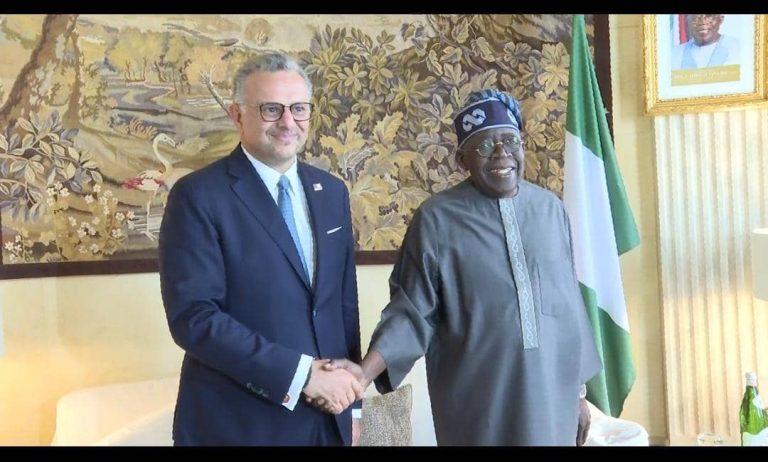
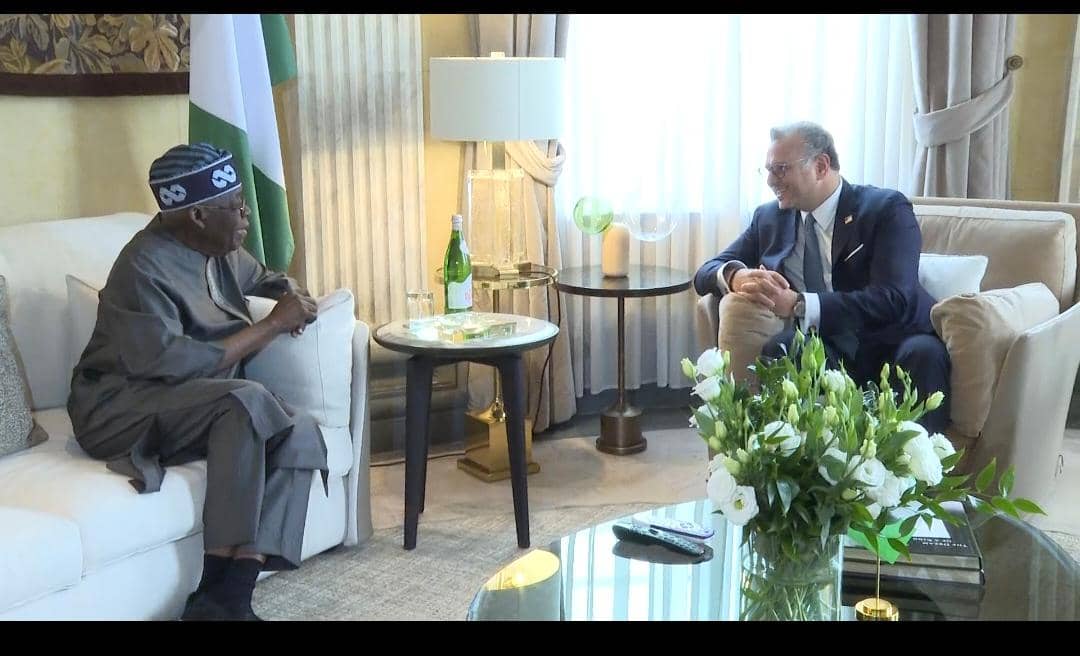
Mr. Boulos, who met with President Bola Ahmed Tinubu on the sidelines of the 10th Aqaba Process Summit in Rome, said it was “unfortunate” that narratives of religious targeting were being promoted despite clear evidence that states otherwise.

He emphasised that “terrorism has no colour, no relation, no tribe,” stressing that people from all religious and ethnic backgrounds have been victims of violence.

According to him, “Of course, any incident of any loss of life is absolutely unfortunate, of course, those who know the terrain well know that terrorism has no colour, no relation, no tribe. People of all religions and of all tribes are dying, and it is very unfortunate, and we even know that Boko Haram and ISIS are killing more Muslims than more Christians. So people are suffering from all sorts of backgrounds. This is not specifically targeted at one group or the other.”

While condemning every loss of life as “one too many,” the U.S. envoy underscored the need for Nigeria and the United States to continue to work in partnership to end terrorism and communal clashes across the country.

Mr. Boulos further commended the Tinubu-led administration’s recent security measures and increased deployment of resources to troubled areas in the Middle Belt, applauding visible improvements and reiterating that Nigeria remains a diverse but united nation, where Christians and Muslims have co-existed peacefully for centuries.

“With regards to other incidents that happened in the middle belt where farmers are located …, and herdsmen are going through, they have these incidents. Definitely, it is not something that we can say are specifically targeted at this specific group; however we must work together to put an end to this.

“However any loss of life is too many, one is too many, we should put an end to work together in partnership to put an end to this.

“The Nigerian government and the President Tinubu administration have recently put in additional measures and put more resources in those area and we have seen more improvements in those areas.

“We appreciate those measures and we look forward to ending these sorts of acts wherever they come from and we know that Nigeria is a country with all sorts of groups and religious groups.

“Ethnic and tribal and other groups are living together for centuries and the Nigerian population is split 50/50, and so this has never been a serious religious issue and should not be, but we appreciate what President Tinubu has done and we shall continue to work together to make sure it’s taken care of.”

Boulous added he discussed enhanced cooperation with the Nigerian Leader, President Tinubu thereby further strengthening cooperation with the government of the United States in combating terrorism and strengthening regional security.

“We talked about a number of things most importantly on counter terrorism, we have been working very closely with the Nigerian government and President Tinubu’s administration on countering terrorism and fighting terrorism.

“What is happening today in the Sahel region and in the Lake Chad Basin is of extreme concern to all of us not just people in the sub region but to the entire world to Europe and to the entire world

“It is a very serious concern and we are working on combating it and to we will be cooperating with and continue to cooperate towards combating this serious problem in the region,” Boulos said.

Gulf of Guinea Security

Further highlighting Nigeria-U.S Cooperation on the Gulf of Guinea, the Senior Adviser to President Trump,  Massad Boulos, emphasised the importance of continued collaboration between Nigeria and the United States in strengthening maritime security across the Gulf of Guinea.

He said maritime safety remains a vital area of cooperation, not only for Nigeria but for all countries within the Gulf of Guinea region.

The UN Envoy noted that both nations have already established strong frameworks for intelligence sharing, joint training, and technology-driven security operations, adding that several ongoing programs are being expanded to address emerging threats along the West African coast.

Boulos also acknowledged Nigeria’s recent acquisition of advanced maritime equipment from the United States, expressing optimism that the partnership would deepen through enhanced operational capacity, intelligence exchange, and sustained regional coordination.

“We also talked about the maritime security in the Gulf of Guinea , also a very important of our cooperation not just Nigeria but other countrues within the Gulf of Guinea so hopefully this is something we can continue to work on

“There is a lot of work we have already done together already. There is information sharing, there is training , there is technology; there are quiet a few programs that we have worked on and we will continue to work on but hopefully we can increase that. We know that Nigeria recently purchased some equipment from the United States and we hopefully hope towards working improving on that. “

The US Envoy reaffirmed the commitment of the United States to working closely with the Tinubu administration to secure the Gulf of Guinea, safeguard trade routes, and strengthen economic stability across West Africa.


APC Governors Back Renewed Hope Programmes

0

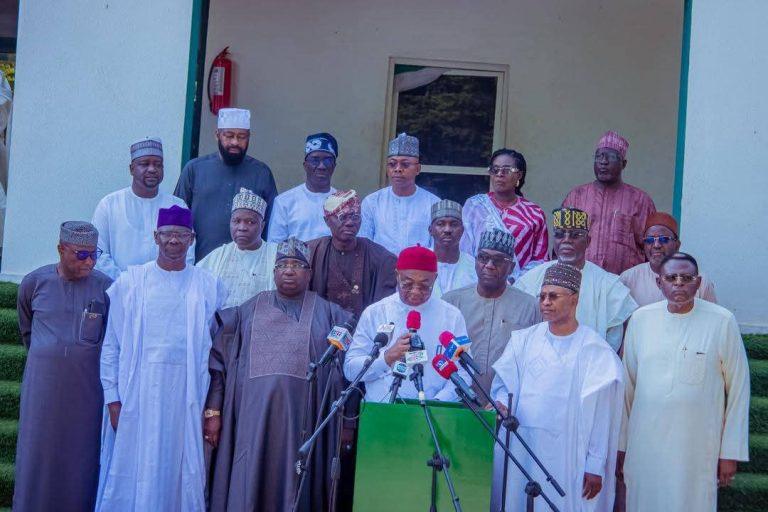
The Progressives Governors’ Forum (PGF) has commended President Bola Ahmed Tinubu for initiating the Renewed Hope programmes, noting the successes achieved in the economy and security sectors.

The PGF, led by Imo State Governor Senator Hope Odidimma Uzodimma, made the commendation at a two-day meeting.

The governors also urged the Academic Staff Union of Universities (ASUU) to engage in dialogue with the federal government to resolve their grievances.

The PGF commended President Tinubu for strengthening national unity and providing progressive leadership.

They also welcomed the new APC National Chairman, Professor Nentawe Goshwe Yilwatda, assuring him of their support.

The governors noted that there is greater understanding and engagement between the federal government and states, which they vowed to sustain.

President Tinubu Prioritises Education, Digital Economy – Minister

0

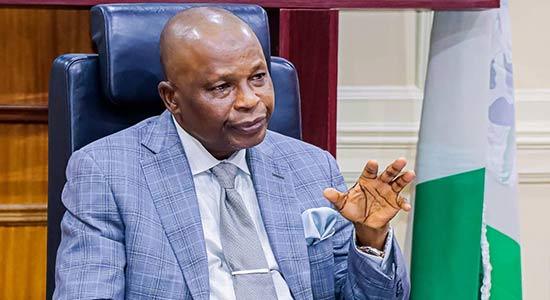
The Attorney General of the Federation and Minister of Justice, Prince Lateef Olasunkanmi Fagbemi, has said that President Bola Tinubu’s Renewed Hope Agenda has placed education, digital economy development, and human capital advancement at the centre of the national development strategy.

Prince Fagbami (SAN) disclosed this in Lokoja, North Central Nigeria, while presenting a lecture titled “The Intersection of Law, Digital Technology and Human Resourcefulness in Transforming University Education in Nigeria” as part of activities slated for the 9th convocation ceremony of the Federal University Lokoja, Kogi State.

According to him, the policy framework of the present administration recognises that Nigeria’s demographic advantage can only be realised through strategic investments in educational excellence and innovation that prepare citizens for productive participation in the global economy.

He added that the administration’s commitment to educational transformation extends beyond traditional infrastructure development to encompass systematic reforms in curriculum development, technology integration, and institutional capacity building.

“The establishment of 67 new higher institutions in the two years, with a focus on specialised fields such as agriculture, environment, health sciences, sports, and technology, demonstrates strategic alignment between university development and national economic diversification objectives.

“It is noteworthy that in August this year, after an extensive review of the state of tertiary education, President Tinubu placed a moratorium on establishing new universities, polytechnics, and colleges of education.

“The move responds to widespread under-enrolment and resource allocation issues in existing institutions, with some running far below capacity. By pausing expansion, the government has sought to focus on improving quality, strengthening facilities, and raising academic standards to ensure Nigerian graduates remain competitive globally,” the minister said.

Speaking further, the Minister of Justice pointed out that the transformation of Nigerian university education requires collective responsibility extending beyond individual institutions or government agencies, noting that the government must provide enabling policy frameworks and strategic leadership to achieve the desired transformation in the education sector.

“Universities must embrace change while preserving their essential functions. Students must engage actively in their education. Society must support educational excellence while holding institutions accountable,” he stated.


Ministers of Foreign Affairs Adopt Kampala Declaration

By Margaret Ebeshi

The Ministers of Foreign Affairs of the Non-Aligned Movement (NAM) have adopted the Kampala Declaration at the 19th Mid-Term Ministerial Meeting held in Uganda.

At the meeting with the theme “Deepening Cooperation for Shared Global Affluence,” the ministers reviewed progress on decisions taken at the 2024 Kampala Summit and addressed emerging global challenges affecting peace, development, and multilateralism.

The ministers also emphasised the continuing relevance of NAM in today’s complex geopolitical environment and underscored its role in promoting international peace, equality, and justice.

The declaration reaffirmed the enduring principles of the Movement, rooted in the Bandung (1955) and Belgrade (1961) Conferences, including respect for sovereignty, territorial integrity, non-interference, and peaceful coexistence among states.

Palestine

A central focus of the Kampala Declaration was the Question of Palestine, which remains at the heart of NAM’s agenda.

The ministers expressed deep concern over the humanitarian crisis in Gaza.

The declaration called for the full implementation of UN General Assembly Resolution ES-10/27, demanding an end to any blockade and unrestricted humanitarian access.

It also commended mediation efforts by Egypt, Qatar, Türkiye, and the United States in achieving the Sharm el-Sheikh Agreement to end hostilities.

The ministers also reiterated NAM’s support for the Two-State Solution, with East Jerusalem as the capital of an independent State of Palestine.

They called for Palestine’s admission as a full United Nations Member State and welcomed the New York Declaration on the peaceful settlement of the Palestinian question, co-chaired by Saudi Arabia and France.

Beyond the Middle East, the declaration addressed regional tensions and sovereignty concerns, condemning Israel’s continued occupation of the Syrian Golan Heights and its aggressions against Lebanon and Syria.

The ministers further denounced recent Israeli airstrikes on the Islamic Republic of Iran, describing them as grave violations of international law and threats to international peace and security.

The Kampala Declaration also renewed NAM’s commitment to multilateralism, calling for comprehensive reforms of the United Nations system, the international financial architecture, and global governance institutions.

It voiced strong support for Africa’s representation in a reformed UN Security Council, in line with the Ezulwini Consensus and Sirte Declaration.

On global development, NAM reaffirmed its commitment to the full implementation of the 2030 Agenda for Sustainable Development and the Addis Ababa Action Agenda, urging developed nations to provide fair financing, debt relief, and technology transfer to developing countries.

The ministers also called for the immediate lifting of all unilateral coercive measures that hinder the economic growth and human development of targeted nations.

Climate action featured prominently in the declaration, with the ministers recognizing the Baku Climate Unity Pact from COP29 as a milestone in global cooperation.

They urged developed countries to lead in addressing climate challenges under the principles of equity and common but differentiated responsibilities, in accordance with the UN Framework Convention on Climate Change (UNFCCC).

On peace and security, NAM reaffirmed its opposition to terrorism in all forms and condemned the misuse of emerging technologies and cyberspace for terrorist purposes.

The ministers underscored the need for international collaboration on cybersecurity and called for dialogue, tolerance, and respect among nations and cultures as tools to counter extremism and hate speech.

Concluding the meeting, the ministers expressed appreciation to President Yoweri Kaguta Museveni and the Government of Uganda for hosting the conference and for their leadership in advancing NAM’s objectives.

They also looked forward to the XX Summit of Heads of State and Government of the Non-Aligned Movement to be held in Uzbekistan, where member states will continue efforts to strengthen unity, global cooperation, and shared prosperity.


President Tinubu Hails Obamuroh on Global Law Firm Partnership

0

Temitope Mustapha, Abuja

President Bola Ahmed Tinubu has congratulated Nigerian lawyer, Mr. Tolu Obamuroh, on his elevation to the partnership of White & Case LLP, one of the world’s leading international law firms headquartered in New York.

In a statement by his Special Adviser on Information and Strategy, Mr. Bayo Onanuga, the President described the appointment as a testament to Nigerian excellence, resilience, and global competence.

Mr. Obamuroh, who will serve as Partner in the firm’s International Arbitration Practice in Paris from January 1, next year, is one of only three new global partners in the division and the only one based in Paris.

President Tinubu commended the lawyer’s remarkable career, noting that he has represented sovereigns and major corporations in complex, high-value cross-border disputes across the energy and infrastructure sectors.

He further lauded Mr. Obamuroh’s ongoing contributions as a trusted adviser to the Government of Nigeria under the supervision of the Attorney General of the Federation and Minister of Justice.

According to the President, Tolu’s elevation represents the very essence of the Renewed Hope Vision, a nation whose citizens lead and excel across global disciplines with integrity, competence, and impact.

President Tinubu joined the legal community, family, and friends of the newly appointed partner in celebrating the milestone, urging young Nigerians to draw inspiration from his journey as proof that dedication and discipline can propel them to global prominence.

With his elevation into the partnership of White & Case LLP, one of the world’s leading international law firms headquartered in New York, Obamuroh now distinguishes himself as the only Nigerian-qualified lawyer in this year’s global partner class, a reflection of exceptional merit and professional achievement.


UNESCO Commends Nigeria’s Commitment to Education Transformation 

0

Mnena Iyorkegh, Saleem Kankimes

The United Nations Educational, Scientific and Cultural Organlsation (UNESCO), has commended Nigeria’s Ministry of Education for its unwavering dedication and commitment to transforming Nigeria’s education sector and institutionalising peace learning landscape.

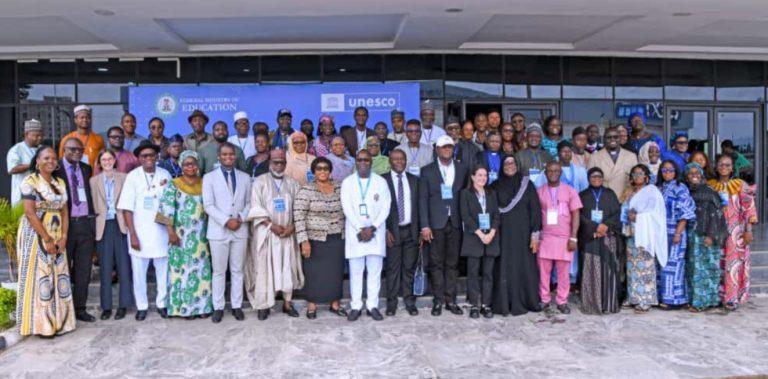
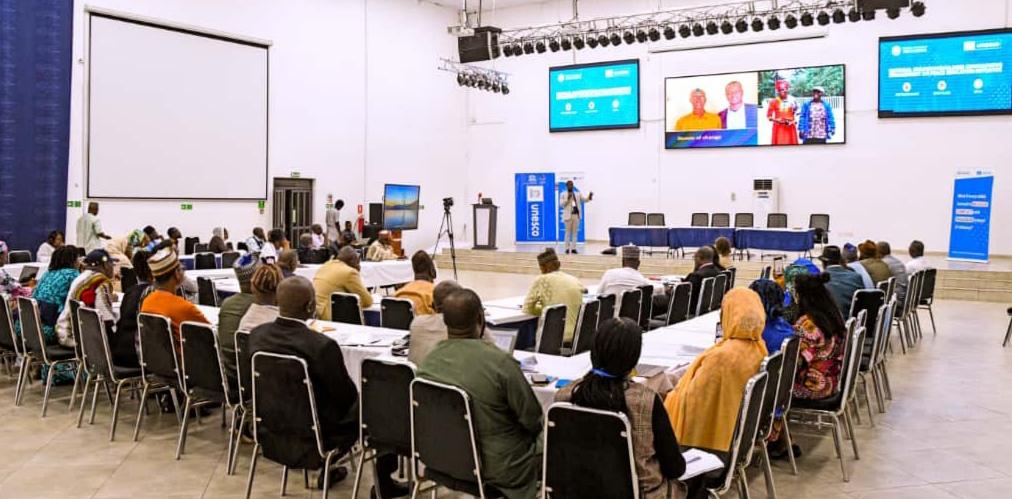
The Head of Office UNESCO in Nigeria, Mr. Jean-Paul Ngome-Abyaga, stated this at the National Multi stakeholder Consultative Engagement on the National Peace Education Initiative (NPEI).

The National Peace Education Initiative (NPEI) seeks to equip young Nigerians with values and critical thinking skills that promote dialogue, unity, and resilience in a diverse nation.

The UNESCO Head of Office, who was represented by the Regional Education Advisor and Head of Education Sector, UNESCO, Mr. Albert Mendy, stressed that education remains one of the most powerful tools to reshape mindsets, promote non-violence, and build lasting unity.

“At the heart of UNESCO mission is a simple but powerful conviction that peace begins in the minds of women and men and educating women is one of the strongest tools we have to nurture. Education also helps strengthen the commitment of learners to non-violence and peace, in particular by addressing hateful and violent narratives. Education guides more than impact knowledge, it shares acceptance and It opens the way for value, understanding, and active representation”, he said.

He added that UNESCO will continue to offer support in fostering peace and tolerance to Nigeria through education.

“In 2023, UNESCO updated a recommendation on education for peace, human rights and system of development, which is expected to serve as a helpful guidepost in defining educational objectives that enable more peaceful processes. UNESCO will not face costs in supporting Nigeria to develop and implement a national peace education initiative that truly reflects our shared values and aspirations. Together, we can nurture a generation that not only learns about peace, that leads people'”, he added.

Inclusive education 

The Director Planning, Research and Development Department, Nigeria’s Ministry of Education, Mrs. Ubianugu Anigbodu, reiterated its commitment to promoting peace and inclusion through education.

She commended UNESCO for its collaboration and the participants from across the education sector for their dedication to institutionalizing peace education in Nigeria’s school system.

“Education is not only a tool for knowledge acquisition, but also a powerful means of shaping character, fostering tolerance, and nurturing understanding among diverse groups. Education remains a vital tool for shaping character, fostering tolerance, and building a peaceful society”, she said.

For his part, the Director General Institute for Peace and Conflict Resolution in Nigeria, (IPCR) Dr. Joseph Ochogwu, reaffirmed their dedication to advancing peace education and fostering non-violence through collaborative learning initiatives in Nigeria. He highlighted the Institute’s ongoing efforts in promoting peace through educational partnerships.

“The Institute of Peace and Conflict Resolutions initiatives ranging from peace education programs and workshops to the National Peace Academy’s capacity building courses have continued to equip educators, students, and community leaders with the tools to prevent violent extremism and build a culture of tolerance and reconciliation across the nation”, he said.

The Executive Secretary Nigerian Educational Research and Development Council Prof. Salisu Shehu emphasized the sacred value of human life as the foundation for peace education in Nigeria.

Speaking at the National Multi stakeholder Consultative Engagement on the National Peace Education Initiative (NPEI), Prof. Salisu underscored that all faiths uphold the sanctity of life and reject violence in any form.

“Institutionalising peace education is not only important but an existential necessity for human survival, social harmony, and environmental balance. The address reinforced that promoting peace means safeguarding life itself and ensuring coexistence among individuals, communities, and the wider society”, she added.

Fostering global citizenship 

Meanwhile the International Program Officer Untied State Embassy in Nigeria, Ilana Weinberg have expressed strong support for Nigeria’s National Peace Education Initiative (NPEI), describing education as a transformative step towards fostering global citizenship, tolerance, and human dignity.

” US is committed to partnering with Nigeria education stakeholders to developing a curriculum that equips young people with the knowledge, empathy, and critical thinking skills needed to promote peace, solidarity, and respect for human rights. Understanding historical atrocities such as the Holocaust, colonialism, and genocide is vital in helping learners recognize the dangers of hate, discrimination, and extremism”, she said.

The National Multi Stakeholder Consultative Engagement on the Peace Education Initiative (NPEI), brought together key stakeholders from government institutions, civil society, and the education sector to deliberate on strategies for institutionalizing peace education within the national education framework at fostering peace, unity, and social cohesion across Nigeria.