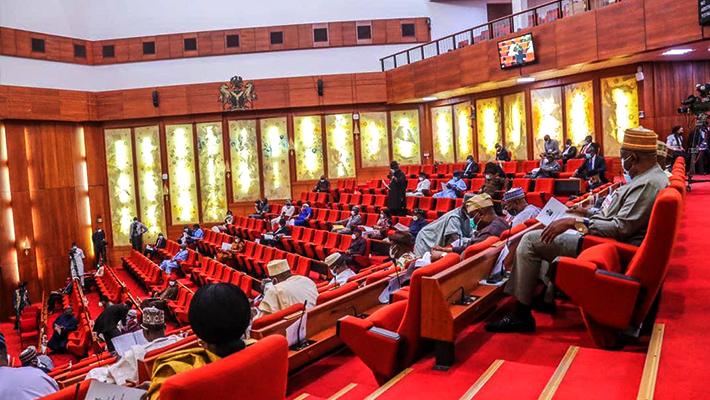
The European Union Parliament has reiterated the EU’s continued commitment to supporting Nigeria’s efforts to combat insecurity through several peace and security initiatives, including programmes on disarmament, deradicalisation, reintegration, and peace building.
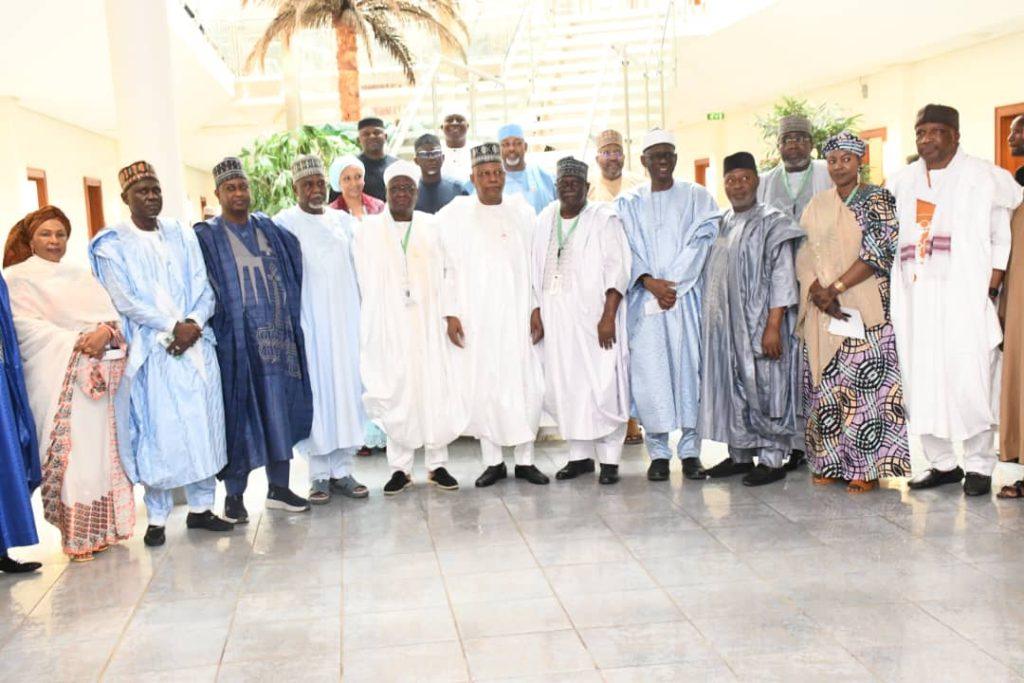
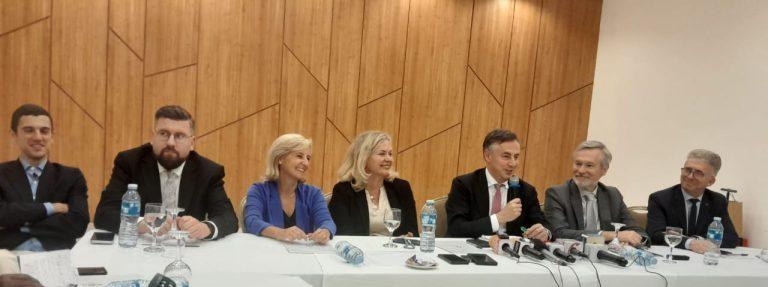
The Chairman of the Parliament’s Committee on Foreign Affairs, David MacAllister, stated this in Abuja, Nigeria’s capital, at the end of a two-and-a-half-day visit by a European parliamentary delegation to Nigeria and the ECOWAS Commission.
MacAllister, while describing Nigeria as a strategic partner in Africa, observed that terrorism in Nigeria is not driven solely by ideology. He further pledged to strengthen cooperation with Nigeria in addressing security challenges, migration management, and sustainable development.
“Many factors contribute to it like inequality, youth unemployment, communal conflicts, weak governance, and environmental stress. We expect that all groups and vulnerable communities are best protected by the Nigerian authorities.”
According to the Chairman of the Committee, the visit underscored the EU’s commitment to building a stronger partnership with Nigeria.
“Our visit to Nigeria illustrates the willingness of the European Union’s institutions, and in this case the European Parliament, to strengthen relations between Nigeria and the European Union. We reciprocally need each other as reliable and constant partners, committed to multilateralism, international law, human rights, and a fairer and more sustainable world”, he said.
Read Also: Nigerian Senate, EU Delegation Strengthen Ties
Speaker Seeks Stronger Nigeria–EU Parliamentary Partnership
Speaking on migration and humanitarian response in Nigeria, the EU lawmaker expressed concern about the malnutrition crisis and migration pressures in parts of northern Nigeria, stressing that addressing humanitarian needs would help reduce irregular migration.
“We are deeply concerned by the malnutrition crisis, especially in the North-East and North-West,” he said. “Thousands of children’s lives are at stake. While the EU stands with Nigeria, more commitment from federal and state governments is urgently needed.”
According to him, migration management requires tackling its root causes by creating jobs and improving access to education and healthcare.
“We must work together to address the factors pushing people to migrate irregularly,” he added. “Sustainable development is the surest path to reducing migration pressure.”
‘Nigeria’s largest trading partner’
On development and investment, MacAllister reaffirmed that the European Union remains Nigeria’s largest trading partner and leading source of foreign direct investment, accounting for about one-third of its total FDI.
“Through our global gateway investment strategy, we are opening new opportunities in the digital economy, renewable energy, agriculture, health, and transport. With our member states and financial institutions, we are investing billions of euros in grants and loans”, he said.
While speaking on the shared democratic values with the EU, He maintained that Europe and Africa share a common future, reiterating EU’s continued support to Nigeria’s democratic institutions and human rights framework, describing them as the backbone of the partnership between both sides.
“Nigeria may not be a perfect democracy, but it is a democracy,” MacAllister said. “We highly respect our Nigerian colleagues and their commitment to democratic governance. The future of Europe and Africa are closely linked. Your success will also be our success. Our message as we return to Brussels is clear it is time for the European Union to engage more with and in Nigeria. We need Nigeria to partner with us to defend our common values, manage migration flows, and promote peace and development. Nigeria matters to the European Union”, he noted.
MacAllister, the leader of the six-member delegation added that discussions with Nigerian officials centred on peace building, migration management, and economic cooperation. With more emphasis on having a prosperous, stable, and democratic West Africa and a strong and stable Nigeria.