Home Blog Page 278

Sokoto Records Massive Turnout in Measles-Rubella Campaign

0

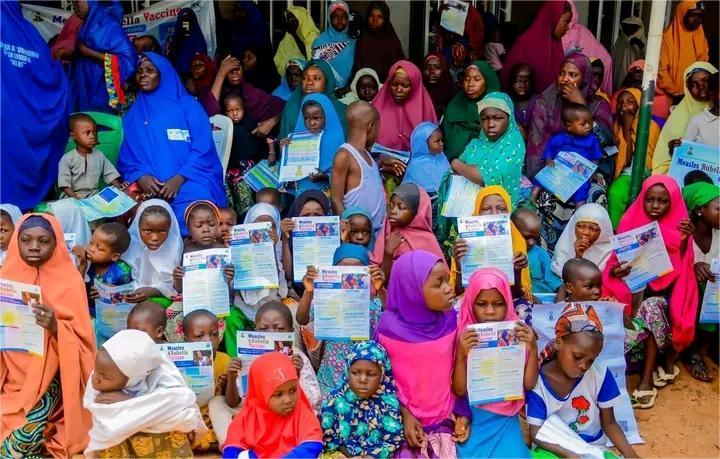
The ongoing Intra-Campaign Immunisation Exercise across Sokoto State has recorded remarkable success with over 2.2 million children vaccinated against life-threatening diseases, including Measles Rubella, Poliomyelitis, and Human Papilloma Virus (HPV).

According to data from the Intra-Campaign Dashboard, a total of 1,316,147 children aged 9 months to 14 years have so far received the Measles Rubella (MR) vaccine, while 903,463 children aged 0 to 59 months (under five years) have been successfully immunised against polio.

Similarly, 28,474 nine-year-old girls have received the HPV vaccine, which protects against cervical cancer.

Health officials described the figures as a breakthrough in the fight against preventable childhood diseases, noting that the impressive turnout reflects growing public confidence in government-led health interventions.

Speaking on the progress of the campaign, officials from the State Primary Health Care Development Agency (SPHCDA) under the leadership of the state Commissioner for Health, Dr. Faruk Wurno and acting Executive Secretary SPHCDA, Dr Bilyaminu Sifawa, attributed the success to robust community mobilization, strong collaboration with traditional and religious leaders, and the dedication of health workers across the 23 local government areas.

This, they explained, is a clear demonstration of what can be achieved when parents, communities, and health authorities work together for a healthier future, adding that the state is on course to surpass its targets before the end of the 10-day exercise.

The campaign, which aims to reach every eligible child and adolescent, continues to witness large turnouts at health facilities, temporary vaccination posts, schools, and designated community centres.

Health authorities have reiterated their commitment to ensuring that no child or eligible girl is left behind, urging parents and caregivers who have yet to present their children for vaccination to do so before the campaign concludes.

Vaccination remains one of the safest and most effective ways to protect children from deadly but preventable diseases, the SPHCDA emphasised, calling on communities to continue supporting the effort toward a disease-free Sokoto.

With five days remaining, the Sokoto State Intra-Campaign continues to gather momentum, signalling strong prospects for achieving full coverage and further strengthening the state’s health system resilience.


NCDC Launches Campaign Against Antimicrobial Resistance

0

The Nigeria Centre for Disease Control and Prevention (NCDC) has launched a groundbreaking communication drive to tackle antimicrobial resistance (AMR), by translating scientific messages into four major local languages: Hausa, Igbo, Yoruba, and Pidgin English.

The NCDC, in partnership with the Dr Ameyo Stella Adadevoh (DRASA) Health Trust, the Centre for Infection Control and Patient Safety (CICaPS) at the University of Lagos, and the Committee of Vice Chancellors of Nigerian Universities (CVCNU), unveiled the “SayAMR Language Hackathon” in Abuja, Nigeria’s Capital.

The initiative seeks to develop culturally grounded and easily understood AMR terms to strengthen grassroots awareness and change public behavior on antibiotic use, a model global health experts say could inspire other multilingual nations.

The Director-General of the NCDC, Dr Jide Idris, said AMR is more than a medical issue, warning that it impacts health security, agriculture, and economic stability.

He reaffirmed the government’s commitment to protect citizens under the National Action Plan on AMR (2024–2028), which focuses on prevention, responsible drug use, and effective communication.

Dr Idris emphasized the importance of language in health communication, saying it plays a critical role in changing behavior and raising awareness.

He explained that Nigeria’s over 500 local languages offer powerful tools for national development and community engagement.

Mrs Niniola Williams, Managing Director of DRASA Health Trust, said the hackathon would help bridge the gap between science, storytelling, and community awareness, enabling Nigerians to understand AMR in simple, relatable terms.

“Prevention is not just about medicine or policy. How we speak about AMR will shape how we act on it,” she said.

Meanwhile, Head of Disease Prevention at NCDC and Chair of Nigeria’s AMR Coordinating Committee, Dr Tochi Okwor said that for effective engagement to take place, there is a need to communicate in ways people can understand.

“Many Nigerians cannot articulate the concept of antimicrobial resistance because there are no familiar words for it in local languages,” he added.

Dr Okwor emphasized that antimicrobial resistance is “as much a challenge of language and culture as it is of science.”

She said that the project would empower communities, from farmers to market women, to understand how misuse of antibiotics contributes to the spread of resistant infections.

The World Health Organization’s (WHO) technical officer for AMR and One Health Coordinator in Nigeria, Dr Chavan Laxmikant, described the project as innovative and timely.

Drawing on India’s experience with 22 official languages, he said linguistic inclusivity is vital to building public comprehension of health threats.

“AMR is a silent pandemic that begins in communities,” he warned, stressing that effective communication is the foundation of prevention.

Echoing that view, Project Lead for the World Bank–funded Health Security Programme (HeSP) under the World Organisation for Animal Health (WOAH), Dr Ayodele Majekodunmi,  said the initiative reflects a regional approach to a transboundary health crisis.

He praised the hackathon for engaging young innovators and bridging science with community realities through language.

The head of the Infection Prevention and Control Programme at the Institute of Human Virology Nigeria (IHVN), Chidinma Ibe, said the campaign would make infection control practices more relatable.

“When people understand health messages in their own language, they adopt safer practices faster,” she noted.

The Secretary-General of the CVCNU, Prof. Haruna Andrew, highlighted the academic community’s role in the project.

“Language is not just communication; it connects culture, education, and empowerment,” he said, describing the initiative as “a model for integrating innovation, academia, and public health.”

The SayAMR programme forms part of Nigeria’s National Action Plan on AMR, aligned with the One Health framework, which links human, animal, and environmental health systems.


Speaker Commends President Tinubu’s Impact on Oil Industry

The Speaker of the House of Representatives, Mr Abbas Tajudeen, has commended the steady transformation of Nigeria’s oil and gas industry, describing the downstream sector as experiencing an unprecedented revival under the leadership of President Bola Ahmed Tinubu, GCFR.

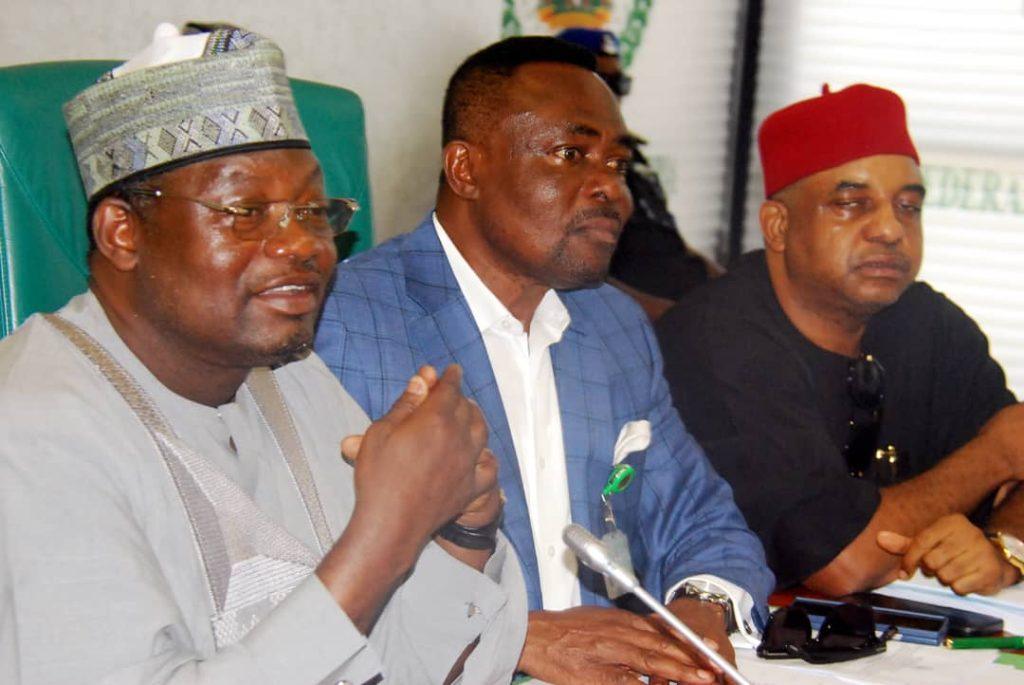
He gave the commendation at the First Annual Downstream Petroleum Week, organised by the House Committee on Petroleum Resources (Downstream) in collaboration with the Federal Ministry of Petroleum Resources and the Nigerian Midstream and Downstream Petroleum Regulatory Authority (NMDPRA), held in Abuja.

Represented by the Deputy Speaker, Mr Benjamin Kalu, the Speaker said the conference, themed “Celebrating Our Successes, Confronting Our Challenges and Finding Solutions for the Petroleum Downstream Sector”, was both timely and significant. He noted that the forum served as a reminder that Nigeria has many success stories and that its challenges are surmountable through collaboration, quality assurance, and open dialogue among key stakeholders.

Mr Tajudeen highlighted the take-off of the Dangote Refinery as a major milestone in Nigeria’s quest for energy self-sufficiency. He added that the expected emergence of other indigenous private refineries underscored the National Assembly’s role in creating an enabling environment for industries to thrive.

He emphasised that outcomes from forums such as this make legislative interventions more relevant and effective, ensuring the support and cooperation of industry players.

“I am delighted, and excited to welcome you all to the First Annual Downstream Petroleum Week organised by the House Committee on Petroleum Resources (Downstream) in partnership with the Federal Ministry of Petroleum Resources and the Nigerian Midstream and Downstream Petroleum Regulatory Authority (NMDPRA).

“As I look around at the quality of representation here, I feel confident that this event will become one of the most defining moments in the evolution of the downstream petroleum sector. Our hope is that as thinkers, innovators, workers and policy advocates, your collaboration will finally reshape the industry, setting agenda for growth, transparency and sustainable practices.”

Mr Tajudeen praised the Committee Chairman, Hon. (Barr.) Ikeagwuonu Ugochinyere, and other members for convening what he described as a “historic national conference,” attended by leading stakeholders including the NNPCL, PENGASSAN, and the Dangote Group.

He noted that such stakeholder-driven events reinforce citizens’ confidence in the National Assembly’s commitment to sustainable national development.

The Speaker attributed recent progress in the petroleum sector to the Petroleum Industry Act (PIA) 2021, which, he said, restructured governance and fiscal frameworks in the industry.

Read Also: Nigeria Intensifies Drive For Non-Oil Export Growth

“The evolution in the petroleum industry today has been made possible by the landmark passage of the Petroleum Industry Act (2021)… That law restructured the NNPC, transforming it into a commercial entity and established such regulatory bodies as the Nigeria Upstream Petroleum Regulatory Commission (NUPRC) and the Nigeria Midstream and Downstream Petroleum Regulatory Authority (NMDPRA), thus renewing investors’ confidence, reducing oil pilferage, promoting transparency and competition, and generally improving operational efficiency,” he said.

He stressed that the National Assembly remains committed to enacting policies and providing oversight that strengthen the downstream sector, making it more secure, efficient, and resilient.

“This conference therefore provides an invaluable opportunity for improved legislation. By bringing together government, industry, labour and investors to share perspectives, confront challenges, and develop practical, forward-looking solutions to the challenges in the sector, this forum ensures that the conversations to be had here will inform the framework of any policy in the energy landscape for years to come.”

The Minister of State for Petroleum Resources (Gas), Mr Ekperikpe Ekpo, also commended the National Assembly for ensuring accountability and advancing citizens’ welfare through effective policy oversight.

He noted that Nigeria’s downstream sector had witnessed remarkable progress in recent years, from regulatory reforms and market liberalisation to renewed private investment in domestic refining and storage capacity.

“We are also witnessing a transformation in our gas value chain as part of His Excellency, President Bola Ahmed Tinubu’s Renewed Hope Agenda. The Decade of Gas initiative is driving an ambitious programme to deepen domestic gas utilisation, expand infrastructure, and transition to cleaner fuels such as compressed natural gas (CNG), liquefied natural gas (LNG), and liquefied petroleum gas (LPG). These efforts are designed to enhance energy accessibility, reduce dependence on imported fuels, and create new economic opportunities for Nigerians,” he said.

In his remarks, the Chairman of the House Committee on Petroleum Resources (Downstream), Mr Ikeagwuonu Ugochinyere, urged labour unions and stakeholders in the oil industry to embrace dialogue in resolving disputes.

He acknowledged recent labour concerns involving the Dangote Refinery and sector unions but warned that such issues should never be allowed to disrupt national productivity or stability.

He assured stakeholders that the National Assembly was always ready to mediate and promote peace, fairness, and mutual respect in all industrial engagements.

Mr Ugochinyere explained that the Downstream Petroleum Week was designed to become a recurring platform for national dialogue, performance review, and policy evaluation to achieve a transparent and competitive downstream sector.

The event also featured goodwill messages from the Senate, Nigerian Midstream and Downstream Petroleum Regulatory Authority (NMDPRA), and other key stakeholders in the oil and gas industry.


Group Promotes Girls’ Education in Adamawa Communities

0

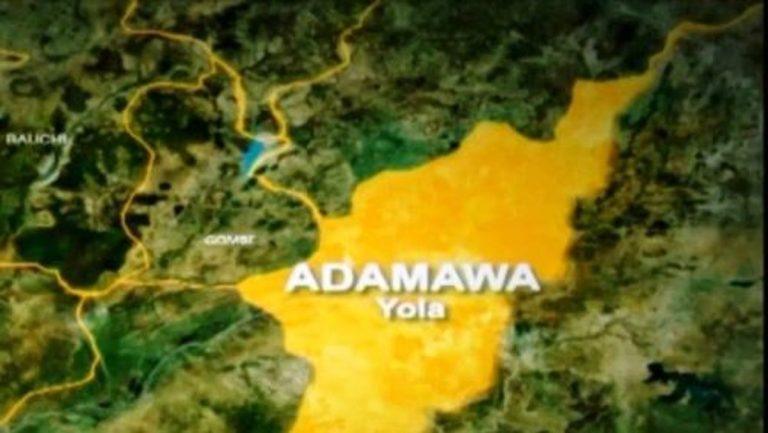
The Dynamic Empowerment of Women and Children Initiative (DEWECI), in collaboration with Africa’s Young Creative Minds, has launched a renewed advocacy campaign to promote girls’ education and leadership development across Adamawa State, particularly in resilient communities working to rebuild amid past challenges.

At a recent community outreach programme held in Ganye, Adamawa State, DEWECI brought together secondary school girls and successful women from the Ganye Chiefdom in an inspiring initiative aimed at motivating the next generation of female leaders.

 The event featured storytelling sessions, panel discussions, and exhibitions celebrating the achievements of girls supported by the initiative.

In her opening remarks, Dr Mercy Poksireni Raymond, Chief Executive Officer of DEWECI and Consultant Paediatrician, urged girls to remain focused on their goals despite prevailing challenges.

”This event has one central purpose: to ensure that every girl has the opportunity to rise, to lead, and to contribute meaningfully to the development of our society.

“Your dreams are valid. Your education is not just a tool—it is the foundation for the future you deserve. Dream big. Work hard. Stay focused. The world is waiting for your voice,” she said.

Dr Raymond reaffirmed DEWECI’s commitment to promoting girls’ rights through education, protection from abuse, and leadership training, noting that girls are often on the frontlines of crises such as conflict, displacement, climate change, and gender-based violence.

“This is only the beginning. The Dynamic Empowerment of Women and Children Initiative remains committed to walking alongside girls every step of the way. Your success is our mission,” Raymond.

Neido Geofry Kofulto, Commissioner for Women Affairs and Social Development in Adamawa State, also addressed the gathering, represented by Esther Simon Gindau, emphasising the importance of equal opportunity and community support for girls.

She appealed to caregivers and guardians, especially women raising girls who are not their biological children, to nurture them with love and fairness to help them grow into responsible, impactful adults.

In a virtual keynote address, Dr Elizabeth Philip Maken, DEWECI trustee, described education as a life-changing force that enables girls to understand and claim their rights, make informed decisions, and lead societal progress.

“Every girl who receives an education carries with her the power to transform not only her own life but also those of her family and the wider society,” Dr Maken said.

She encouraged the girls to remain confident in their abilities and ambitions, regardless of the field or obstacles they may face.

The Ganye event marks another milestone in DEWECI’s expanding grassroots efforts to foster a generation of empowered girls who will shape the future of their communities and the nation at large.

Deputy Speaker Mourns Evangelist Uma Ukpai

0

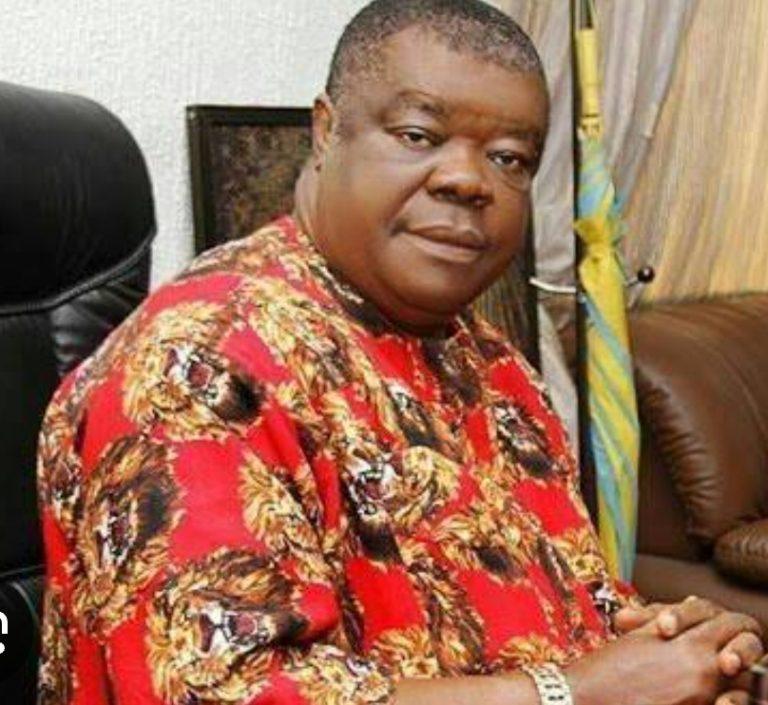
The Deputy Speaker of the House of Representatives, Mr Benjamin Okezie Kalu, has expressed profound sadness and shock over the demise of a renowned evangelist, Reverend Dr Uma Ukpai.

In a statement in Abuja, Mr Kalu described Ukpai, the founder and president of Uma Ukpai Evangelistic Association (UUEA), a non-denominational gospel ministry based in Uyo, Akwa Ibom State, as a true Christian leader, God’s General and Spiritual Giant.

He said that Ukpai’s life was marked by his commitment to spreading the Gospel and serving humanity, adding that his love and care for the downtrodden were remarkably practical.

Recalling his soul-stirring song ministries, which he said were solemn, spirit-filled, and soul-lifting, the Deputy Speaker said Ukpai’s passing has created a void in the hearts of countless individuals within and outside Christianity.

He declared that the impact of Ukpai’s evangelistic work on the Christian community will be cherished for generations to come.

The Deputy Speaker extended his heartfelt condolences to Ukpai’s family, wife, and children, encouraging them to find comfort in the knowledge that the Lord’s servant is now in eternal peace.

Mr Kalu prayed God to grant Ukpai’s soul eternal rest in His Bosom.

House Holds Public Hearing on Alternative Education

0

The House of Representatives Committee on Alternative Education has held a public hearing on four bills seeking to establish vocational and skills acquisition training centres across different parts of Nigeria.

The event, held in Abuja, brought together key stakeholders from government, academia, industry, and professional bodies, including the Nigerian Society of Engineers (NSE), to deliberate on the proposed legislative frameworks aimed at boosting technical education and youth empowerment.

Speaking in the opening remarks, the Speaker of the House, Mr Tajudeen Abbas, who was represented by Prof. Paul Nnamchi,
notes that not everyone must participate in formal education, hence the need to embrace alternative education.

He said that vocational, technical and entrepreneurship education is the needed bridge between educational qualifications and skills for national development.

The Chairman of the Committee, Mr Ibrahim Almustapha Aliyu, described the initiative as a bold step toward addressing unemployment, promoting entrepreneurship, and strengthening Nigeria’s human capital base through practical education.

“Vocational training and entrepreneurial skill acquisition are fundamental drivers of national development,” he said. “Nigeria’s youthful population remains a valuable asset that must be empowered through skills training and alternative education for self-sufficiency and national progress.”

Mr Aliyu commended the Speaker of the House for his foresight in establishing, for the first time, the Committee on Alternative Education to bridge the gap for millions of Nigerians without access to formal education.

He said the Committee was determined to make the alternative education sector a credible path for lifelong learning and employment generation, noting that the public hearing was designed to gather expert and stakeholder input for effective implementation.

The four bills under consideration include: A Bill for an Act to Establish the South East Institute for Vocational and Entrepreneurial Studies, Umuobum, Imo State (sponsored by Ikeagwuonu Onyinye Ugochinyere — HB.2263);

A Bill for an Act to Establish the Federal Institute of Technical Education and Skills Acquisition, Mbaise, Imo State (sponsored by Chinedu Emeka Martins — HB.2342);

A Bill for an Act to Establish the Federal College of Entrepreneurship and Skills Acquisition, Ilorin West, Kwara State (sponsored by Muktar Tolani Shagaya — HB.554); and

A Bill for an Act to Establish the National Institute for Vocational and Entrepreneurial Studies, Agadagba-Obon, Ese-Odo, Ondo State (sponsored by Donald Kimikanboh Ojogo — HB.2033).

Presenting a detailed memorandum to the Committee, the Nigerian Society of Engineers (NSE) commended the House for its legislative initiative to expand Technical, Vocational Education and Training (TVET) and entrepreneurship capacity nationwide.

The NSE, as the umbrella body for all Nigerian engineers at home and in the diaspora, lauded the sponsoring lawmakers for promoting technical education but called for harmonisation of the institutional names for clarity and policy coherence.

“To aid clarity and ease of regulation, we respectfully propose that all four Bills adopt a single institutional name format — Federal College of Technical Education and Skills Acquisition (FCTESA), [Location, State],” the memorandum stated.

The engineers also recommended that the heads of the proposed institutions be designated as Principals rather than Rectors or Provosts, and that the governing structures be streamlined to ensure efficiency and reduce administrative overlaps.

They further advised that the institutions be placed under the regulatory oversight of the National Board for Technical Education (NBTE) and the National Business and Technical Examinations Board (NABTEB) to ensure quality assurance and accreditation consistency.

In its submission, the NSE raised critical observations and proposed several amendments to strengthen governance, regulatory clarity, and institutional autonomy in the bills.

The NSE also recommended that the Minister of Education be designated as the “Visitor” to the institutions for clear oversight and alignment with national education policy.

Additionally, the professional body warned against clauses that could expose the institutions to political interference, such as provisions allowing the president or ministers to unilaterally remove Council members or issue binding directives without procedural safeguards.

“Such provisions could undermine institutional independence and innovation,” the memorandum noted, urging lawmakers to strengthen autonomy through transparent appointment processes and merit-based criteria for principal officers.

While responding to issues raised by the NSE, Mr Aliyu expressed gratitude to the NSE and other stakeholders for their thoughtful contributions and assured that the Committee would carefully review all submissions before presenting its report to the House.

“Our duty as legislators is to ensure that these institutions are founded on strong legal and operational frameworks,” he said.

On their part, the South-East Development Commission (SEDC) said that the commission supports the establishment of vocational and entrepreneurship educational institutions as it aligns with its establishment mandate.

The hearing was attended by representatives from the Federal Ministry of Education, NBTE, NABTEB, civil society groups, and youth-focused organisations, who all expressed support for the establishment of well-regulated technical and vocational training centres across the country.

World Athletics Unveils 2025 Track Athlete Of The Year Nominees

0

As part of the World Athletics Awards 2025, World Athletics is pleased to confirm the nominees for Women’s Track Athlete of the Year and Men’s Track Athlete of the Year.

There are five nominees for these two categories, and a vote will take place to identify the two finalists for each.

The nominations reflect some of the standout performances achieved during another memorable year for the sport, which peaked with the World Athletics Championships Tokyo 25.

Nominees for 2025 Women’s Track Athlete of the Year.

Femke Bol, Netherlands
• World and Diamond League 400m hurdles champion
• Undefeated in the 400m hurdles, with the top three performances of the year

READ ALSO: World Athletics U-20: Minister announces cash Awards for Medalists

Beatrice Chebet, Kenya
• World 5000m and 10,000m champion
• World 5000m record

Melissa Jefferson-Wooden, USA
• World 100m, 200m and 4x100m champion
• Undefeated in the 100m, with the top five performances of the year

Faith Kipyegon, Kenya
• World 1500m champion and 5000m silver
• World 1500m record

Sydney McLaughlin-Levrone, USA
• World 400m and 4x400m champion
• Undefeated in 400m and 400m hurdles, with second-fastest 400m of all time

Nominees for 2025 Men’s Track Athlete of the Year.

Rai Benjamin, USA
• World 400m hurdles champion
• Two of the top three 400m hurdles performances of the year

Jimmy Gressier, France
• World 10,000m champion and 5000m bronze medallist
• Diamond League 3000m champion

Noah Lyles, USA
• World 200m and 4x100m champion and 100m bronze medallist
• Unbeaten in the 200m, including the Diamond League title

Cordell Tinch, USA
• World and Diamond League 110m hurdles champion
• Four of the top six performances of the year

Emmanuel Wanyonyi, Kenya
• World and Diamond League 800m champion
• Four of the top six performances of the year

The vote to determine the Track Athlete of the Year finalists is now open on World Athletics social media platforms – on Facebook, Instagram and X. It will close on 19 October.

The nominees for the Field Athlete of the Year awards will be announced on 20 October and the nominees for the Out of Stadium Athlete of the Year awards will be announced on 27 October.

The overall women’s and men’s World Athlete of the Year award winners will be selected from among the track, field and out of stadium category winners.


Lawmakers Hold Public Hearing on Agricultural Reforms

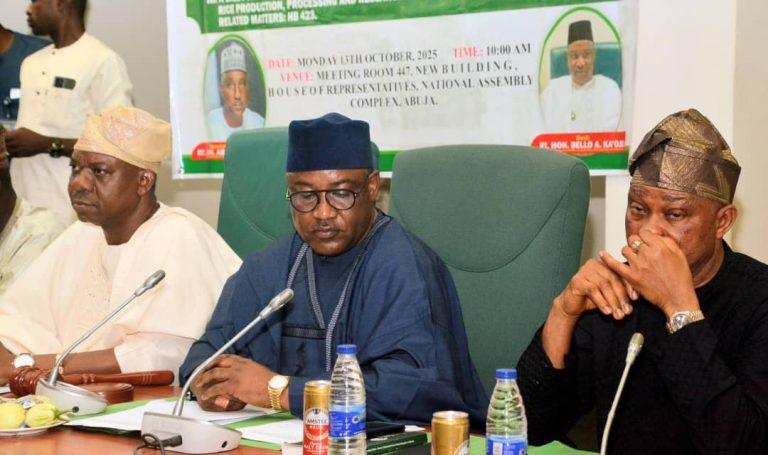
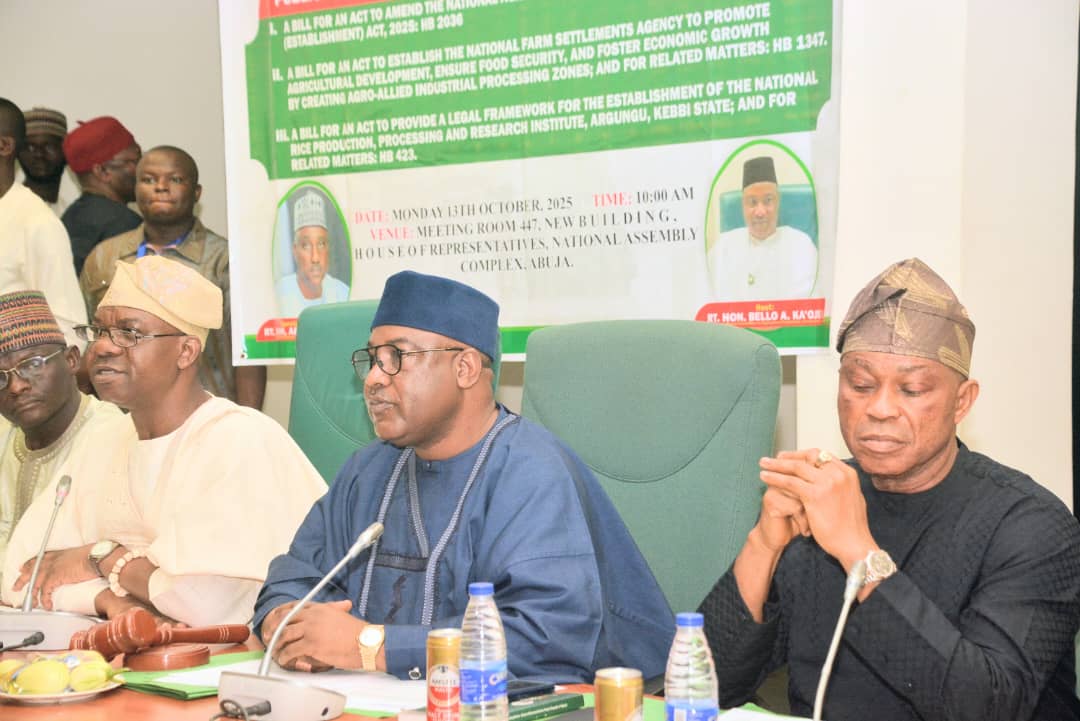
The House of Representatives Committee on Agricultural Production and Services has held a public hearing on three pivotal bills aimed at reshaping Nigeria’s agricultural future.

The proposed legislation includes:

  1. A Bill for an Act to Amend the National Agricultural Development Fund (Establishment) Act, 2025 (HB 2036)—designed to strengthen the nation’s financial commitment to agriculture.
  2. A Bill for an Act to Establish the National Farm Settlements Agency to Promote Agricultural Development, Ensure Food Security, and Foster Economic Growth (HB 1347) — intended to drive agricultural expansion, secure food production, and stimulate economic growth.
  3. A Bill for an Act to Provide a Legal Framework for the Establishment of the National Rice Production, Processing and Research Institute, Argungu, Kebbi State (HB 423) — aimed at achieving national self-sufficiency in rice production.

Declaring the hearing open, the Speaker of the House of Representatives, Mr Tajudeen Abbas, described the bills as more than mere pieces of legislation, but a “blueprint for a more secure, prosperous, and self-reliant Nigeria.”

“They demonstrate our commitment to harnessing the vast potential of our agricultural resources to improve the lives of our citizens. This hearing aligns with President Bola Ahmed Tinubu’s Renewed Hope Agenda and the declaration of a State of Emergency on Food Security, underscoring our collective resolve to tackle food insecurity and boost agricultural productivity,” he said.

The Speaker urged stakeholders, experts, and citizens to actively engage in the process by sharing insights and concerns that would help craft effective and inclusive laws.

“Let us work together to build a resilient agricultural sector that drives our economy, guarantees food security, and uplifts every Nigerian,” he added.

Chairman of the House Committee on Agricultural Production and Services, Mr  Bello Ka’oje, said the public hearing reaffirmed the committee’s commitment to repositioning Nigeria’s agricultural sector through strong legislation and stakeholder collaboration.

Read Also:Organisation Calls for Creation of UN Agritourism Body 

He noted that the 10th House has continued to prioritise agriculture as a key driver of national development, job creation, and food security.

“Distinguished guests, agriculture remains the backbone of our economy and the most reliable path to inclusive growth and poverty reduction. However, achieving food security and competitiveness requires sound policies supported by effective legislation.

“This public hearing offers all stakeholders — policymakers, farmers, researchers, investors, and development partners — an opportunity to share valuable perspectives. Your insights today will help us refine these bills to ensure they are practical, forward-looking, and beneficial to all segments of the agricultural sector,” Ka’oje stated.

He reaffirmed the committee’s resolve to ensure that every law passed strengthens productivity, fosters innovation, and delivers real value to Nigerian farmers.

“We will continue to collaborate with the Executive, relevant agencies, and the private sector to make agriculture a business that drives national prosperity,” he said.

Contributions to the bills were made by ministers, agency heads, research institutions, farmers’ associations, and the media, all of whom pledged their support towards building a resilient, productive, and food-secure Nigeria.


Nigeria Targets Support for Flood-Prone Communities Nationwide

0

The Nigerian government says it is considering empowering flood-prone communities across the country to manage their own safety.

Vice President Kashim Shettima, who disclosed this, said no amount of preparedness will produce tangible results if communities are not empowered to take charge of their safety. 

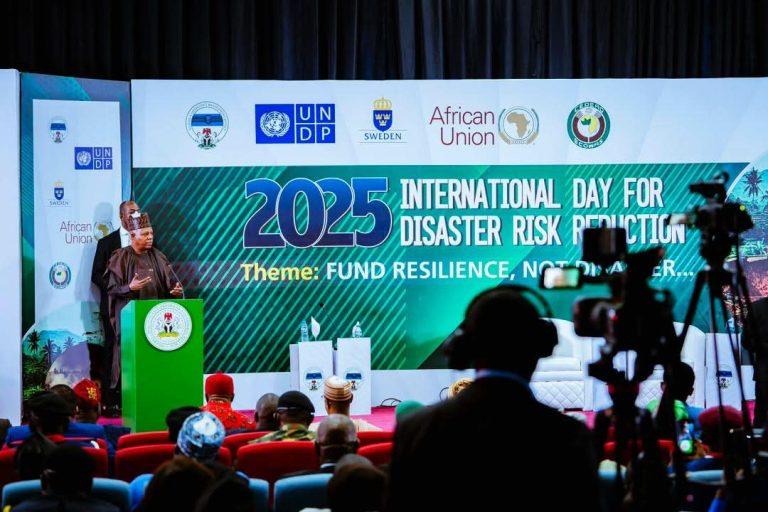
Speaking on Monday in Abuja during the 2025 International Day for Disaster Risk Reduction (IDDRR), VP Shettima said this is part of measures aimed at addressing the growing threat of flood-related disasters across Nigeria. 

He noted that while resilience cannot be guaranteed by government alone, it is reflected in how cities are planned, how businesses protect their workers, and how communities share information and look out for each other. 

Partnership 

Accordingly, he demanded a strong partnership with the private sector, saying the sector “must see itself as a partner in prevention, embedding risk reduction into corporate planning and investment decisions.”

Stressing the need to empower communities to manage their own safety, he said, “Our academia and research institutions also bear the responsibility of helping us generate the data, innovation, and practical research we need to prepare for a safer future. 

“We count on them to shape the knowledge that guides our decisions. And we expect our civil society to hold us accountable, to raise awareness, and to mobilise citizens around the shared responsibility of preparedness. 

“But none of these efforts will yield results unless we empower and support our communities to take ownership of their safety. They are the foundation of whatever strategy we adopt and the heartbeat of our national resilience.”

The Vice President applauded the theme of the 2025 International Day for IDDRR, “Fund Resilience, Not Disasters,” saying it speaks to an often overlooked truth that “it is far wiser, far cheaper, and far more humane to prepare for disasters before they strike than to rebuild after they destroy.

“Every naira we spend today on preparedness saves many more tomorrow on response and recovery. Every investment in resilience is, in truth, an investment in the lives and futures of our people,” he added.

Priorities

VP Shettima, however, pointed out that commitment alone is not enough. “We must match our words with action and our policies with funding,” he stated.

To fund resilience, the VP identified certain priority areas to invest in, including “drainage systems, not relief camps; building stronger schools and hospitals, not temporary shelters; to support farmers with climate-smart tools, not just food aid after floods; and to train and equip our first responders before the sirens start to wail.”

He said this is the shift required to move “from reacting to crises to anticipating and preventing them.”

The Vice President explained that following President Tinubu’s emphasis on the need to treat resilience as a national policy, the government is ‘integrating disaster risk reduction into every sector—from agriculture and infrastructure to education and health—while expanding early warning systems to ensure that communities receive timely alerts before floods, droughts, or disease outbreaks occur.” 

The Governor of Zamfara State, Alhaji Dauda Lawal, commended the commitment of stakeholders led by the National Emergency Management Agency (NEMA) to strengthening Nigeria’s disaster management framework through the launch of the 5-year strategic plan. 

Nigeria Launches Net-Zero Project to Protect Biodiversity

0
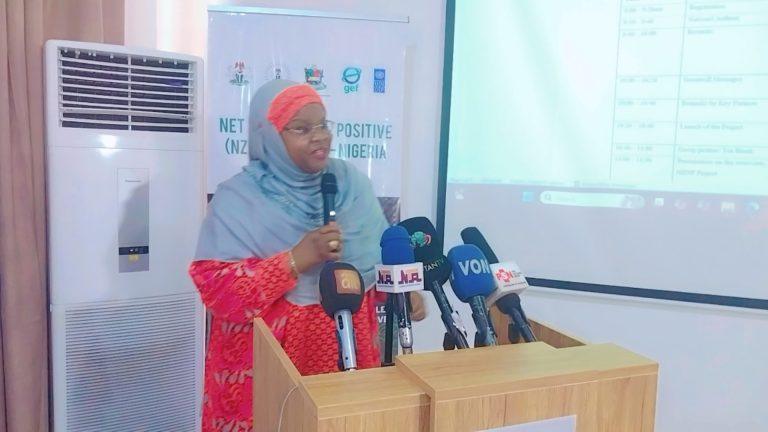
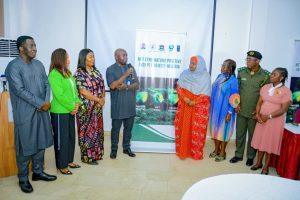
The Nigerian government has launched the Net-Zero Nature-Positive (NZNP) Project, a landmark initiative aimed at promoting climate resilience, biodiversity conservation and inclusive development.
Speaking at the launch in Abuja,  Director of Forestry, Federal Ministry of Environment, Halima Bawa-Bwari, says that the initiative places social equity at its core, empowering women, youth, and indigenous communities while promoting sustainable development.
Bawa-Bwari explained that Nigeria is one of the 12 pioneering countries spearheading the NZNP initiative.
“This project offers us a unique opportunity to address climate change and biodiversity loss in an integrated and transformative way.
“With support from GEF and UNDP, Nigeria is committed to building a model of climate action and nature conservation for others to follow.
 
“Through the NZNP project, Nigeria will strengthen institutional coordination, restore degraded ecosystems, protect endangered species, and attract investments that prioritise nature-positive, low-carbon development,” she said.
Highlighting Nigeria’s ecological wealth, Bawa-Bwari noted that the country is home to over 17 National Parks, 1,129 Forest Reserves, as well as Game Reserves, Wildlife Sanctuaries, and Ramsar Sites.
She also noted that the government is leveraging mapping technologies to monitor deforestation and integrate conservation data into national planning.
Bawa-Bwari explained that the Nigerian government is also embracing innovation, leveraging mapping technologies to monitor deforestation and land use changes, while integrating conservation data into national planning frameworks.
 
” These efforts are not only about protecting nature, they are about securing livelihoods, promoting sustainable development, and ensuring that future generations inherit a thriving natural heritage,” she said.
UNDP Nigeria Resident Representative, Elsie Attafuah, represented by Chirimuta Blessed, described the launch as the beginning of a new chapter in inclusive growth and environmental stewardship.
 
“It is about restoring dignity to communities long burdened by environmental loss. It is about turning today’s crises into tomorrow’s opportunities. It is about ensuring that the Niger Delta, once defined by its challenges, becomes a beacon of resilience, innovation, and sustainability.
Distinguished guests, today, we take a decisive step forward,” Atafou said
She also reaffirmed UNDP, commitment to walk this journey with Nigeria.
This initiative is about restoring dignity to communities burdened by environmental degradation. From the creeks of Bayelsa to the cities of Rivers State, this project can become a model for Africa and the world,” Atafou said.
AttafuahThe stressed the UNDP’s commitment to working with the Federal Ministry of Environment, UNEP, GEF, state governments, and local stakeholders to ensure tangible impacts on the ground.
Director of Planning, Research, and Statistics, and Nigeria’s GEF Focal Point, Agnes Aneke, explained that the NZNP project in Bayelsa and Rivers States is part of 11 integrated GEF programmes designed to fast-track nature-positive and net-zero pathways.
 
“This project supports Nigeria’s targets under the Nationally Determined Contributions (NDCs), its Nature Positive Commitment by 2030, and Net-Zero target by 2060,” Aneke noted.
She highlighted efforts to promote ecosystem restoration, expand access to clean energy, and de-risk sustainable investments.
Director of Forestry, Bayelsa State Ministry of Environment, Mrs Susan Uyadongha, explained that “the project aligns with the state’s commitment to environmental sustainability, biodiversity conservation and climate resilience.”
Uyadongha added that the NZNP Project presents a significant step towards achieving Nigeria’s nationally determined contributions in this year’s Nature-Positive Commitment by 2030 and Net Zero target by 2060.
 
“As the Director of Forestry, I am delighted to see our state, Bayelsa, selected as a key intervention area for this vital initiative. I commend the United Nations Development Programme and the Department of Forestry, Federal Ministry of Environment, for their collaborative efforts in driving sustainable development in our region. I am confident that this workshop and training will provide a platform for stakeholders to engage,” she said.
The Director of Forestry at the Rivers State Ministry of Environment, Nkemdirim Odoya, noted in her remarks that the NZNP project’s objectives align with the Rivers State Government’s commitment to sustainable development, conservation, and climate resilience.
 
“We look forward to collaborating with the Federal Department of Forestry and UNDP towards the investment together we can drive progress towards Nigeria’s Nationally Determined Contributions NDC’S nature-positive goals and Net-Zero project”, Odoya said
Michael Owemedimo of the Collaborative Media Advocacy Platform (CMAP) stressed the need for powerful storytelling and data to engage grassroots communities and gain international support.
Owemedimo said, “Site selection must include both rural restoration areas in Bayelsa and underserved communities in Rivers. Leveraging blue carbon expertise and engaging stakeholders strategically will be key to attracting real financing.”
The initiative, supported by the Global Environment Facility (GEF) and executed in collaboration with the United Nations Environment Programme (UNEP) and the United Nations Development Programme (UNDP), represents a significant advancement in aligning Nigeria’s environmental initiatives with its international climate obligations.
The NZNP Project stands as a transformative initiative, uniting environmental restoration with socio-economic inclusion and placing Nigeria at the forefront of global climate and biodiversity action.