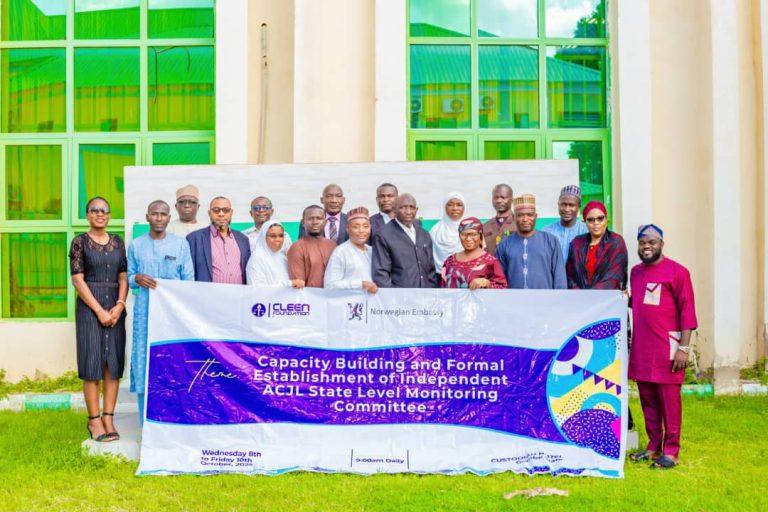
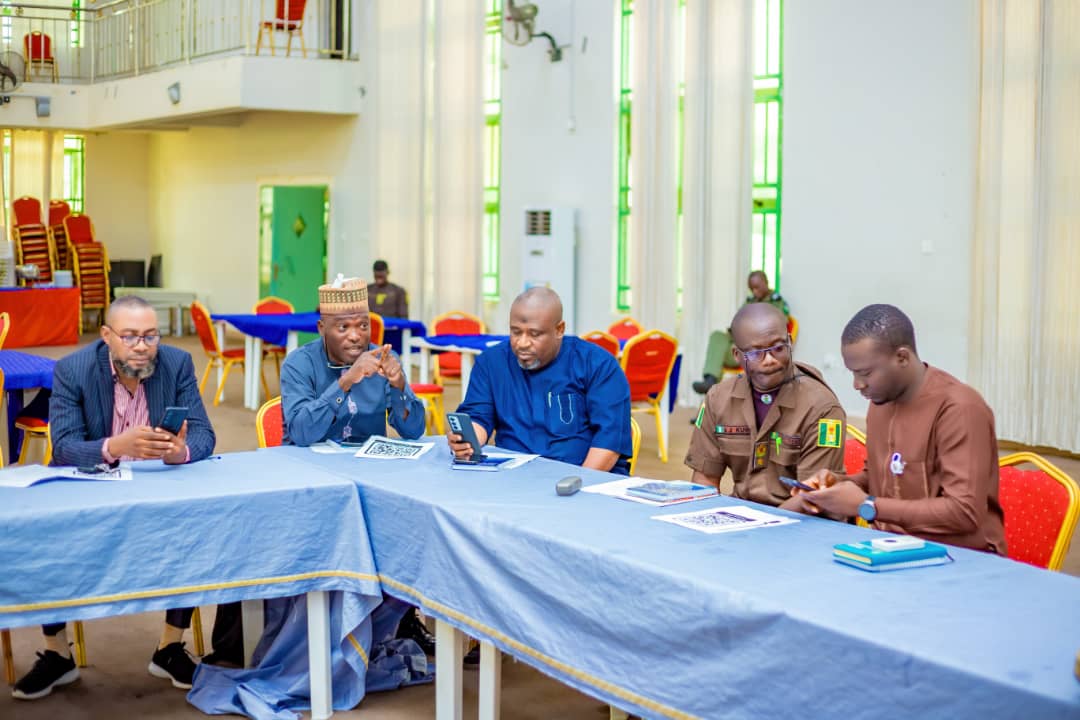
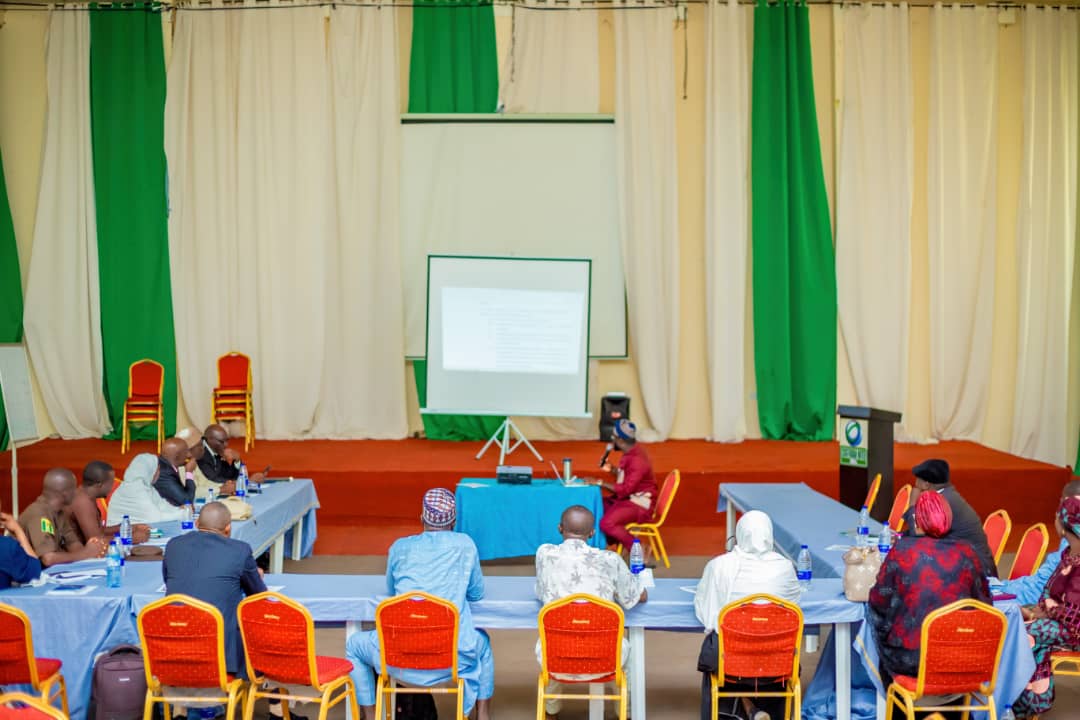
The CLEEN Foundation, a justice sector reform NGO, with support from the Royal Norwegian Embassy, has organised a five-day stakeholders’ workshop in Gombe State to strengthen the implementation of the Administration of Criminal Justice Law (ACJL).
Supported by the Norwegian Embassy, the workshop brought together key actors in the justice sector, including representatives from the judiciary, police, correctional services, civil society organisations, the Ministry of Justice, magistrates, local vigilante groups, and traditional hunters.
The Senior Programme Officer at CLEEN Foundation, Mr Bernard Ekobay, noted that Gombe was one of twelve Nigerian states selected for the initiative.
Others include Adamawa, Plateau, Benue, Imo, Enugu, Cross River, Akwa Ibom, Lagos, Ekiti, Jigawa, and Kaduna.
Mr Ekobay said, “The engagement in Gombe was designed to assess and enhance the functionality of the Administration of Criminal Justice Monitoring Committee (ACJMC) in Gombe State since the ACJL was enacted five years ago.”
“Some stakeholders are unaware of the contents of the law, while others know it exists but are not familiar with its provisions. The aim is to bridge this knowledge gap and align local practices with national standards,” he explained.
Mr Ekobay commended the efforts of Gombe State in the introduction of custodial measures and improvements in correctional facilities.
However, he highlighted critical gaps in the legal aid system, citing poor staffing and performance.
“Gombe currently has fewer than five legal aid officers. This means that many individuals lack access to legal representation daily, weekly and monthly. It’s a major concern,”he said
Mr Ekobay also expressed concern over the inactivity of the ACJMC in the state, revealing that while the committee was technically constituted, it has not convened in the past five years.
“Some members of the committee are not even aware they belong to it,” he added.
Despite the challenges, Mr Ekobay is optimistic, stressing that regular workshops, trainings, retreats, and improved inter-agency collaboration will significantly enhance the sector’s performance.
“This process is about building capacity, identifying gaps, and working collaboratively to reform the justice sector,” he concluded.
The All Progressives Congress (APC) has cleared the incumbent Governor of Ekiti State, Biodun Oyebanji, to contest in the party’s forthcoming governorship primary election scheduled for October 27, 2025, ahead of the 2026 general elections.
This was announced in a statement by APC Deputy National Publicity Secretary, Hon. Durosinmi Meseko, following the 179th meeting of the party’s National Working Committee (NWC), led by National Chairman, Professor Nentawe Yilwatda, at the party’s National Secretariat in Abuja.
Also cleared to contest is Mrs Atinuke Omolayo, while two other aspirants, Mr Ojo Kayode and Mrs Abimbola Olawumi, were disqualified for failing to meet the requirements of the party’s constitution and the Electoral Act.
“Their applications did not conform with the provisions of the party’s constitution and the extant provisions of the electoral act,” Meseko stated during a press briefing.
Enugu APC Executives
In a move to address internal disputes, the APC NWC also dissolved the Enugu State Executive Committee with immediate effect, citing persistent factional crises and the failure of internal conflict resolution mechanisms.
The APC NWC said a seven-member caretaker committee has been appointed to manage the affairs of the party in Enugu State. The committee, chaired by Mr Ben Nwoye and with Hon. Eugene Odoh as secretary, will be inaugurated on Friday, October 10, 2025, at the APC National Secretariat in Abuja.
Other members of the committee include:
H.E. Mrs. Fidelia Njoeze
Comrade Peter Chime
Mrs Oby Ajih
Mr. Chiedozie Nwafor
Mr. Emma Ekeh
Additional Key Resolutions from the 179th NWC Meeting
The APC NWC also made several other announcements:
1. APC National Reconciliation Committee
Chaired by former Interim National Chairman, Chief Bisi Akande, the committee will be inaugurated at a later date to mediate intra-party disputes nationwide.
2. Party Congress Timetable
The NWC said it will soon release the official timetable for party congresses at the ward, local government, and state levels.
3. Constitution Amendment Committee
Public hearings for the party’s constitution amendment process will commence before the end of October 2025.
4. Anambra Governorship Campaign Council
The National Campaign Council for the upcoming Anambra State Governorship Election will also be inaugurated soon.
5. Osun State Governorship Election
The party confirmed that the sale of nomination forms for the Osun governorship race will commence on October 20, 2025.
Meseko reiterated the party’s commitment to internal democracy, discipline, and progress ahead of the 2026 general elections.
“These decisions reflect the APC’s dedication to stability, unity, and due process across all levels of the party,”he added.
Nigeria’s Minister of Information and National Orientation, Mohammed Idris, has identified patriotism as a key pillar to rebuilding Nigeria’s moral fabric and the attainment of national reorientation values.
The Minister made this known when he received the founder of the Community Peace Initiatives Network (CPIN), Ambassador Abdullahi Omaki, and his team during a courtesy visit to his office in Abuja.
“The Ministry is deeply committed to fostering national unity, promoting our core values, and ensuring that Nigerians, young and old, work together to build a peaceful and prosperous country. What you are doing aligns with the government’s vision of strengthening Nigeria’s social fabric and fostering a renewed sense of hope,” the Minister said.
The Minister commended the initiatives of the ICPN to institutionalise peacebuilding and promote dialogue among Nigerians, emphasising that patriotism, mentorship, and value orientation remain central to rebuilding the nation’s moral and social fabric.
He also highlighted the role of the National Orientation Agency (NOA) in driving national values, unity and highlighted the upcoming launch of the National Values Charter as part of the government’s effort to strengthen citizens’ commitment to ethical conduct and national development.
Ambassador Omaki, a former Executive Director of the Savannah Centre for Diplomacy and former Senior Special Assistant to the President on Foreign Affairs, explained that the visit to the Minister was to inform him of the formation of the National Peace and Harmony Council (NPHC), whose mission is to work closely with youth groups to “close visible gaps in national unity and diversity at the grassroots level.”
The NPHC, said Ambassador Omaki, would bring together young leaders and experienced figures across various sectors to engage in policy dialogue, peacebuilding, and civic education at the grassroots. He also emphasised the need for partnership between government, civil society, and the private sector to address corruption, ethnic biases, and religious intolerance.
The North Atlantic Treaty Organisation’s (NATO) annual nuclear deterrence exercise, Steadfast Noon, will begin on October 13.
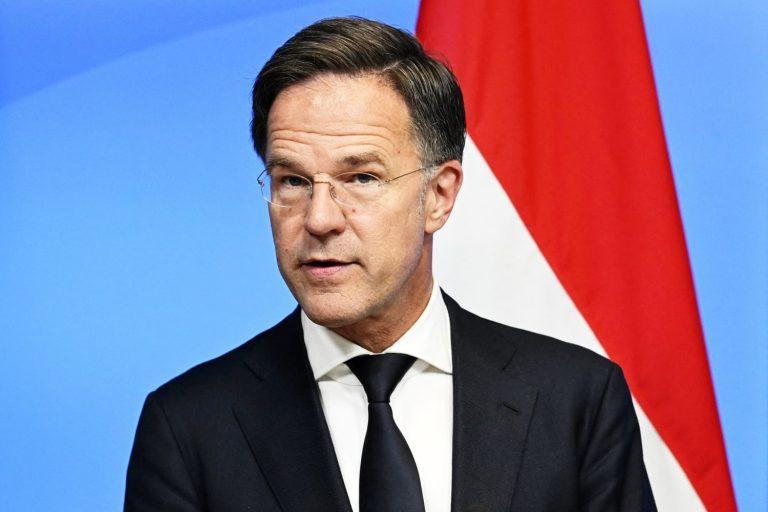
Secretary General Mark Rutte disclosed that the exercise helps ensure NATO’s nuclear suppression remains credible, safe, secure and effective, adding that it sends a clear signal to any potential adversary that the alliance can protect and defend all its members against any threat.
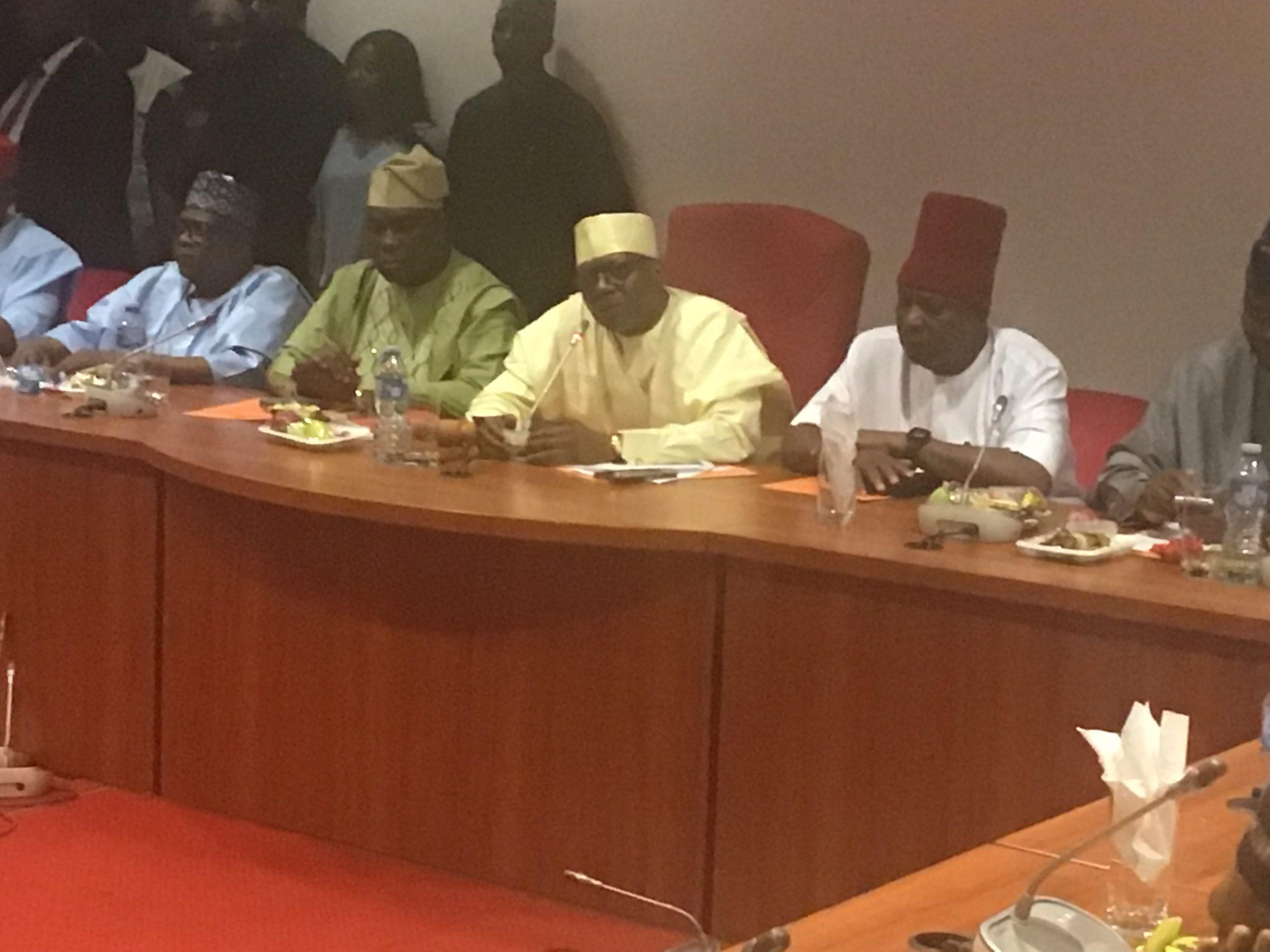
The Nigerian Senate, through its Committee on Finance, has given the managers of the nation’s economy two weeks to submit a detailed performance report on the implementation of the 2024 budget and projections for the capital component of the 2025 budget.
Chairman of the Committee, Senator Mohammed Sani Musa (Niger East), issued the directive after a closed-door session with the Minister of Finance and Coordinating Minister of the Economy, Mr Wale Edun; the Accountant General of the Federation, Mr Samsudeen Ogunjimi; and the Director-General of the Budget Office, Mr Tanimu Yakubu.
Senator Musa explained that “the presentation of the Medium Term Expenditure Framework (MTEF) and Fiscal Strategy Paper (FSP) for the 2026–2029 fiscal years would only proceed after the requested reports are submitted by 23 October.”
“We have reviewed the current position of the 2024 budget and discussed expectations for the 2025 budget. The Minister has briefed us, and we have collectively agreed that while progress is being made, there is still more to be done,” he said.
“We heard from the Accountant General and the Director of Budget about the payments released so far, warrants signed, and the 2025 authority to incur expenditure for agencies to implement their capital projects. We also noted that President Bola Tinubu has recently written to the National Assembly seeking approval for additional loans to support the 2025 budget.
“We have agreed that before deliberating on the MTEF for 2026, we must receive documented evidence of the 2024 budget performance and our expectations for 2025. The Honourable Minister of Finance has pledged to provide this progress report, and we will reconvene on 23 October,” Musa explained.
Before the meeting went into a closed session, differing views emerged between the Minister of Finance and the Director-General of the Budget Office regarding the performance of the 2024 and 2025 budgets.
While Mr Edun stated that the capital component of the 2024 budget was recording strong performance, with positive prospects for 2025, the DG of the Budget Office painted a more challenging picture.
According to Yakubu, the implementation of the 2024 and 2025 budgets has faced turbulence as several underlying assumptions did not hold.
The Lawmaker said; “We have indeed had a turbulent year — one in which most of the assumptions underpinning the 2024 and 2025 budgets turned out differently from projections.
“Oil revenue, assumed at $75 per barrel, fell short by between $10 and $15 due to global price fluctuations. Inflation rose beyond projections, affecting borrowing costs and debt service, which have significantly exceeded targets.”
“Furthermore, the unforeseen fiscal implications of the Petroleum Industry Act (PIA) 2022 have compounded our challenges.
“Under the Act, 30 per cent of gross oil revenue and 30 percent of oil and gas profits are retained for upstream operations, while the Federal Government bears the NNPC’s operating costs. This has reduced the Federation Account allocation by nearly 70 per cent of what used to accrue.
“In addition, crude oil output has been lower than projected in the MTEF approved by the National Assembly,” Yakubu said.
Sightsavers, an international non-governmental organisation, and Bloomberg Philanthropies, a global charitable foundation, have launched a 75 million dollars Vision Initiative in Abuja, Nigeria to tackle untreated vision impairment in low and middle-income countries.
The initiative was unveiled as part of activities marking World Sight Day 2025, with the theme “Love Your Eyes,”which focuses on improving access to quality eye care services globally.
Country Director of Sightsavers Nigeria, Prof. Joy Shuaibu said, the two-year programme aimed to strengthen eye health services through collaboration with the Ministries of Health and Education in participating countries.
She explained that activities would include training health workers and teachers in basic eye health screening, providing examinations and glasses, and expanding outreach in schools, communities, and among out-of-school children.
According to her, “The initiative will screen 11.5 million people, distribute seven million pairs of eyeglasses, and carry out 250,000 cataract surgeries across Nigeria, Kenya, Bangladesh, Cambodia, Ethiopia, and the United States.
“Making eye care a priority will be transformative for people, for communities, and for Nigeria.”
“Good eye health reduces inequities, gets more children in school, and helps adults remain productive.
“Access to glasses and cataract surgery can boost learning and economic productivity. That’s why we are investing heavily in this initiative, especially in underserved populations across countries,” Shuaibu added.
Minister of State for Health and Social Welfare, Dr Iziaq Salako, emphasised the importance of regular eye checks to maintain good vision and prevent avoidable causes of blindness among all age groups.
Represented by Dr Olawole Jimoh-Salawudeen, Director of Hospital Services, Salako urged early diagnosis and treatment by qualified eye health professionals as key to achieving the goals of 2025 WSD theme.
“The Ministry believes that increasing access to quality eye care will improve education, productivity, and quality of life, and ultimately contribute to national development and increased life expectancy,” he stated.
Salako noted that Nigeria’s current blindness prevalence was 0.78 per cent, with 84 per cent of cases considered preventable, a situation that could be reversed through policy implementation and greater investment in eye health.
He reiterated the government’s commitment to eye care through initiatives like the Effective Spectacle Coverage Initiative, adoption of the 2019 National Eye Health Policy, and other public health programmes.
Also speaking, Dr Oteri Okolo, National Coordinator of the National Eye, Ear, and Sensory Functions Health Programme (NESHP), said a new Memorandum of Understanding (MoU) demonstrated ongoing government commitment to eye health.
Dr Okolo said; “This MoU reflects President’ Bola Tinubu s commitment to improving eye health.
“In 2023, he approved Jigibola 2.0, to increase access to glasses and general eye care services nationwide.”
Director-General of the National Senior Citizens Centre, highlighted that vision loss was a major crisis affecting older persons’ independence, safety, and overall quality of life in Nigeria.
“When their vision is impaired, it translates to an inability to support themselves and live independently.
“We must integrate health care, social protection, and insurance for meaningful ageing,”Omokaro stated.
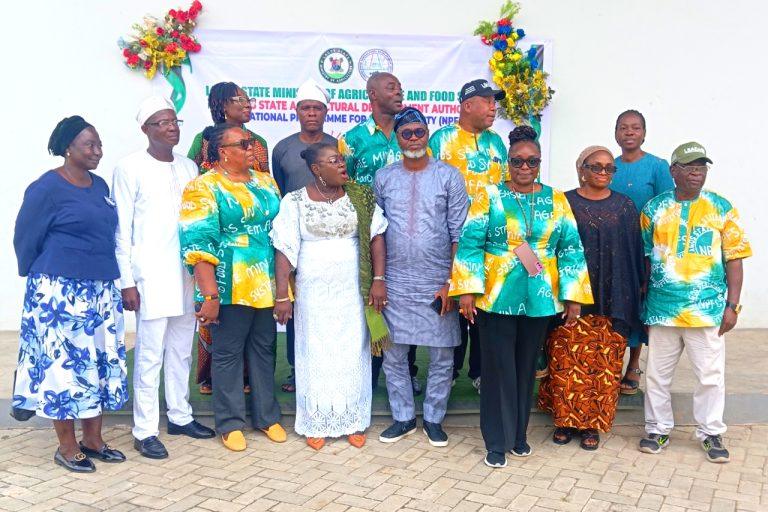
The Lagos State Government has called on farmers to adopt agricultural insurance as a key safeguard against unforeseen risks, emphasising its importance in ensuring the long-term sustainability and resilience of the agricultural sector.
Lagos State Commissioner for Agriculture and Food Systems, Ms Abisola Olusanya, appealed to a two-day training programme for selected farmers under the National Programme for Food Security (NPFS), held in Lagos.
Olusanya, who was represented by the Director of Agribusiness at the ministry, Mrs Aramide Ganzallo, said the theme of the event — “Strengthening Farming Communities Through Financial Management, Loan Repayment, and Agricultural Insurance: Transitioning from Simple to Mechanised Farming” — aptly reflects the need for farmers to scale up their operations, boost productivity, and protect their livelihoods through agricultural insurance.
“Agricultural insurance exists for the benefit of farmers. Over time, many have suffered losses, with the government stepping in to pay compensation. If farmers take up agricultural insurance, the insurance company would bear the losses. We insure our cars not because we expect accidents but because it’s the responsible thing to do. The same applies to our farms,” she explained.
She added that while insurance is currently optional, it may eventually become a requirement for farmers to access government support.
“We are encouraging and advising farmers to get insured. We’re not praying for disasters, but it’s safer to be insured than not to be,”she said.
Olusanya commended the Lagos State Agricultural Development Authority (LSADA) for organising the programme and urged farmers to participate in the ongoing online registration under the Produce for Lagos Initiative and other state data collection platforms to help update the government’s database of farmers.
In her welcome address, the Coordinating Director of LSADA, Mrs Aderonke Toju-Tubi, reaffirmed the agency’s commitment to strengthening the agricultural value chain and empowering farmers across the state.
She said the training was designed to enhance farmers’ capacity in financial management, credit repayment, and sustainable farming practices through mechanisation.
“Educating farmers on financial discipline, the importance of timely loan repayment, and the benefits of agricultural insurance will ensure the sustainability of credit schemes and strengthen trust between farmers and financial institutions,” she noted.
“This initiative reflects our collective resolve to equip farmers with the knowledge and tools required to succeed in today’s evolving agricultural landscape.”
Also speaking, the Monitoring and Evaluation Officer and NPFS facilitator, Mrs Oluwatosin Ganzallo, highlighted that access to credit remains a major challenge for many farmers.
“The state government deposits certain funds with clusters of farmers in different enterprises. The farmers use these funds, return them to the apex body, and the cycle continues to benefit others,” she explained.
Ganzallo noted that about 370 farmers participated in the latest training, while over 5,000 have benefited from the programme in previous years.
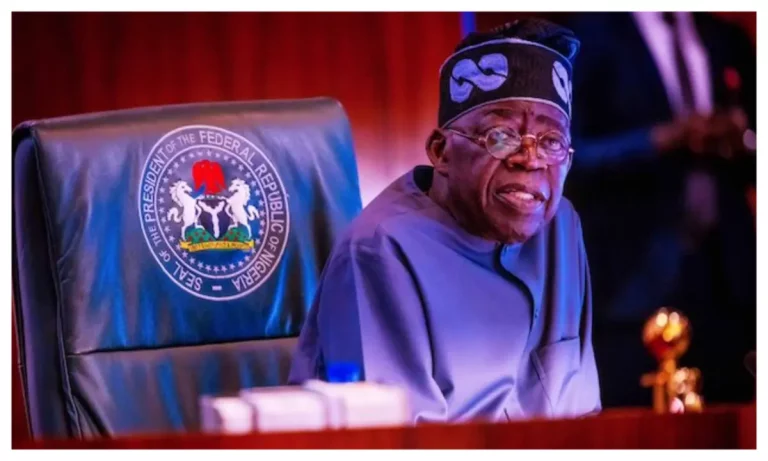
President Bola Tinubu has reaffirmed his confidence in the limitless creativity and innovative capacity of Nigerian youths, underscoring his administration’s deliberate policies and programmes designed to harness the ingenuity of the young people.
Congratulating Al’amin Muhammed Idris, chief executive of Interface Africa, on winning the NextGen Innovation Challenge, President Tinubu, in a statement issued by his spokesperson, Bayo Onanuga, noted that the cash award of £1.5 million at the challenge’s grand finale will support the company’s mission to increase access to clean energy in underserved communities.
Interface Africa, represented by Kaduna, in the NextGen Innovation Challenge, a national initiative spearheaded by the National Board for Technology Incubation (NBTI) in partnership with UKALD London.
President Tinubu further commended Interface Africa for its effort in providing affordable solar financing to small businesses in Africa.
President Tinubu also praised the other 104 participants and encouraged them to keep innovating, improving lives, and shaping humanity’s future.
The challenge, inspired by President Bola Ahmed Tinubu’s Renewed Hope Agenda, is designed to unlock Nigerian youths’ innovative potential.
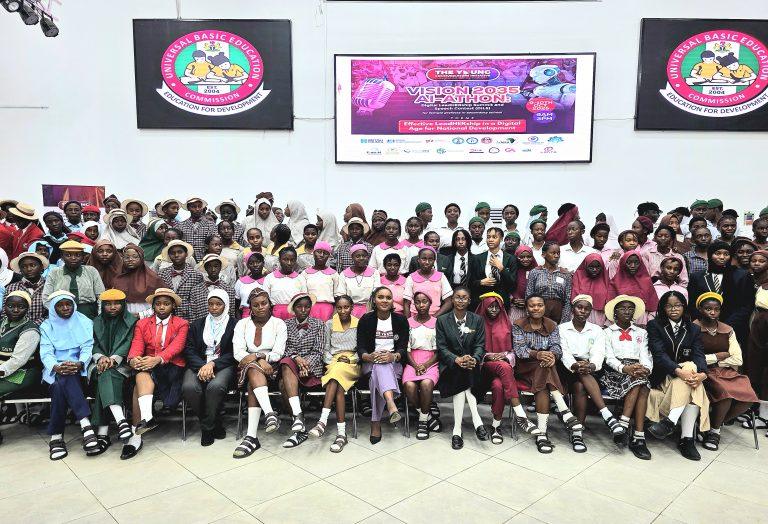
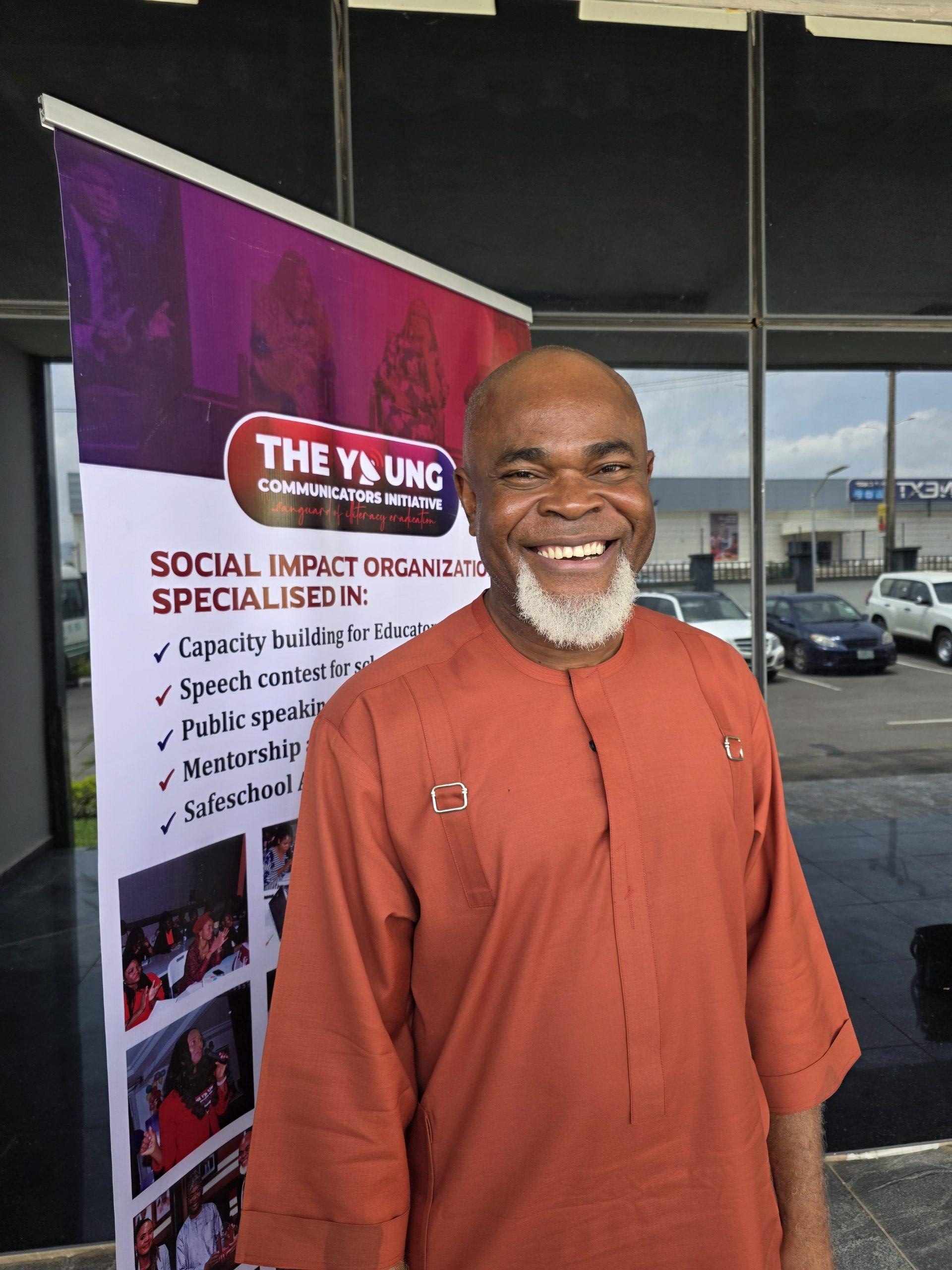
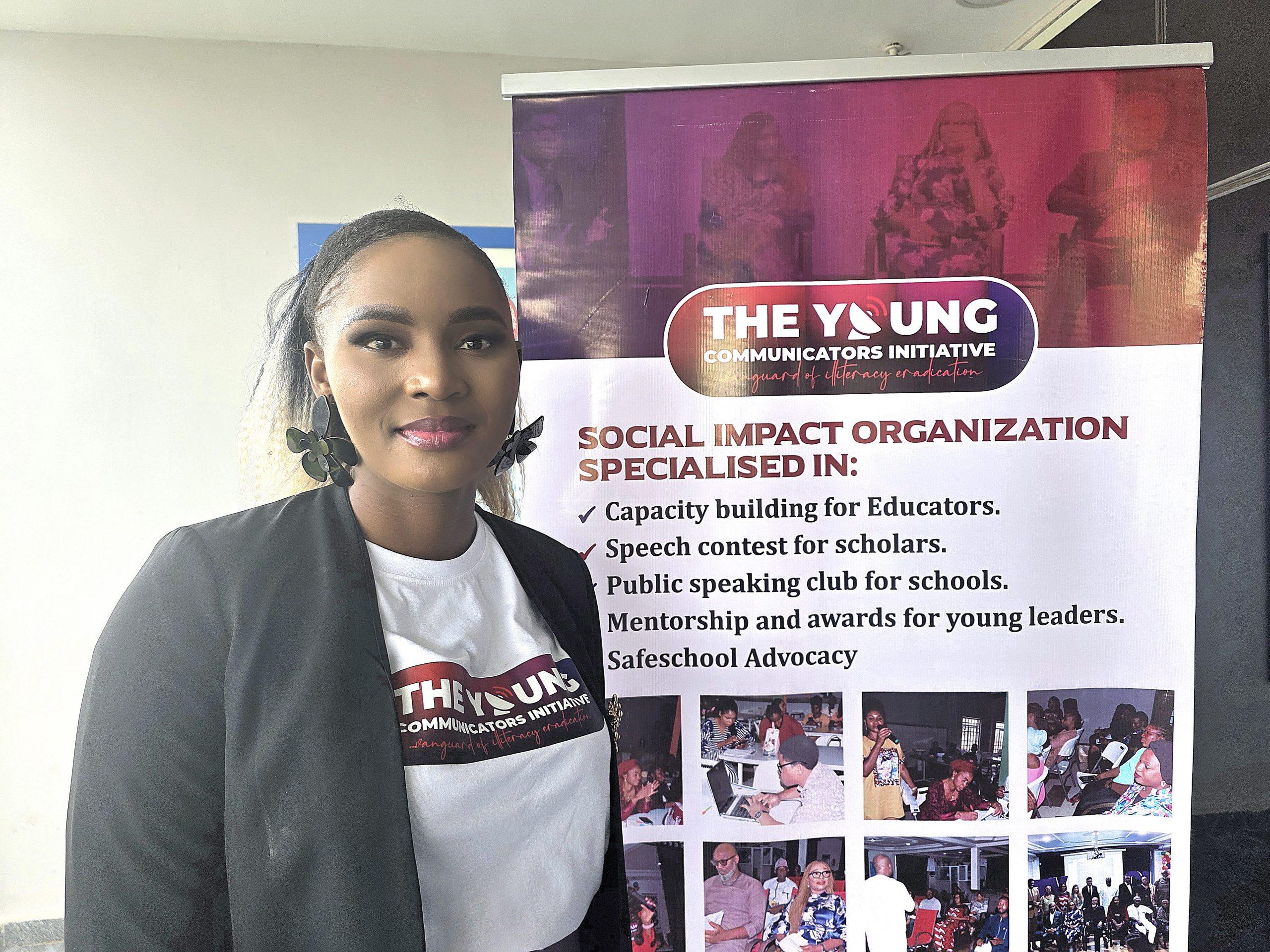
As Nigeria marks the International Day of the Girl Child, the Young Communicators Initiative (YCI) has launched the Vision 2035 AI-Athon, an inter-school digital leadHERship summit and speech contest to groom young female leaders for an AI-driven future.
The summit, held in Abuja, was themed “Effective LeadHERship in a Digital Age for National Development.” It brought together schoolgirls from public and private institutions to enhance their leadership and digital skills.
Diplomatic Support
Representing the Deputy Commissioner of the British High Commission, Senior Programme Manager Ms Na’anchin Muhammad said that investing in girls is synonymous with investing in national development.
“For us, investing in girls is investing in Nigeria’s development. Technology opens opportunities to contribute to nation-building.”
Encouraging the girls to aim higher, she added, “Wehave so many goals, that there’s a national plan, there are the SDGs, you know, and other things, and this particular event, especially the AI and digital space, I believe it’s an opportunity to just open the minds of these girls, and help them to see what they can do, to contribute to the national development of Nigeria. So, it’s really great.”
Dr. Chikodi Onyemerela
Dr Chikodi Onyemerela, Director of Programmes and Chairman of the Board, British Council Nigeria, praised the summit as “a winning model by an indigenous NGO,” urging stronger collaboration between government and civil society to expand its impact.
“This is a very interesting model, harvesting young girls who are prefects in their respective schools. Because they have been charged with leadership responsibilities early, chances are that they will be leaders at the university level, at NYSC, and even nationally.”
Calling for wider support, he added: “Being a girl doesn’t connote limitation. Anecdotally, girls lead better because the audacity to commit certain things is rare among them. I call for corporate support to NGOs of this nature. I don’t know how they are funding it, but I sense a genuine interest in developing the girl child.”
Speakers’ Perspectives
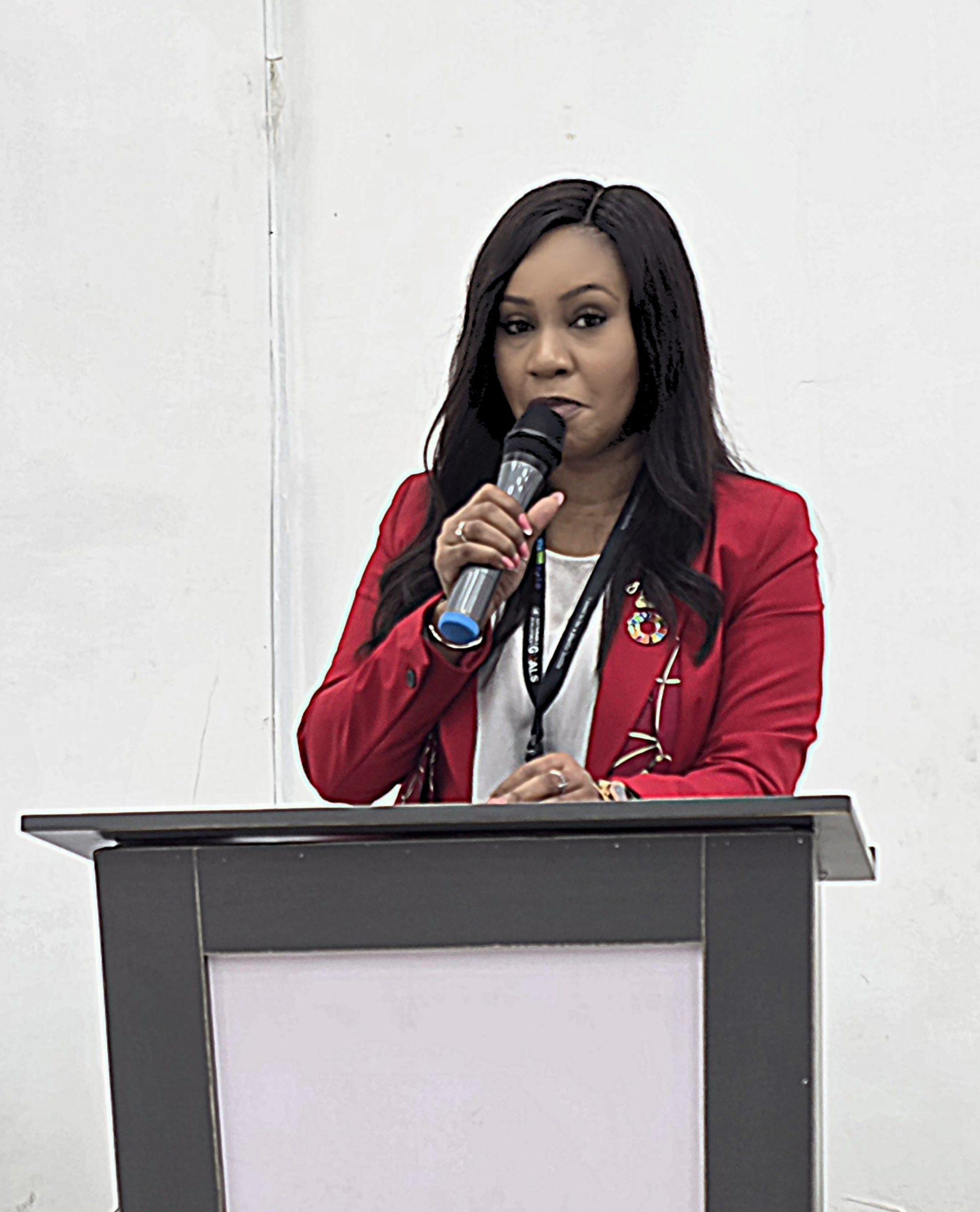
Mrs Adesola Oyinloye-Ndu, Special Adviser to the Chairman of the Federal Inland Revenue Service (FIRS) on Customer Centricity, emphasised confidence-building and equal upbringing.
Mrs Adesola Oyinloye-Ndu,
“I’m a mentor and anti-bullying advocate. Once you’re confident, the sky is the starting point. The girl child must believe she can do it.”
Reflecting on the role of education, she said: “Education accessibility and affordability need rethinking, but determination matters most. We must
bring back the values of ‘I can do it.’ Raise every child as a human being first; gender is secondary.”
Speaking on the purpose of the summit, Chinenye Priscilla Anaemena, Founder of YCI, said it was conceived to bridge the gender gap in leadership and digital inclusion.
Chinenye Priscilla Anaemena
“It’s high time our girls were prepared to bridge that gap. We’re not just training them; we’re facilitating learning in artificial intelligence.”
She explained that participants would design community projects through post-event mentorship.
“They’ll conceptualise leadership frameworks and community development projects, like ‘Paint to Protect,’ which promotes pedestrian safety. We won’t put words in their mouths; these are their own ideas.”
On expanding the reach of the project, she said, “This is the maiden edition. We’re collaborating with the FCT Secondary Education Board and UBEC to replicate it nationwide. We have participants from underserved areas because leadership opportunity shouldn’t be for the privileged few.”
She concluded with a passionate reminder: “Do not forget; train a woman, you train a nation. If we must move female representation from 4.3% to 15 or 20%, we must start with the girl child.”
Similarly, Mrs Funmilayo Kayode, Director of Mobilisation and Sensitisation at the FCT Secondary Education Board, said the partnership with YCI underscores the agency’s commitment to girls’ education.
“Knowledge is power. What these girls are getting here today can take them to greater heights.”
Recalling her experience as a school principal, she said: “When we allowed democratic elections for prefects, 90% of class captains turned out to be girls. We encouraged them, and 80% of leadership positions were taken by girls. It shows what happens when they’re given a chance.”
However, she cautioned against excluding boys from empowerment programmes: “This focus on girls is yielding fruit, but boys too need support. Many come from single-mother homes, and we must balance our advocacy.”
Anuli Aniebo
Anuli Aniebo, Founder and Executive Director of Heir Women Hub, urged the participants to embrace inclusion and resilience.
“While you do this for girls, remember — it’s for all of us. There are structural and systemic barriers, but don’t let them get to you.”
Encouraging boldness, she told them, “There is a place for you. Move from being uncomfortable. The world won’t give it to you because you’re a girl; you must show up and work hard. Intelligence is your best tool.”
On leveraging AI, she added, “Push yourself past the limits of what this country provides. The AI era is yours. You can create the space and move it forward. The next global celebration could be yours.”
Participants’ Reflections
For the girls, the summit was both inspiring and empowering.
Oluwaoloni Gbadamosi, 13, from Nigerian Tulip International Colleges, said: “It makes me feel seen as a girl child. Sometimes it’s hard dealing with stereotypes, but this programme shows me I’m not alone. I can do this.”
Halima Adeola Akanbi, 15, from Government Secondary School, Mabushi, said: “Most people think girls can’t do much, but this programme breaks barriers. It makes me feel I can do anything. AI helps me with schoolwork and assignments. This AI-thon is a big deal to me.”
For Aisha Sadiq Yari, 15, from Fariah Academy, the experience sparked innovation: “It empowers young girls like me in the AI world, and it helps us foresee our future, how it’s going to be, and how things are going to work out. I want to build an app for young girls like us, growing up.
“It will help young girls like us be what we want to be, help us choose our future career paths because I’ve had a really bumpy journey choosing a career for myself, so I don’t want that to happen for other people growing up.”
As the voices of mentors and mentees echoed through the hall, one message stood out: “The future of Nigeria’s leadership lies in equipping girls with digital competence, confidence, and courage.”
From government and NGOs to diplomatic partners and schools, the Vision 2035 AI-Athon stands as a powerful reminder that empowering girls today shapes the innovation and governance of tomorrow.
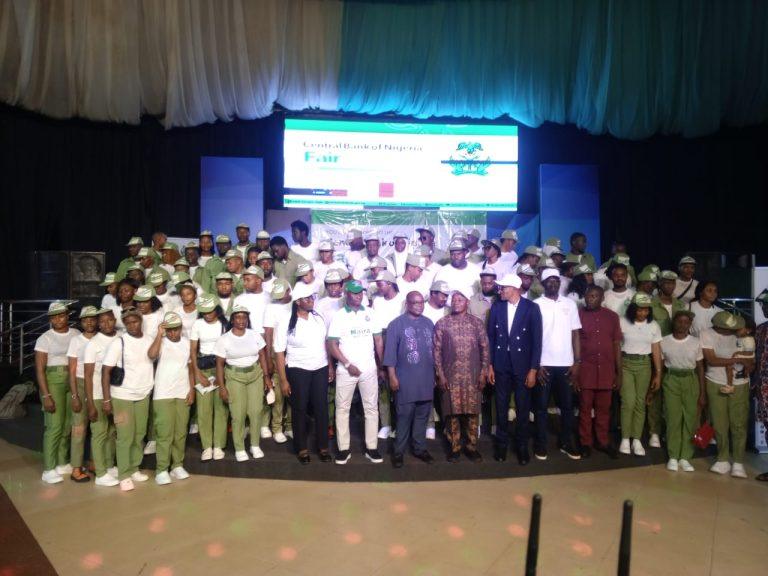
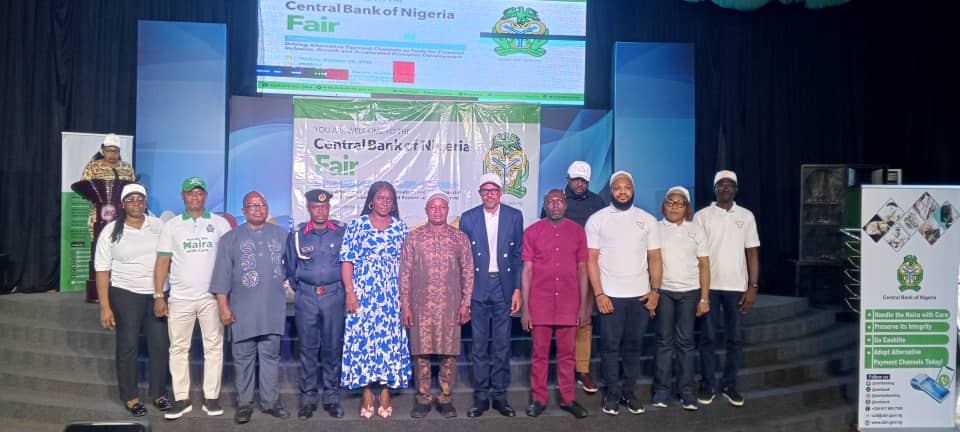
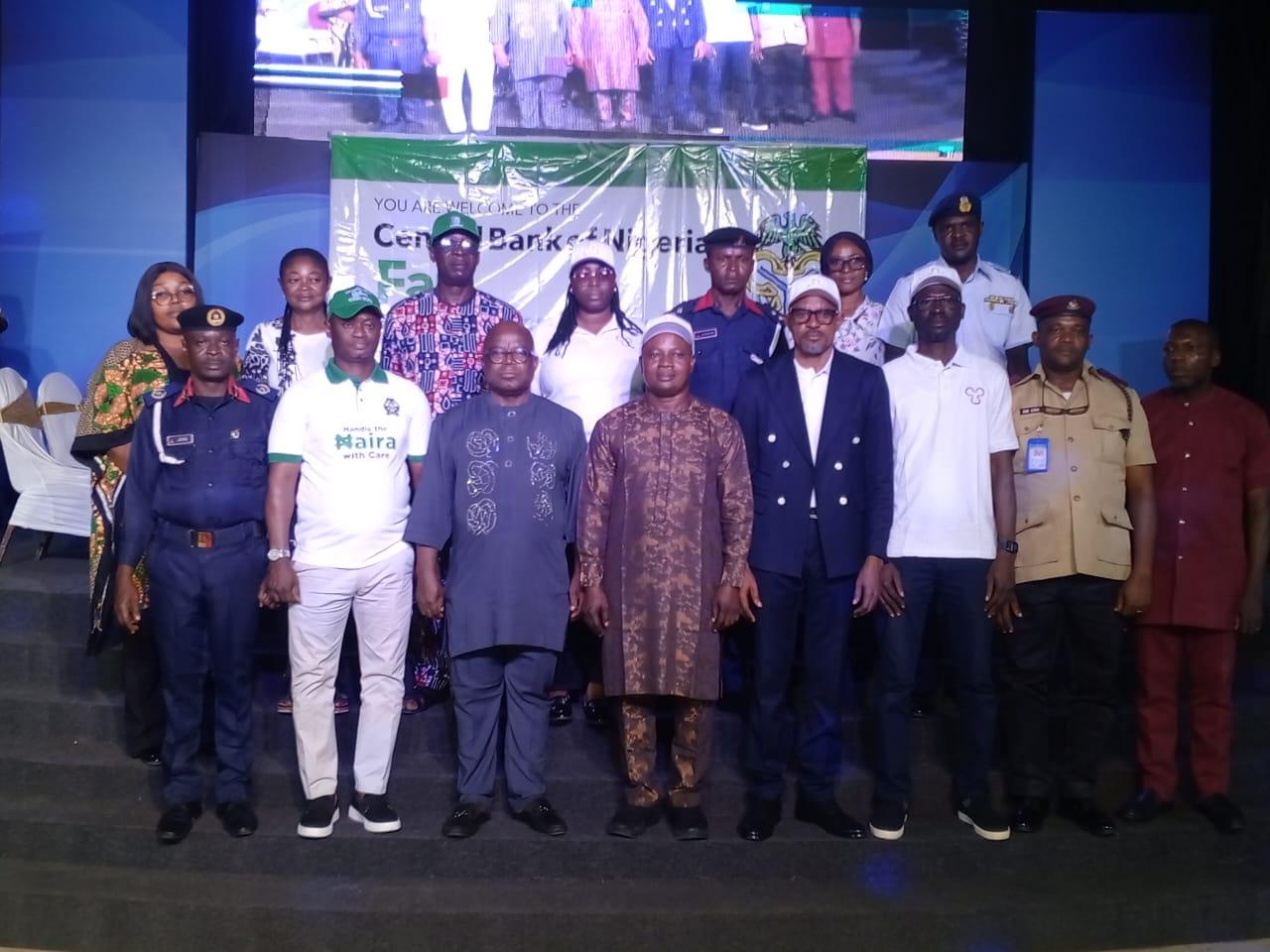
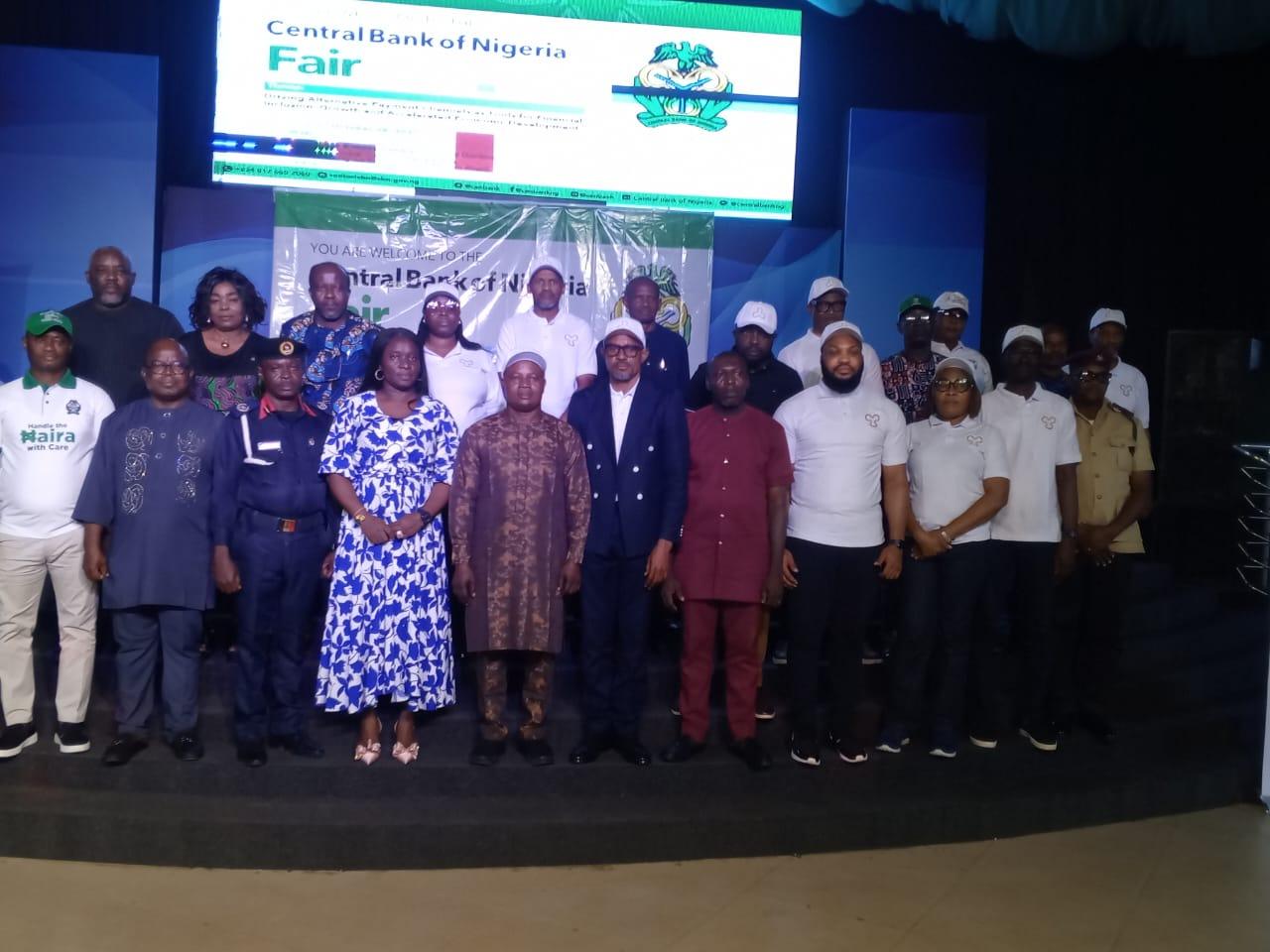
The Central Bank of Nigeria (CBN) has reaffirmed its commitment to deepening financial inclusion, promoting digital transformation, and maintaining monetary stability to drive sustainable economic growth across the country.
CBN Governor Olayemi Cardoso made this known during the opening of the CBN Fair in Calabar, the Cross River State capital.
Cardoso stated that the CBN Fair formed part of the apex bank’s ongoing efforts to engage Nigerians on its policies and reforms for economic development.
He explained that the theme of the fair was chosen to “address links that catalyse critical activities for price and monetary stability as well as sensitise the public on the bank’s policies”and their positive impact on lives, livelihoods, and the national economy.
According to the governor, the CBN under his leadership has taken decisive steps to strengthen the financial system, enhance productivity, and stabilise the economy.
He said, “These efforts are already yielding positive results, as evidenced by the steady reduction in inflation and the current stability in the foreign exchange market.”
Cardoso further outlined key policy measures implemented over the past two years, including the unification of exchange rates, the clearance of over $7 billion in verified foreign exchange backlogs, the recapitalisation of banks to boost resilience, and the introduction of the BMatch system to improve the integrity of forex trading.
He also highlighted the Nigeria Payments System Vision 2028, designed to accelerate digital transformation and broaden financial inclusion nationwide.
He added that the CBN had introduced a 75 per cent Cash Reserve Ratio (CRR) on non-TSA public sector deposits to improve liquidity management and curb inflationary pressures.
The CBN governor urged Nigerians to rely solely on verified information from official CBN channels and to “respect and keep the Naira clean,” warning against spraying, hawking, or mutilating the currency.
Cardoso was represented at the fair by a manager at the CBN, Tobias Uche.
Fostering Trust and Financial Literacy
Speaking earlier, the CBN Branch Controller in Calabar, Jibunoh Nwanneamaka, represented by the Head of Research, Jude Nwafor, described the fair as a platform to foster trust, transparency, and financial literacy among Nigerians.
Nwanneamaka said the engagement was designed to familiarise the public—particularly those in underserved communities—with the bank’s policies and innovations.
“Alternative payment channels—such as mobile money, USSD services, POS terminals, and digital wallets—are not just conveniences; they are lifelines for millions, especially in underserved communities,” he said.
In separate goodwill messages, the Senior Special Adviser to the Cross River State Governor on Agriculture, Professor John Shiyam, and the Chairman of the Cross River Chamber of Commerce, Kelly Ayamba, commended the apex bank for hosting the fair in Calabar.
Shiyam remarked, “This is a laudable initiative from CBN. These alternative payment channels would assist farmers in the rural areas where there are no regular banking facilities. The challenge for our farmers is access to credit, and this forum is critical for the farmers to leverage alternative payment platforms for their agricultural activities.”
Ayamba described the fair “as a platform to enhance economic growth, personal business development and ensure that people can access finance as well as deepen understanding of financial matters.”
The fair featured presentations on CBN operations, including monetary policy instruments, consumer protection, microfinance, and the evolving digital payment ecosystem.
Themed “Driving Alternative Payment Channels as Tools for Financial Inclusion, Growth and Accelerated Economic Development,” the event attracted young Nigerians, farmers’ representatives, government officials, and members of the Cross River business community.