Home Blog Page 291

FCCPC Begins Enforcement Against Non-Compliant Digital Lenders

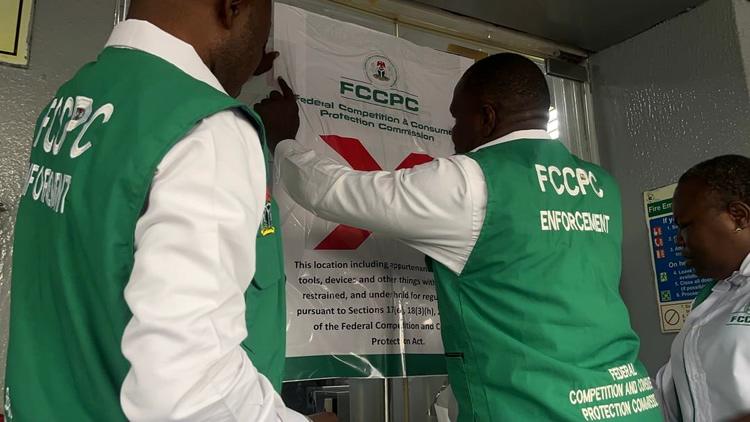
The Federal Competition and Consumer Protection Commission (FCCPC) has begun a phased enforcement process against digital money lending operators that failed to regularise their operations under Nigeria’s new regulatory framework.

In a statement by the Commission’s Director of Corporate Affairs, Ondaje Ijagwu that the enforcement follows the expiration of the compliance deadline of Monday, January 5, 2026, as stipulated in the Digital, Electronic, Online and Non-Traditional Consumer Lending Regulations, 2025 (DEON Regulations).

Speaking on the development, the Executive Vice Chairman and Chief Executive Officer of the FCCPC, Mr. Tunji Bello, said the move was necessary to ensure regulatory certainty and order in Nigeria’s digital lending market.

“The compliance window provided under the Regulations has now closed. At this stage, the Commission is proceeding with appropriate enforcement steps in a manner that is fair, orderly, and consistent with due process,” Mr. Bello said.

“The objective is to promote discipline, transparency, and consumer confidence within the digital lending space, not to disrupt legitimate business activity.” He said.

As part of the enforcement measures, the Commission has withdrawn the conditional approval earlier granted to some digital money lenders that did not complete the required regularization process within the transitional period, the statement revealed.

It noted that the operators have also been removed from the FCCPC’s official register of approved digital lenders, pending full compliance.

Mr. Bello explained that the register is a critical tool for consumer protection.

“The FCCPC’s register is intended to guide the public on operators that have met the applicable regulatory requirements as at the time of publication. Consumers are advised to exercise caution when dealing with digital lenders that do not appear on the Commission’s current list of approved operators,” he said.

The FCCPC also disclosed that it has commenced structured engagement with application hosting platforms and payment service providers as part of its broader enforcement and compliance monitoring efforts.

According to the Commission, further regulatory actions will be carried out in line with established legal procedures.

For operators provisionally designated as eligible under transitional arrangements, the Commission has set April 2026 as the final deadline to regularise their status under the DEON Regulations.

“This window is provided to enable affected operators to take steps towards compliance. Operators that choose not to regularise their status within this period may be subject to further regulatory measures, as provided under the law,” Mr. Bello stated.

The FCCPC reiterated that the enforcement exercise is aimed at strengthening market discipline, protecting compliant businesses from unfair competition, and shielding consumers from abusive and unlawful practices.

“Effective regulation depends on consistent application. Compliant businesses deserve a predictable regulatory environment, and consumers are entitled to protection under the law,” the FCCPC boss added.

The Commission also reaffirmed its commitment to transparent regulation, fair competition, and effective consumer protection within Nigeria’s rapidly evolving digital economy.
Minister Seeks Local Production of Electricity Components

0

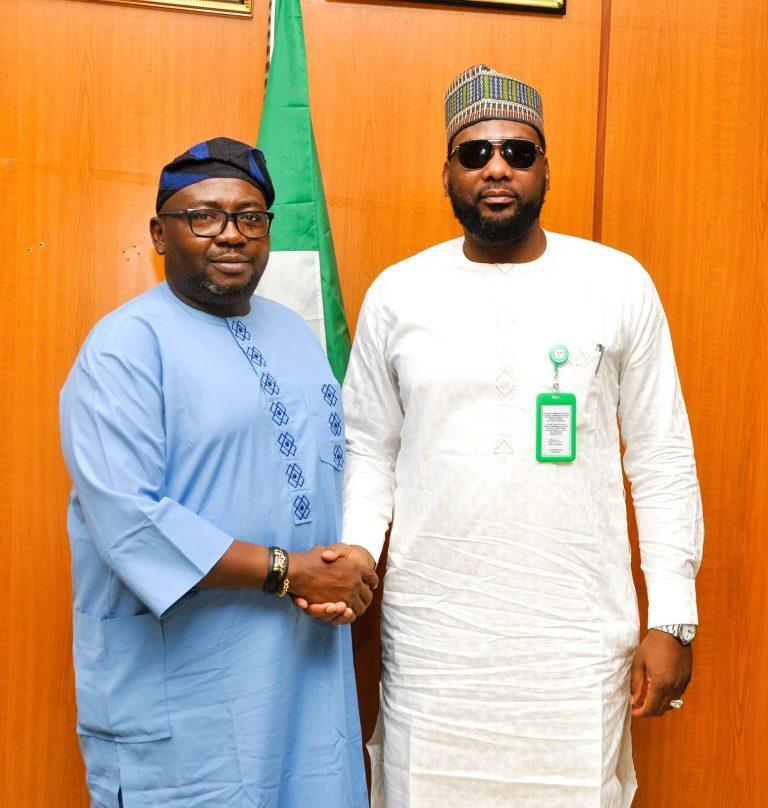
Nigeria’s Minister of Power, Adebayo Adelabu, has called for stronger collaboration between the Energy Commission of Nigeria (ECN) and the Rural Electrification Agency (REA) to drive local production of electricity components and accelerate reforms in the power sector.

Adelabu made the call during a meeting with the management of the ECN at his office in Abuja, stressing that enhanced synergy between the two agencies is critical to achieving President Bola Ahmed Tinubu’s vision of a self-sustaining and growth-driven power sector.

According to the minister, local manufacturing of key electricity components would significantly reduce Nigeria’s dependence on imports, conserve foreign exchange, and strengthen the domestic economy.

He said such collaboration must be anchored on robust research, accurate data collection, and effective planning.

“The ECN and the REA need to synergise. They need to come together, share research, and build data that will help the sector in the local production of electricity components,” Adelabu said.

“We must do everything possible in this regard. It will gladden Mr. President’s heart to know that in his time, Nigeria is manufacturing meters and other critical power inputs for itself. Our exports are growing higher than our imports, and we must sustain this trend by conserving our foreign exchange,” he added.

Data-Driven Reforms

The minister underscored the importance of data in reforming the power sector, describing the lack of reliable data as a major obstacle to effective planning and decision-making.

He disclosed plans by the Ministry of Power to establish a central data pool that would integrate all key stakeholders in the sector.

“We are going to have a central data pool, and ECN must be part of this process,” he said.

“All stakeholders, including generation companies (GenCos) and distribution companies (DisCos), will be integrated into this data framework so that we can have reliable and comprehensive data for the sector,” Adelabu stated.

“Research is also critical, and your agency must work closely with the ministry’s Research Department to support informed planning,” he added.

Better Coordination, Hydropower Focus

Adelabu also announced that the ECN would participate in the quarterly Power Sector Working Group meetings to strengthen coordination across agencies in the sector.

Highlighting Nigeria’s vast hydropower potential, he noted that hydroelectricity remains one of the most reliable sources of power globally.

He said Nigeria has over 300 small dams across different states that could be harnessed to boost electricity generation.

“We need to develop local capacity in turbine production, as turbines are the most critical components in hydropower generation,” the minister said.

“These small dams are very important to us, and we must maximise their potential,” he added.

“States must also take greater responsibility for generation, transmission, and distribution to reduce the power challenges we face. The ministry is ready to support this initiative because turbines are central to this process,” Adelabu stated.

ECN Pledges Support

In his response, the Director-General of the Energy Commission of Nigeria, Dr. Mustapha Abdullahi, expressed the commission’s readiness to work closely with the Ministry of Power and other stakeholders to realise President Tinubu’s vision of revitalising the power sector and strengthening the economy.

He assured the minister of ECN’s commitment to research, data development, and policy support aimed at enhancing local content and promoting sustainable energy development nationwide.

Lateefah Ibrahim

Liverpool Puts Three Past Marseille In Champions League

0

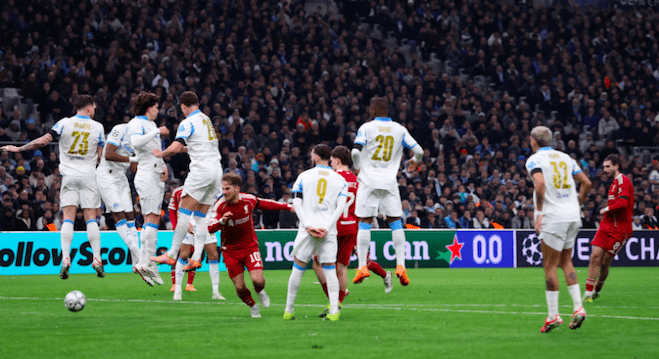
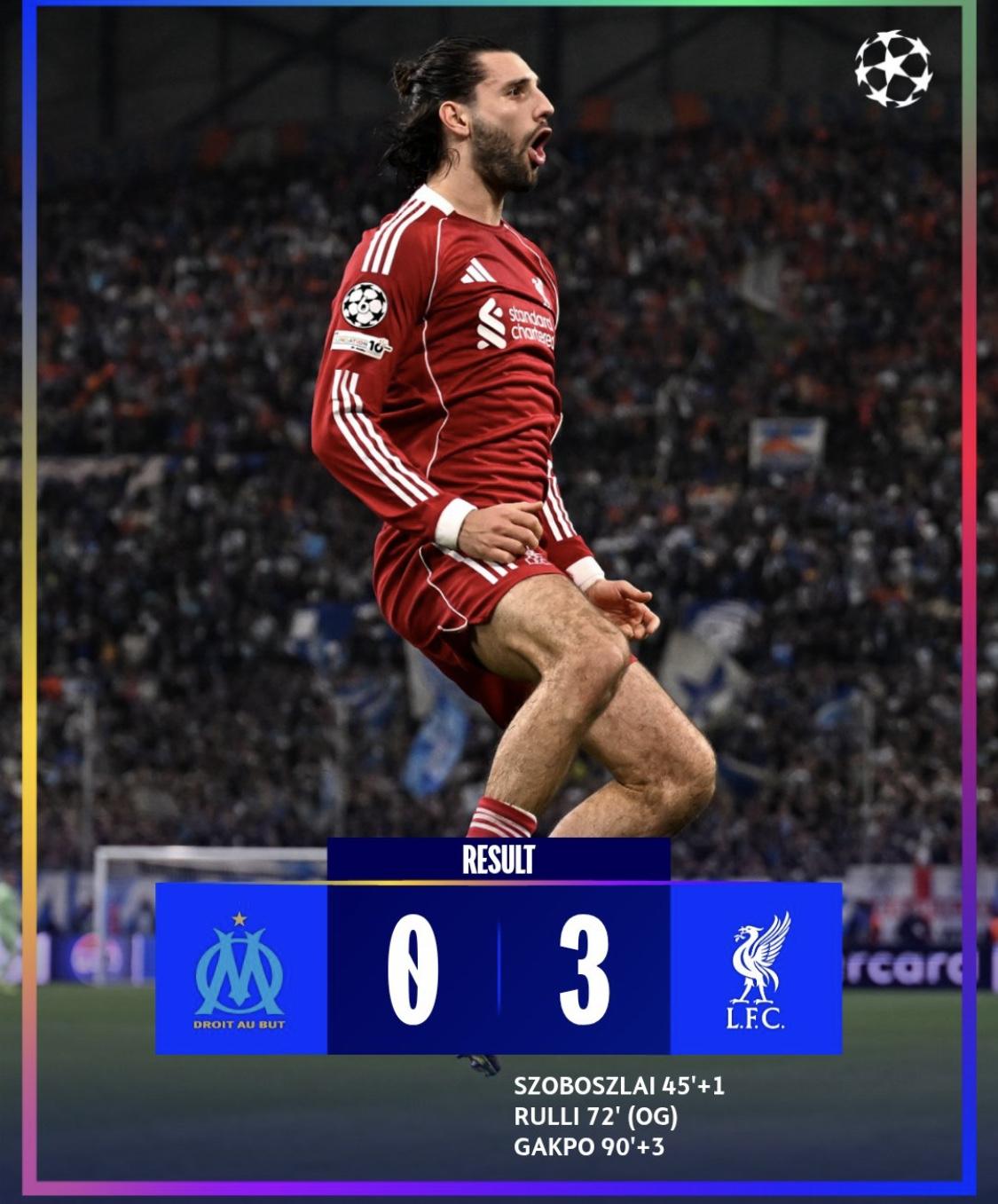
Liverpool swept aside Olympique de Marseille with a 3-0 away victory to extend its unbeaten run to 13 matches in all competitions, moving a step closer to direct qualification for the UEFA Champions League last 16.

Egyptian talisman Mohamed Salah made his first start for Liverpool since November, after returning from the 2025 Africa Cup of Nations (AFCON) tournament in Morocco.

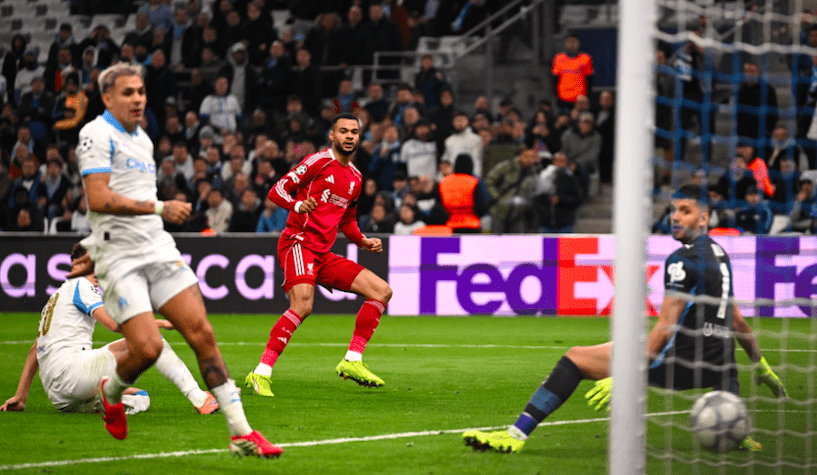
Goals from Dominik Szoboszlai and Cody Gakpo either side of a Geronimo Rulli own goal lifted Arne Slot’s team to 15 points, leaving them well placed in the top eight ahead of the final round of matches.

Liverpool forward Cody Gakpo scores goal.

Marseille remain in the hunt for a playoff spot on nine points despite the defeat.

The Ligue 1 side are 19th in the table and travel to Club Brugge in their final group match needing a positive result to keep their European campaign alive, while Liverpool, in fourth, will host Qarabag knowing another win would secure their place in the last 16.

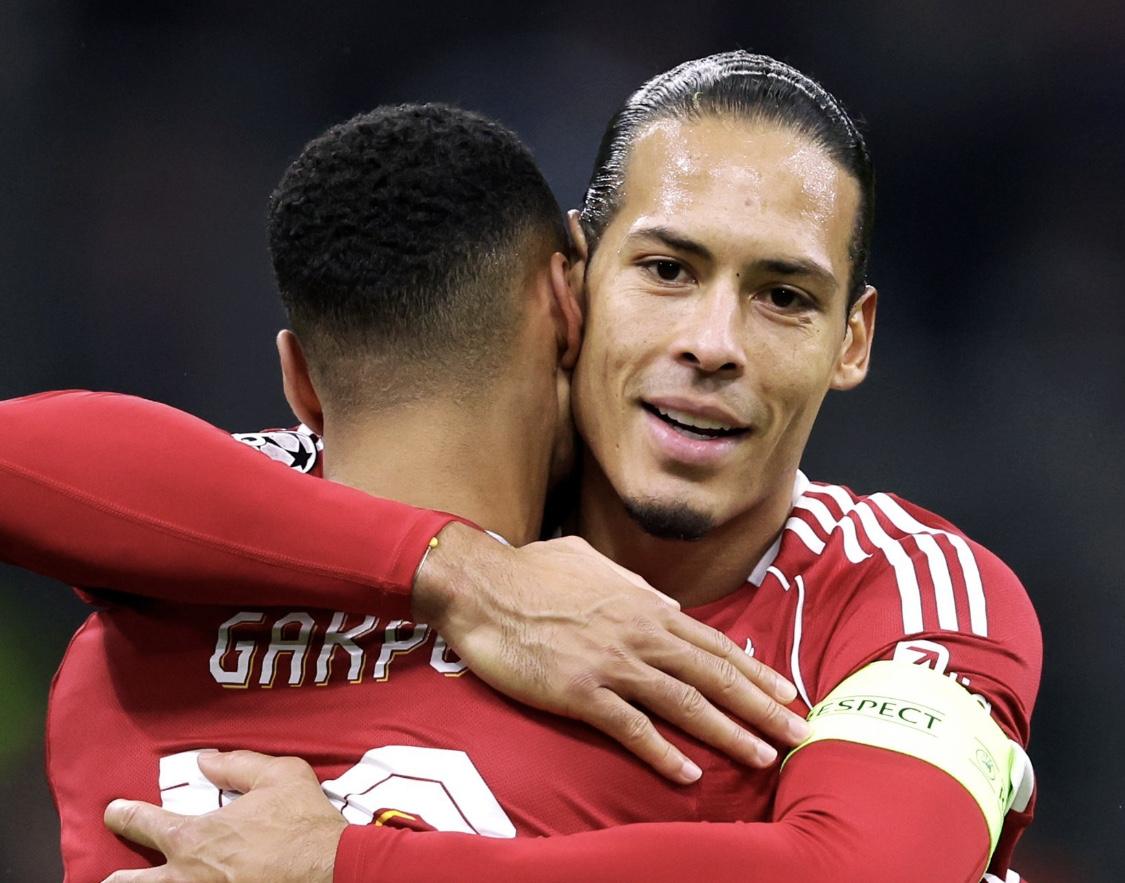
“It’s always difficult to play against (Roberto) De Zerbi teams because if you aren’t front-footed they can play out pretty easy,” said Liverpool captain Virgil van Dijk, who made his 350th appearance for the club.

“They keep on playing and taking a risk, so if you win the ball between the lines then you have a chance. I’m pleased with the team, everybody put a shift in,” added the Dutch centre back before warning of the dangers of Saturday’s Premier League opponents Bournemouth.”

Liverpool captain Virgil van Dijk.

“We always say after a win or good result to keep momentum. But Bournemouth are a difficult team to beat, play very good football and we have to be more than ready. We will recover and go again,” he added.

Wednesday’s UEFA Champions League results

Galatasaray 1-1 Atletico Madrid

Qarabag 3-2 Eintracht Frankfurt

Atalanta 2-3 Athletic Club

Chelsea 1-0 Pafos

Bayern Munich 2-0 USG

Juventus 2-0 Benfica

Newcastle United 3-0 PSV

Olympique de Marseille 0-3 Liverpool

Slavia Praha 2-4 Barcelona.

Nigeria Inaugurates WorldSkills Committee to Enhance Global Competitiveness

The Nigerian government has inaugurated the National Working Committee of WorldSkills Nigeria as part of efforts to promote skills development, vocational excellence, and global competitiveness among Nigerian youths.

Minister of Education, Dr Maruf Alausa, who inaugurated the committee in Abuja, stated that the initiative aims to ensure that skills acquired in Nigeria align with international best practices and the objectives of WorldSkills Nigeria.

WorldSkills Nigeria is an affiliate of WorldSkills International and serves as a platform to reposition skills development and Technical and Vocational Education and Training (TVET) as drivers of industrialisation, economic growth, and global competitiveness.

Building Competitive Workforce

Dr. Alausa described the inauguration as a critical step towards building a globally competitive workforce and transforming the future of TVET in Nigeria.

He said the initiative represents “a bold national commitment to skills excellence, significance, and readiness to benchmark Nigeria’s skills development system against the highest global standards.”

According to him, the platform will equip young Nigerians with world-class competencies and position Nigeria as a leader in skills innovation in Africa and beyond.

“With the inauguration of WorldSkills Nigeria, we are opening a new chapter defined by opportunity, competitiveness, and national pride. Our youth will be inspired to develop a passion for skills and motivated to choose high-quality skills as a first-choice educational pathway,” the minister stated.

He noted that industries would benefit from a more agile workforce, while the country would gain through increased productivity, innovation, and economic growth.

Dr. Alausa commended stakeholders for laying what he described as a solid foundation for a stronger and more prosperous Nigeria, in line with the vision of the President Bola Tinubu-led administration.

“On behalf of the Federal Ministry of Education, I reaffirm our commitment to supporting WorldSkills Nigeria as a national flagship for skills development and youth empowerment,” he said.

Nigeria’s WorldSkills Journey

The minister recalled that Nigeria’s admission into WorldSkills International in August 2024 was the culmination of over a decade of sustained effort, collaboration, and institutional resilience.

He explained that since 2013, Nigeria had actively pursued membership by engaging global partners, strengthening national structures, and aligning its skills ecosystem with international standards.

“These achievements reflect the collective efforts of the National Board for Technical Education (NBTE), federal and state TVET agencies, sector skills councils, industry partners, and other stakeholders,” he said, adding that WorldSkills Nigeria represents more than just membership in a global organisation.

WorldSkills and TVET Integration

Speaking at the event, a representative of WorldSkills Nigeria, Mrs. Yemisi Akirinade, said WorldSkills International sets global standards for TVET benchmarking, teacher capacity building, research, and skills development.

She explained that TVET differs from purely academic education due to its strong multi-sectoral nature, requiring close collaboration between education providers and industry.

“WorldSkills sits at the intersection of education, the economy, and industry. Countries with weak linkages in this nexus often struggle economically. WorldSkills Nigeria is designed to strengthen these linkages and drive a skills-based economy,” she said.

Mrs. Akirinade noted that although TVET implementation comes with challenges, it remains a powerful tool for national development, especially as countries increasingly compete based on skills.

NBTE, Committee Assurances

Executive Secretary of the NBTE and Vice Chairman of the committee, Professor Idris Bugaje, said committee members were drawn from the core of Nigeria’s skills ecosystem, including academia, industry, training institutions, and consultants.

He particularly acknowledged Mrs. Akirinade for her role in Nigeria’s decade-long journey to gaining WorldSkills membership.

“It was an audacious journey that lasted more than ten years. At the time Nigeria was admitted into WorldSkills International in November 2024, NBTE did not even have the €4,000 membership fee. Mrs. Akirinade paid it, and we reimbursed her later,” he disclosed.

In his acceptance speech on behalf of the committee, Engineer S. M. Yusufu assured that members would work diligently to meet expectations and called for increased visibility for WorldSkills Nigeria.

“We are grateful for this opportunity and propose a national launch of WorldSkills Nigeria to raise awareness and engagement,” he said.

Committee Membership

The committee is chaired by the Minister of State for Education, Professor Suwaiba Ahmad, with the Executive Secretary of NBTE, Professor Idris Bugaje, serving as Vice Chairman.

Other members include representatives of the Dangote Foundation, WorldSkills Nigeria, the Industrial Training Fund (ITF), and Dr. Ahmadu Ali Usman representing the Committee of Heads of Technical Colleges (COHTEC).

Lateefah Ibrahim

Anambra: NSCDC Commends Collaborations With Army

0

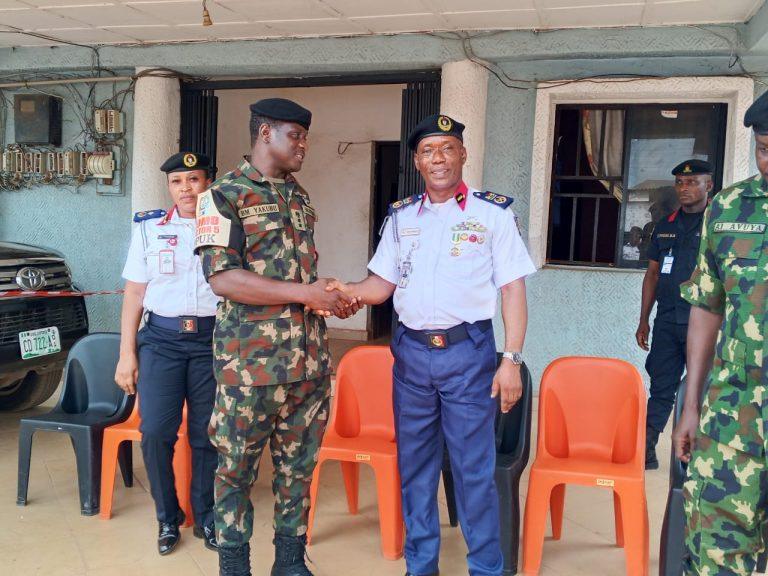
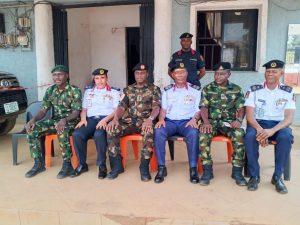
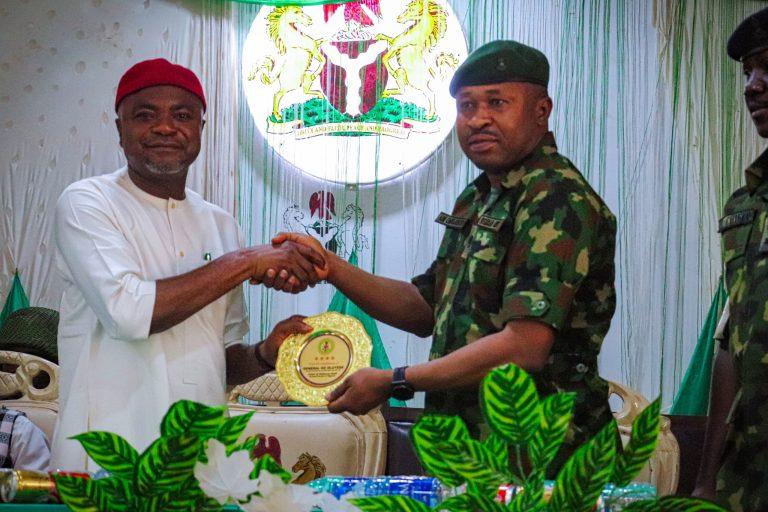
The Nigeria Security and Civil Defence Corps (NSCDC) in Anambra State has commended the Nigerian Army for its sustained support and collaboration in strengthening security and public safety across the state.

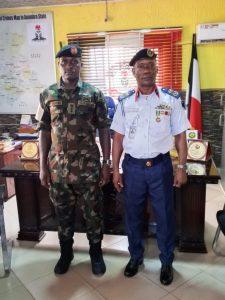
The State Commandant of the NSCDC, Mr Maku Olatunde, gave the commendation while receiving the Commander of the 302 Artillery Regiment (General Support), Onitsha Cantonment, Colonel Butrus Yakubu, who led a delegation on a courtesy visit to the NSCDC State Command Headquarters in Awka.

According to the NSCDC Head, Media and Tactical Operations Anambra State Command, SC Okadigbo, the visit was aimed at familiarisation and at reinforcing cooperation between both security agencies, particularly in intelligence and information sharing, operational access, and joint responses to security challenges.

Colonel Yakubu emphasised that effective security management depends largely on synergy among security institutions, noting that collaboration enhances intelligence gathering, coordination, and rapid response to emerging threats.

He reaffirmed the Nigerian Army’s commitment to supporting the NSCDC whenever the need arises.

The Army commander also praised the NSCDC for its contributions to security in Anambra State, especially through its Forward Operating Bases, which he said have played a significant role in maintaining law and order.

In his remarks, Commandant Olatunde highlighted the importance of inter-agency cooperation in promoting peace, stability, and operational efficiency.

He noted that the NSCDC and the Nigerian Army have a long-standing history of collaboration, including joint training programmes and coordinated operations against the vandalism of critical national, state, and local government infrastructure, and efforts to combat illegal oil bunkering and related crimes.

He stressed that no single security agency can effectively tackle crime in isolation, underscoring the need for sustained partnership and shared responsibility among security stakeholders.

The NSCDC State Commandant assured the Army leadership of his commitment to sustaining and further strengthening the existing collaboration between both agencies in the interest of public safety and security in Anambra State.

Lateefah Ibrahim

Ebonyi Community Leaders Commend Military Operations in South East

0

Community leaders in Ebonyi State have commended the Nigerian military for the successes recorded under Operation UDOKA, describing the operation as a major boost to peace, security and socio-economic activities across the South East region.

The Chairman of Ikwo Local Government Area of Ebonyi State, Barrister Sunday Nwankwo, made this known during an operational tour of the state by Defence Correspondents to assess the prevailing security situation.

According to him, the sustained presence of troops has had a positive impact on the local communities, significantly reducing criminal activities and restoring public confidence in the area.

He specifically praised the proactive posture of the troops, noting that their efforts ensured peaceful Christmas and New Year celebrations across Ikwo and its environs.

The council chairman reaffirmed the commitment of the local government to continue cooperating with the military and other security agencies through intelligence-driven policing and community engagement, aimed at dismantling the activities of criminal elements.

Also speaking, the Traditional Ruler of Amagikwo, His Royal Majesty Eze Dominic Ibor, lauded the military for restoring peace and stability in the region, stressing that traditional institutions remain key partners in sustaining security.

Timely intelligence

The monarch assured that traditional rulers would continue to mobilise their communities to gather and share timely intelligence with security agencies in order to identify and neutralise threats before they escalate.

The Women Leader of Ikwo Community, Mrs. Igwe Ngozi Margaret, applauded the military, stating that the presence of soldiers has brought renewed discipline among the youths, leading to a sharp decline in cultism, robbery and other criminal activities.

Similarly, the Youth Leader, Dr. Onyechi Nwankwo, acknowledged the impact of the military operations and reiterated the youths’ commitment to supporting efforts geared towards safeguarding lives and property within the community.

The Commander Officer 24 Support Engineer Regiment, Lieutenant Colonel Ikenna Chielo, highlighted the unit’s non-kinetic operations, which include community engagement, conflict resolution, medical outreaches, humanitarian assistance and civil-military cooperation activities.

He recalled that Operation UDOKA has recorded significant achievements, including the neutralisation of secessionist activities by the Indigenous People of Biafra (IPOB) and its armed wing, the Eastern Security Network (ESN), with the destruction of 45 camps, 51 bunkering sites and the rescue of 49 hostages, reaffirming the Chief of Defence Staff, General Olufemi Oluyede’s commitment to restoring and sustaining peace across Nigeria.

Lateefah Ibrahim

Edo State Set For 2nd Niger Delta Games

0

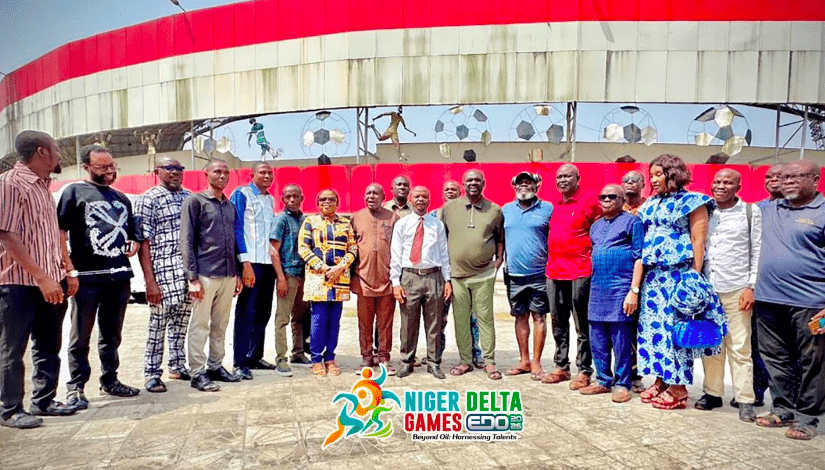
About 3,000 athletes and officials from nine oil-producing states are expected in Edo State for the second edition of the Niger Delta Games, scheduled to hold from February 20th – 27th, 2026.

The multi-sport event, sponsored by the Niger Delta Development Commission (NDDC), will feature 17 sports. These include football, basketball, boxing, badminton, among others. The event will also feature a cultural night designed to showcase the region’s rich heritage.

The organiser of the event, Itiako Ikpokpo, told sports journalists in the State capital, Benin City, that the games were strictly designed for young talents.

Ikpokpo said participating athletes must be indigenous to the competing states and must not exceed 20 years of age.

According to him, meaningful sports development must begin at the grassroots, as the local government level is the true foundation for talent discovery.

“We must go back to school sports to discover more young talents for the country,” he said.

Ikpokpo, however, decried the poor commitment of state governments to sports development.

He said low budgetary allocations for sports across states had continued to undermine growth in the sector, while weak administration had prevented sports from becoming a viable economic venture.

“There is a need to elevate the conversation on sports in this country,” he added. “The reason sports has not become a money spinner is the way it is being managed by administrators.”

Ikpokpo also condemned the prevalence of age cheating in sports, describing it as “shameful” and called for collective action to end the practice.

He further urged the Nigeria Football Federation (NFF) to look beyond Uyo for the hosting of international matches, arguing that the Samuel Ogbemudia Stadium in Benin City meets global standards.

“Samuel Ogbemudia Stadium is as good as the Uyo Stadium and should be considered for international fixtures,” he said.

Algeria Faces Sanctions Following Nigeria AFCON Quarter-Final Chaos

0

The Confederation of African Football (CAF) Disciplinary Board, has delivered a sweeping verdict following the chaotic scenes that marred the 2025 Africa Cup of Nations (AFCON) quarter-final between Nigeria and Algeria.

While the Super Eagles advanced with a 2–0 victory on January 10th, the aftermath saw a meltdown from the Algerian side that has now resulted in a staggering $100,000 total fine and multiple player suspensions.

The CAF Disciplinary Board decided on the following:

  • Suspend Algeria player Luca Zidane for two (2) CAF official matches with the Algeria national team for misconduct
  • Suspend Algeria player Rafik Belghali, player for four (4) CAF official matches with the Algeria national team for aggressive and intimidating behaviour towards the match referee at the end of the match. However, two (2) matches are suspended for a probationary period of one (1) year, starting from the date of the present decision.
  • Impose a fine of USD 5,000 on the Algerian Football Federation for the conduct of the senior (“A”) national team, having received five (5) cautions (yellow cards) during the match, in violation of Article 130(a) of the CAF Disciplinary Code.
  • Impose a fine of USD 25,000 on the Algerian Football Federation due to the inappropriate behaviour of its players and officials at the end of the match, which brought the match into disrepute, in violation of Articles 82 and 83 of the CAF Disciplinary Code.
  • Impose a fine of USD 5,000 on the Algerian Football Federation for the use of smoke devices by its supporters.
  • Impose a fine of USD 5,000 on the Algerian Football Federation for the throwing of objects by its supporters.
  • Impose a fine of USD 10,000 on the Algerian Football Federation for failure to comply with security measures, due to the behaviour of its supporters who attempted to force the security barriers.
  • Impose a fine of USD 50,000 on the Algerian Football Federation for offensive and abusive gestures (displaying banknotes) committed by its supporters towards the match officials.

Why was Nigeria not sanctioned?

In a rare move for such a high-profile clash, the CAF Disciplinary Board did not announce any sanctions against the Nigerian team.

The match reports indicated that while Super Eagles players were involved in the scuffle, they were largely reactive rather than instigators.

China Seeks Deeper Maritime Ties With Malta in Central Mediterranean

0

China is keen to deepen cooperation with Malta in shipping and port logistics, the Chinese Commerce Ministry said on Thursday, eager to leverage the island’s strategic location in the Central Mediterranean.

In an economic and trade cooperation meeting in Beijing, the ministry also told representatives from Malta that it was willing to strengthen “strategic alignment” with the country, one of the European Union’s 27 member states.

China and Malta have developed a close relationship since bilateral ties were established in with Valletta keen to help a major investor country promote relations with the EU, including access to the region’s vast single market.

Chinese President Xi Jinping’s Belt and Road initiative to build up global trade routes to China, state-owned and privately held Chinese companies have invested in Malta’s infrastructure, including a stake in Malta Freeport Terminals, a major trans-shipment port in the Mediterranean, held by China Merchants Port Holdings.


Reuters/Victoria Ibanga

Experts Advocate Adaptive Fraud Management Against Electronic Fraud

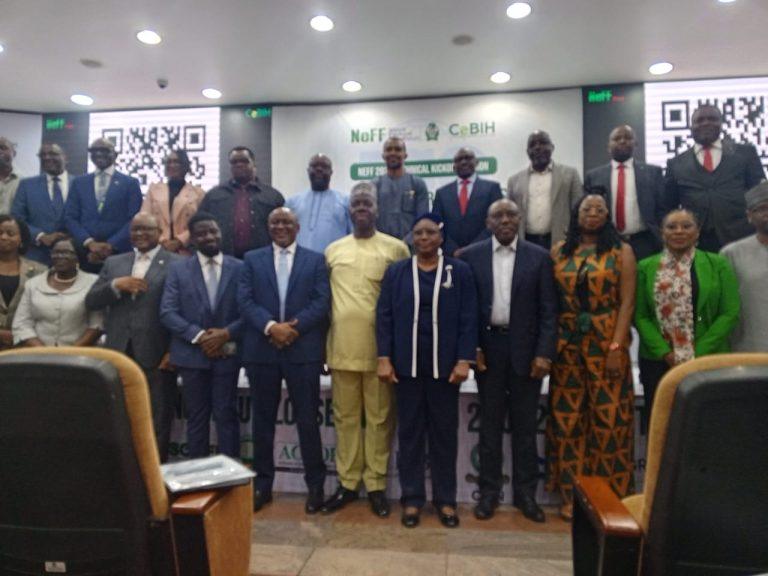
Stakeholders across Nigeria’s payment ecosystem have been urged to make a decisive shift toward robust, enterprise-wide fraud management systems that are predictive, integrated, and continuously adaptive, in order to move into the next phase of addressing electronic fraud challenges.

The call was made by the Deputy Director, Financial Systems Stability at the Central Bank of Nigeria, Mr Phillip Ikeazor, at the opening of the 2026 Nigeria Electronic Fraud Forum Technical Kick-off Session.

Ikeazor emphasised that effective fraud management is no longer about isolated controls or post-incident response, but about deploying end-to-end systems that combine real-time transaction monitoring, enriched data analytics, behavioural profiling, identity intelligence, and immediate action processes across institutions.

“Institutions that invest in mature fraud management frameworks, supported by skilled personnel, clear governance, and accountability, are better positioned not only to detect and prevent fraud early, but to contain losses, protect customers, and preserve trust in the financial system,” he stated.

He said that while electronic fraud losses have risen sharply in recent years, the trajectory must be decisively reversed through bold, measurable fraud-reduction targets supported by clear strategic priorities.

According to Ikeazor, these targets include “full exploitation of ISO 20022 data, universal and real-time identity verification, enhanced 24/7 fraud monitoring and response, structured liability-sharing and consumer reimbursement frameworks, deeper engagement with payment service providers and telecoms, and rigorous performance measurement through transparent scorecards.”

In her remarks, the Director, Payments System Supervision Department and Chairman, Nigeria Electronic Fraud Forum, Dr Rakiya Yusuf, called for more coordinated policy actions from industry stakeholders to tackle the menace.

She said, “At the same time, the threat landscape continues to evolve. Through NeFF, the industry is expected to respond with coordinated policy actions, standardised frameworks, stronger operational controls, and commitments to faster response and recovery timelines. These efforts will reflect a clear shift towards a more proactive, system-wide fraud management.”

Also speaking, the Managing Director of the Nigeria Inter-Bank Settlement System, Premier Oiwoh, recommended collaboration with fiscal authorities to lower the cost of digital devices, as well as targeted integration of law enforcement agencies.

According to him, these measures are crucial to safeguarding the electronic ecosystem.