Home Blog Page 401

NSE All-share Index Rises as Investors Seek Bargains

Nigeria’s domestic market index, the NSE-All Share, ASI, rose to 139,394.75 points as investors started a new week with bargain-hunting activities.

At the end of business on Monday, the ASI of listed equities appreciated by 414.74 absolute points, representing a 0.30% increase to settle at 139,394.75, higher than 138,980.01 points of the previous session.

Over the past month, the index has declined 4.49%, though it remains 44.89% higher than a year ago, according to trading on a contract for difference that tracks this benchmark index from Nigeria.

Similarly, the market capitalisation inched up by N262 billion to close at N88.199 trillion compared to Friday’s N87.936 trillion.

The market sentiment closed positive with 40 stocks on the gainers list relative to 19 decliners.

PZ and UPL led the gainers’ table with a 10 per cent increase to close at N36.20k and N5.50k respectively.

Ellah Lakes followed with a 9.94 per cent profit on its share price to settle at N14.27k; then Legendint shares settled at N5.44k after clinching a 9.90 per cent gain.

On the flipside, IMG, ENAMELWA, Union Dicon and Thomaswy recorded a 10 per cent drop on their respective share prices to close at N33.30k, N35.10k, N10.00 and N2.70k; while Academy Press’ share price declined by 9.95 per cent to close at N8.60k.

A total of 947.87 million shares valued at N17.97 billion were traded across 36,036 transactions.

FCMB shares topped the activity chart with 460.94 million shares valued at N4.653 billion.

Universal Insurance followed with 42.2 million shares worth N53.3 million, while Royal Exchange traded 35.22 million shares valued at N72.49 million.


Nigeria Customs Service Zone B Gets New Comptroller

0

Aminu Sule has formally assumed office as the new Comptroller of the Nigeria Customs Service, Federal Operations Unit (FOU) Zone B, Kaduna.

He takes over from his predecessor, Comptroller Alkali, who has been redeployed to Onne Command.

This was announced in a statement signed and released to the Media by the Public Relations Officer, Federal Operations Unit Zone B, Saidu Nuruddeen.

He described the new Comptroller as a man with a wealth of experience and a distinguished career in his new role, which will mark a new chapter for the unit.

In his maiden speech, Comptroller Sule promised to build on his predecessor’s strong foundation, saying he will continue the unit’s mission of combating smuggling and protecting Nigeria’s Economy.

“FOU Zone B will be relentless against smuggling, uncompromising in its duty, and unwavering in its loyalty to the mission of the Comptroller-General.”

“Our goal is to support the Comptroller-General in delivering a monumental legacy of a reformed, modernised, and globally respected Nigeria Customs Service,” he said.

Comptroller Sule, however, emphasised the importance of intelligence-driven operations and digital coordination in the fight against smuggling.

This is even as he promised to strengthen collaboration with sister security agencies, border communities, and compliant traders.

The handover ceremony, held at the unit’s headquarters, was attended by key officers and staff.

The new Comptroller warned smugglers and saboteurs that FOU Zone B is fortified and determined to deliver results.

He called on all officers and men of the unit to work together with courage, unity, and unyielding determination to safeguard Nigeria’s economy and secure the country’s borders.


NOA Reaffirms Commitment To Public Security Awareness

0

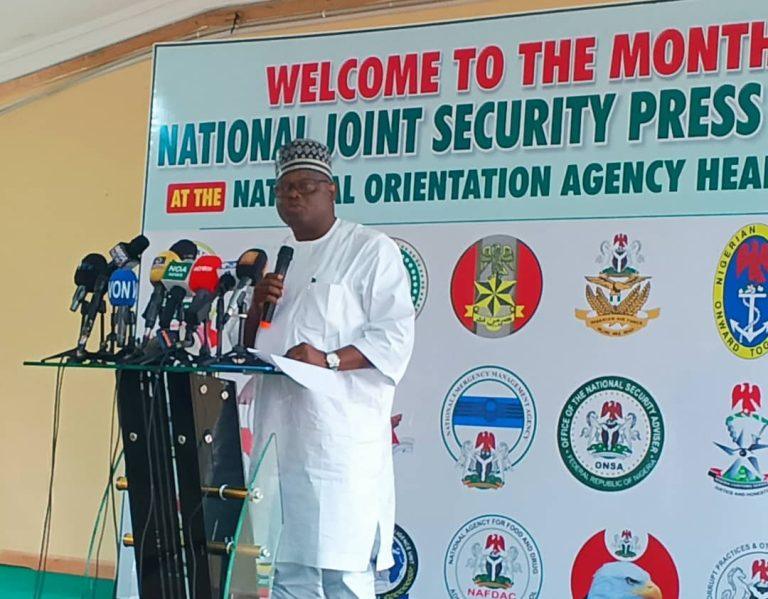
The National Orientation Agency (NOA) has reaffirmed its commitment to simplifying complex cases and strategic actions undertaken by security and response agencies into accessible public information, aimed at ensuring citizens better understand government efforts to safeguard the country.

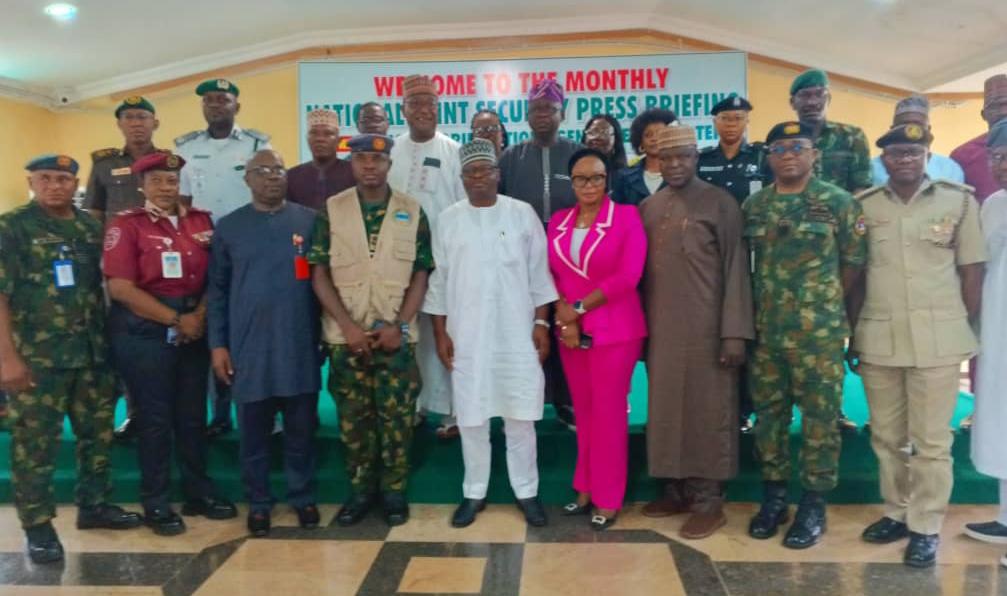
The Director General, National Orientation Agency, Lanre Issa-Onilu, said this at the monthly joint security briefing in Abuja, Nigeria’s capital.

The Director General of NOA also noted that in the month of August, Nigeria’s security and regulatory agencies recorded hundreds of arrests, drug seizures, convictions, and financial recoveries in their operations.

He described the results as evidence of stronger inter-agency coordination and intelligence-led actions.

The Nigerian Army executed 261 operations nationwide, repelling attacks, dismantling insurgent cells, and rescuing abducted civilians. In Zamfara, 30 terrorists were neutralised during air and ground strikes, while 76 militants, including women and children, surrendered to security forces.

“Troops also foiled an ISWAP ambush in Borno State, freeing stranded passengers. The Police reported 1,950 arrests linked to violent crimes, kidnapping, and banditry. A total of 141 kidnap victims were rescued, while the force commissioned two new area commands and upgraded five stations in Benue to boost local security responses”, he said.

Intelligence Fusion

According to Issa-Onilu, Intelligence fusion is breaking supply chains and leadership nodes of criminal groups.

I want to underscore the point that when intelligence meets joint action, kidnap syndicates and gun-running pipelines fail. This is a core component of the current strategy being deployed to degrade our country’s enemies and keep Citizens safe”.

Speaking on drug tracking, the NOA DG also said the National Drug Law Enforcement Agency (NDLEA) has seized over 66,000 kilograms of narcotics, describing the haul as one of the largest this year.

The agency also deployed 48 new vehicles nationwide, a move aimed at strengthening field operations”, he said.

On Financial crimes, he stressed that the Economic and Financial Crimes Commission (EFCC) has carried out 588 convictions in August alone, recovering more than ₦21bn in assets from corruption cases.

This result underscored the government’s anti-graft drive and ongoing reforms in the financial system,” he stressed.

Speaking further, Issa-Onilu said the National Agency for Food and Drug Administration and Control (NAFDAC) also reported the seizure of 17 containers filled with unsafe and falsified products, warning that unregulated goods posed severe risks to households.

Issa-Onilu stressed that intelligence-sharing and public cooperation were proving decisive in disrupting criminal networks.

I want to assure you, gentlemen of the Press, that our troops are degrading terror logistics and protecting communities and commuters. We also want to appreciate Members of the public as citizens’ tips are turning into lifesaving operations.”

He further charged communities to report suspicious movements, especially along transit corridors, and to resist spreading unverified alerts that fuel panic.

Every seized drug container is a community saved from harm. Every conviction is a signal that corruption will not be tolerated. And every victim rescued is a life put back on track,” he said.

The Director General emphasised that the agency’s priority was to counter misinformation and keep citizens informed about security gains.

He acknowledged that despite the successes, there are still challenges, which include troop casualties, vandalism, and communal clashes in some states, noting that operational capacity has improved and that the state’s response is becoming more pre-emptive.

Mr. Issa-Onilu added that NOA has activated its offices across the 36 states and 774 local governments to intensify grassroots engagement through town halls, rallies, and advocacy campaigns.

Nigeria, AU Sign MoU on Collaborative Counterterrorism Efforts

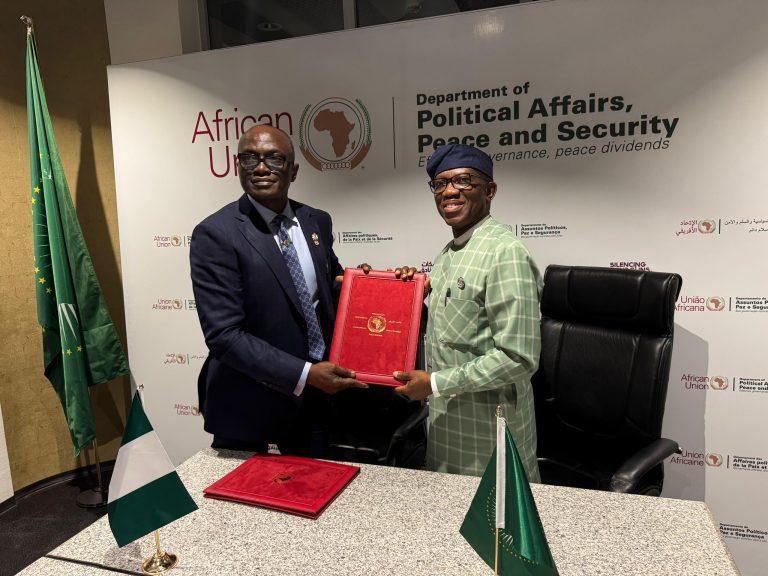
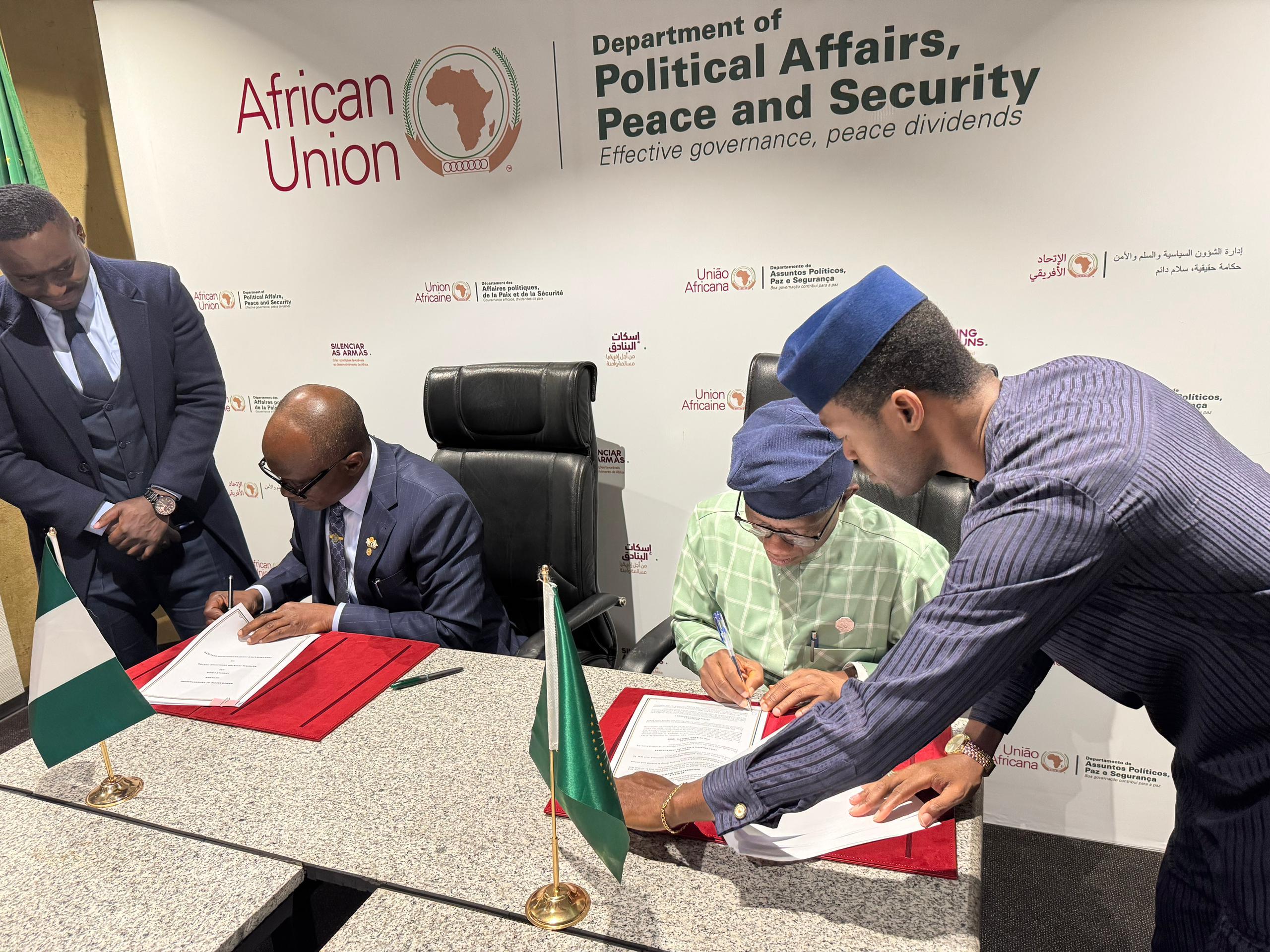
The African Union (AU) Commission and the Nigerian National Counter Terrorism Centre (NCTC) have signed a Memorandum of Understanding (MoU) to enhance collaboration in combating terrorism and violent extremism across Africa.

The MoU establishes a strategic framework to enhance cooperation and coordination between the AU and the NCTC on counterterrorism efforts, aligning national, regional, and continental strategies that will strengthen technical capacity and harmonise Nigeria’s counterterrorism polices with AU frameworks.

The MoU was signed by the AU Commissioner for Political Affairs, Peace and Security, Amb. Bankole Adeoye and National Coordinator of the NCTC, Major General Adamu Garba Laka, at a ceremony at the AU Commission in Addis Ababa, Ethiopia.

The agreement underscores the commitment of the African Union and Nigeria to address the growing threat of terrorism through coordinated strategies, capacity building, and information sharing.

At the ceremony, Amb. Adeoye commended Nigeria for being a key anchor state for counter-terrorism efforts across West Africa and the Sahel.

He stated that “the region and beyond across the continent had greatly benefitted from the NCTC’s leadership and expertise, particularly the Centre’s state-of-the-art facilities and advanced technology, which have contributed to regional and continental security.”

“The NCTC’s desire to partner with the African Union marks a significant step by Nigeria that is aligned with the Abuja Process Declaration of April 2024,” he stated.

The African Union (AU) Commission and the Nigerian National Counter Terrorism Centre (NCTC) have signed a Memorandum of Understanding (MoU) to enhance collaboration in combating terrorism and violent extremism across Africa.

READ ALSO: Armed Forces Record Successes in Counter-Terrorism Operations

Similarly, Major General Laka emphasised that “by collaborating with the African Union, we intend to demonstrate Nigeria’s strategic commitment in combating terrorism and violent extremism through enhanced regional capacities and strategies with continental frameworks to ensure peace and security across Africa.”

The MOU, which takes immediate effect, will be implemented by the African Union Counter-terrorism Centre (AUCTC) and Nigeria’s National Counter Terrorism Centre (NCTC).

The agreement focuses on aligning NCTC initiatives with African Union counterterrorism efforts, including supporting regional initiatives and task forces, such as the Nouakchott Process, the Accra Initiative, UFL-Sahel Joint Force, and the Multinational Joint Task Force (MNJTF).

Key cooperation areas include sharing information in real time, seconding NCTC experts to AUCTC, conducting joint research, and supporting victim recovery, deradicalisation, and reintegration.

A Joint Working Group will oversee the progress and implementation of the MOU.


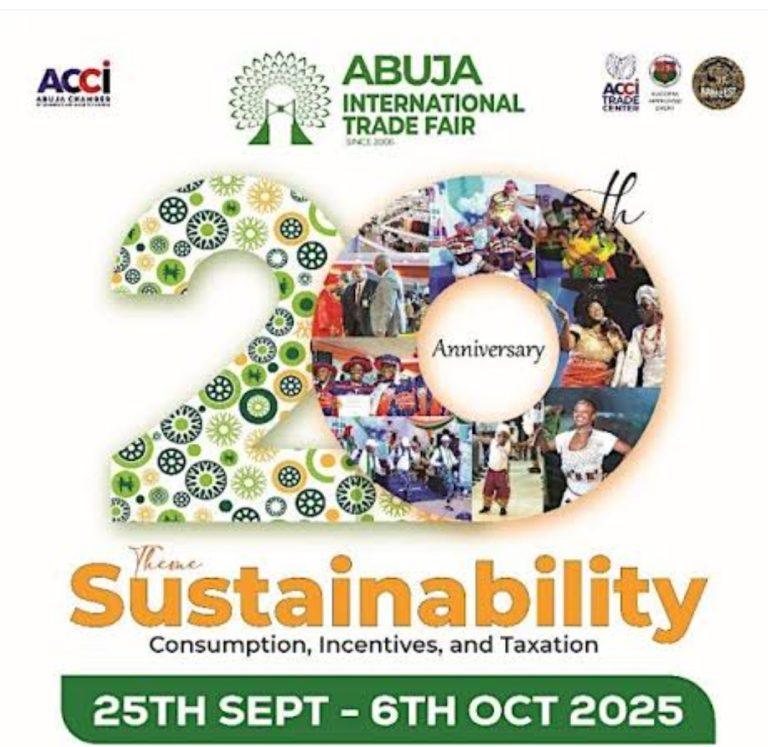
ACCI Set to Host 20th Abuja International Trade Fair

The President of the Abuja Chamber of Commerce and Industry (ACCI), Dr. Emeka Obegolu, has announced the 20th edition of the Abuja International Trade Fair (AITF), scheduled to hold from September 25 to October 6, 2025.

Dr. Obegolu disclosed this during a media briefing in Abuja, Nigeria’s capital city, noting that the fair would provide a platform for businesses, investors, and entrepreneurs to showcase innovations, foster partnerships, and expand trade opportunities.

He said; “there is a need to ensure that Nigeria’s economic growth is sustainable, inclusive, and driven by innovation.”

Dr Obegolu who was represented by the 2nd Deputy President and Chairman of the 20th edition of AITF, Dr Aliyu Idi Hong, noted that “the 29th edition is a celebration of 20 years of sustained excellence, innovation, and economic impact.”

According to him, “In the last two decades, the AITF hosted over 2,500 exhibitors from Africa, Europe, Asia, and the Americas; attracted more than 1.5 million visitors from diverse economic sectors, facilitated billions of naira in trade deals, investments, and partnerships; established platforms that have driven B2B, B2G, and B2C engagements; provided consistent visibility for SMEs, enabling them to reach new markets locally and internationally; fostered collaborations with over 40 diplomatic missions, trade agencies, and international business associations.”

“These milestones reflect the AITF’s role as a catalyst for Nigeria’s economic growth and a key driver of Africa’s integration into the global economy,” the ACCI boss stated.

Dr Obegolu disclosed that the trade fair with the theme “Sustainability: Consumption, Incentives, and Taxation” underscores the Chamber’s commitment to tackling pressing economic and environmental challenges.

He said; “This year’s Fair will bring together policymakers, industry leaders, entrepreneurs, and development partners to examine how consumption patterns, incentives, and taxation can be aligned to drive responsible production, investment, and environmental stewardship, in line with the United Nations’ Sustainable Development Goals (SDGs).”

Dr Obegolu also disclosed that the major highlight of the 20th AITF will be the launch of the Buy Africa, Build Africa, BABA FEST an initiative of the ACCI to promote African products and services within the continent and globally.

BABA FEST will celebrate Africa’s creativity, talent, and entrepreneurial energy through: Live performances by top African artists; fashion showcases featuring African designers; Immersive art exhibitions; Exclusive investment and networking sessions; Brand activations showcasing Africa’s competitiveness in global markets.”

The 20th AITF will feature over 100,000 participants across 12 days; exhibitions covering trade, industry, agriculture, fintech, sustainable energy, transportation, environmental solutions, and creative industries and  panel sessions.” Dr Obegolu explained.

He added that the Abuja International Trade Fair continues to be a meeting point for business leaders seeking investment and market expansion; Government agencies driving policy and economic growth; International partners exploring trade and investment prospects;
SMEs seeking visibility, financing, and partnerships.


Gombe to Represent Nigeria at Global Livestock Summit 

Gombe State in Northeast Nigeria has been selected as one of three Nigerian states to form part of the country’s delegation to the forthcoming Sommet de l’Élevage, World Livestock Summit, scheduled to take place from 5 to 11 October 2025 in Clermont-Ferrand, France.

The selection follows the recognition of the livestock transformation efforts of Gombe State, under the leadership of Governor Muhammadu Inuwa Yahaya, which has earned both national and international acclaim.

The nomination came from the World Bank through the Livestock Productivity and Resilience Support (L-PRES) Project’s National Coordination Office.

In a statement, the National Coordination Office commended Governor Yahaya for his visionary leadership and unwavering commitment to livestock sector transformation in Gombe State.

The letter highlighted that the exemplary performance of Gombe State in implementing the L-PRES project, as assessed by the World Bank, earned the state its well-deserved place in the national delegation.

According to the National Project Coordinator, Malam Sanusi Abubakar, the strong performance of Gombe State, underpinned by functional State Steering and Technical Committees, positioned the state as a model for livestock sector reforms in Nigeria.

READ ALSO: Nigerian Government Approves Gombe State Veterinary Hospital Project

The Gombe delegation will join the national team in engaging with global stakeholders, investors, and experts in livestock production, trade, and innovation.

Largest Livestock Event

The summit, recognised as Europe’s largest livestock event, is expected to focus on sustainability, innovation, and opportunities within the livestock ecosystem.

It offers participants access to pioneering ideas and international partnerships aimed at strengthening value chains and attracting investment.

A statement by the Gombe State Government says the participation of the state in the global event is timely, as the state continues to harness its agribusiness potential through strategic and forward-looking investments under Governor Yahaya’s administration.

Key initiatives include the establishment of the Gombe Agro-Livestock Development Zone, featuring a state-of-the-art abattoir, international livestock market, tannery, leather factory, and other related infrastructure.

The statement said that through the developments, the state was positioning itself as a leading livestock hub not only in Nigeria but across West Africa.

It said the state government was expected to use the summit as an opportunity to attract partnerships and adopt global best practices to further enhance livestock productivity, resilience, and economic growth.


Nigeria’s Speaker Seeks Stronger Africa–Asia Trade Ties

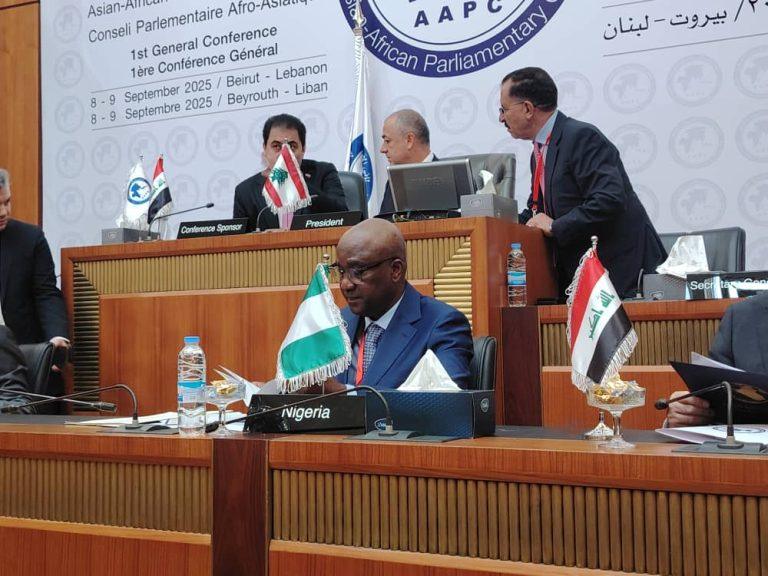
The Speaker of Nigeria’s House of Representatives, Mr. Abbas Tajudeen, has called for trade and investment frameworks between Africa and Asia, especially for green energy and digital economies.

This is just as the Speaker has stated that the proposed Asian-African Parliamentary Council, which he approved, will enable African and Asian parliaments to address shared challenges and amplify the voices of the two continents in global affairs.

Speaker Abbas made this known in his remarks at the ongoing First General Meeting of the Asian–African Parliamentary Council, held in Beirut, Republic of Lebanon. The event is slated for September 8 and 9.

Addressing African-Asian lawmakers at the Lebanese Parliament on Monday, the speaker said, “I urge us all to prioritise establishing frameworks for investment, trade, and the exchange of ideas. Africa’s resources should complement Asia’s progress in green energy and digital economies. In a changing world, our parliaments must lead the way in fostering partnerships based on opportunity and innovation.”

While commending the gathering for “this visionary initiative to establish the Council,” Speaker Abbas noted that it is “a timely platform for parliamentary collaboration amid evolving global dynamics characterised by shifting geopolitics, multipolarity, and nationalistic economic policies and trade protectionism.”

He added that it “enables us to address shared challenges such as inequality, climate change, and sustainable development, amplifying the voices of Asia and Africa for justice and equity in global affairs.”

The speaker, who noted that the agenda of the meeting captures the essence of the Asian-African Parliamentary Council, said Nigeria is eager to participate constructively in the sessions.

He said, “We aim to foster parliamentary cooperation to address shared challenges and enhance our collective resilience. We are interested in discussions on justice and sustainable development, which align with President Tinubu’s Renewed Hope Agenda.

“The agenda supports initiatives such as environmental sustainability policies, climate resilience projects, and poverty alleviation efforts. We also highlight the importance of international blocs, building on our recent acceptance as a BRICS partner country in January 2025, to foster South-South cooperation and economic opportunities with Asian nations.”

Bandung Conference
While recalling the relationship between Asia and Africa, rooted in anti-colonial solidarity like the 1955 Bandung Conference, Speaker Abbas said it becomes more urgent in today’s contexts of technological advances and shifting alliances.

Through this council, he said, “Parliamentary diplomacy can promote fair trade, innovation, and mutual respect; reduce dependencies; and establish norms on climate and digital governance.”

The speaker also pointed out that Nigeria has historically supported relations between Asia and Africa, and the country is a founding member of the African Union and the Non-Aligned Movement.

He stressed that Nigeria has championed decolonisation and partnerships through forums such as the Forum on China–Africa Cooperation (FOCAC) and the Tokyo International Conference on African Development (TICAD).

He said, “Under President Bola Ahmed Tinubu, Nigeria has further strengthened its efforts. In 2024, we entered into a strategic partnership with China focused on agriculture and infrastructure. Additionally, Nigeria signed MoUs with India in 2023 to enhance trade under the African Continental Free Trade Area (AfCFTA). Nigeria aims to expand these initiatives through this council and seeks to improve legislative oversight.”

Speaker Abbas explained that the Nigerian National Assembly, especially the House of Representatives, anchors the Renewed Hope Agenda by aligning its Legislative Agenda to focus on governance, security, economic growth, social reform, inclusion, open parliament, foreign policy, and sustainability.

“We have supported the removal of subsidies, freeing funds for infrastructure and education in the 2025 budget. We have enacted laws on human rights, gender-based violence, and disabilities. 

“In promoting gender inclusion, the 10th House has prioritised the Reserved Seats for Women Bill, which proposes creating special seats in the National Assembly (Senate and House of Representatives) and across all State Houses of Assembly.

“This temporary measure, set for review after four election cycles (16 years), aims to address the significant under-representation, where women currently hold only 64 of 1,460 parliamentary seats nationwide. It seeks to strengthen democracy, reduce gender-based abuses, and unlock Nigeria’s full potential,” he said.

Embracing the digital age, the Speaker said the 10th House is integrating technology and AI to improve parliamentary processes through digital platforms that promote transparency and efficiency in the National Assembly, as highlighted in our collaborations with the Inter-Parliamentary Union (IPU).

Speakers at the opening ceremony include the President of the Founding Council and Deputy Speaker of the Council of Representatives of Iraq, Mohsen Al-Mandalawi; Speaker of the Lebanese Parliament, Nabih Berri; President of the International Confederation of Asia and Africa Trade Unions, Saud Rashid Al-Hujailan; First Vice-President of the National Assembly of Mauritania, Sid’ni Soukhona;

At the ceremony, the lawmakers adopted the provisional draft agenda of the meeting, while they had a general debate on the idea of establishing the Asian–African Parliamentary Council, with a focus on the importance of international blocs.

There was also a presentation of the council’s strategic plan and submission of proposals, and a presentation of the draft final communiqué.


JAMB Committee Recommends AI to Tackle Exam Infractions

A Special Committee set up by the Joint Admissions and Matriculation Board (JAMB) has recommended a multi-layered framework built on detection, deterrence, and prevention, including the use of Artificial Intelligence (AI) to help curb the challenge of Examination Infractions during exams.

This was part of the recommendations in a report submitted by the Chairman of the Special Committee on Examination Infractions (SCEI), Dr. Jake Epelle, to the Registrar of JAMB, Professor Ishaq Oloyede, in Abuja, Nigeria.

He said the recommendations were put forward to improve the integrity of Nigeria’s admission system globally.

“On Detection, there is a need to deploy AI-powered biometric anomaly detection, dual verification systems, real-time monitoring, and a National Examination Security Operations Centre.

“Deterrence: Cancel results of confirmed fraudulent candidates, impose bans of 1–3 years, prosecute both candidates and their collaborators, and create a Central Sanctions Registry accessible to institutions and employers.

“Prevention: Strengthen mobile-first self-service platforms, digitise correction workflows, tighten disability verification, and ban bulk school-led registrations,” he said.

According to him, the committee also recommended legal reform to the JAMB and Exam Malpractice Acts, as well as how to handle minors involved in exam infractions.

“Amend the JAMB Act and the Examination Malpractice Act to recognise biometric and digital fraud, and provide for a Legal Unit within JAMB.

“Cultural Reorientation: Launch a nationwide Integrity First campaign, embed ethics into curricula, and enforce parental accountability.

“Special Measures for Minors: For under-18 offenders, apply rehabilitative measures under the Child Rights Act, with focus on counselling and supervised re-registration,” he said.
He said the Committee, while working based on its terms of reference, discovered that examination malpractice has evolved into a highly organised and technology-driven enterprise.

“We documented 4,251 cases of “finger blending,” 190 cases of AI-assisted image morphing, 1,878 false declarations of albinism, and numerous cases of credential forgery, multiple NIN registrations, and solicitation schemes.

“This fraud is not the work of candidates alone—it is sustained by syndicates involving some CBT centres, schools, parents, tutorial operators, and even technical accomplices,” he said.

He said exam infractions, if left unchecked, will continue to erode merit, undermine public trust, and destroy the very foundation of Nigeria’s education and human capital development.

“But if we act with courage—through bold reforms, technological innovation, cultural reorientation, and uncompromising enforcement—we can turn this tide.

“Today, as we hand over this report, we affirm our collective commitment to defend the integrity of the Nigerian education system. This report is not just about exposing fraud; it is about charting a new course for transparency, fairness, and meritocracy in admissions,” he said.

The Registrar, JAMB, Prof. Is-haq Oloyede, while receiving the report, assured the Committee of the implementation of the recommendations, especially the ones that fall within the purview of the board, while promising to forward the report to the Minister of Education, Dr.Maruf Alausa and the National Assembly for action, where necessary.

Professor Oloyede reported a decline in traditional malpractice as only 140 cases were recorded this year. He, however, cautioned that new technology-driven infractions remain a growing threat.

“The most worrying aspect of the infractions is the pre-registration stage, where technology is now used to commit the infractions before the real exam itself.

“Examination malpractice devalues education, cheats hardworking candidates, and produces incompetent professionals, engineers who cannot build, doctors who endanger lives, and graduates unfit to contribute to society,” he said.

According to him, JAMB is pursuing a three-pronged strategy involving sanctions, investment in integrity through technology, and moral education to combat malpractice.

The Registrar commended the committee’s independence, professionalism and working within the six weeks given time frame.

The committee is composed of experts from academia, technology, security, civil society, and law.

 

Usmanu Danfodiyo University Honours Former Army Chief

0

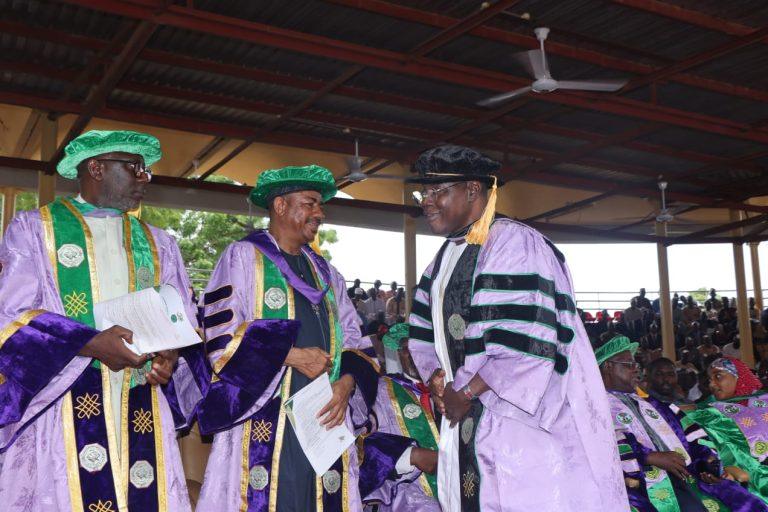
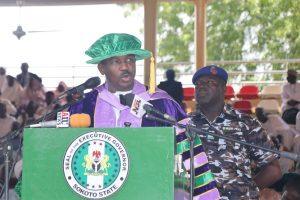
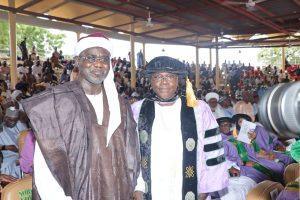
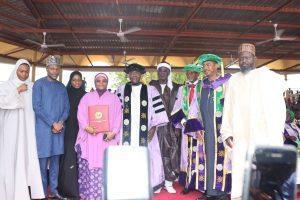
Nigeria’s former Chief of Army Staff, Lieutenant General Faruk Yahaya (Rtd), has been honoured with ‘Doctor of Science’ by Usmanu Danfodiyo University, Sokoto (UDUS) in Southwest Nigeria.

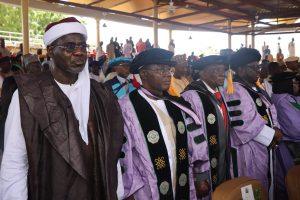
The award came during the university’s 50th anniversary and 42nd convocation ceremony, celebrating Yahaya’s leadership and contributions to Nigeria’s defence and national security.

A statement by the Acting Deputy Director, Army Public Relations 8 Division, Lieutenant Colonel Ibrahim Shittu, confirmed the recognition, noting that the university’s Governing Council conferred the honorary doctorate on 6 September 2025.

The citation described General Yahaya as a strategic leader whose tenure as COAS between 2021 and 2023 reshaped Nigeria’s fight against insurgency and banditry.

According to the Vice Chancellor, Professor Bashiru Garba, General Yahaya’s stewardship “significantly strengthened the Nigerian Army and left an enduring legacy in advancing national security.”

“General Yahaya’s time in office marked decisive milestones: the elimination of Boko Haram commander Abubakar Shekau in 2021, coordinated victories against ISWAP and bandit networks, and securing the 2023 general elections.”

The convocation also served as a reunion of military and civic leaders.


Nigeria Invests Over N192bn in Primary Healthcare Since 2019

0

The Nigerian Government has disbursed over N192 billion to strengthen primary healthcare facilities across the country since the launch of the Basic Health Care Provision Fund (BHCPF) in 2019.

The Executive Secretary of the National Primary Health Care Development Agency (NPHCDA), Dr. Muyi Aina, disclosed this during the recent National Health Financing Policy Dialogue, where stakeholders gathered to assess progress and challenges in healthcare financing in Nigeria.

Dr. Aina emphasized that the BHCPF has played a critical role in improving access to basic health services, particularly in underserved and rural communities, aligning with the government’s goal of achieving Universal Health Coverage.

The dialogue, with the theme, “Reimagining the Future of Health Financing in Nigeria” was organised by the National Health Insurance Authority (NHIA) and partners.

It sought to reimagine financing models that make healthcare more equitable, sustainable, and accessible for all Nigerians.

Dr Aina said that currency fluctuations and rising service costs continued to strain Nigeria’s health system, even as budget allocations are increasing at both federal and state levels.

He said that ‘out-of-pocket expenditure still accounted for a disproportionate share of healthcare spending, with the public sector’s contribution at just 14 per cent.”

According to him, the government has mobilised N3.5 billion, 60 per cent of which is pooled from mechanisms such as the BHCPF, Global Fund, Gavi, and PEPFAR.

He said that the fund was mobilised through the Sector-Wide Approach (SWAp) and the Health Sector Renewal Investment Initiative.

Aina said that 8,309 facilities nationwide now received quarterly funds under the BHCPF.

“Allocations were recently scaled up from an average of N300,000 to between N600,000 and N800,000 per quarter, depending on facility size and patient volume.

“The reform, dubbed BHCPF 2.0, is designed to address real operational costs at the facility level, supporting human resources, essential commodities and infrastructure.

“Even though budget allocations are growing, the cost of healthcare delivery, vaccines, TB medicines, malaria commodities, and operational programmes is rising even faster,” he said.

He expressed government’s commitment to closing existing financing gaps through stronger co-financing at the federal, state and local government levels, coupled with performance-based accountability measures.

He said that the Niherian Government was set to roll out a direct funding mechanism across the country to improve accountability in healthcare spending.

“The model, already piloted in four to five states, allows payments for commodities and health worker salaries to be made directly into designated accounts, making the process transparent and traceable.

“These are the sorts of things we are trying to do to ensure that funds reach their targets without leakages,” he stressed.

The NPHCDA boss also said that government’s analysis showed that between 15 per cent and 25 per cent of non-campaign vaccines in Nigeria cannot be accounted for.

READ MORE:Ongoing Negotiations Target Health Sector Concerns – Nigerian Government

He said that the losses could stem from wastage, inaccurate population estimates, procurement inefficiencies or weaknesses in vaccine management systems.

Dr Aina said that further state-level analysis was underway to close the accountability gap.

He explained that the Nigerian Government was investigating discrepancies in vaccine utilisation across several sub-national units, with some reportedly consuming up to four times more vaccines than their recorded coverage rates.

Dr  Aina said that “while border states may vaccinate non-Nigerian citizens, the scale of discrepancies points to deeper issues of accountability, wastage or faulty forecasting.”

“We are now telling states to go down to the local government level, identify where the problems are and fix them,” he added.

He said that through efficiency measures, the government had reduced projected vaccine procurement costs for the next five years from 1.5 billion dollars to one billion dollars, ensuring smarter spending of limited resources.


NAN