Home Blog Page 51

Borno Governor Presents 2026 Budget, Prioritises Education 

0

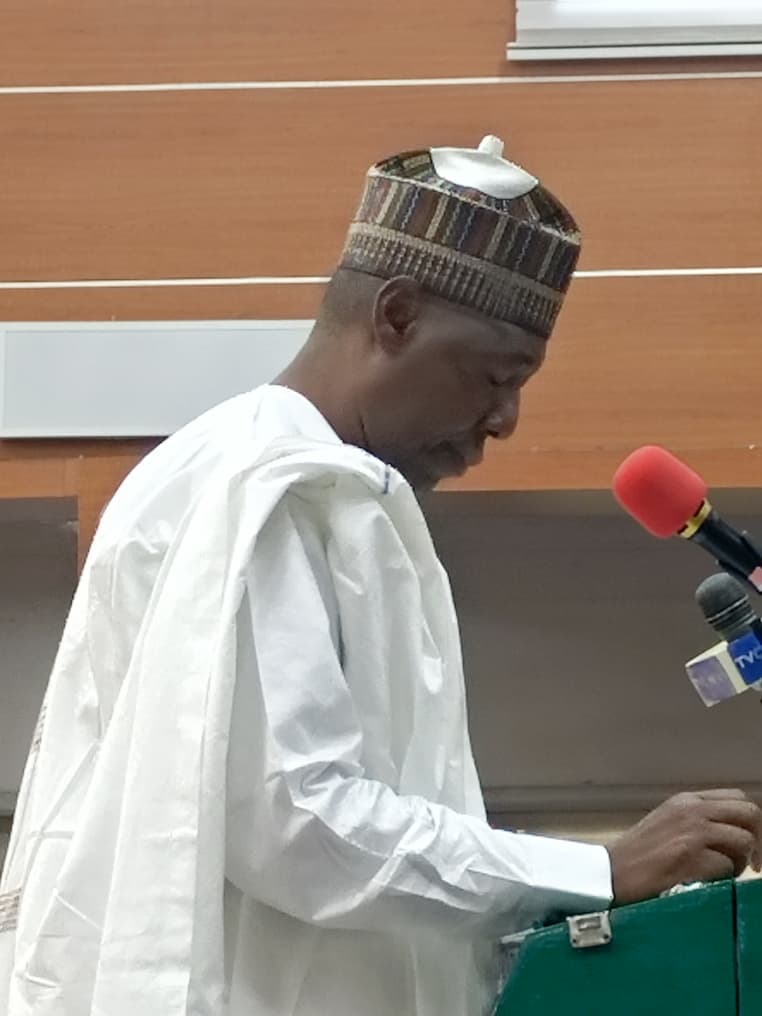
Borno State Governor, Professor Babagana Umara Zulum, on Monday presented a proposed ₦899.33 billion budget for the 2026 fiscal year to the Borno State House of Assembly, with the education sector emerging as the highest funded single sector, receiving ₦135.43 billion.

The budget, tagged “Budget of Sustained Recovery and Growth,” allocates over 61 per cent to capital expenditure, amounting to ₦536.56 billion, while recurrent expenditure stands at ₦353.77 billion, representing about 39 per cent of the total estimates.

Addressing lawmakers during the presentation, Governor Zulum explained that the structure of the budget reflects his administration’s focus on long term development, infrastructure renewal and the consolidation of post insurgency recovery efforts across the state.

According to the governor, the allocation to the education sector will be deployed for the construction of new schools, rehabilitation of facilities damaged by insurgency, recruitment of teachers and the implementation of scholarship programmes across Borno State.

The works and housing sector followed with an allocation of ₦94.27 billion, earmarked for the construction and rehabilitation of urban and rural roads, bridge projects and housing schemes for residents and civil servants.

The health sector received ₦66.41 billion to support the completion and equipping of ongoing hospital projects, as well as the procurement of essential drugs and medical supplies.

Other key allocations include ₦58.71 billion for the Ministry of Reconstruction, Rehabilitation and Resettlement, critical to the resettlement of internally displaced persons; ₦44.95 billion for agriculture to boost food security and farmer support; ₦21.35 billion for water resources; and funding for the Ministry of Information and Internal Security to consolidate security gains and expand operational capacity.

Governor Zulum projected total revenue of ₦317.69 billion from the Federation Account, ₦44.3 billion from Internally Generated Revenue and ₦417.23 billion from capital receipts, including grants, aid and the Capital Development Fund.

In his response, the Speaker of the House of Assembly, Abdulkarim Lawan, assured the governor of the legislature’s commitment to a thorough and timely review of the budget, pledging that it would be scrutinised to ensure alignment with the state’s development priorities before passage.

China Reaffirms Support for Somalia’s Sovereignty

0

China reaffirmed its support for the sovereignty, unity, and territorial integrity of the Somalia. While it opposed any attempt to split territories in the East African country, foreign ministry said on Monday.

“No country should encourage or support other countries’ internal separatist forces for its own selfish interests,” ministry spokesperson Lin Jian told reporters at a regular press conference, urging authorities in Somaliland to stop “separatist activities and collusion with external forces.”

Israel became the first country on Friday to formally recognise the self-declared Republic of Somaliland as an independent and sovereign state, seeking immediate cooperation with Somaliland in agriculture, health, technology, and the economy.

Somaliland has enjoyed effective autonomy – and relative peace and stability – since 1991, when Somalia descended into civil war, the breakaway region has failed to receive recognition from any other country.

Israel said on Friday that it would seek immediate cooperation with Somaliland in agriculture, health, technology, and the economy.

Somalia condemned the move as an “unlawful step” and a “deliberate attack”on its sovereignty.

South Africa’s foreign affairs ministry on Monday urged the international community to “reject this external interference and support a united, stable Somalia.”

Reuters

Gambari Charges Academics to Shape Governance Beyond Classroom

0

Former Chief of Staff to the President, Professor Ibrahim Gambari, has charged Nigerian academics to rise beyond the confines of the classroom and play a more assertive role in shaping governance, policy formulation and national stability.

He  warned that silence or disengagement could worsen democratic and institutional decline.

Gambari gave the charge over the weekend while delivering a lecture titled “Roles and Responsibilities of Academia in Good Governance” at the Annual Meeting of the Association of Ilorin Emirate Professors, attended by scholars, public intellectuals and senior citizens in Ilorin, Kwara State, North Central geopolitical zone.

Drawing from his experience as an academic, diplomat, former Minister of Foreign Affairs, Nigeria’s Permanent Representative to the United Nations and Chief of Staff to late President Buhari, Gambari said governance outcomes are closely tied to how effectively knowledge institutions engage power, noting that academia and government exist in a “mutually reinforcing ecosystem” .

He said, “I have seen up-close where government works and where it fails. In both instances, academia had a role to play in the final outcome,” stressing that scholars must see themselves as custodians of truth, fairness and societal conscience .

Professor Gambari urged scholars to caution the political leaders that power is easily lost when it is not shared, warning governments at all levels against taking communities for granted.

He cited Kwara’s political history as evidence, recalling how the ruling establishment in the old Ilorin Province lost control in 1957 to the Ilorin Talaka Parapọ̀ through democratic elections, the defeat of Governor Adamu Atta in 1983, and the 2019 “O to gẹ” movement that swept the opposition APC to victory across state, national, gubernatorial, and presidential polls.

Gambari also warned that Nigeria’s youthful population, growing social pressures and governance deficits require a new approach from universities and research institutions, particularly in evidence-based policymaking, civic engagement and capacity building.

He identified key areas where academia must intervene, including policy testing, legislative research, public sector training, institutional reforms, anti-corruption frameworks, digital governance, crisis management and climate resilience .

According to him, old methods of engagement are no longer effective in a society driven by technology, bold youth activism and rapid political change, insisting that academics must maintain independence while “speaking truth to power” .

He further outlined core governance values such as ethics, transparency, accountability, rule of law, participation, equity, efficiency and sustainability, arguing that governance becomes legitimate only when these principles are visible and measurable to citizens .

Placing Nigeria’s governance struggle within a broader international framework, Gambari said today’s world is marked by geopolitical instability, technological disruption, climate change and resurging nationalism, all of which place governments under pressure to make difficult choices with scarce resources.

He noted that globally, successful democracies rely heavily on academic institutions for policy clarity, data-driven decisions and ethical guidance, urging Nigerian scholars to adopt similar roles to prevent social breakdown and distrust in public institutions .

Gambari also called for stronger interdisciplinary collaboration across sciences, humanities, social sciences and technology, arguing that modern governance challenges are too complex for single-discipline solutions .
He urged Nigerian academics to leave their “ivory towers” and engage the public through constructive dialogue, while remaining vigilant against political compromise and loss of intellectual integrity.

“When this ecosystem between academia and governance is in balance, we see policy effectiveness, democratic accountability and social development. When it is not, the result is chaos, distrust and societal breakdown,” he warned .

The lecture concluded with a call for sustained scholarly engagement at both national and international levels to strengthen governance systems and restore public trust in leadership.

Nasarawa Governor Assents To N545 Billion 2026 Budget

0

Nasarawa State Governor, Abdullahi Sule, has signed into law the 2026 fiscal appropriation bill totaling N545,182,100,910.77 (Five hundred and forty five billion, one hundred and eighty two million, one hundred thousand, nine hundred and ten naira, seventy seven kobo), as passed by the State House of Assembly.

The Governor signed the 2026 budget into law during a brief ceremony held at the Conference Hall of the Government House in Lafia, the state capital.

In attendance were the Speaker of the Nasarawa State House of Assembly, Danladi Jatau, principal officers and members of the House, the Emir of Lafia, Rtd. Justice Sidi Bage Muhammad, other traditional rulers, and members of the State Executive Council.

Speaking at the event, Governor Sule, while assenting to the budget tagged “Budget of Strategic Consolidation,” commended the Speaker and members of the State Assembly for the speedy passage of the budget document.

He praised the synergy between the Executive and Legislative arms of government and called for its sustenance, assuring that the signing of the budget would usher in more people oriented projects, programmes and policies across the state.

The Governor further pledged effective implementation of the budget and strict adherence to its provisions. He also called on all stakeholders to contribute their best towards the realization of the dreams of the state’s founding fathers.

Earlier, the Speaker of the House, Danladi Jatau, described the day as significant in the history of Nasarawa State and reaffirmed the commitment of the House under his leadership to continue to champion initiatives that would benefit the state and its people.

“Today is a special day again in the history of Nasarawa State. Your Excellency will recall that on the 26th of last month, the 2026 budget was presented before the House and we promised to pass it before the year runs out, and we passed it on the 23rd of this month.

“The budget has passed through all legislative processes and committee exercises before being passed into law,” he said.

The Speaker also called for enhanced synergy and mutual support among the arms of government for the overall development of the state and the welfare of its citizens.

Meanwhile, the State Commissioner for Budget and Economic Planning, Hajiya Munirat Abdullahi, presented an overview of the 2026 budget and its breakdown.

It would be recalled that the Nasarawa State House of Assembly increased the 2026 budget by N27.6 billion from the initial N517.5 billion presented by Governor Sule, bringing the total budget size to N545.2 billion.

The total budget for Nasarawa State for the 2026 fiscal year, as signed into law by Governor Abdullahi Sule, stands at N545,182,100,910.14 only.

According to the breakdown, capital expenditure is pegged at N316,265,270,661.07 billion, while recurrent expenditure stands at N228,717,880,249.07 billion respectively.

Proactive Measures Key to Pandemic Prevention – Expert

0

The Director of Pandemic Threats at the Foundation for Innovative New Diagnostics (FIND), Dr Emmanuel Agogo, says the next pandemic need not become a global crisis if countries strengthen proactive systems.

Agogo, in an interview in Abuja on Monday, added that consistent investment in resilient health structures was essential to prevent future outbreaks from escalating into worldwide emergencies.

He said the International Day of Pandemic Proactiveness, observed on Dec. 27, underscored lessons from past outbreaks showing that resilience depended on strong services and collaboration.

Agogo said strengthening primary healthcare was vital for early detection and response, urging countries to expand and rethink health workforces, including public health professionals, field epidemiologists, and other critical frontline cadres.

Read Also: Don’t delay reforms to prepare for next pandemic -WHO Boss

He referenced Nigeria’s responses to Mpox, COVID-19, and Lassa fever, saying strong public health institutions matter, with the Nigeria Centre for Disease Control and Prevention (NCDC) laying foundations for operational readiness before emergencies strike nationwide.

According to Agogo, Joint External Evaluations under International Health Regulations confirm preparedness succeeds when systems are operationally ready before outbreaks, alongside biosecurity, rapid public protection, and functional national laboratories capacity coordination.

He highlighted innovation, diagnostics, and the 7-1-7 target for detection, notification, and response while urging unified global agreements to ensure equity, accountability, and continued progress from predicting threats to prevention worldwide.

The United Nations-established International Day of Pandemic Preparedness underscores proactive action, reminding governments pandemics can be mitigated through strong systems, trained workers, collaboration, and early warning measures before crises escalate globally.


NAN

Zimbabwe to Upgrade Power Grid with 400 Megawatts

0

Zimbabwe will add 400 megawatts to its power grid, a fifth of the country’s current electricity demand, under a $455 million upgrade of its Hwange coal-fired power plant, the head of state-owned power utility ZESA said.

The southern African country has signed a 15-year concession deal with the Africa-focused unit of India’s Jindal Steel (JINT.NS) for the refurbishment of some of the thermal power plant’s ageing units.

The deal, which was approved by Zimbabwe’s cabinet on September 17, was finalised and signed in December, ZESA’s acting CEO Cletus Nyachowe said in an update on Monday.

The 15-year agreement with Jindal will lead to enhanced power generation, which will add 400 MW to our output within the next 48 months,” Nyachowe said.

“Rehabilitation work is set to commence in the first quarter of 2026,” he added.

Zimbabwe currently meets only half of its 2,000 MW electricity demand and experiences extended power cuts due to diminishing capacity at its power plants.

The 1,520 MW Hwange plant, the country’s largest, was upgraded in 2023 with the commissioning of two units adding 600 MW. But older units built in the 1980s are operating at a third of their capacity due to breakdowns.

The Kariba hydropower station, built in the 1960s, completed a 300 MW upgrade in 2018, which boosted its capacity to 1,050 MW. But its generation capacity has also dipped in recent years because of climate change-induced droughts.

Reuters

Anthony Joshua Injured in Auto Crash

0

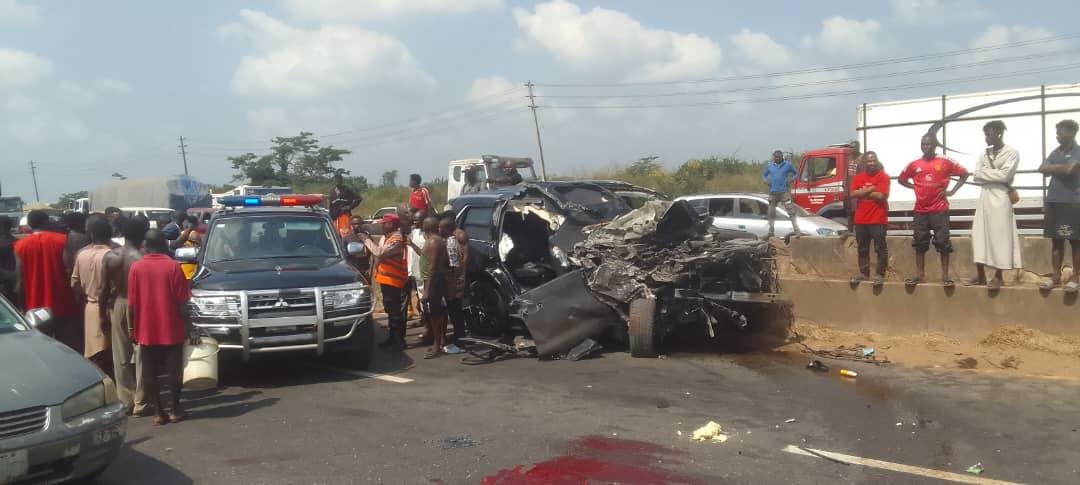
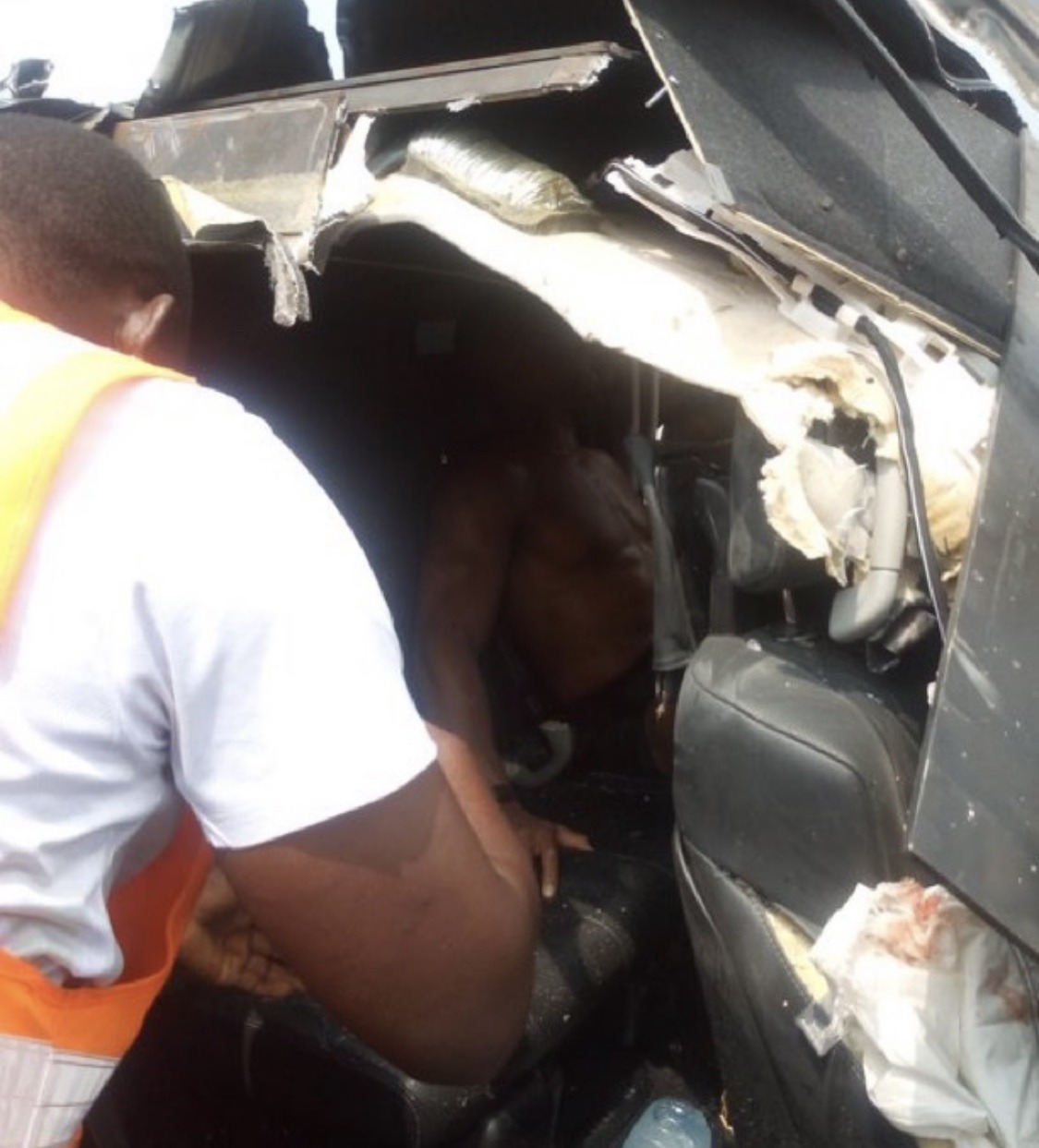
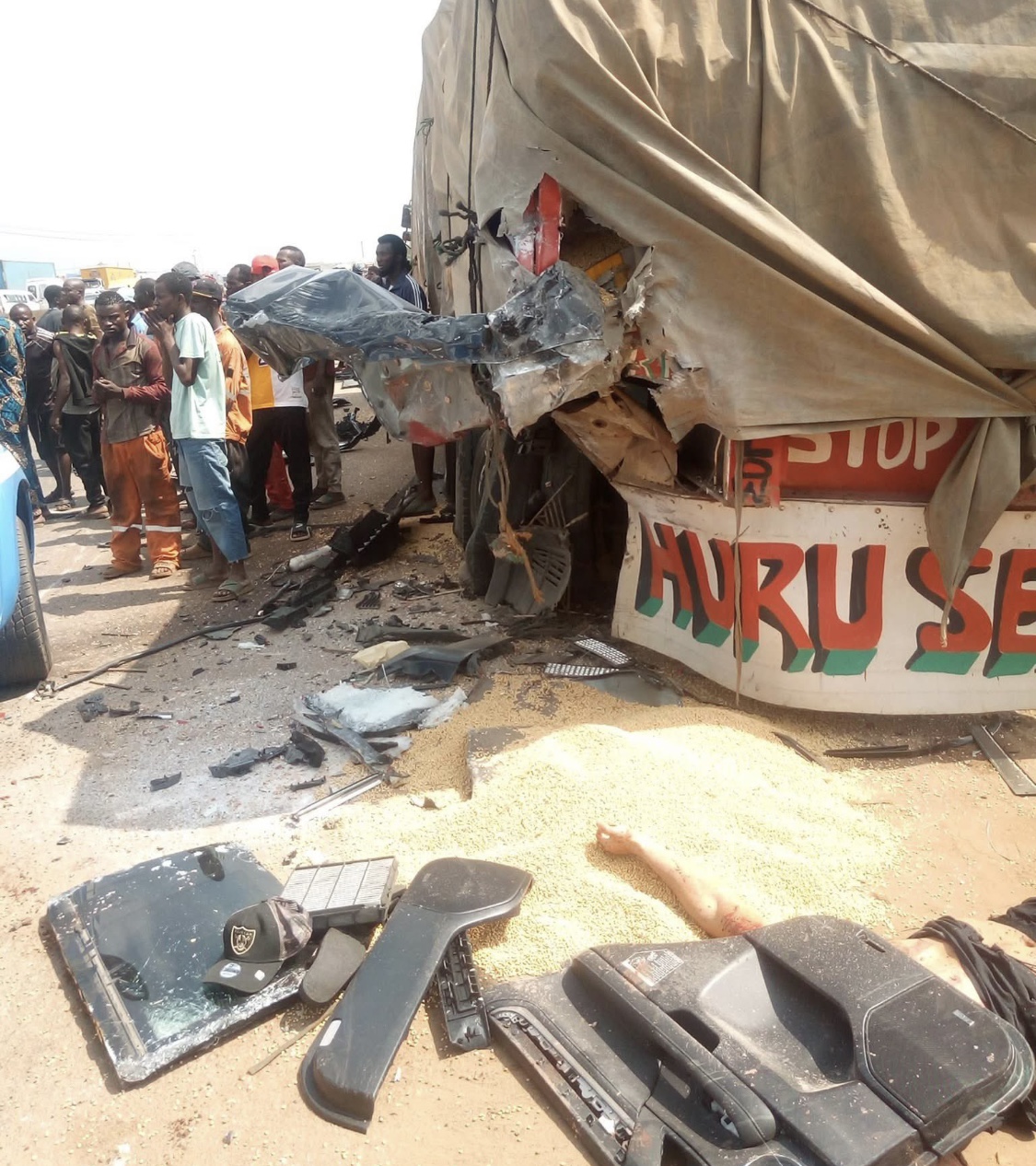
Two-time world heavyweight boxing champion Anthony Joshua was injured on Monday, 29 December 2025, in a fatal road traffic crash involving two vehicles along the Lagos–Ibadan Expressway, southwest Nigeria.

The accident occurred at the busy highway and involved five occupants.

According to the Federal Road Safety Corps, two people lost their lives, while Joshua sustained injuries. Two others escaped unharmed.

Rescue operations were carried out by the Federal Road Safety Corps in collaboration with the Nigeria Police Force.

Joshua, who reportedly sustained non-life-threatening injuries, was promptly evacuated by security operatives attached to him and taken to an undisclosed hospital for medical attention.

The bodies of the two deceased victims have been transferred to a morgue.

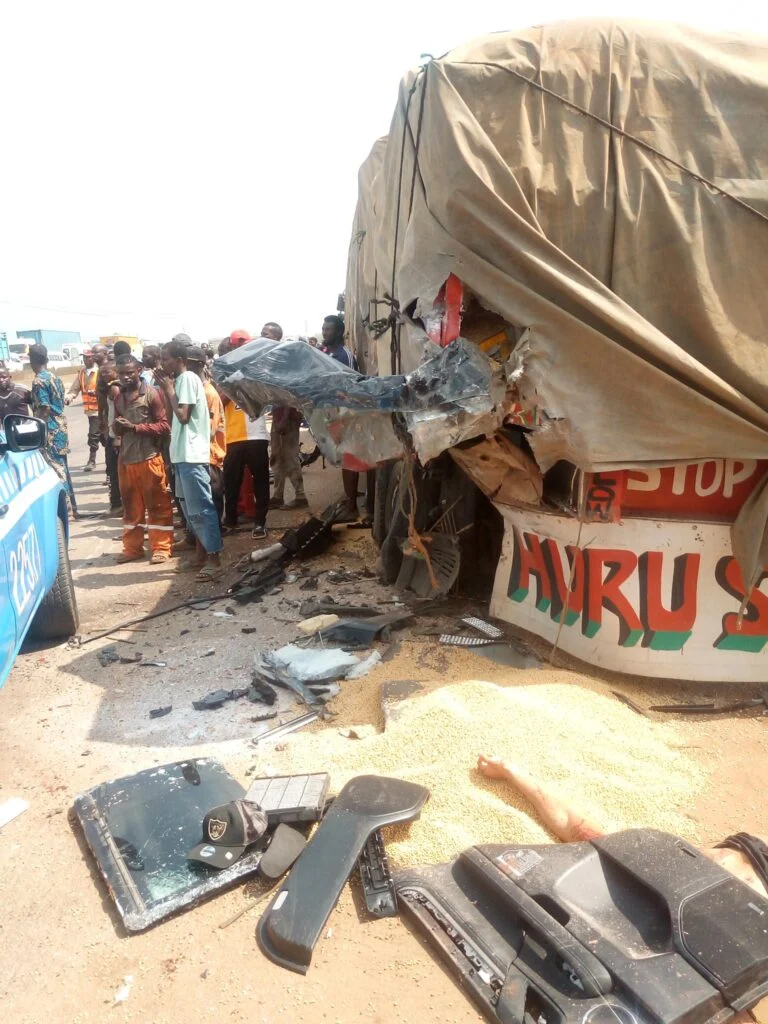
Preliminary investigations by the Road Safety Corps indicate that the crash was caused by excessive speed and wrongful overtaking from the right-hand side, resulting in a collision with a stationary vehicle.

The accident scene

The Sector Commander in Ogun State, Corps Commander Akinwumi Fasakin, has ordered a comprehensive investigation into the incident to determine the full circumstances surrounding the crash.

Authorities have renewed calls for motorists to exercise caution, obey speed limits, and adhere strictly to traffic regulations, particularly on major highways, to reduce the risk of fatal accidents.


Egyptian-British Activist Apologises for Hurtful Social Media Posts

0

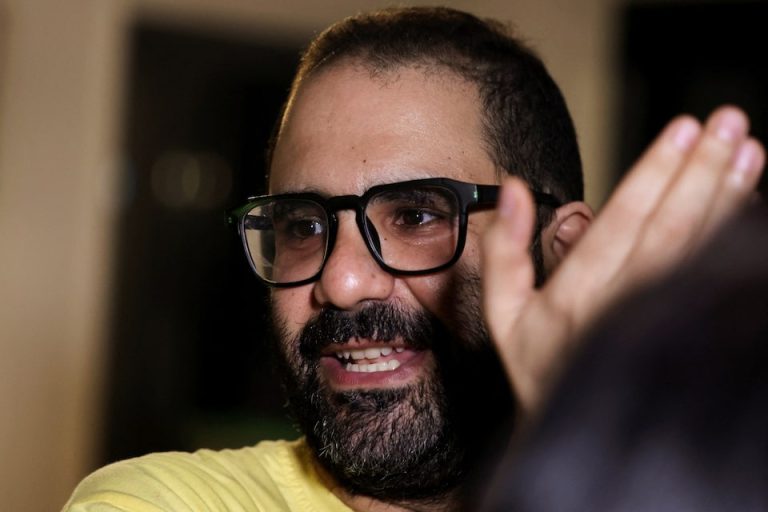
Egyptian-British Activist Alaa Abd el-Fattah, freed from prison in Egypt and now in Britain on Monday, apologised for his “shocking and hurtful” social media posts made more than a decade ago.

Abd el-Fattah, 44, became Egypt’s most prominent political prisoner after spending much of his adult life in and out of detention due to his activism and was a rare symbol of opposition during a far-reaching crackdown under President Abdel Fattah al-Sisi.

He arrived in Britain on Dec. 26, after obtaining British citizenship in 2021 through his mother, with British Prime Minister Keir Starmer saying he was “delighted” by the news.

In the following days, British newspapers ran stories about posts made by Fattah on the former Twitter platform between 2008 and 2014, seen by Reuters, which endorsed violence against “Zionists” and police.

In a statement, Abd el-Fattah said many of his tweets had been misunderstood but that others were unacceptable.

Looking at the tweets now, the ones that were not completely twisted out of their meaning – I do understand how shocking and hurtful they are, and for that, I unequivocally apologise.

They were mostly expressions of a young man’s anger and frustrations in a time of regional crises the wars on Iraq, on Lebanon and Gaza and the rise of police brutality against Egyptian youth,’’ Fattah said.

Nigel Farage, leader of the right-wing Reform UK party that currently tops opinion polls, called for Abd el-Fattah’s deportation from Britain.

Kemi Badenoch, the leader of the opposition Conservative Party, said the country should consider it.

The Board of Deputies of British Jews said his posts were of “profound concern” and showed a lack of due diligence among British authorities.

Britain’s foreign office said it condemned Abd el-Fattah’s historic tweets and called them “abhorrent,” in a statement published on Sunday.

Abd el-Fattah was most recently serving a five-year sentence in Egypt imposed in Dec. 2021, after he shared a social media post about a prisoner’s death.


Reuters/Shakirat Sadiq

NIRSAL Facilitates ₦100 Billion Credit Guarantees for Agriculture

0

The Nigerian Incentive-Based Risk Sharing System for Agricultural Lending (NIRSAL) Plc said it facilitated over ₦100 billion in approved credit guarantees for loans and investments across Nigeria’s agriculture and agribusiness value chains.

NIRSAL PLC in a statement said the record was its highest annual performance since inception.

This milestone, NIRSAL’s highest annual finance facilitated to date, demonstrates the institution’s continued success in de-risking agricultural value chains, improving access to finance for agribusinesses, strengthening lender confidence in Nigeria’s agriculture sector, and deepening financial inclusion.”

In recognition of its impact, NIRSAL was named MSME Agrifinance Enabler of the Year at the 2nd Edition of the MSME Finance & CEO Awards, held in Lagos, South West Nigeria.

The event celebrated institutions driving innovation, resilience, and growth within Nigeria’s MSME ecosystem.

Speaking at the ceremony, NIRSAL’s Managing Director and Chief Executive Officer, Sa’ad Hamidu, said the record performance reflects the effectiveness of structured risk-sharing models and strong collaboration with financial institutions.

This achievement underscores the power of partnerships and the resilience of Nigeria’s agribusiness entrepreneurs,” Hamidu said.

Represented by Akinola Baiyewu, the Regional Head, South Business Development Group, the MD stressed that NIRSAL’s focus remains on impact rather than accolades.

We are not chasing awards. Our priority is to attract partners across the agrifinance value chain by demonstrating that agriculture in Nigeria can be a safe, profitable, and sustainable investment,” he said.

NIRSAL’s partnerships with commercial banks and other lenders supported financing across critical segments of the agricultural value chain, including primary production, agro-processing, input supply, commodity export, storage, warehousing, and logistics.

Beyond finance, the institution’s technical assistance programmes—covering field monitoring, project mapping, farmer onboarding, and capacity building—have continued to unlock opportunities for agribusinesses and smallholder farmers alike.

According to NIRSAL, while capital to transform Nigeria’s agriculture sector exists, risk perception has historically limited lending. The ₦100 billion credit guarantee milestone represents a decisive shift from hesitation to confidence.

Banks Scale Up Agro Portfolios

Financial institutions are increasingly relying on NIRSAL’s credit risk guarantees and value-chain risk management tools to scale up their on-balance-sheet agricultural portfolios, optimise capital deployment, and meet both commercial and development objectives.

To date, NIRSAL has executed 41 master agreements with counterparties committed to jointly financing agriculture and agribusiness nationwide, reflecting deeper acceptance of its finance facilitation model.

Strengthening its strategic outlook, NIRSAL has also expanded its role in mobilising alternative finance. As a Delivery Partner to the Green Climate Fund (GCF) for climate finance readiness, the institution is implementing nationwide capacity development programmes, positioning Nigeria to attract significant climate finance inflows.

Drawing from lessons learned in past smallholder financing initiatives, NIRSAL has refined its programme management offerings for sub-national governments, private investors, and cooperative-led production clusters. Enhanced protocols now include geo-mapping, soil testing, mechanisation support, and climate-smart production practices to improve productivity and resilience.

As it looks ahead to 2026, NIRSAL reaffirmed its commitment to expanding finance facilitation, supporting climate-smart agriculture, and strengthening the competitiveness of Nigeria’s agribusiness ecosystem.

Our journey is far from over—indeed, it is only just beginning.

“We will continue to innovate, deepen partnerships, and scale solutions that unlock finance and reduce risks across Nigeria’s agriculture sector,” Hamidu said.

With momentum building and lender confidence rising, NIRSAL’s record ₦100 billion facilitation in 2025 may well signal a new era for agricultural finance in Nigeria.

Boxing Star Anthony Joshua Survives Road Accident In Nigeria

0

British Nigerian boxer, Anthony Joshua, was involved in a road accident on Monday at Makun area of Ogun State, along Nigeria’s Lagos-Ibadan Expressway.

Joshua sustained injuries while two people died in the accident. It was also gathered that the vehicle conveying Joshua, a Lexus Jeep with registration number KRD 850 HN, collided with a stationary truck.

Public Education Officer of the Federal Road Safety Corps (FRSC) in Ogun State, Afolabi Odunsi, confirmed the incident in a statement in Abeokuta on Monday.

Odunsi explained that the incident occurred at 12pm (WAT) involving two vehicles, adding that the Sagamu unit of the FRSC rescue team were at the scene as soon as they were informed.

The FRSC spokesperson attributed the accident to excessive speeding and wrongful overtaking, explaining that the driver overtook from the right-hand side and rammed into a stationary vehicle.

“Five people were involved; one injured, two were unhurt while two were killed in the crash,” he said. “However it was discovered that Anthony Joshua was involved but he only sustained injury.”

“And was taken to an undisclosed hospital by the security officers attached to him. The bodies of the two killed has since been taken to the morgue and obstructions have been cleared.” 

The Ogun Police Command also confirmed the incident through its Public Relations Officer, DSP, Oluseyi Babaseyi.

Babaseyi explained that the deceased had been deposited at Livewell Hospital Morgue, Sagamu.