Home Blog Page 618

Project Distribution: Presidency Counters Kwankwaso’s Criticism

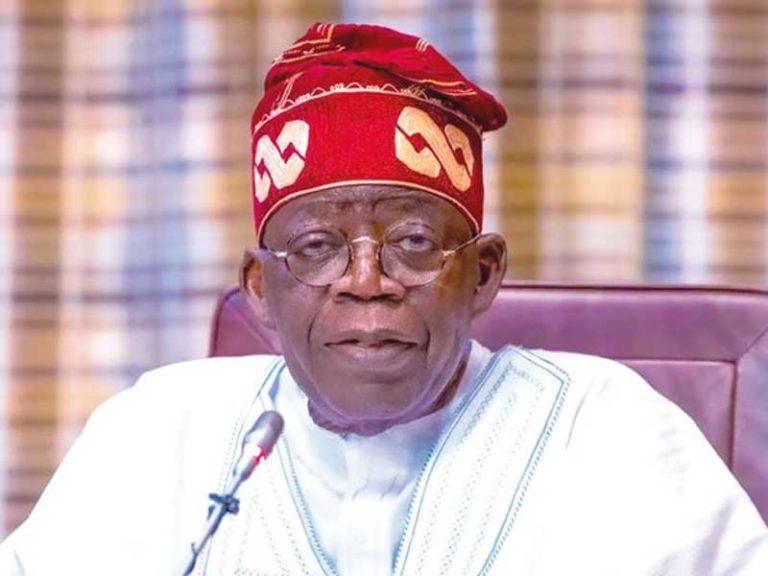
The Presidency has countered recent allegations by former Kano State governor and 2023 NNPP presidential candidate, Senator Rabiu Musa Kwankwaso, that President Bola Ahmed Tinubu’s administration is focusing federal projects in the South while neglecting the North.

In a swift response, the Presidency emphasised that Northern Nigeria continues to benefit from numerous ongoing federal projects across critical sectors, including major road infrastructure like the Abuja–Kaduna–Kano Expressway, Sokoto–Badagry Superhighway, and the Kano–Maiduguri Dual Carriageway, as well as significant investments in healthcare, agriculture, energy, and rail development.

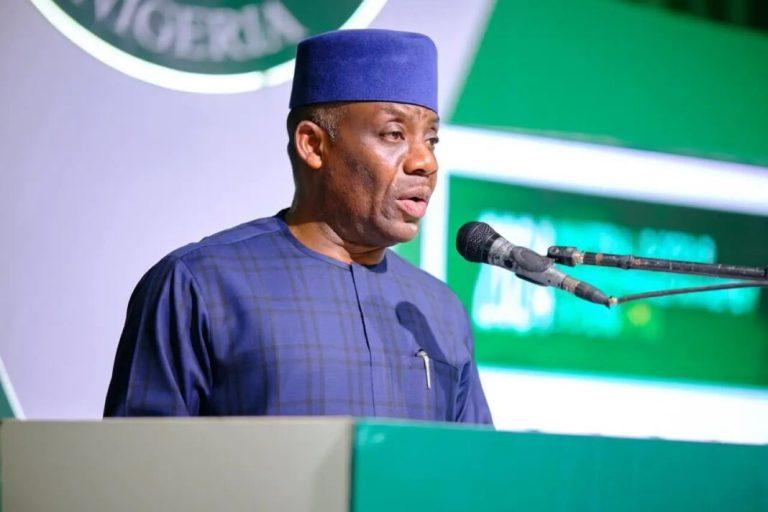
The Special Adviser to the President on Media and Public Communication, Sunday Dare, described Kwankwaso’s claims as incorrect and misleading, affirming that the Tinubu led administration has the North “well covered” and is committed to balanced regional development.

In a detailed post on his verified X handle, Special Adviser to the President on Media and Public Communication, Mr. Sunday Dare, described the allegations as “wrong,” stressing that Northern Nigeria has benefitted from an expansive slate of federal projects under President Tinubu’s administration across sectors such as roads, rail, energy, health, agriculture, and education.

Senator Kwankwaso. You are wrong. North not neglected. President Tinubu has the North covered,” Mr. Dare stated in the Friday post, which was  accompanied by a comprehensive list of ongoing and completed projects across the northern geopolitical zones.

The Presidential aide outlined infrastructure efforts, he listed major expressways including the Abuja-Kaduna-Kano expressway; Sokoto-Zamfara-Katsina expressway; and sections of the Sokoto-Badagry superhighway.

Several roads linking key northern towns — such as Zaria, Funtua, Gusau, Sokoto, Maiduguri, Lafia, and Gaya — are either under construction or undergoing rehabilitation.

In the agriculture sector, Mr. Dare identified programmes such as the $158.15 million Agriculture Value Chain Programme targeting nine northern states, the Kolmani Integrated Development Project in Bauchi and Gombe, and the Agro-Climatic Resilience in Semi-Arid Landscapes (ACReSAL), a World Bank–backed environmental initiative.

He also referenced the revitalization of irrigation schemes like the Kano River Project, which was commissioned in 2023 and is fully operational under the Tinubu administration.

The health sector also featured in the refutal, with Mr Dare naming teaching hospitals and diagnostic centres in Zaria, Jos, Katsina, Sokoto, Ilorin, Bauchi, and Yobe, among others.

According to him, more than 1,000 primary health centres across the North are also being reinvigorated as part of the Renewed Hope Agenda.

On energy and gas infrastructure, the statement underscored the 614km Ajaokuta-Kaduna-Kano (AKK) Gas Pipeline, the Gwagwalada Power Plant in the FCT, and the proposed 50MW ABIBA Solar Power Station in Kaduna State.

Major rail projects such as the 203km Kaduna–Kano rail line, the 285km Kano–Maradi railway, and a ₦100 billion allocation for a Kaduna Light Rail System were also presented as evidence of federal investment in northern transportation.

Also listed were the ongoing rehabilitation of the Abuja Metro Line and development of inland trade infrastructure through the Trans-Sahara Trade Corridor linking Calabar through Nasarawa and the North.

The Presidential aide further pointed to national programmes and institutions like the reinvigorated National Agency for the Great Green Wall and the Nigeria Erosion and Watershed Management Project (NEWMAP), both of which are focused on environmental challenges peculiar to the North.

These are just samplers — tangible evidence of a government actively developing all regions without bias,” the presidential aide said.

Mr. Dare concluded the response by stating that all the mentioned projects were either initiated or made substantial progress within the first two years of President Tinubu’s administration.


President Tinubu Mourns Emir Of Gusau

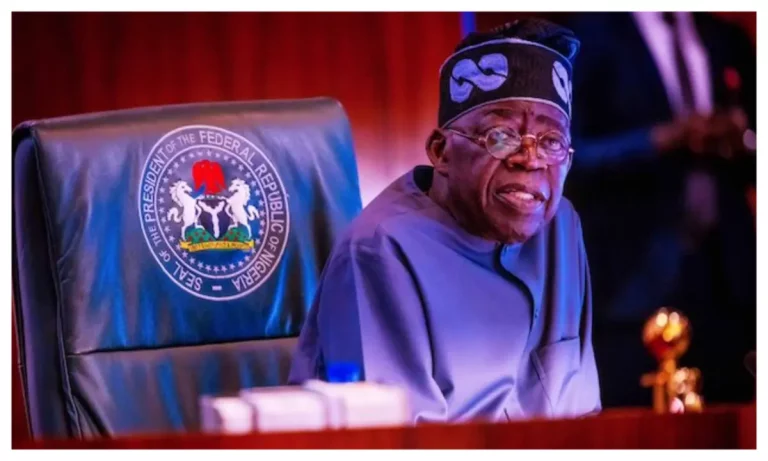
President Bola Ahmed Tinubu has expressed grief over the passing of Dr Ibrahim Bello, the Sarkin Katsina and Emir (traditional Leader) of Gusau in Zamfara State.
In a statement issued by the Presidential Spokesperson, Mr Bayo Onanuga, the President said the late emir would be remembered for his sense of duty, commitment to his people and exemplary leadership.
President Tinubu described the traditional ruler’s death as a collective loss beyond his immediate domain, citing his lifelong service at different levels.
The President extended his commiseration to the government, the people of Zamfara State, and the family of the late monarch. He prays for Allah’s mercy on the soul of the departed emir.
Dr Ibrahim Bello, the Sarkin Katsinan and Emir of Gusau died on Friday morning in Abuja, aged 71.
Hauwa Abu

Katsina Reaffirms Commitment To Polio Eradication

0

The Katsina State Government has reiterated its commitment to eradicating polio and enhancing Immunisation and primary healthcare delivery across the state.

Governor Dikko Umar Radda made the pledge on Friday during a two-day stakeholders’ engagement meeting held in Kaduna. The event was organised by the Katsina State Primary Healthcare Agency in collaboration with UNICEF.

The event brought together Local Government Areas chairmen, district heads, and health secretaries to discuss strategies for improving Immunisation, enhancing accountability in polio response, and bolstering the primary healthcare system.

READ MORE:Health Groups Push Polio Eradication In Sokoto

Represented by his deputy, Umar Jobe, who also chairs the Katsina State Committee on Polio Eradication, Radda reiterated his administration’s dedication to leading polio awareness campaigns, mobilising emergency resources, and engaging communities to reduce non-compliance.

He stressed the importance of ensuring that every child in Katsina received life-saving vaccines.

“Healthcare remains a critical pillar of our administration. In the past two years, we’ve invested over N60 billion in the health sector.

“Our ‘One Functional PHC per Ward’ strategy is progressing steadily, with 260 healthcare centres completed and more undergoing revitalisation.

“These centres are equipped with solar power, clean water, perimeter fencing, and tricycle ambulances for accessibility,” he stated.

The governor also highlighted recent upgrades in comprehensive healthcare services, including a new dialysis centre and an advanced imaging facility to improve diagnosis and treatment.

Dr Shamsudeen Yahaya, Executive Secretary of the Katsina State Primary Healthcare Agency, outlined the meeting’s goals, which included halting the spread of mutant poliovirus, strengthening routine immunisation, and reinforcing healthcare interventions.

He noted the remarkable progress made in the last two years and pledged to continue working with partners to safeguard public health.

Rabo Tambaya, Deputy Chairman of the Katsina State chapter of ALGON, thanked UNICEF and the World Health Organisation for their support and stressed the importance of partnership in addressing maternal and infant mortality.

He also raised concern about the high rate of malnutrition in Nigeria, calling for urgent action to improve child nutrition as a foundation for tackling broader health issues.

UNICEF’s Chief of Kano Field Office, Mr Mohammed Farah, lauded stakeholders for their efforts in combating polio and urged continued focus on improving routine immunisation.

He emphasised the challenge of reaching nomadic populations and reiterated UNICEF’s commitment to deploying innovative strategies to strengthen primary healthcare delivery and promote vaccine acceptance.

Nigerian Government to Unveil STEMM Student Venture Grant

0

The Nigerian Government is set to unveil the Sciences, Technology, Engineering, Mathematics and Medical Sciences Student Venture Capital Grant (S-VCG), a pioneering initiative aimed at empowering tertiary students to build scalable, job-creating ventures.

Also known as the “STEMM Up Grant”, the programme will be formally launched in August by the Minister of Education, Maruf Tunji Alausa.

Director of Press at the Ministry, Boriowo Folashade, said the Minister disclosed the plan during a stakeholder engagement session held in Abuja. The forum brought together Vice Chancellors, Provosts, Rectors, student leaders, academic staff, and development partners to map a path for student-led innovation.

“S-VCG is not just a grant. It’s a launchpad for bold, young innovators to lead Nigeria’s industrial and technological transformation. We are giving our students the tools to dream, build, and scale solutions that solve real-world problems — from tech and medicine to agriculture and green energy,” Dr. Alausa stated.

He said the initiative targets full-time undergraduate students in STEMM fields—Science, Technology, Engineering, Mathematics, and Medical Sciences—specifically those in their 300 level and above.

“Each selected student-led project will be eligible to receive startup funding of up to ₦50 million, along with access to mentorship, incubation services, and business development support. The initiative will be implemented in partnership with the Bank of Industry to ensure financial transparency, impact measurement, and effective project execution,” he added.

Speaking at the session, Minister of State for Education, Professor Suwaiba Sa’id Ahmad, described the grant as a strategic investment in Nigeria’s knowledge economy.

“We’re building a stronger, more competitive future by supporting innovation from the ground up,” she said, adding that the programme design followed months of consultation with students, faculty, and institutional leaders.

She said the S-VCG launch aligns with President Bola Ahmed Tinubu’s Renewed Hope Agenda, which prioritises inclusive education, youth empowerment, and sustainable economic development.

Participants at the session welcomed the STEMM Up Grant as a timely, high-impact initiative that could drive youth innovation, reduce graduate unemployment, and position Nigeria as a hub for student-led entrepreneurship in Africa.

The Ministry reaffirmed its commitment to an inclusive rollout and robust monitoring to ensure that the initiative delivers measurable and lasting impact across Nigeria’s higher education institutions.

PIAK

Plateau Government Reaffirms Commitment to Peace, Investment

Governor Caleb Mutfwang of Plateau State has reaffirmed his administration’s commitment to fostering peace and creating an enabling environment for economic growth and sustainable development.

This commitment was reiterated during a visit by a high-level delegation from the European Union (EU) and Search for Common Ground, who met with representatives of the Plateau State Government to explore partnershikp opportunities in peacebuilding and development.

Speaking on behalf of the governor, Joyce Ramnap, Commissioner for Information and Communication, stated that Plateau is ready to engage with global partners in advancing peace and sustainable development initiatives.

“Our government is working tirelessly to revamp critical sectors of the state’s economy and create one of the most peaceful and business-friendly environments in Nigeria,” Ramnap said.

She highlighted key government initiatives such as the Plateau State Advisory Council on Inter-religious harmony, the Peacebuilding Agency, and Operation Rainbow as proof of the administration’s commitment to long-term peace and security.

The EU delegation was led by Mr. Ruben Alba (EU Team Lead), alongside Ms. Winifred Achu (EU Program Manager), and officials from Search for Common Ground. The Acting Country Director of Search for Common Ground, Ms. Gift Omoniwa, explained that the visit was to evaluate the EU-funded IRENEW project, which has played a significant role in promoting interfaith harmony and youth engagement across Plateau’s 17 Local Government Areas.

The delegation expressed interest in expanding collaboration, particularly in areas of peacebuilding and early conflict response systems. Mr. Alba assured the Plateau State Government of the EU’s commitment to supporting the development of key sectors such as agriculture, ICT, and infrastructure.

In a related development, the state also welcomed a delegation from the United States, led by Ambassador Dr. Linda Kaleidoscope, to Government House in Little Rayfield, Jos.

The visit, under the banner “Dream Plateau, Change Plateau”, focused on identifying investment opportunities in agriculture, education, tourism, and programs targeted at women and children.

Hon. Ramnap expressed appreciation to the U.S. delegation for choosing Plateau State as a partner, emphasizing that the administration of Governor Mutfwang is open to meaningful investments that deliver democratic dividends, innovation, and sustainable growth.

The state government reaffirmed its commitment to creating a stable, inclusive, and investor-friendly environment to drive sustainable development and improve the lives of Plateau citizens.

Key Government Officials in Attendance
Several top government officials attended the high-level meeting.


Hauwa Abu

Don Advocates AI Integration into Agricultural Subsidies, Extension Schemes 

A professor of Theriogenology and Production, University of Ilorin, Lukman Raji, has called for the integration of Artificial Intelligence (AI) into agricultural subsidies and extension schemes.

Raji made the call on Friday in Ilorin during the institution’s 287th Inaugural Lecture with the theme: “Theriogenologist’s Account; Insight into Gender Effects in Veterinary Reproduction”.

Theriogenology is the science of animal reproduction, a symphony of biological insight, technological intervention and philosophical inquiry into the nature of continuity in animal life.

The don called on governments to offer subsidised AI services to rural farmers, using proven extenders (honey-based, skim milk) and synchronised ovulation protocols.

READ ALSO:Experts Advocate Sustainable Agriculture Practice in Nigeria

The professor said that subsidised AI improved calving/kidding rates and reduced the risk of sexually transmitted diseases, such as trichomoniasis and brucellosis.

“To understand Theriogenology is to appreciate the seamless interplay between anatomy and purpose, hormones and heritage, instinct and intervention.

“It is not simply the delivery of calves, foals, kids and piglets, it is the conscious orchestration of reproductive health, breeding soundness, fertility control and technological advancement.

“This is in both domestic and increasingly wild animal populations and ultimately human well-being and survival.

“The field encompasses three major pillars; the first one, Veterinary Andrology, which deals with the diagnosis, treatment and prevention of the diseases, disorders and injuries of the reproductive tracts of male animals.

“The second pillar; Veterinary Gynecology, is majorly concerned with the diagnosis, treatment and prevention of the diseases, disorders and injuries of the reproductive tract of female animals.

“Veterinary Obstetrics as the third pillar, deals with medical manipulations and surgical care of the female animals during breeding, gestation, labour, purperium and neonatal periods, involving udder health and care,” he said.

Raji, who said theriogenology was far more than an academic field, described it as a testament to how life was created, nurtured, challenged and renewed.

“Theriogenology has taught me that fertility is not just a matter of gametes and hormone, but a metaphor for hope, resilience and for continuity against the odds.

“Nigeria must position theriogenology as an academic discipline and a transformative tool for food security, public health and gender equity.

“Let this be our collective pledge to move knowledge from papers to paddocks, presentations to policies and classrooms to communities,” the don said.

IFAD Reaffirms Support for Youth in Nigeria’s Food Systems

The International Fund for Agricultural Development (IFAD) has reaffirmed its commitment to empowering Nigerian youth across the country’s food systems.

Speaking during the Future of Food Conference and the unveiling of the Youth in Food Systems Mapping Report in Abuja, IFAD Country Director, Dede Ekoue, emphasised the organisation’s dedication to youth empowerment in agriculture.

She highlighted IFAD’s commitment to working closely with federal and state institutions to mainstream youth participation across all aspects of the food system.

The conference, themed “Empowering the Future: Unleashing Youth Potential for Resilient and Sustainable Food Systems”, was organised by the National Food Systems Task Team.

READ ALSO:IFAD Commends Nigeria’s Commitment To Youth Empowerment

Ekoue stated that all ongoing Federal Government/IFAD-funded projects, including the Value Chain Development Programme (VCDP) and the Livelihood Improvement Family Enterprises Project in the Niger Delta (LIFE-ND), were designed to actively involve youth across the agricultural value chain.

She further mentioned that the Special Agro-Industrial Processing Zones (SAPZ) were structured to promote youth engagement across various segments of the agricultural value chain.

In addition, she noted that the Youth Agrihub initiatives, to be implemented by the International Institute for Tropical Agriculture (IITA), would focus on involving young people in areas such as production, processing,

“We are committed to ensuring that young people are not just participants, but key drivers of transformation.

“This is more than a policy commitment; it is an investment in the future of food security, rural development, and economic resilience in Nigeria,” she said.

Ekoue lauded youth networks and partners for their role in producing the Youth in Food Systems Mapping Report, describing their efforts as foundational to building a more inclusive and prosperous agricultural sector.

She stressed that in spite of ongoing challenges such as climate change, economic pressure, and conflict, youth remained central to transforming food systems.

“They bring bold ideas, digital savvy, and a strong commitment to sustainability, but often lack the support systems to lead.”

The mapping report, she added, offered a data-driven roadmap to understanding youth engagement, identifying barriers, and informing strategies to empower young people within the food ecosystem.

U.S. Lifts Sanctions Against Myanmar Junta’s Allies

0

The United States lifted sanctions designations on several allies of Myanmar’s ruling generals on Thursday, two weeks after the head of the ruling junta praised President Donald Trump and called for an easing of sanctions in a letter responding to a tariff warning.

Human Rights Watch called the move “extremely worrying” and said it suggested a major shift was underway in U.S. policy towards Myanmar’s military, which overthrew a democratically elected government in 2021 and has been implicated in crimes against humanity and genocide.

A notice from the U.S. Treasury Department said KT Services & Logistics and its founder, Jonathan Myo Kyaw Thaung; the MCM Group and its owner Aung Hlaing Oo; and Suntac Technologies and its owner Sit Taing Aung; and another individual, Tin Latt Min, were being removed from the U.S. sanctions list.

KT Services & Logistics and Jonathan Myo Kyaw Thaung were added to the sanctions list in January 2022 under the Biden administration in a step timed to mark the first anniversary of the military seizure of power in Myanmar that plunged the country into chaos.

Sit Taing Aung and Aung Hlaing Oo were placed on the sanctions list the same year for operating in Myanmar’s defence sector. Tin Latt Min, identified as another close associate of the military rulers, was placed on the list in 2024 to mark the third anniversary of the coup.

The Treasury Department did not explain the reason for the move, and the White House did not immediately respond to a request for comment.

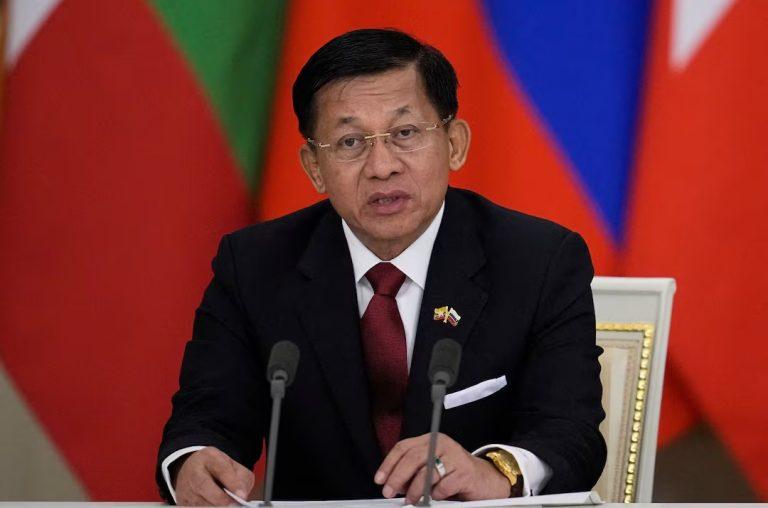
On July 11, Myanmar’s ruling military general, Min Aung Hlaing, asked Trump in a letter for a reduction in the 40% tariff rate on his country’s exports to the U.S. and said he was ready to send a negotiating team to Washington if needed.

“The senior general acknowledged the president’s strong leadership in guiding his country towards national prosperity with the spirit of a true patriot,” state media said at the time.

In his response to a letter from Trump notifying Myanmar of the tariff to take effect on August 1, Min Aung Hlaing proposed a reduced rate of 10% to 20%, with Myanmar slashing its levy on U.S. imports to a range of zero to 10%.

Min Aung Hlaing also asked Trump “to reconsider easing and lifting the economic sanctions imposed on Myanmar, as they hinder the shared interests and prosperity of both countries and their peoples.”


Source:Reuters/Ejiofor Ezeifeoma

NGO Set to Empower Smallholder Farmers Via School Feeding Programmes

The Commodity Leaders Empowerment Network for School Feeding (CLENSFe), an NGO, has demonstrated its commitment to empowering smallholder farmers by connecting them with school feeding programmes.

Mr Danladi Ibrahim, a consultant to the NGO, made the commitment while electing committee members of the organisation in Abuja on Friday.

Ibrahim said that the programme’s aim was to ensure a sustainable food supply for students, as well as boost local economies.

He said that the programme entailed sourcing food from local farmers to schools to provide nutritious meals for students and also create a reliable market for farmers.

READ ALSO:Smallholder Farmers Backbone of Nigeria’s Palm Oil Industry

According to him, it also involves increasing the income of the farmers and promoting local economic growth.

“The NGO, which is also known as a commodity association, is set to empower smallholder farmers because we have realised that it is one of the ways to promote agriculture.

“What we are doing is to source for the farmers and link them to government statutory feeding initiatives.

“For instance, we have students who are feeding in various government boarding schools, we have to engage these farmers who will be supplying food directly to them,” he said.

Ibrahim said that the organisation would also extend the programme to other institutions like the Nigerian Correctional Service (NCS), by providing food to prison inmates.

“We are also considering the Internally Displaced Persons (IDPs) camps and military institutions.

“What we are planning to do is to see how these farmers can be empowered through this supply chain,’’ he said.

He said that the programme would work through Farmers, Agriculture, Digital, Empowerment (FADE), adding that the effort will strongly enhance the programme effectively.

“It is a farmers digital village initiative programme designed to transform rural areas in Nigeria through digital technology, focusing on enhancing agricultural productivity and farmer livelihoods.

“The initiative aims to integrate digital tools and technologies into various aspects of agriculture, including precision farming, market linkages, financial services and access to information.

Mr Bukar Jibrin, the newly elected National Coordinator of the NGO, said that the aim was to reduce reliance on external suppliers and to support the local economy.

Jibrin called on the organisation to be committed to ensuring the CLENSFe achieved its mandates.

Mr Adjarho Oghenekaro, Member, Board of Trustee (BoT), said that the programme would help smallholder farmers increase their income and improve their livelihoods.

Oghenekaro said that the school feeding programme would ensure that students receive healthy, locally-sourced meals, contributing to their overall well-being and academic performance.

“We want to be sure that what the students are eating is genuine and organic.

“What we are planning is a community association that produces food through the farmers and supplies to the schools.

“We are trying to make sure that any food the students eat has a traceable line from the farmers, so that the government will buy from the farmers directly and not from any other source,” he said.

Dr Chinedu Amadi, the newly elected National Deputy Coordinator of the organisation, said that the programme was a national initiative that covered the country.

Amadi said the organisation was collaborating with some Ministries, Department and Agencies (MDAs), and other relevant stakeholders to ensure that the NGO achieved its objectives and mandates effectively.

Lawmakers Commit to Green Jobs, Low-Carbon Transition

0

The House of Representatives has reaffirmed its commitment to energy transition as a strategic solution to unemployment and environmental degradation in Nigeria.

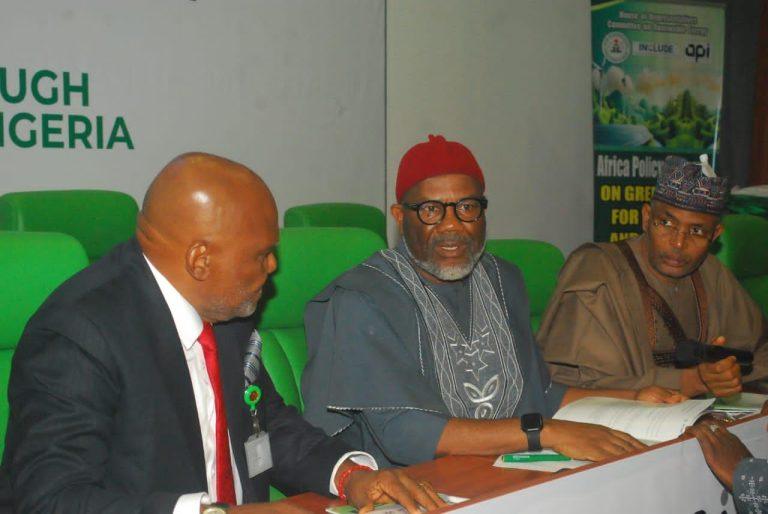
This position was made clear during the Africa Policy Dialogue (APD) workshop themed “Green Jobs and Low Carbon Transition”, held in Abuja.

Speaker of the House, Abbas Tajudeen, said the 10th Assembly is determined to address policy gaps and offer practical, impactful solutions to key national challenges.

“Let me sincerely thank the Honourable Chairman and Members of the Committee on Renewable Energy for their diligence, foresight, and relentless effort in championing this important cause,” he said.

“As a responsible People’s House, we are fully aware of the strategic importance of green energy, not just because of its environmental significance but also due to its immense economic potential.”

Mr Abbas noted that the dialogue aligns with the Assembly’s broader legislative and oversight responsibilities, especially in the face of Nigeria’s vulnerability to climate change and untapped renewable energy potential.

“Our vulnerability to the impacts of climate change and our untapped renewable energy potential,” he stated.

He reiterated the House’s commitment to collaborating with stakeholders to expand energy access, preserve ecosystems, reduce dependence on fossil fuels, and create jobs.

“Nigeria is at a critical juncture. Bold and deliberate policy choices will determine whether we leap into a sustainable future or remain stalled by outdated systems,” the Speaker warned.

Also speaking, Chairman of the House Committee on Renewable Energy, Afam Ogene, said nearly 50 per cent of Nigeria’s renewable energy skilled labour needs remain unmet—hindering the employment of quality personnel in the sector.

“Today, nearly 50 per cent of skilled labour needs in Nigeria’s renewable sector remain unmet. Employers across the country consistently report difficulty hiring qualified technicians, engineers, and system operators,” he said.

Mr Ogene noted the overdependence on imported equipment for renewable energy projects, not due to a lack of raw materials but due to skill gaps and weak policy support for local manufacturing.

“This is not just a workforce problem—it is a policy problem,” he emphasised.

He cited China’s success in creating over 7 million green jobs through deliberate policy support and called on Nigerian academic institutions to realign curricula to meet energy transition demands.

“We recognise that crafting effective green jobs legislation for women and youth is imperative. It requires careful alignment with existing laws and must be potent enough to achieve real impact,” he added.

Ogene expressed confidence in delivering a comprehensive law with support from expert legal advisors, legislative drafters, and his experienced colleagues.

Also speaking at the workshop, Co-founder of Advocacy for Policy Innovation (API), Ms Victoria Manya, urged a people-focused approach to climate action.

“What we must do is reclaim the transition—not only as a climate imperative—but as a generational opportunity to rewrite our social contract,” she said.

She warned that low-carbon efforts risk serving fossil fuel interests unless equity and job creation are prioritised.

“A just transition must not only ask how we reduce emissions—but who gets the new jobs, who trains the workforce, and who shapes the policies,” Ms Manya stressed.

She said Nigeria has the opportunity to lead Africa by embedding labour justice into its renewable energy strategies.

The Africa Policy Dialogue (APD) is a platform for exploring policy solutions around sustainability, with this edition focusing on jobs, climate, and energy equity.

PIAK