Home Blog Page 622

NSIB Reaffirms Commitment To Safer  Transport 

0

The Nigerian Safety Investigation Bureau (NSIB) has reiterated its commitment to enhancing transportation safety across all modes in Nigeria, including air, marine, rail, and other land transport.

This enhancement will be achieved through a standardised, independent, and proactive investigative approach.

This was contained in a Press Statement issued to the Journalist by the Director, Public Affairs and Family Assistance, Nigerian Safety Investigation Bureau Bureau Bimbo  Oladeji

The statement reads “With its expanded mandate as enshrined in the NSIB Act 2022, the Bureau is pioneering a new era of multimodal safety oversight, underpinned by globally recognised investigative practices and a clear mission to prevent accidents by learning from them.

“As part of this strategic vision, the Bureau is finalising two critical regulatory frameworks, the NSIB Casualty Investigation Regulations for the Maritime Mode of Transport and the Rail and Track Accident Investigation Regulations for the Rail sector. These instruments are tailored to Nigeria’s operating realities while drawing strength from international best practices.

“The maritime regulations are aligned with the IMO Casualty Investigation Code, establishing a standardised process for investigating accidents on inland waterways, ports, and Nigerian-flagged vessels.”

The rail investigation regulations, likewise, are being developed with due consideration for the unique operational structure and geographic scope of the Nigerian railway system, while referencing international norms in rail safety investigation.

These developments build upon the NSIB’s successful alignment with International Civil Aviation Organisation ICAO Annexe 13 for air accident investigation, a framework that has guided aviation safety improvement worldwide and continues to inform Nigeria’s aviation sector reforms. 

By adopting this harmonised, mode-agnostic approach, the Bureau aims to create a unified culture of safety across the nation’s transport infrastructure.

Speaking on his vision and the Bureau’s direction, Captain. Alex Badeh Jnr, Director General/CEO of NSIB, noted: The goal is not merely to investigate accidents, but to ensure that every finding and every safety recommendation becomes a cornerstone for safer transportation in Nigeria. 

“Our regulations are not only about compliance; they are about relevance, relevance to our waterways, rail systems, and the millions of Nigerians who depend on them daily.”

Crucially, the development of these regulations has been rooted in inclusive consultation, incorporating field visits to jetties, inland waterways, ports, and rail infrastructure across Nigeria. 

This practical engagement ensures the regulations are adaptable, devoid of theoretical ambiguities, and fully responsive to Nigeria’s transport landscape.

However, while NSIB remains responsible for conducting independent investigations and issuing safety recommendations, the responsibility for implementation lies with other critical agencies.

INSIB further calling on stakeholders such as the Nigerian Maritime Administration and Safety Agency (NIMASA), Nigerian Ports Authority (NPA), Nigerian Shippers Council, National Inland Waterways Authority (NIWA), National Oil Spill Detection and Response Agency (NOSDRA), and the Nigerian Railway Corporation (NRC) to begin proactively building internal capacity for the adoption and implementation of NSIB safety recommendations.


Rema, Davido, Shallipopi Dominate H1 2025 Afrobeats – Spotify

Spotify has published its Global Impact List for Nigeria, showcasing the top 30 Nigerian songs and tracks featuring Nigerian artists that have attracted notable international listenership in the first half of 2025.

The list is based specifically on streams generated outside Nigeria, reflecting the global influence of Afrobeats and Nigerian music.

Rema leads the chart with Baby Is It A Crime, a track that samples Sade’s iconic Is It A Crime. The single’s status as the most-exported Nigerian song in early 2025 further cements Rema’s global standing, following earlier achievements such as becoming the first Afrobeats act to surpass 1 billion streams on Spotify.

Davido, the multi-award-winning superstar, claims the most in total, driven by the success of his fifth studio album, 5ive. Burna Boy follows with five entries, led by Tatata featuring Travis Scott. Three songs from his recently released eighth album, No Sign of Weakness, also made the list.

Also Read: Rema Shines at Madison Square Garden in Landmark Concert

Other notable entries include Afrobeats stars Adekunle Gold, Asake, Ayra Starr, Teni, Omah Lay, and Shallipopi.

Fast-rising artist Chella earned the No. 4 spot with his hit single My Darling, while Minz also features on the chart via his collaboration on Ivorian artist Himra’s Number 1.

A standout inclusion is gospel singer Lawrence Oyor, whose track Favour gained viral momentum and has emerged as one of Nigeria’s biggest songs of the year so far.

Below is the complete list of the 30 Nigerian songs with the highest international streaming figures in the first half of 2025.

Reps Investigate 25 Insurance Companies over Financial Infractions

The House of Representatives says it is investigating twenty five Insurance companies for financial Infractions.

The Chairman of the House Sub-Committee on Capital Market and Institutions, Mr. Kwamoh Laori, made the disclosure at a meeting with the management of the Insurance companies, in Abuja.

He said that the committee scheduled the meeting based on petition based on infractions by the insurance companies which has led to the Nigerian government losing hundreds of billions of revenue from the companies.

He said that the companies were invited to agree or debunk those liabilities.

” This committee is saddle with the responsibility of a petition based on infractions from these insurance companies in respect of the operations and non compliance with certain statutory provisions. And of course, those infractions has resulted into federal government losing hundreds of billions of revenue from these insurance companies.

“That is why they are being invited and each of them have been served and given the extent of their liability and for them to come in and agree or debunk those liabilities. That is the essence of all these things we are doing here to ensure that what is due to the federal government comes to it through the operations of these private entities,” Mr. Laori said.

He said that it is the duty of the National Assembly to track revenue that should acrude to the federal government.

He said that the House is expected to investigate and put a stop to revenue leakages.

He noted that the the companies were expected to appear before the Committees to explain their financial standings, whether they have paid or not.

He however lamented that some of the companies ran to court prevent the siting of the committee.

“Some of the companies ran to court and have served the House with court process. It’s for us and the House to sit down and look at the process. If it in no way goes to the basis of what we are doing here, we would definitely proceed but if it does, then we have to await for the decision of the court in respect of that,” he said.

He pointed out that running to the court is the companies trying to” throw in the spanner into the world of the National Assembly”.

He also pointed out that the committee would continue to insist on the Chief Operating Officers of the companies to appear before the Committees rather than sending unqualified representatives.

” We have insisted that the Chief Operating Officers appear in persons so that they can answer some of the questions. Like you can see, one of the COOs sent somebody that could not answer any of those allegations that are before the committee, that is not good. That is why the committee still makes the order that only the COO that will appear in person, so, that they can come and answer for these allegations that are against them,” he noted.

He stated that it was the same people that would say that the Nation Assembly is not doing it’s job.

Mr. Laori indicted the National Insurance Commission for not doing their job.

” NICON, of course has a supervisory role in respect of that and I’m not holding brief for them. But, I think if they are doing their job, we will not be here talking about this. So, I expect them to sit up. It’s because there are certain lapses somewhere, that is why today we are doing what we are doing here in terms of investigation,” he added.

Seventeen of the companies who went to court, sent their attorney, Mr. Abimbola Kayode to represent them at the hearing.

Confidence Okwuchi

Fish Cooperative Links Price Surge to Inadequate Fisheries, Feed Shortages

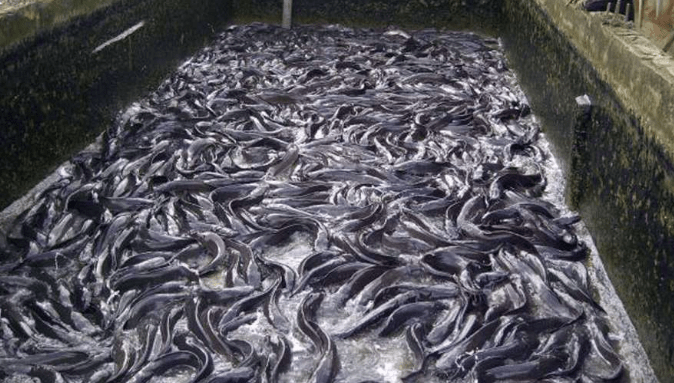
The Fisheries Cooperative Federation of Nigeria (FCFN) says inadequate local fisheries in the country is responsible for the surge in the prices of fish.

Mr Mashi Sani, President of the cooperative said this on Monday in an interview with the Newsmen.

Sani said that the high cost of fish was also stemming from inadequate feed production in the country and the cost of transportation and storage.

The Federal Government had pledged to end Nigeria’s dependence on fish importation by boosting local production.

READ ALSO:Nigerian Government Vows to End Fish Importation

This, the Federal Government said, would empower youth and women with start-up grants in the fisheries sector.

Sani said that there was need for the Federal Government through the Ministry of Marine and Blue Economy to set up fisheries input centres to produce fish and fish feeds within the country.

“There are archeries in the country but they belong to individuals which is not enough to meet up the desired fish market demand.

“The farmers who have archeries are insignificant when compared to the fish market.

“We are trying to see how we can set up bigger archery in each of the geopolitical zones to increase fish production.

“This will reduce the high cost of fish feed and cost of sales of fish juveniles to farmers,” he said.

Sani said that with production of fish feeds in larger quantity within the country and mass production of fish juveniles, the prices of fish would reduce.

The cooperative president called for government intervention in the expansion of fish archeries in the country, adding that it was the only way to meet the desired fish demand.

Sani also said that there was need for the government to empower fish farmers through the cooperative to ensure effective monitoring and regulation of fishing activities, especially fish prices in the country.

“Our goal as the fisheries cooperative of the federation is to meet fish demands and be accessible to those who are interested in partnering with the cooperative.

“We are looking for grants from the government for the expansion of archeries in the country; the grants can come in the form of equipment and machineries.

“With government collaboration with the Fisheries Cooperative Federation of Nigeria, the issues of fish and feed surge will be a thing of the past,” he said.

Sani urged the government to build fish input centres to meet up with international fishing standards.

He said that the cooperative had proposed to the government to set up a pilot project and build two input centres in two states of each geopolitical zone.

He said that with the input centres, all zones would have equal supply of fish and fish feed and it would be easier to regulate the market prices.

He urged stakeholders to invest in the Nigerian fisheries and aquaculture sector.

According to him, Nigeria has the site, the marine resources, the manpower and capacities to make enough return on investments in the investors.

“The fishery sector has not been looked into as it is now being looked into by the government and stakeholders.

“With the right actions and government interventions, the fisheries and aquaculture sector will boom.

“When we start producing feed in-house, the high cost of feed will drop and that will also lead to the drop in the high cost of fish” he added.

ICRC Raises Alarm Over Worsening Northeast Food Insecurity

0

The International Committee of the Red Cross (ICRC) has sounded the alarm over worsening food insecurity in conflict-affected areas of northeast Nigeria, where more than 3.7 million people are struggling to access sufficient food.

Aliyu Dawobe, Public Relations Officer of the ICRC, disclosed this in a statement issued on Monday in Abuja.

He explained that many of those impacted were once farmers who had sustained their communities but have since been displaced by years of conflict.

According to the statement, persistent violence has forced families from their homes, restricted access to farmlands, and severely disrupted local food production systems.

Diana Japaridze, Head of the ICRC office in Maiduguri, highlighted the increasing pressure on households as the lean season commenced and food stocks began to deplete.

“This is the period when families must begin buying food, but many conflict-affected households simply can’t afford it.

“They’re forced to drastically limit their intake,” she said.

Japaridze added that the deepening food insecurity is also contributing to rising malnutrition rates, especially among children under five as well as pregnant and breastfeeding women.

Read Also: NAFDAC Reaffirms Commitment to Safe Drug Market

In response, the ICRC is supporting malnutrition stabilisation centres and running community education programmes aimed at helping families care for vulnerable children.

To address the root causes of food insecurity and promote long-term resilience, the ICRC has launched an agricultural assistance programme. The initiative supports both rainy and dry season farming, targeting thousands of farming households.

“This year alone, over 21,000 farming households have received seeds adapted to local conditions, along with planting tools to ease labour and improve efficiency,” she said.

The support includes a mix of field crops and vegetables such as rice, maize, tomato, and okra, all intended to improve dietary diversity and nutritional value.

Japaridze added that farmers are also being trained in sustainable farming practices to ensure continuity beyond the ICRC’s intervention.

“At a systemic level, and in collaboration with the National Agricultural Seed Council (NASC), we recently repaired a vital water source to ensure continuous access for the council’s seed testing and greenhouse facilities,” she noted.

Despite these interventions, Japaridze warned that the lean season remains a critical challenge, as many farmers are still unable to produce enough to sustain their families.

Community voices from the affected areas underscored the urgency of the situation.

Modu Umar, a community leader in Dikwa, said, “Right now, we face severe food shortages. Some families walk long distances daily just to collect and sell firewood to afford food. Farming is the only real solution.”

Churi Ibrahim, a 70-year-old farmer from Gajibo, spoke on the continuing security risks:

“Some people trek three hours just to reach their farms. By the time you get there, you’re exhausted, and returning home takes even longer.”

Despite the ongoing fears and hardship, local farmers remain resilient and determined.

Bintu Konto, a mother of five, remarked:

“Even when they’re afraid, they still go. If we don’t farm during the rainy season, we’ll have nothing to eat.”


Poultry Association to Set Up Sales Point at LGAs

The Poultry Association of Nigeria (PAN), Lagos State chapter, has disclosed plans to set up sale points at Local Government Areas in the state to cut down the price of its produce.

The PAN Chairman, Lagos State chapter, Mr Mojeed Iyiola, said this in an interview with Newsmen on Monday in Lagos.

Iyiola noted that the consistent rise in the price of poultry produce has posed a concern to the association, hence the decision to sell to the public.

“We are currently working with the local government areas in Lagos State to give us space in their premises where we can sell the produce at affordable price without the interference of middlemen.
“This will help cushion the effects of the hike in the price of poultry produce for the common man, as we can now sell to them directly,” Iyiola said.

READ ALSO:Poultry Farmers In Kaduna State Seek Soft Loans

He also reiterated that in spite of the drop in the price of maize in the local markets, the cost of feed production is on the high side.

“The maize price that dropped was as a result of government assistance, and we still the need the assistance of the government in the sale of the eggs and poultry produce at stable prices.

“The price of maize may have dropped but it is just one of the 15 ingredients in the formulation of poultry feed. We have almost 14 other ingredients and their prices are not stable at all.

“Maize takes almost 60 per cent of the total components of feed composition. Other ones are very in smaller quantity but their prices are so high.

“You can imagine we used to buy a 25kg bag of Methylene between N25,000 and N30,000, but now the same quantity sells at N150,000.

“Same goes to lysine, urea is not dropping, groundnut cake is not dropping, they maintain their prices and also influence the price of eggs,” PAN chairman said.

According to him, a crate of eggs sells from N5,000 to N5,500 at the farm gate.

“At the farm gate we sell a crate of egg from N5,000 to N5,500, while the middlemen sell from N6,000 or N6,500 per crate.

Lagos To Launch ₦500 Billion Agric Initiative

The Lagos State Government has unveiled plans to launch a ₦500 billion agricultural programme tagged “Produce for Lagos,”

The initiative according to the government is aimed at addressing food insecurity through long-term availability, affordability, and sustainability.

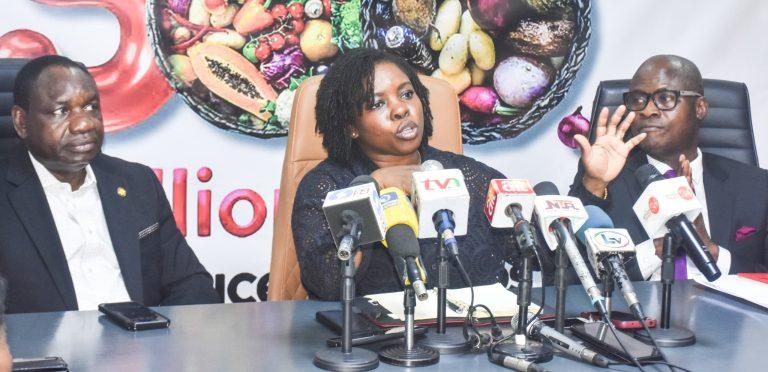
Speaking at a press briefing held at the State Secretariat, Alausa, ahead of the launch of the programme on Wednesday July 23, 2025, the Commissioner for Agriculture and Food Systems, Ms. Abisola Olusanya said that the initiative is an intervention to transform Lagos’ food ecosystem through public-private partnerships engagement.

Olusanya said that the programme would focus on private sector investment, bulk aggregation towards reducing costs, streamlining food value chains as well as reducing post-harvest losses.

READ ALSO:Africa CDC Launches Climate Change Health Initiative

She added that the initiative is in collaboration with some states and the private sector would not only promote urban agriculture but also establish food supply partnerships with other states to compensate for Lagos’ land limitations.

“The programme targets robust inter-state collaboration and private sector involvement as essential to achieving food resilience and market stability in Nigeria’s commercial capital.

“We need states like Niger, which has the largest arable land in the country, as well as Kebbi. We want to have a continuous food supply. The partnership will dovetail to all the agricultural food chains. By bridging the gap between supply and demand, the initiative promises to usher in smarter logistics, inclusive economic growth, and a more resilient food value chain.” she said.

Produce for Lagos

The Commissioner mentioned that the state has been working on different approaches to ensure food sufficiency for the past six years through Produce in Lagos and Produce for Lagos Initiatives.

According to her ‘Produce for Lagos’ is being positioned as a model for public-private partnerships in addressing systemic food challenges and driving sustainable development at scale.”

“It is about addressing logistics. Our goal is to continue to create jobs. We want food in-flow into the State. Though food is coming into Lagos but the system is flawed. We have a lot of loopholes in the system and so the investors cannot connect properly. The programme will not only streamline agricultural supply but also unlock investment opportunities, support rural farmers, and ensure Lagos residents have access to fresh and affordable produce.”

Impactful project

Although, official figures are yet to be released, but, thousands of stakeholders, including farmers, aggregators, distributors, and retailers are expected to benefit from the programme through coordinated efforts involving key ministries and private off-takers.

The commissioner stressed that the initiative was designed to create an efficient farm-to-market system, reduce waste, and make food more affordable for Lagosians.

The launch event on July 23 is expected to attract major players in Nigeria’s agricultural sector and mark a significant milestone in the state’s push toward food security and inclusive economic growth.

NAFDAC Reaffirms Commitment to Safe Drug Market

0

The National Agency for Food and Drug Administration and Control (NAFDAC) has reiterated its commitment to eliminating counterfeit and substandard medicines from Nigeria’s pharmaceutical markets.

This was disclosed in a statement issued on Monday in Abuja by Mrs Christiana Obiazikwor, Deputy Director of Public Relations at NAFDAC.

The statement followed a strategic engagement held in Lagos with executives of the Lagos State Medicine Dealers Association.

Mr Martins Iluyomade, Director of NAFDAC’s Investigation and Enforcement Directorate and Chairman of the Federal Task Force on Fake and Substandard Products, emphasised the agency’s renewed drive to sanitise drug distribution channels across the country.

He stated that all medicine dealers must be registered in NAFDAC’s national database to guarantee full traceability and accountability of pharmaceutical products.

Read Also: Kaduna Chairman Proposes Health Scheme Enrolment for Marriage Approval

“There is a dire need to sanitise the drug market nationwide, and the current administration is determined to do that,” said Iluyomade.

“NAFDAC is not out to punish anyone. We do not have another country, and we must do the right thing for the good of all.”

He warned that dealers who deliberately operate outside regulatory oversight would be barred from selling or distributing drugs, and shop owners who tamper with NAFDAC seals or reopen sealed premises would face strict enforcement actions.

Iluyomade reiterated that medicine regulation was non-negotiable, noting that it is listed under the Exclusive Legislative List in Nigeria due to its direct impact on public health.

“There is no serious country in the world that does not regulate the use of medicines,” he added.

To reinforce compliance, he announced a two-week ultimatum for medicine dealers in major commercial hubs—Idumota (Lagos), Onitsha, and Aba—to regularise their operations and ensure they are fully captured in NAFDAC’s official records.

Iluyomade also called on recognised trade associations and stakeholders to collaborate with the agency in eradicating fake and substandard medicines from circulation, stressing that public health must remain a national priority.


Kaduna Chairman Proposes Health Scheme Enrolment for Marriage Approval

0

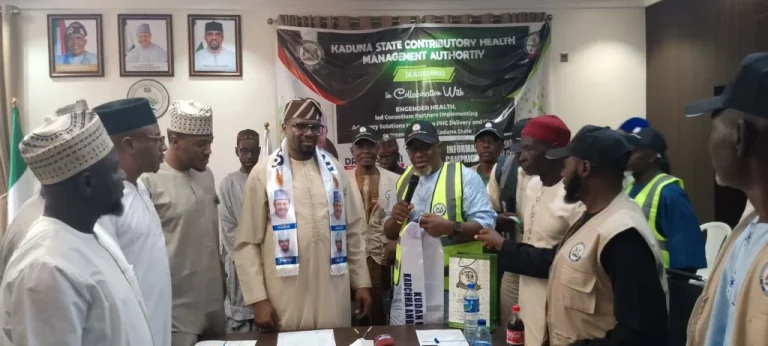
The Chairman of Kudan Local Government Area (LGA) in Kaduna State, Hon. Dauda Abba, has proposed that intending couples must present proof of enrolment into the Kaduna State Contributory Health Management Authority (KADCHMA) before being permitted to marry.

Abba made the proposal on Monday at the Kudan LGA Secretariat during the inauguration of the informal sector enrolment campaign by KADCHMA.

According to the chairman, the initiative aims to boost uptake of the health insurance scheme while ensuring that couples, especially pregnant women, have access to quality healthcare services.

“The ₦10,650 annual premium covers a wide range of services, including antenatal care, delivery, and postnatal care — with or without complications — making it a comprehensive healthcare solution for expectant mothers,” Abba said.

He emphasised the importance of financial protection against unexpected medical expenses and noted that requiring the KADCHMA card would encourage more people to take advantage of the scheme’s offerings.

Read Also: Kogi Governor Reaffirms Commitment to Women, Child Nutrition

To enforce the proposal, Abba revealed plans to issue an Executive Order to the legislative council of the LGA, urging them to pass a by-law mandating KADCHMA enrolment as a prerequisite for marriage and political office.

“We hope to finalise the by-law within the next two to three weeks and share it with relevant stakeholders. It will mandate KADCHMA enrolment for marriage registration and for individuals contesting political positions,” he stated.

The chairman also pledged to personally sponsor the enrolment of 1,000 individuals, with plans to expand to another 1,000 beneficiaries after the first phase is completed.

He called on traditional rulers, religious leaders, ward development committees, and other stakeholders to sensitise their communities and support the implementation of the scheme at the grassroots level.

Earlier in the event, KADCHMA’s Director-General, Abubakar Hassan, explained that the campaign seeks to promote access to quality, affordable healthcare without financial hardship — in line with the vision of achieving Universal Health Coverage in Kaduna State.

He described the initiative as part of Governor Uba Sani’s Rural Transformation Agenda, which aims to serve underserved and remote populations by reducing maternal and child mortality through health insurance access.

“More than 50 women have already given birth via Caesarean section under the scheme, without the burden of out-of-pocket payments,” Hassan noted.

He appealed to stakeholders to become enrolment ambassadors, supporting the campaign through community mobilisation and development planning.

In his remarks, the District Head of Kudan, Halliru Mahmood, commended Governor Sani for initiating the programme.

He described the ₦10,650 registration fee as a modest investment considering the significant healthcare benefits it offers.

Mahmood expressed optimism that the programme would substantially reduce maternal and child mortality and provide critical financial relief to families, especially the most vulnerable.

The campaign, which also targets Chikun and Kagarko LGAs, is supported by a coalition of development partners, including EngenderHealth Consortium, the International Society for Media in Public Health (ISMPH), the Centre for Communication and Social Impact (CCSI), and the Legislative Advocacy Initiative for Sustainable Development Goals (LISDEL).

Community volunteers, traditional leaders, ward committees, and religious stakeholders were all in attendance at the launch.


NAN

Nigeria, Egypt Sign Landmark Aviation Agreement

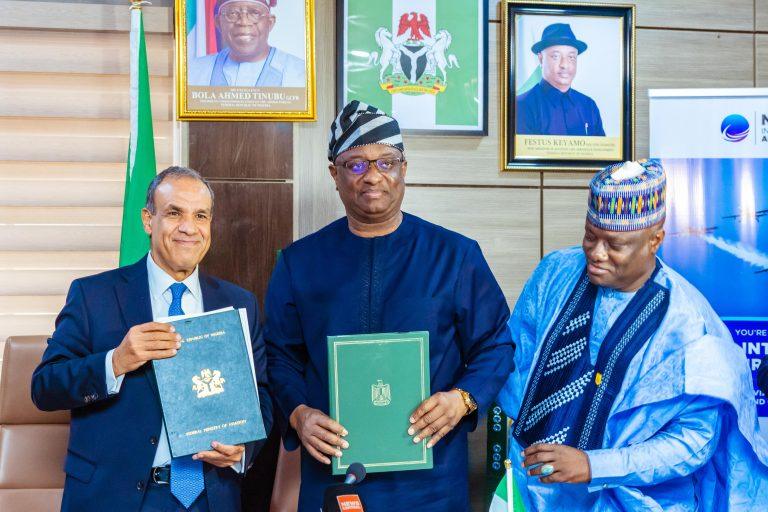
The Minister of Aviation and Aerospace Development, Festus Keyamo, has signed a landmark Memorandum of Understanding (MoU) and an Enhanced Bilateral Air Services Agreement (BASA) with Egypt, strengthening aviation ties between Nigeria and Egypt.

The signing ceremony took place in Abuja, where Keyamo received the Egyptian Minister of Foreign Affairs, Dr. Badr Abdellatty, to formalise the agreements aimed at expanding cooperation in the aviation sector.

The agreement, which was initially conceived during the 2024 International Civil Aviation Negotiations (ICAN) Conference, marks a significant milestone in the deepening of bilateral cooperation between both nations in civil aviation.

Speaking during the ceremony, the Aviation Minister described the signing as a “strategic breakthrough” that reflects the mutual commitment of both countries to strengthening connectivity, facilitating technical exchange, and opening new investment opportunities within their respective aviation sectors.

“This agreement is not only a fulfilment of the engagements we started during ICAN 2024 but also a bold step toward enhancing air connectivity, boosting tourism, promoting trade, and fostering knowledge transfer in aviation management and infrastructure,” Keyamo noted.

The enhanced BASA allows for expanded route access and operational flexibility for designated carriers from both countries, while the MoU covers technical cooperation, training, and infrastructure development initiatives.

On his part, Dr. Abdellatty expressed Egypt’s strong desire to build a lasting and mutually beneficial relationship with Nigeria, particularly in sectors where aviation catalyses broader economic growth. He commended Minister Keyamo for his visionary leadership and proactive drive to modernise Nigeria’s aviation sector, noting that Egypt views Nigeria as a strategic partner on the continent.

Both ministers reaffirmed their governments’ commitment to implementing the provisions of the agreement in the spirit of mutual respect and shared progress.

The signing ceremony was attended by senior officials from the Federal Ministry of Aviation and Aerospace Development, including the Permanent Secretary, Dr. Ibrahim  Kana, and representatives from the Egyptian diplomatic mission in Nigeria.

This development adds to Nigeria’s ongoing efforts to reposition its aviation sector through international cooperation, modern regulatory frameworks, and increased private sector participation in aviation infrastructure.