The Nigerian Meteorological Agency (NiMet) has reaffirmed its commitment to supporting the Food and Nutrition Security Information System (FNSIS) in Nigeria.
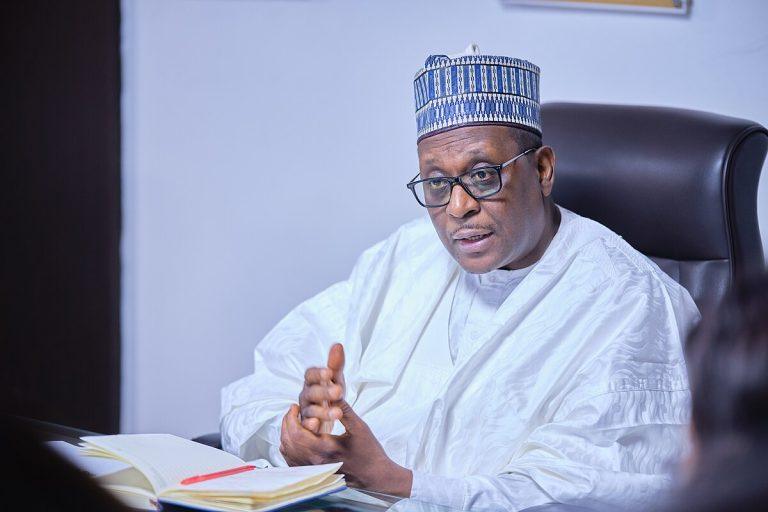
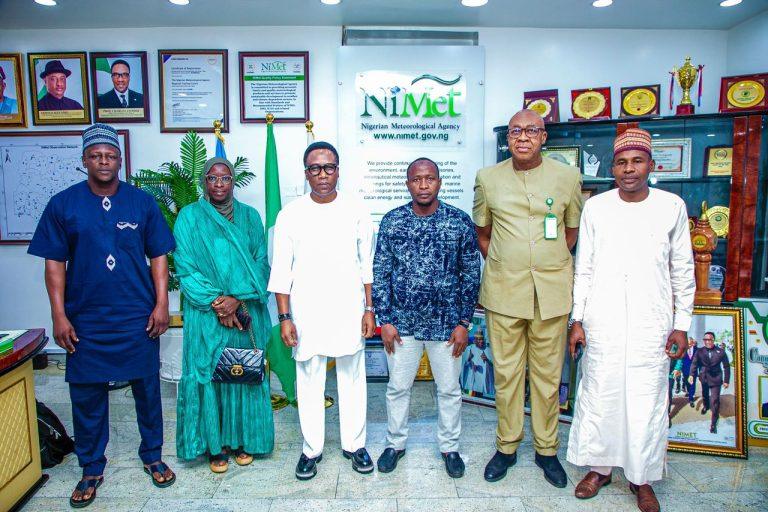
This assurance was given by the Director-General and Chief Executive Officer of NiMet, Professor Charles Anosike, during a courtesy visit by a delegation from the Permanent Interstate Committee for Drought Control in the Sahel (CILSS) to NiMet’s headquarters in Abuja.
Prof. Anosike outlined NiMet’s critical contributions to early warning systems, disaster risk reduction, and food security, particularly through its collaboration with the Federal Ministry of Agriculture and Food Security.
He noted that NiMet has been instrumental in downscaling seasonal climate forecasts to enable farmers to make informed decisions that enhance agricultural productivity.
He stressed the need for a coordinated, science-based approach to anticipate and respond to both food- and climate-related shocks.
As part of its commitment, Prof. Anosike introduced the National Framework for Early Warning and Early Action, developed by NiMet with guidance from the World Meteorological Organisation (WMO).
The framework is designed to improve coordination among institutions engaged in disaster risk management, food security, and climate resilience.
He assured the delegation that “theframework would be shared with all relevant stakeholders to foster synergy, eliminate duplication of efforts, and strengthen national response systems to food and climate-related emergencies.”
Prof. Anosike also emphasised the importance of multi-stakeholder collaboration, calling for a coordinated, data-driven, and integrated food security information system that can support evidence-based decision-making and promote long-term resilience to food insecurity.
CILSS Commends NiMet’s Role in Climate Services
The CILSS delegation, led by Mr Williams Massaoud, commended NiMet for its critical role in providing climate services, particularly in the area of food security.
He stated, “The PRISISAN Project (Project for Strengthening and Innovating Food and Nutrition Security Information Systems), under which the current mission is being undertaken, aims to support countries in the Sahel and West Africa in building robust and sustainable information systems for effective food crisis management.”
Mr Massaoud stressed the importance of integrating meteorological data into the broader framework of the FNSIS, describing it as essential for effective and sustainable solutions to food and nutrition challenges.
The delegation also included representatives from key development organisations such as the Food and Agriculture Organisation (FAO), the World Food Programme (WFP), the Federal Ministry of Agriculture and Food Security (FMAFS), the Cadre Harmonisé Taskforce, and other partners committed to tackling food and nutrition insecurity across the region.
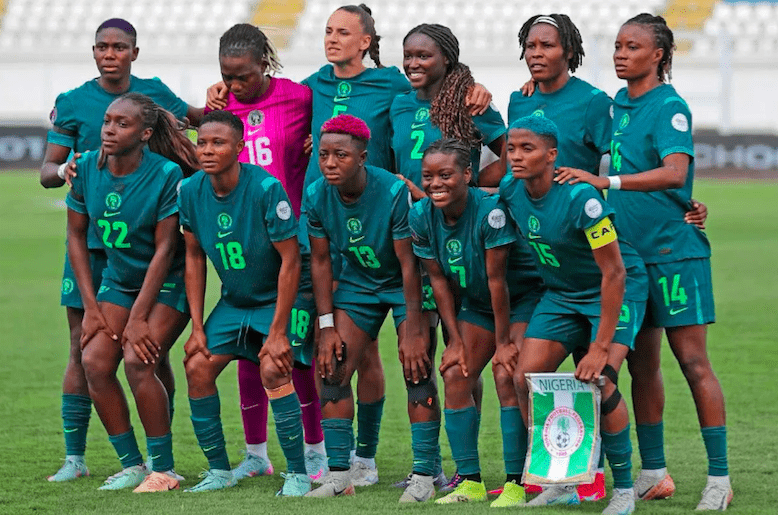
Two of Africa’s most exciting and ambitious women’s football nations, Nigeria and Zambia, are set for a thrilling clash in the quarterfinals of the 2024 Women’s Africa Cup of Nations (WAFCON) by 5pm (WAT) on Friday in Casablanca, Morocco.
A fierce contest awaits at the Larbi Zaouli Stadium, where a semifinal ticket, legacy and continental bragging rights will be on the line.
It’s a rivalry that has grown in intensity over recent years and with both sides bringing unbeaten group stage form, this quarterfinal promises to be one of the highlights of the tournament.
PREVIEW
Both Nigeria and Zambia arrive in the last eight with their confidence intact following strong group-stage performances.
The Super Falcons of Nigeria topped Group B with seven points, kicking off with a commanding 3-0 win over Tunisia, followed by a gritty 1-0 win over Botswana, and a goalless draw against Algeria.
Nigeria are yet to concede a goal in the competition, a testament to their discipline and structure under head coach Justin Madugu.
“Our preparations have been good. As usual, we are already aware of the game tomorrow — a quarterfinal against Zambia,” said Super falcons coach Madugu.
“We’ve been trying as much as possible to make sure that the girls are ready,”“Preparations are okay.”
Head coach Madugu assured that Nigeria’s Super Falcons are mentally, psychologically and tactically ready to confront Zambia’s Copper Queens in Friday’s potentially-explosive WAFCON quarter-final encounter in Casablanca.
Nigeria’s dominance in WAFCON history is well documented, with a record nine titles and emphatic wins over Zambia in previous editions — including a 6-0 win in 2014 and 4-0 in 2018.
But the Copper Queens flipped the script in 2022, edging Nigeria 1-0 in the third-place match — a symbolic win that underscored their arrival among the continent’s best.
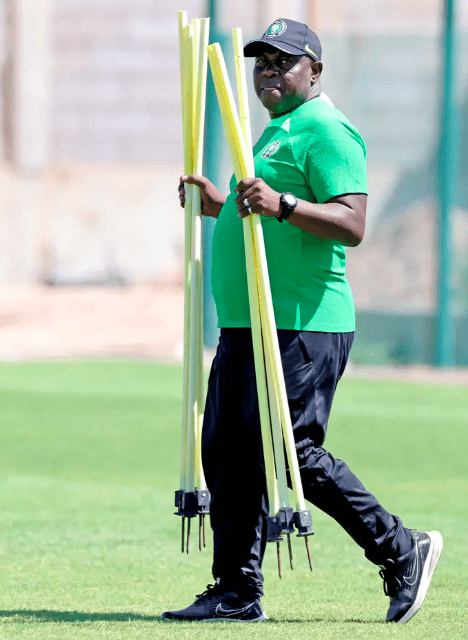
Coach Madugu, who was on Nigeria’s technical crew during all three previous encounters, remains respectful but focused.
Super Falcons head coach, Justin Madugu.
“We cannot take away the fact that Zambia are a good team, but they are not unbeatable,” Magudu said.
“The girls are in high spirits and fully ready for them.”
“They, too, are very uncomfortable coming up against us.”
Madugu’s ladies have shown defensive solidity and tactical discipline so far this tournament and will look to continue.
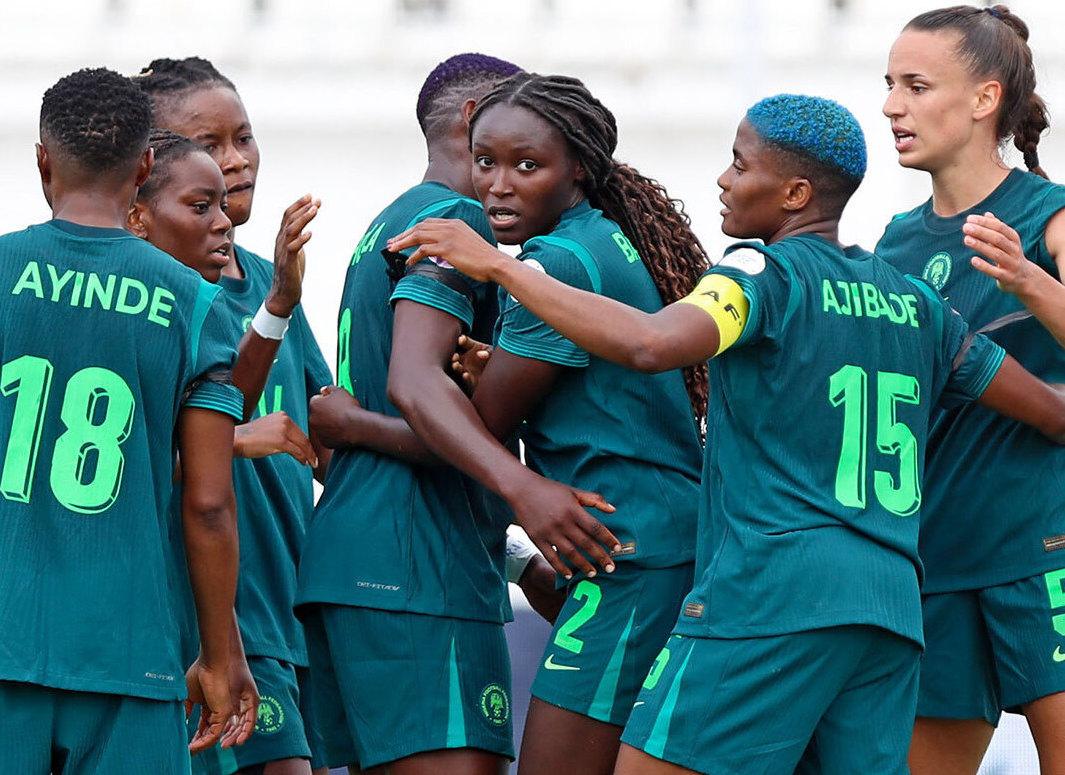
Nigerian defender Ashleigh Plumptre, one of only two Super Falcons named in the Group Stage Best XI, has marshaled a backline yet to concede a goal.
She shared a few words about preparing for the mammoth task ahead.
“We all defend as one and attack as one,” Plumptre noted. “We are proud to have gone through the group stage without conceding.”
Super Falcons’ Ashleigh Plumptre (R).
“Preparations are going well. Everyone is in good spirits. The atmosphere in camp is calm and exciting,” Plumptre added. “Zambia have a good attacking line and we respect that. We prepare for the whole team and not just a few players.”
On facing Zambian talisman Barbra Banda, who has scored in every group match: “I don’t know her personally, but I remember the gender verification backlash she faced,” Plumptre said. “I have a lot of respect for her.”
“She had to silence everyone and perform with a smile on her face. I really look forward to coming up against her. Honestly, I am not carrying any pressure with me. It’s just motivation to work extra hard.”
Zambia, meanwhile, are determined to go beyond their 2022 bronze finish and prove their progress is sustainable.
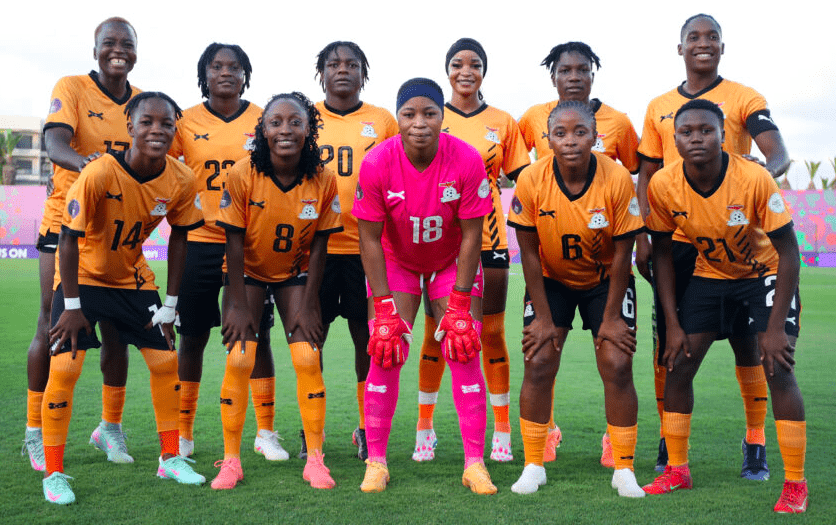
The Copper Queens of Zambia.
The Copper Queens impressed in Group A, finishing second only to hosts Morocco on goal difference with seven points.
They battled to a 2-2 draw against the Atlas Lionesses, followed it up with a thrilling 3-2 comeback win over Senegal and sealed qualification with a 1-0 victory over DR Congo.
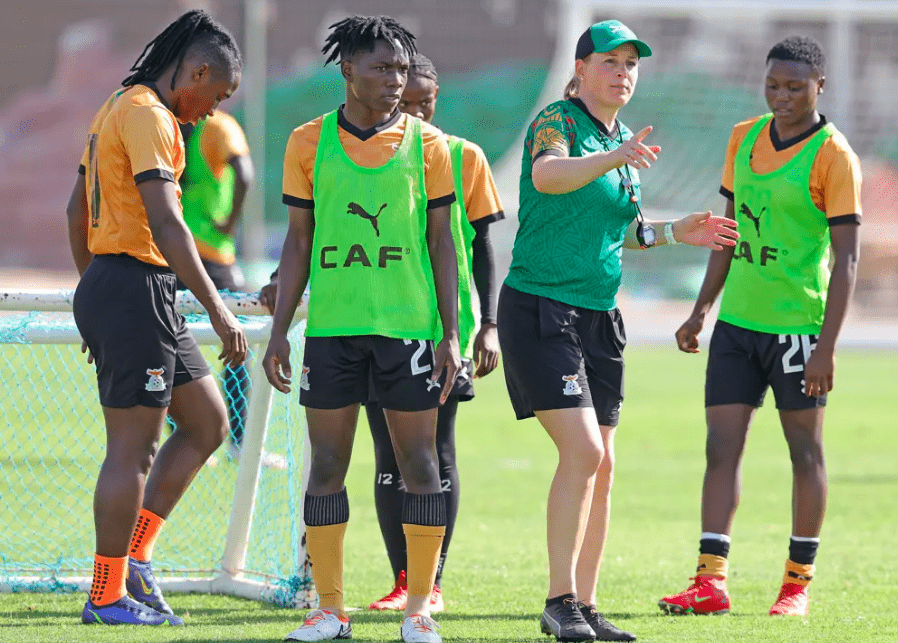
Coach Nora Hauptle expressed confidence in her squad’s evolution and readiness.
Zambia coach Hauptle in training with players.
“I am happy to have had these days to prepare for the quarterfinal. I think my team is ready for the next stage,” Hauptle said.
“We moved down to Casablanca yesterday excited and prepared for tomorrow’s game.”
Zambia captain Barbra Banda — absent during the 2018 and 2022 clashes — is relishing the opportunity to lead her side in this edition.
“2018 and 2022 are in the past. What we are focusing on is what we have now,” she said. “It’s going to be an interesting game.”
“This is Africa, and football here is different from the States. It’s going to be competitive and at the end of the day, one team will win.”
HEAD TO HEAD
This will be the fourth WAFCON meeting between Nigeria and Zambia.
Nigeria demolished the Copper Queens 6-0 in 2014 and followed that with a 4-0 rout in 2018. But Zambia stunned the Falcons with a 1-0 win in the third-place playoff of 2022 – albeit via a Nigerian own goal credited to goalkeeper Chiamaka Nnadozie.
No Zambian player has ever scored against Nigeria in this tournament, yet they will take heart from that victory.
TEAM NEWS
Both sides will be without a key attacking option due to injury. Nigeria will miss Malawian-Nigerian forward Chioma Okafor, who is ruled out due to a hand injury sustained in training.
However, the Super Falcons will see Deborah Abiodun return to the fold after serving her one-match suspension — an addition that boosts midfield steel and ball progression.
For Zambia, Xiomara Mapepa will miss the encounter due to a fitness setback, but the Southern Africans will welcome back midfield dynamo Grace Chanda following suspension — a timely boost to their creativity and drive in midfield.
Nigeria’s ambitions are clear: reclaim the WAFCON title and reassert their dominance. Victory in Friday’s will steer the Super Falcons closer to a 10th continental title. However, a rejuvenated Zambian side would be seeking to cause an upset in this mammoth encounter.
This WAFCON quarterfinal will bring together some of the finest talents in African women’s football and promises to deliver back-to-back action as the competition draws closer to a climax.
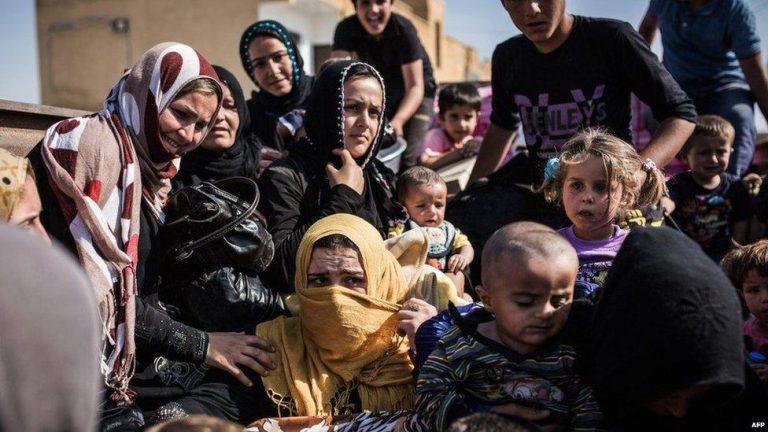
The United Nations refugee agency (UNHCR) has issued a stark warning that up to 11.6 million refugees and displaced people could lose access to critical humanitarian assistance due to severe funding cuts.
“Our funding situation is dramatic,”said Dominique Hyde, UNHCR’s Director of External Relations, on Friday. “We fear that millions of people forced to flee may be left without the basic support they rely on from UNHCR.”
The agency, which provides shelter, food, healthcare, and protection to millions displaced by conflict and persecution, is facing one of the most critical budget shortfalls in recent years. The funding gap threatens lifesaving operations in regions already grappling with multiple crises, including the Middle East, Africa, and South Asia.
Hyde emphasised the urgent need for international solidarity and sustained donor support to prevent a deeper humanitarian catastrophe.
As a child growing up in Guria, western Georgia, Lika Megreladze watched her mother devote decades to tea science at the Soviet Institute of Tea and Subtropical Crops in Anaseuli. Back then, tea wasn’t just a crop—it was a cornerstone of daily life, and Georgia was a major supplier for the Soviet Union’s vast appetite for tea.
“This was just my mum’s job when I was little,” Megreladze recalls. “Only later did I understand how important it really was.”
Today, the once-thriving institute stands in ruins—abandoned halls strewn with faded documents, and a toppled statue of Lenin slowly reclaimed by weeds in the courtyard. Across Guria’s lush hills, once-manicured tea plantations have grown wild, and the echoes of productivity in vast tea factories have given way to silence.
Tea arrived in Georgia in the early 1900s via a Chinese agronomist invited by Tsarist Russia. Guria’s subtropical climate proved ideal, and the region quickly became the Soviet Union’s tea heartland. But with Georgia’s independence in 1991 came turmoil—the collapse of the USSR and civil unrest devastated the economy. Cheap Asian tea flooded the market, electricity cuts halted production, and factories were stripped for parts. By 2016, Georgian tea production had plummeted by 99% from its Soviet-era peak.
“The institute died with the Soviet Union,”Megreladze said. “Georgia was still too young to rescue such a massive industry.”
Yet three decades later, a revival is quietly brewing. Entrepreneurs like Nika Sioridze and Baaka Babunashvili are breathing new life into abandoned plantations. Backed in part by government grants, their company, GreenGold Tea, is restoring tea fields around Ozurgeti, Guria’s regional capital.
Working out of a repurposed Soviet-era silk factory, they’re crafting high-quality teas aimed at both local and European markets. “For 40 years, this place was just a jungle,” Sioridze said of the overgrown fields they’ve reclaimed.
Under Soviet rule, Georgia’s tea reputation suffered due to mass mechanisation and a focus on volume over quality. Today’s growers, however, are embracing artisanal methods—harvesting by hand, selecting finer leaves, and producing small batches.
“We’re not trying to copy China or Taiwan,” Sioridze said. “Georgia must carve out its niche. Our tea has a story—and that’s our strength.”
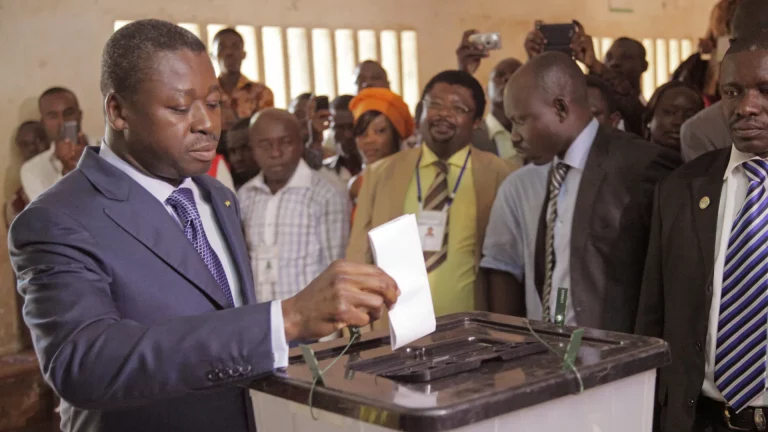
Polling stations in Togo opened on July 17, 2025 for the country’s municipal elections.
But by mid-morning, just a trickle of voters had been to cast their votes in the capital Lomé.
It is municipal election day in Togo, voters are called upon to elect their municipal councillors.
But from the early hours of the morning, one thing is clear: turnout at polling stations is disappointing.
In Lomé, the country’s capital, several polling stations remain sparsely populated, with voters slow to arrive.
For the moment, the centre is a little quiet. People are coming in slowly, but it’s not like that at the moment.
I hope they will come and vote anyway,’ says Dalmeida Ayélé, president of a polling station, visibly concerned about voter turnout.
Those who did make the trip to the polls, however, voted in a peaceful atmosphere.
No incidents were reported early in the morning, despite a tense political climate marked in particular by the call for disobedience launched by the M66 movement, a collective of activists mainly from the Togolese diaspora.
Civic duty
“I just fulfilled my civic duty this morning. I was very proud to do so because it is a civic duty that every citizen must perform,” said Waguéna Barthélemy, a voter encountered outside a polling station.
The stakes are high for this local election. In a country seeking effective decentralisation, many voters hope to see their future municipal councillors bring new momentum to their communities. ‘My expectations for these elections are that the population will wake up and take charge of managing their communities,” explains Kuevidjen Folly.
Sénou Lodowa expresses the same impatience: “They should try to see things and change things. Because everything that isn’t working needs to work”.
While the morning has been relatively calm, the question of turnout remains unanswered.
Is this simply a delay in voters arriving, or is it a sign of deeper disengagement, or even a silent boycott? We will have to wait until the end of the day to fully gauge the extent of this demobilization.
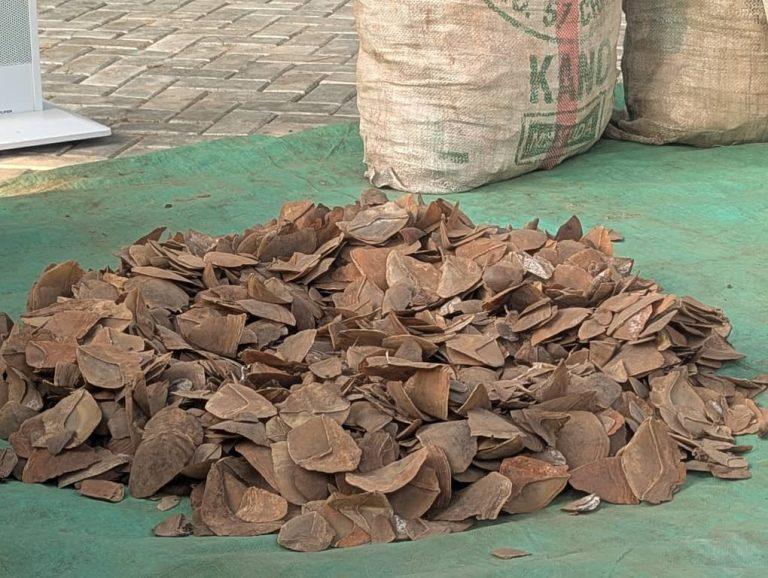
The Nigerian Customs Service, Kano/Jigawa Area Command, has intercepted 420 kilogrammes of pangolin scales in a major anti-wildlife trafficking operation in a suburb of Kano State, North-West Nigeria.
Addressing journalists in Kano, the Customs Area Controller, Abubakar Dalhatu, said the seizure was made on Wednesday, July 2025, following a collaborative effort of the Nigerian Customs’ personnel and other relevant agencies.
According to Dalhatu, the operation targeted illegal international wildlife trade and aimed to protect Nigeria’s endangered species and natural heritage.
“This interception represents a significant blow to the criminal networks involved in wildlife trafficking.
It also sends a clear message that Nigeria will not tolerate the exploitation of its natural resources,”he said, emphasising the Service’s commitment to enforcing Section 55 of the Nigerian Customs Service Act 2023, which mandates the protection of the environment and wildlife.
Dalhatu reiterated the Command’s resolve to intensify surveillance and adopt advanced technologies to curb wildlife crimes.
“It is our shared duty to protect these endangered species for the benefit of generations to come,” he stated.
He expressed appreciation to the Comptroller General of the Nigerian Customs Service, CGC Bashir Adewale Adeniyi MFR, for his leadership and also commended international partners, including the Regional Liaison Office and Focus Conservation for their support in the operation.
The Nigeria Tennis Federation (NTF) has announced that the 46th edition of the Senior Open Tennis Championship will begin in Abuja on the 21st of July, 2025, with finals scheduled for the 26th July at Package B of the Moshood Abiola National Stadium.
The annual championship, organised in close partnership with the Central Bank of Nigeria (CBN), has become a cornerstone of Nigeria’s tennis calendar and a key platform for identifying and nurturing local talent.
The event which features 96 players this year, offers young players from across the country the opportunity to compete at a national level and gain exposure to international selection pathways. The Preliminary matches are set to commence on Friday, July 18th, 2025.
In a statement released ahead of the Championship, the CBN’s Acting Director of Corporate Communications, Hakama Sidi Ali, reaffirmed the Bank’s longstanding commitment to nation-building, noting the vital role young people play in national development.
“Over the years, this championship has helped young talents, providing them with a constructive outlet and a chance to showcase their abilities on a national stage,” she said.
The NTF acknowledged the CBN’s continued support, describing it as instrumental in sustaining the growth of the sport and strengthening Nigeria’s representation in major competitions such as the Davis Cup and the African Games.
“The NTF and the CBN have collaborated for decades to ensure the tournament remains a consistent and credible pipeline for the country’s top players,” the statement added.
WHEEL CHAIR TENNIS
This year’s event will feature a full range of categories; men’s and women’s singles and doubles, as well as wheelchair tennis for both men and women, reinforcing the Bank’s commitment to inclusive participation.
A breakdown of the tournament’s structure shows 64 players in the men’s singles draw and 32 in the women’s singles. There will be 32 doubles teams in each of the men’s and women’s categories, and 16 participants in each of the wheelchair events.
Over its four-decade history, the Senior Open Tennis Championship has produced some of the country’s most celebrated names in the sport, including Sunday Maku, David Imonite, Veronica Oyibokia-Iwebema, Christy Agugbom, Sarah Adegoke, Sylvester Emmanuel, Imeh Joseph, Oyinlomo Quadri, Marylove Edwards and others.
As the tournament prepares to welcome a new cohort of players, its longevity suggests that sport remains a meaningful part of the country’s wider youth development landscape.
The footprints of the late Former President Muhammadu Buhari remains an indelible chapter in Nigeria’s history, despite criticism from a small but vocal minority.
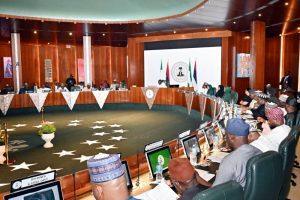
Nigeria’s Minister of Health, Prof. Ali Pate establised this during an expanded Federal Executive Council meeting held in honour of late Buhari, at the Council Chambers of the State House, Abuja.
Pate affirmed that the late ex-President’s administration’s impact continues to resonate, underscoring a tenure rich in significance that cannot be erased or forgotten.
He emphasized that the rain of eulogies from leaders across the world attests to former President Buhari’s stature as a notable and well-respected leader.
The Minister added that Buhari lived an eventful life etched in sacred principles and died an honourable man.
According to Pate, “It was deeply stirring to see hundreds of people withstand hours of heat on the roadsides from Katsina to Daura to say their goodbyes to Mai Gaskiya.
“But there seems to be a very small but vocal minority who, despite the solemnity of the occasion, has tried to diminish the place of President Buhari in the pantheon of Nigeria’s remarkable leaders. To those on this foolhardy pursuit, I say, as the pages of Nigeria’s history are written in the future, President Buhari’s name will remain indelible.”
The Minister reeled out the vital lessons culled from the life of Nigeria’s former Head of State and a two term democratically elected President, Muhammadu Buhari, sayimg that Buhari showcased the foundation of enduring leadership as authenticity.
“There was clear consistency with President Buhari in all seasons. He was unpretentious, frugal, reserved, humble, and honest. He did not pretend to be what he was not. Some people liked him, and some did not. He was consistently loyal to Nigerians – both high and low.”
He added that the late Buhari was known as a disciplined man, exemplifying integrity in all its ramifications. According to Pate, this rare quality fortified the late former Leader against multiple personal and political shocks.
“Character moulded by self-discipline provided the scaffolding for Buhari’s courage and conviction. He was known as a disciplined man, exemplifying integrity in all its ramifications. This rare quality fortified him against multiple personal and political shocks. Many Nigerians know that, as President, Muhammadu Buhari always acted in what he considered to be the best interest of the country. This character trait was demonstrated across his public service stints — from the military to political office, and even after office.”
Pate recalled that while some may accuse the late General as being slow in making decisions, he highlighted that President Buhari was evidently a stickler for due process.
“Buhari understood leadership as stewardship. This was reflected in his consistent respect for institutions and established processes. The structure of his administration remained relatively stable for eight years. While some may accuse him of being slow in making decisions, President Buhari was evidently a stickler for due process. When his time in office was up, he retired happily to Daura to live among his people and tend his farm. In many ways, similar to the Roman General, Cincinnatus (BC), who served the public when warranted and immediately returned home afterwards to his farm.
“It is evident that Muhammadu Buhari did not take life too seriously. He was fully conscious of the ephemerality of life. He had no appetite for material things. He did not have dozens of houses, business interests, exotic clothing, and items. He lived a decent life. He laughed well at himself and shared joy and laughter with many.
“There are many more lessons to be taken from the late former President’s life,” Pate said.
He enjoined Nigerians to to further reflect and imbibe the lessons from the life of the departed leader, Muhammadu Buhari.
He established that perfection is with God hence it is best to leave final judgement to Him.
“At this time of national mourning, in consonance with His Excellency, President Bola Tinubu’s directive on praying and reflecting on Buhari’s life, we will all be served well if we reflect on and imbibe the lessons from the life of the beloved departed leader. Of course, Muhammadu Buhari has his many failings, as any man does. Perfection is with God and it is best to leave final judgement to Him,” Pate added.
Ali Pate prayed that “Allah forgive and grant President Muhammadu Buhari Aljannah Firdaus.”
Dr Ali Nuhu, Managing Director, Nigerian Film Corporation (NFC), has announced the return of a heritage film festival ‘Decacia’ to Lagos for its 2025 edition scheduled for July 27 to July 30.
Nuhu, who is also the Chief Executive Officer (CEO) of NFC, made this announcement in a statement by NFC’s Director of Public Affairs, Brian Etuk on Thursday in Abuja.
The return of ‘Decasia’ to Lagos state is a collaborative initiative between the Nigerian Film Corporation (NNFC), the Lagos Film Society and partners from Germany namely Arsenal Institute for Film and Video Arts (Berlin, Germany).
Others were Deutsche Filminstitut and Filmmuseum (Frankfurt Germany), Goethe University-Frankfurt, DAAD (Deutscher Akademischer Austauschdienst) and Goethe Institut.
According to Nuhu, the heritage film festival will be a landmark gathering of filmmakers, archivists, historians, scholars, and culture enthusiasts, dedicated to the rediscovery, preservation and creative re-imagination of Africa’s cinematic heritage.
The Chief Executive Officer of NFC assured expected participants of exciting moments of the film festival.
He added the exciting moment include; the screenings of rare archival films, panel discussions woven around strategies, archiving, preservation challenges and national development in support of the draft National Film Archive Policy.
” The networking sessions designed to spotlight the importance of cultural memory in shaping Nigeria’s creative future.
“Objectives of ‘Decasia’ is to sustain global conversations, including the impact of digital technologies, as well as the relationship between archives and film festivals.
“Decasia provides a veritable platform to harness great creative opportunities inherent in archival materials, as weapons for sustainable human existence and development.
” It also provides public platform and supporting linkages between the National Film Video and Sound Archive (NFVSA) as a national audio-visual repository.
” It provides Master Degree Programme in Film Culture & Archiving Studies of the National Film Institute (NFI) and the University of Jos, as well as audio-visual content creators and the general public,” he said.
Nuhu, speaking on the underlying thrust, said the film festival was to conscientised government and relevant Ministries, Departments and Agencies, including the organised private sector, content creators on the imperatives of audio-visual material usage, protection, preservation and archiving.
” With the NFVSA as Nigeria’s audio-visual repository, efforts by the NFC to foster constructive engagements and affirmative actions through collaborative partnerships underscores the mounting of ‘Decasia’ 2025.
“The offerings of ‘Decasia’ 2025 to Nigeria’s film industry includes, culture and heritage protection, strong and productive linkages, skills and capacity development in archival management, preservation of audiovisual materials, archival practices, film and culture diplomacy promotion,”he added.
The four-day event, scheduled to take place from July 27 to July 30 at the Lagos office of NFC Ikoyi, Lagos, also designed to be hosted in Berlin Germany.
The first edition took place in 2019 October 24 to 27 in Lagos state, with the title “1st Berlin – Lagos Archival Film Festival”.
While the 2020 edition took place in Berlin Germany themed “Reclaiming History, Unveiling Memory”.
The Gombe State Government has reiterated its commitment to improved sanitation and environmental sustainability through strengthened efforts in faecal sludge management (FSM), in collaboration with UNICEF and other development partners.
This commitment was reaffirmed in a keynote address delivered by the Director of Water Resources on behalf of the Commissioner for Water, Environment, and Forest Resources, Mr Mohammed Saidu Fawu, during an awareness campaign organised by the Gombe State Rural Water Supply and Sanitation Agency (RUWASSA), with support from UNICEF.
The campaign convened key stakeholders from government, traditional institutions, civil society organisations, and the media to promote best practices in the safe handling and treatment of faecal sludge—a pressing concern for communities reliant on pit latrines and septic systems.
Towards a Sustainable FSM Framework
The event emphasised the urgent need for a coordinated, inclusive, and sustainable FSM framework, prioritising regulatory enforcement, private sector participation, construction of treatment facilities, and consistent community engagement.
Mr Fawu highlighted that FSM has been incorporated into the state’s sanitation roadmap, with innovative waste-to-resource initiatives already underway—including the conversion of treated faecal sludge into energy, organic fertiliser, and non-potable water, thereby supporting both environmental protection and economic growth.
“Overflowing pits, indiscriminate disposal, and groundwater contamination are not mere inconveniences,” the commissioner stated.
“They are threats to human dignity, water security, and public health,” Mr Fawu said.
He praised UNICEF’s ongoing support for WASH (Water, Sanitation, and Hygiene) programmes in the state and acknowledged UNIDO’s contribution to renewable energy development, especially the upcoming 320 MW Small Hydro Power Project, as a reflection of shared goals for sustainability and resilience.
“Sanitation is not just a health issue; it is a development issue. It intersects with education, gender equality, environmental protection, and climate resilience,” the commissioner stressed.
Mr Fawu reaffirmed Governor Muhammadu Inuwa Yahaya’s administration’s dedication to achieving a cleaner and healthier Gombe State, calling on community-based organisations, traditional rulers, and religious leaders to view faecal sludge management as a collective responsibility and a cornerstone of public health.
UNICEF’s Role in Driving ODF and FSM Initiatives
Mrs Namban Michael, WASH Officer, speaking on behalf of Dr Nuzhat Rafique, Chief of the UNICEF Bauchi Field Office, emphasised the significance of FSM as a crucial extension of open defecation eradication efforts.
She commended Dr Rafique’s leadership in fostering interstate learning visits—particularly to Bauchi State, which has made notable strides in FSM—to help other states, including Gombe, implement effective human waste systems.
“Building and using toilets is crucial, but equally vital is how and where we dispose of the waste,” said Mrs Michael.
She noted that while states like Jigawa have achieved Open Defecation Free (ODF) status, they still face challenges with FSM infrastructure. Gombe, she said, has the opportunity to establish sustainable systems from the outset.
UNICEF, alongside the Federal Government’s “Clean Nigeria: Use the Toilet” campaign, is urging Gombe to proactively develop sustainable FSM infrastructure.
Mrs Michael said the gathering also served as an orientation for stakeholders to understand institutional responsibilities and early-stage requirements for FSM implementation.
She underscored the crucial role of the media in advancing ODF advocacy and educating the public on the health and economic benefits of sound faecal waste management.
Socioeconomic Impact of Faecal Sludge Management
In a technical presentation titled “Faecal Sludge Management and Its Link to Open Defecation and Community Hygiene,” Professor Wilson Lamayi Danbature outlined the multifaceted benefits of FSM:
“Prevention of water source contamination, reduced health risks from pathogen exposure, pollution control, and recovery of valuable resources such as biogas and fertiliser,”said Prof. Danbature.
He noted that FSM directly supports the achievement of SDG 6: Clean Water and Sanitation, with potential for:
Fewer outbreaks of waterborne diseases such as cholera, typhoid, and diarrhoea
Lower healthcare costs and improved school attendance
Greater productivity due to healthier labour forces
FSM, he added, also generates economic opportunities, including
Job creation in toilet construction and maintenance
Roles in sludge collection, transport, and treatment
Entrepreneurship in recycling waste into fertiliser, biogas, or fuel
Environmentally, FSM helps protect water sources, agricultural land, and ecosystems, thereby reinforcing both food security and climate resilience.
Gombe’s Progress and Persistent Challenges
Meanwhile, RUWASSA’s WASH Sector Lead, Professor Abubakar Lumumba, disclosed that 896 communities across Gombe State have been “triggered” under the Community-Led Total Sanitation (CLTS) initiative. However, only 320 have self-declared as ODF.
He added that 119 communities had been verified by local government WASH departments and were now awaiting state and federal validation for formal recognition.
Prof. Lumumba expressed concern over the slow pace of implementation and the lag in the fight against open defecation, urging stakeholders to intensify efforts and accelerate the drive towards achieving ODF status.








 “Over the years, this championship has helped young talents, providing them with a constructive outlet and a chance to showcase their abilities on a national stage,” she said.