


The Central Bank of Nigeria (CBN) has reaffirmed its commitment to deepening financial inclusion, promoting digital transformation, and maintaining monetary stability to drive sustainable economic growth across the country.
CBN Governor Olayemi Cardoso made this known during the opening of the CBN Fair in Calabar, the Cross River State capital.
Cardoso stated that the CBN Fair formed part of the apex bank’s ongoing efforts to engage Nigerians on its policies and reforms for economic development.
He explained that the theme of the fair was chosen to “address links that catalyse critical activities for price and monetary stability as well as sensitise the public on the bank’s policies” and their positive impact on lives, livelihoods, and the national economy.
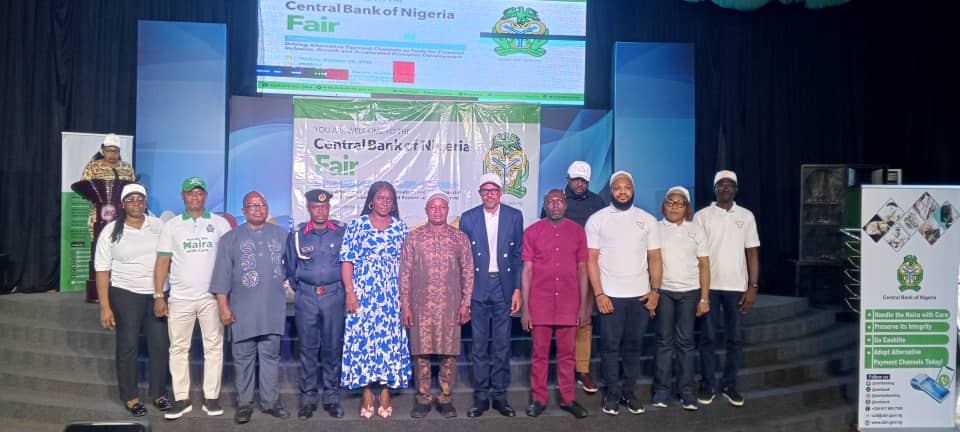
According to the governor, the CBN under his leadership has taken decisive steps to strengthen the financial system, enhance productivity, and stabilise the economy.
He said, “These efforts are already yielding positive results, as evidenced by the steady reduction in inflation and the current stability in the foreign exchange market.”
Cardoso further outlined key policy measures implemented over the past two years, including the unification of exchange rates, the clearance of over $7 billion in verified foreign exchange backlogs, the recapitalisation of banks to boost resilience, and the introduction of the BMatch system to improve the integrity of forex trading.
Read Also: CBN Reduces Interest Rate by 50 Basis Points
He also highlighted the Nigeria Payments System Vision 2028, designed to accelerate digital transformation and broaden financial inclusion nationwide.
He added that the CBN had introduced a 75 per cent Cash Reserve Ratio (CRR) on non-TSA public sector deposits to improve liquidity management and curb inflationary pressures.
The CBN governor urged Nigerians to rely solely on verified information from official CBN channels and to “respect and keep the Naira clean,” warning against spraying, hawking, or mutilating the currency.
Cardoso was represented at the fair by a manager at the CBN, Tobias Uche.

Fostering Trust and Financial Literacy
Speaking earlier, the CBN Branch Controller in Calabar, Jibunoh Nwanneamaka, represented by the Head of Research, Jude Nwafor, described the fair as a platform to foster trust, transparency, and financial literacy among Nigerians.
Nwanneamaka said the engagement was designed to familiarise the public—particularly those in underserved communities—with the bank’s policies and innovations.
“Alternative payment channels—such as mobile money, USSD services, POS terminals, and digital wallets—are not just conveniences; they are lifelines for millions, especially in underserved communities,” he said.
In separate goodwill messages, the Senior Special Adviser to the Cross River State Governor on Agriculture, Professor John Shiyam, and the Chairman of the Cross River Chamber of Commerce, Kelly Ayamba, commended the apex bank for hosting the fair in Calabar.
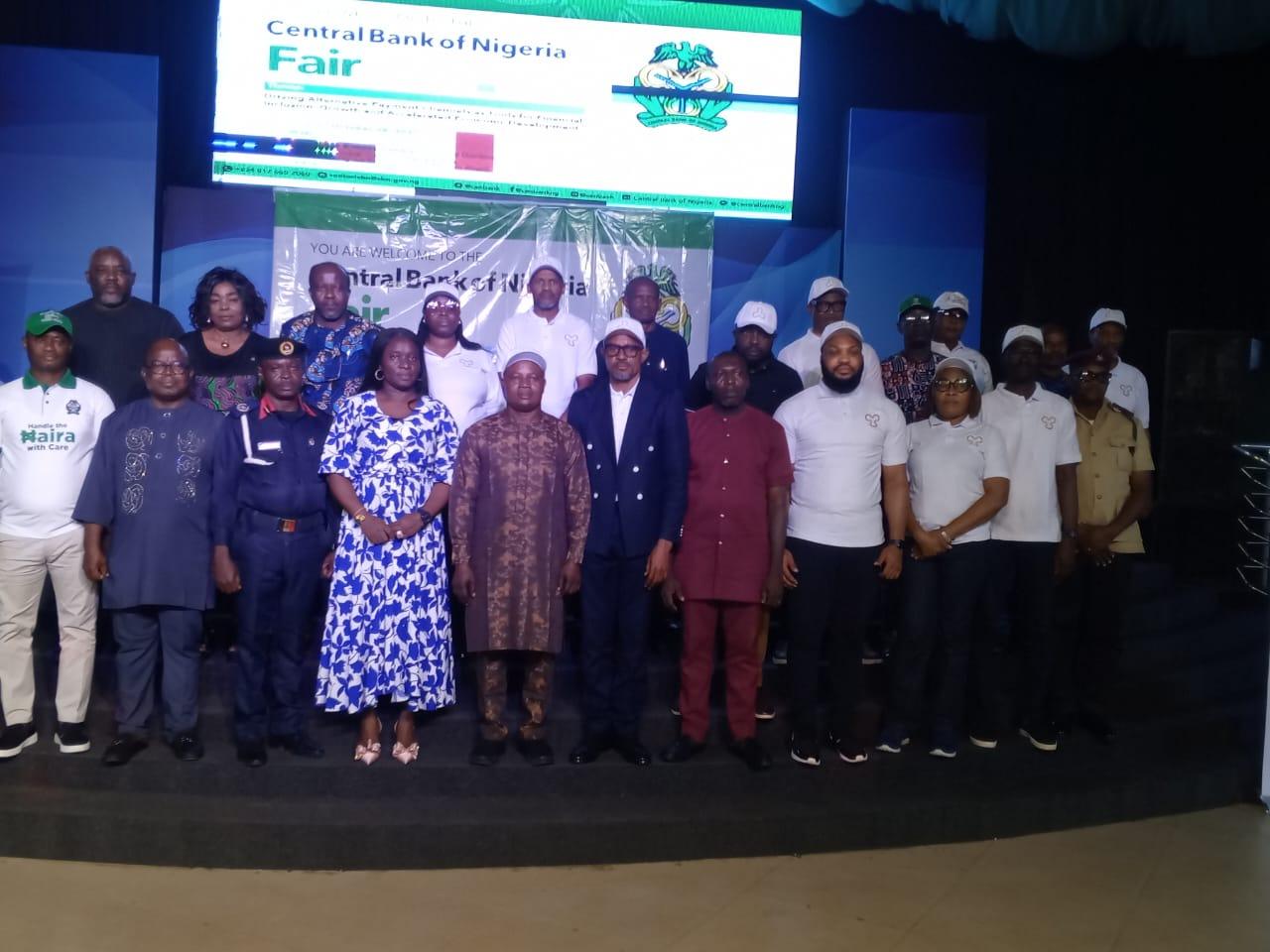
Shiyam remarked, “This is a laudable initiative from CBN. These alternative payment channels would assist farmers in the rural areas where there are no regular banking facilities. The challenge for our farmers is access to credit, and this forum is critical for the farmers to leverage alternative payment platforms for their agricultural activities.”
Ayamba described the fair “as a platform to enhance economic growth, personal business development and ensure that people can access finance as well as deepen understanding of financial matters.”
The fair featured presentations on CBN operations, including monetary policy instruments, consumer protection, microfinance, and the evolving digital payment ecosystem.
Themed “Driving Alternative Payment Channels as Tools for Financial Inclusion, Growth and Accelerated Economic Development,” the event attracted young Nigerians, farmers’ representatives, government officials, and members of the Cross River business community.