

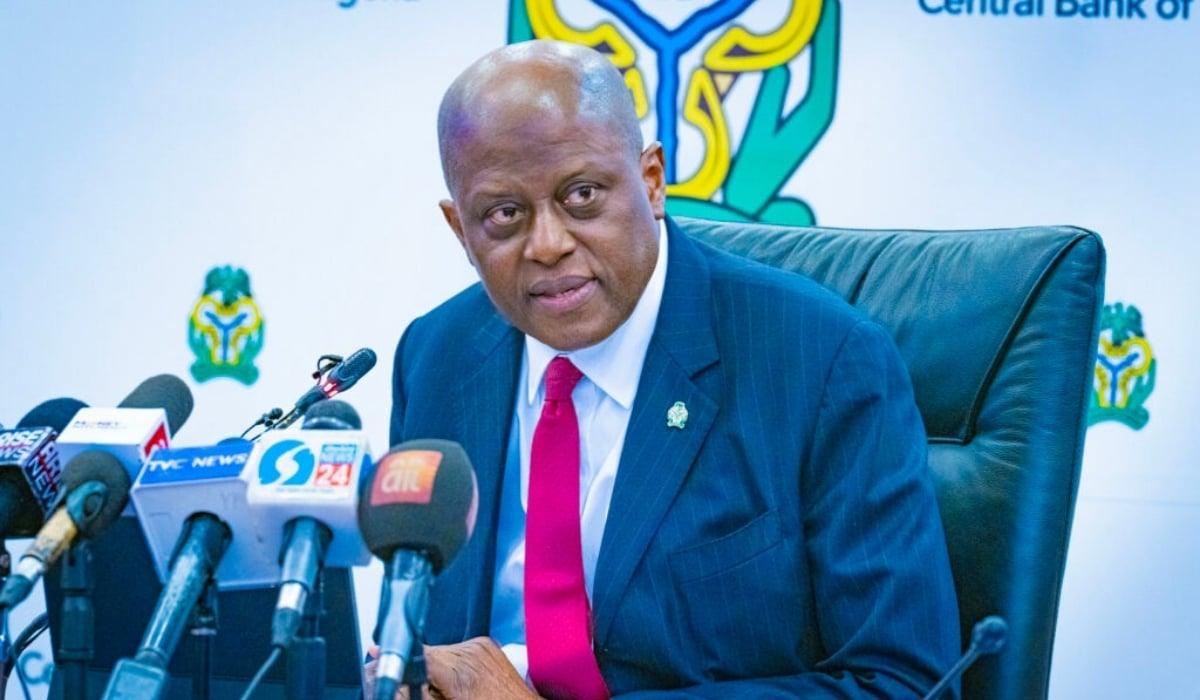
In recent years, the Central Bank of Nigeria (CBN) has embarked on a decisive reform phase, marked by policy recalibration, institutional tightening, and a renewed commitment to macroeconomic stability.
What began as a response to deep structural distortions in Nigeria’s monetary and foreign exchange systems is now yielding measurable outcomes.
Under Governor Olayemi Cardoso, the reforms have shifted the Bank away from intervention-heavy monetary management toward a rules-based, transparent, and credibility-driven framework.
The apex bank has prioritised its core mandate of price stability and financial system soundness, including the rollback of discretionary interventions that blurred the line between monetary policy and fiscal support.
This recalibration is most evident in the foreign exchange market, where reforms aimed at rate convergence and transparency have reduced arbitrage and improved price discovery.
Over the past two years, these measures have enhanced market liquidity, narrowed spreads between official and parallel rates, and gradually restored investor confidence.
The naira has generally traded at ₦1,420 to ₦1,450 per US dollar, while gross external reserves have climbed above US$45 billion, the highest since 2019.
On inflation, the CBN has maintained a tight monetary stance, raising policy rates and strengthening liquidity management tools. While inflation remains elevated, month-on-month trends show moderation, indicating that monetary tightening is beginning to take effect, even as structural and supply-side pressures persist.
The banking sector has also seen enhanced regulatory oversight. Stricter compliance, improved risk management, and recapitalisation measures are building a resilient and growth-supportive banking system capable of withstanding shocks and financing Nigeria’s long-term development.
At the institutional level, reforms to strengthen governance and transparency have restored policy credibility, improved communication, and enhanced the effectiveness of monetary transmission.
Looking ahead, Governor Cardoso has outlined a 2026 agenda anchored on four pillars: price stability, financial system resilience, institutional credibility, and inclusive growth support. Recognising that monetary policy alone cannot ensure stabilisation, the Bank will prioritise coordination with fiscal authorities.
The CBN Plans also include deepening financial inclusion, strengthening the payments ecosystem, and leveraging technology to improve efficiency and transparency across the financial system.
As Nigeria enters 2026, the reforms under Olayemi Cardoso signal a central bank determined to restore confidence, enforce discipline, and lay the foundation for sustainable economic recovery.