


More than 200 kindergarten students in northwestern China were found to have abnormal blood lead levels after kitchen staff used paint as food colouring, authorities said, in a case that’s stoked outrage in a country long plagued by food safety scandals.
Eight people, including the principal of the private kindergarten that the children attended, have been detained “on suspicion of producing toxic and harmful food,” according to a report released Tuesday by the Tianshui city government, as cited by Chinese state broadcaster CCTV.
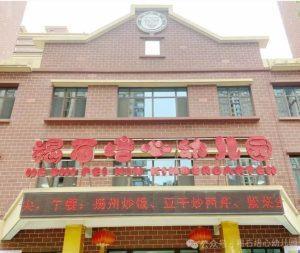
The principal and a financial backer of the school had allowed kitchen staff at the Heshi Peixin Kindergarten to use paint pigments to colour the children’s food, leading to contamination, according to the report, which followed a days-long but ongoing probe into the cases.
Of the 251 students enrolled at the kindergarten, 233 were found to have abnormal levels of lead in their blood, the report found. The children were undergoing medical treatment, with 201 of them currently in hospital, authorities said. Medical evaluations of the effects of their exposure, which can cause long-term and developmental harm, have not yet been made public.
Local media cited a paediatrics professor as saying aspects of the case suggest there could be chronic lead poisoning, meaning exposure over more than three months.
During the investigation, two food samples from the kindergarten – a red date steamed breakfast cake and a sausage corn roll – were found to have lead levels more than 2,000 times the national food safety standard for contamination, according to figures cited in the investigation report.
The paint was also seized by authorities and found to contain lead – and the packaging was clearly labelled as non-edible, the report said. Tianshui’s top law enforcement official told CCTV that the principal and his investor had aimed to “attract more enrollment and increase revenue” with the colourful food. CNN has reached out to Heshi Peixin Kindergarten several times for comment.
The government report did not disclose how long the exposure had gone on, with some affected parents interviewed by state media saying they had noticed abnormal signs in their children’s health and behaviour for months – and clamouring for more answers about how the exposure happened.
The case has raised all-too-familiar concerns in China about food safety as well as the levels of transparency with which such cases are handled – especially in a system where independent journalism is tightly controlled and officials are under pressure to resolve issues quickly.
Earlier this week, Tianshui’s mayor Liu Lijiang said the city would “do everything possible to ensure the children’s treatment, rehabilitation and follow-up protection,” while vowing to close “loopholes” in Tianshui’s public food safety supervision.
‘Serious Accountability’
The case has led to widespread expressions of outrage across Chinese social media, the latest among dozens of high-profile scandals have been reported by local media since the early 2000s.
“Serious accountability must be maintained and food safety issues cannot be ignored or slacked off. When it involves the life safety of young children, severe punishment must be imposed,” wrote one commentator on the X-like platform Weibo.
Past scandals have also impacted children. In one of the most egregious examples, six infants died and some 300,000 others were sickened by milk powder formula containing the toxic industrial chemical melamine. Several executives found to be responsible for the 2008 case were ultimately handed death sentences, and the tragedy drove deep mistrust of domestic products and food safety in China.